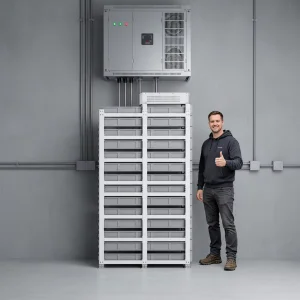
Explore our highly integrated, factory-certified commercial & utility energy storage systems optimized for diverse environmental conditions.
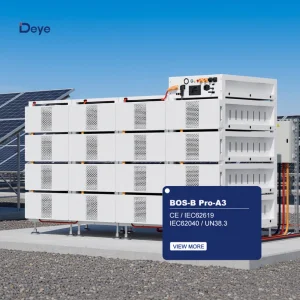
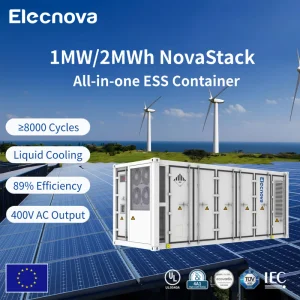
The transition toward dynamic, clean power grids requires sophisticated system integration, reliable manufacturing architectures, and adaptable engineering. Hangzhou CCSC Energy Co., Ltd. stands at the forefront of this shift as a premier Tier-1 Battery Energy Storage System (BESS) manufacturer and system integrator. Based in the technological hub of Hangzhou, China, our company designs, manufactures, and commissions utility-scale, commercial, industrial (C&I), and residential energy storage systems designed to handle the complex challenges of the modern energy market.
By blending state-of-the-art power electronics, advanced cell diagnostics, and high-performance battery chemistry (such as LiFePO4), CCSC Energy delivers hardware and software that maximize Levelized Cost of Storage (LCOS) reduction, secure long-term grid stabilization, and enable clean power arbitrage. Our engineering team brings years of field-tested experience to ensure each custom OEM system is built with high reliability, complying with rigorous global grid-connection requirements and environmental standards.
The energy storage landscape is rapidly transforming. Standard off-the-shelf options are no longer sufficient to handle the complexity of grid connections, fast-charging station surges, and localized commercial load shifting. Several critical technical developments are shaping future energy solutions:
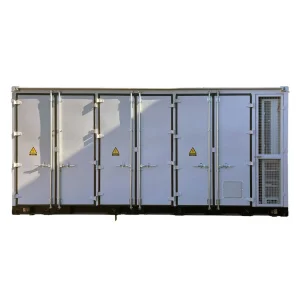
Traditional air cooling is giving way to liquid cooling systems. Our 1MW/2170kWh containers use direct liquid-to-cell thermal management systems that limit cell-to-cell temperature differences to less than 3°C, extending battery lifespan by 20%.
Modern BESS units must run smart communication interfaces. By using CAN, RS485, and Ethernet protocols, our energy storage solutions link into decentralized local grids, letting operators sell power back to the utility during peak demand.
While LiFePO4 remains the standard for energy density, sodium-ion technology is emerging as a stable, cost-effective alternative for cold-weather environments and stationary grid setups, a transition CCSC Energy is already actively supporting.
"A robust energy storage system is not merely a container of cells; it is a complex thermal, electrical, and communication ecosystem that must operate flawlessly under extreme grid anomalies for over 15 to 20 years." — CCSC Energy Technical Committee
International procurement managers, EPC contractors, and project developers face strict requirements when selecting an OEM BESS supplier. To minimize operational risks and satisfy financial stakeholders, key factors must be addressed:
From initial design to grid connection, we offer a streamlined engineering path for custom energy storage configurations.
We analyze historical load profiles, site climates, and charge/discharge demands to select the right chemistry, packaging, and liquid/air cooling ratio.
We build three-tier BMS architectures (cell, pack, system) and program the local controller to communicate with standard EMS platforms and EV charging equipment.
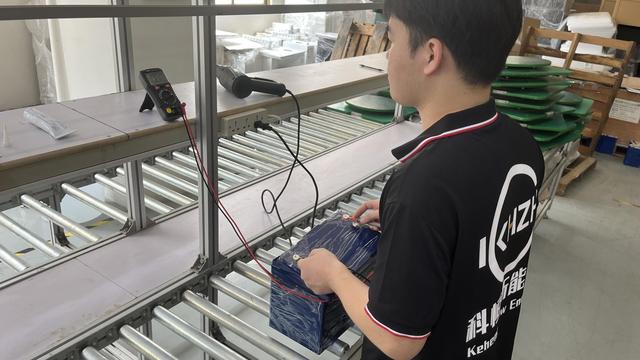
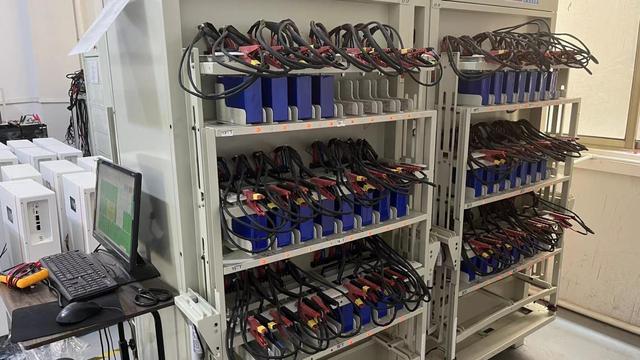
Each container is tested under full load conditions at our manufacturing facility, verifying insulation parameters, safety shutoffs, and thermal controls.
Safety is the primary driver of design decisions at CCSC Energy. To address the risk of thermal runaway, our energy storage cabinets utilize multi-level fire suppression strategies. This includes early gas detection (CO, H2), localized Aerosol/Novec 1230 flooding, and integrated sprinkler systems to protect investments and surrounding infrastructure.
Our technical development plan focuses on increasing energy density, optimizing cycles, and building intelligent software:
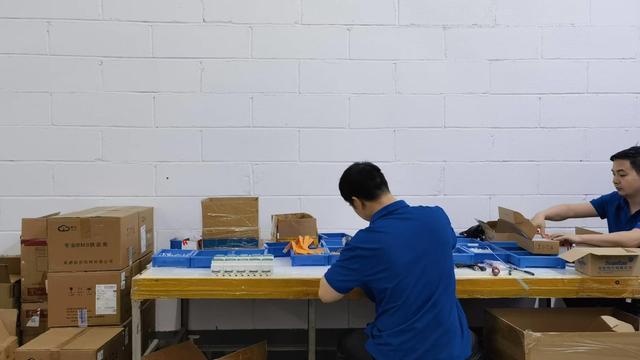
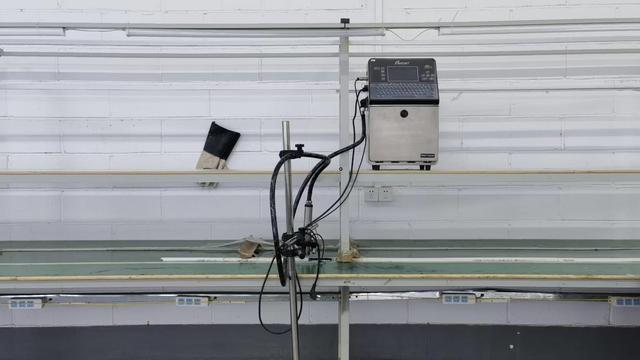
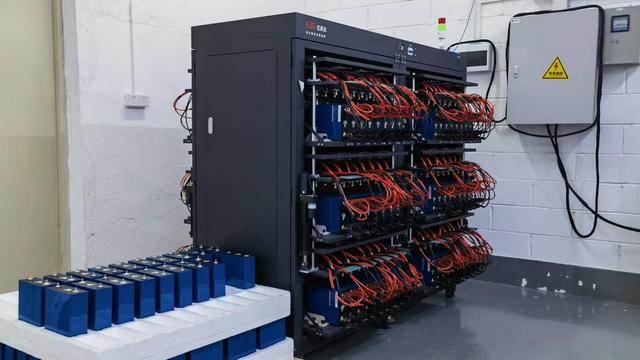
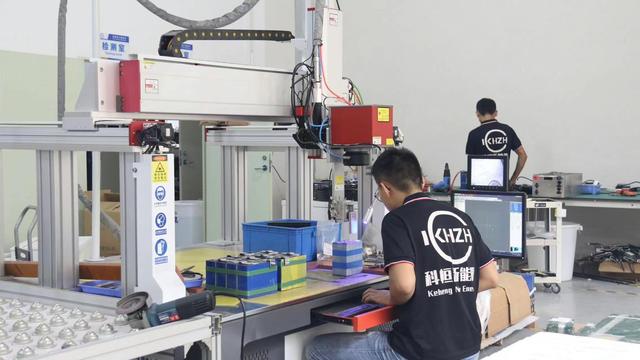
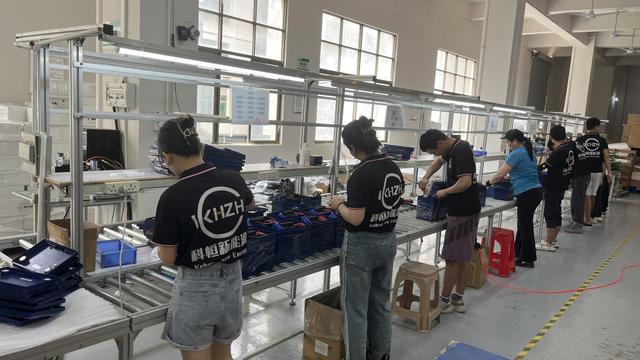
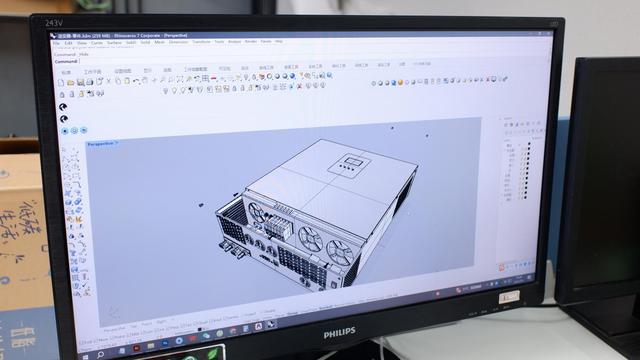
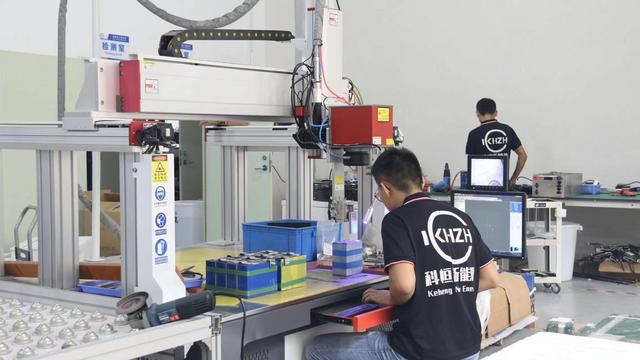
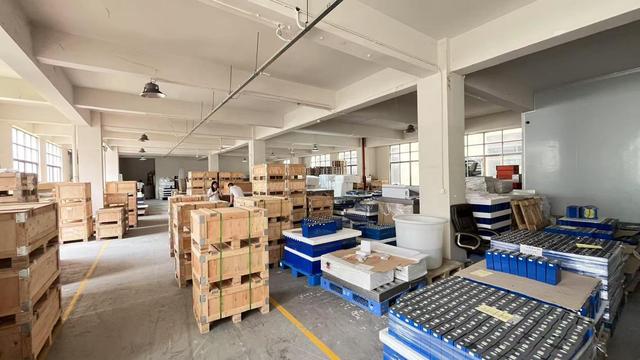
Take a virtual look inside Hangzhou CCSC Energy's testing labs and assembly plants, where advanced design meets automated manufacturing.
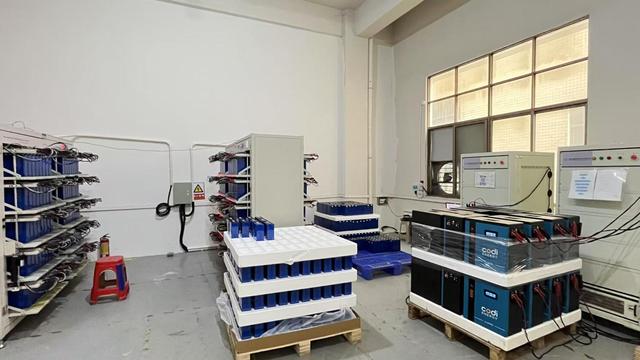
Technical answers to key questions about BESS deployment, certifications, and customized OEM services.
Our battery energy storage systems are certified to meet international standards. This includes UL9540A for thermal runaway protection, IEC62619 for safety, UN38.3 for shipping, and region-specific grid-connection certifications like G99 for the United Kingdom. Our facilities also hold standard ISO certifications for quality management.
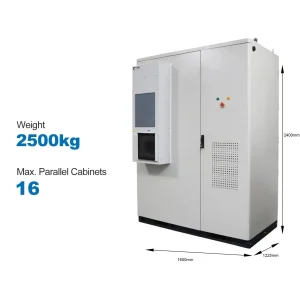
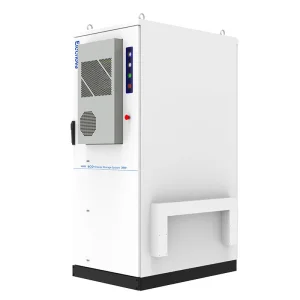
Our air-cooled systems, like the Air120 cabinet, offer a reliable and cost-effective design for moderate environments. For high-density projects, such as our 1MW/2170kWh 20ft container, liquid cooling is preferred. Liquid cooling provides improved heat dissipation, keeps cell temperature variance under 3°C, prevents thermal hotspots, and reduces auxiliary energy consumption.
Yes. Our custom OEM services include configuring the communication interfaces of our battery systems. We support protocols such as CAN, Modbus TCP/RTU, and Profinet, allowing our equipment to link directly into SCADA setups, smart monitoring platforms, or local EMS systems.
Our systems feature high-grade LiFePO4 cells that offer 6,000+ full charge-discharge cycles at 80% Depth of Discharge (DoD) under recommended operating temperatures. We provide comprehensive warranties ranging from 5 to 10 years, backed by real-time health monitoring via our smart diagnostics platform.
Our C&I energy storage systems respond to peak demand signals within milliseconds. By discharging stored power during high-consumption periods, the system reduces peak demand charges from the utility, improves voltage stability, and protects on-site equipment from fluctuations.
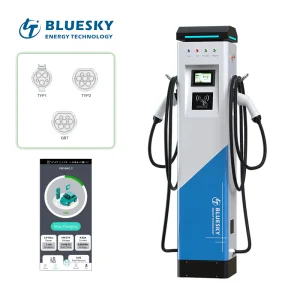
Yes. We design and manufacture fast floor-mounted DC EV charging stations, such as our 22kW Wall Box and high-power dual-connector systems. These chargers can be integrated with our local battery cabinets to support high-speed charging without overloading local grid connections.
The standard lead time for customized systems is 10 to 14 weeks. This covers engineering verification, electrical layout design, mechanical housing manufacturing, testing, and final safety certifications before dispatch.
We work closely with project developers, EPC contractors, and system installers in Europe, North America, South America, Asia, and the Middle East. From technical design through setup and commissioning, we provide remote and on-site engineering support to ensure local grid compliance.
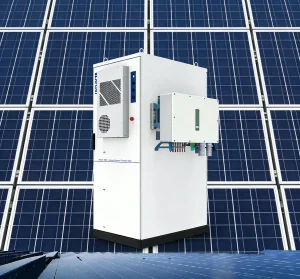
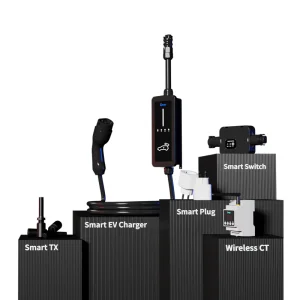
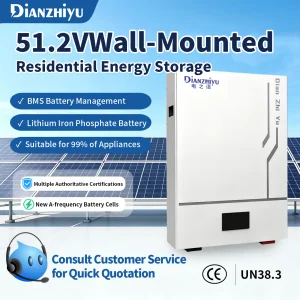
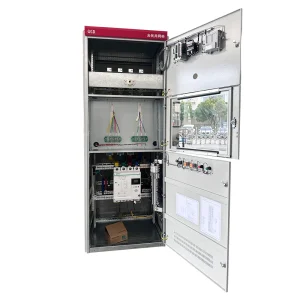
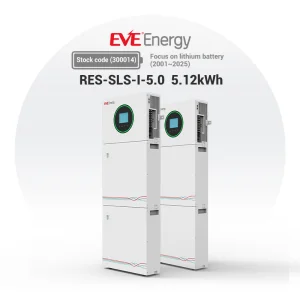
Complete your energy storage layout with our distributed outdoor cabinets, hybrid backup systems, and fast EV chargers.
 CCSC Energy