High-performance custom platforms integrated with next-generation thermal management and control layers.
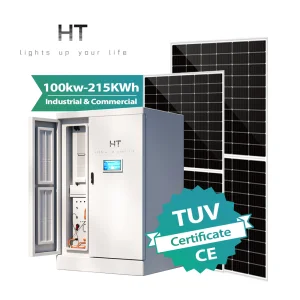
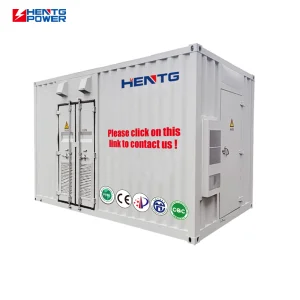
Hangzhou CCSC Energy Co., Ltd. is a professional Energy Storage System Manufacturer specializing in battery energy storage, renewable power integration, and smart energy solutions for residential, commercial, industrial, and utility-scale applications. Based in Hangzhou, China, the company focuses on developing advanced energy storage technologies that help customers improve energy efficiency, enhance power reliability, and support the transition toward sustainable energy systems.
With expertise in energy storage engineering and system integration, CCSC Energy provides comprehensive solutions covering battery energy storage systems (BESS), renewable energy storage integration, commercial and industrial energy storage, backup power systems, microgrid applications, distributed energy infrastructure, and intelligent energy management platforms. Its solutions are designed to support a wide range of applications, including solar energy utilization, peak demand management, grid stabilization, emergency power supply, and energy cost optimization.
The company is committed to delivering safe, efficient, and scalable energy storage solutions tailored to the needs of modern energy users. Its engineering team works closely with customers, project developers, EPC contractors, and energy service providers to design systems that align with specific operational requirements, performance objectives, and regulatory standards. From project planning and system design to manufacturing and technical support, CCSC Energy offers comprehensive services throughout the project lifecycle.
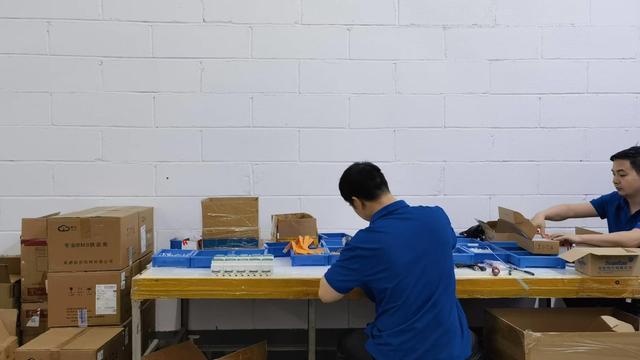
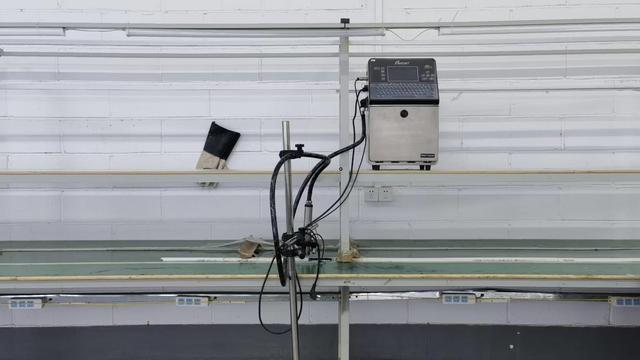
Equipped with advanced manufacturing facilities and stringent quality management processes, the company emphasizes product reliability, operational safety, and long-term performance. Continuous investment in research and development enables CCSC Energy to integrate intelligent monitoring technologies, advanced battery management systems (BMS), and smart energy control platforms into its solutions.
Serving customers across Asia, Europe, North America, South America, the Middle East, and other global markets, Hangzhou CCSC Energy Co., Ltd. is dedicated to providing innovative energy storage solutions that support renewable energy adoption, strengthen power resilience, and contribute to a more efficient and sustainable energy future.
Modern battery energy storage systems (BESS) represent far more than static electrochemical units packed within containers. As the energy matrix transitions toward decentralized, volatile renewable generation, BESS serves as the dynamic balancing mechanism. The integration of Energy Storage Analytics enables asset developers, OEM engineering partners, and utilities to optimize dispatch windows, track micro-level cell degradation, prevent thermal runaway, and maximize return on equity (ROE).
Without real-time and predictive analytics, utility-scale batteries run blind. Factors like localized temperature differentials, internal cell resistance mismatches, and dynamic state-of-charge (SoC) drift can significantly shorten a system’s lifespan. CCSC Energy approaches BESS design from an analytics-first perspective, ensuring that our battery packs, cooling hardware, and management layers operate with continuous monitoring and optimization.
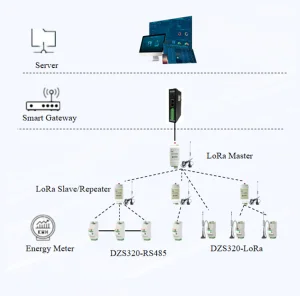
We provide custom original equipment manufacturer (OEM) options, embedding proprietary analytics layers directly into client systems. By integrating edge computing controllers with secure cloud interfaces, we offer developers comprehensive oversight.
Our edge hardware gathers high-frequency voltage, temperature, and current data directly from the cell arrays, processing it locally with minimal latency.
Compressed IoT telemetry is transmitted to centralized cloud systems, generating performance reports, predicting state-of-health (SoH), and tracking degradation curves.
By monitoring thermodynamic trends, the platform detects early heat anomalies and warns operators long before hardware thresholds are breached.
The demand for industrial battery energy storage is growing rapidly due to grid strains, shifting regulatory policies, and dynamic electricity pricing models. From microgrids in Southeast Asia to large-scale virtual power plants in the United States and Germany, battery analytics is the core driver of operational value.
In North America, grid entities like ERCOT and PJM incentivize systems that deliver fast-frequency response (FFR). Doing so requires rapid telemetry dispatch and millisecond-level analytics. Across Europe, the emphasis centers on peak-shaving applications and strict regulatory compliance regarding safety and battery recycling (such as the EU Battery Passport). Developing systems with integrated analytics ensures assets remain viable and compliant over decades of operation.
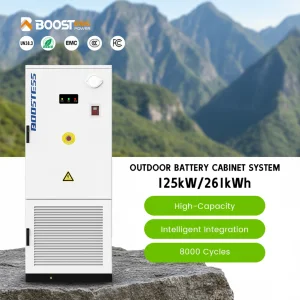
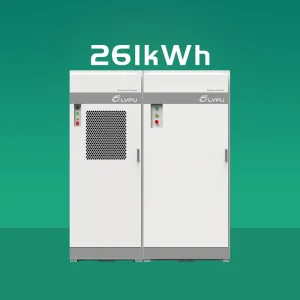
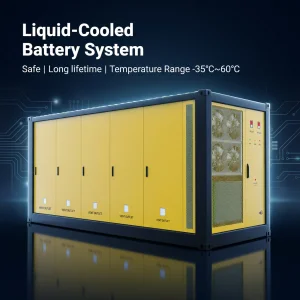
A critical engineering challenge in high-voltage BESS is thermal management. Liquid cooling has emerged as the industry standard, providing superior temperature consistency compared to traditional air cooling. Standard liquid-cooled configurations (like the 125kW/261kWh container setups) utilize active thermal loops to keep temperature variance across all cell packs under 3°C.
Integrating analytics with liquid-cooling control loops allows for predictive cooling cycles. Rather than waiting for a temperature rise, the system proactively adjusts coolant flow based on current loads and forecasted dispatch demands. This active management minimizes parasitic power losses, increases round-trip efficiency (RTE), and extends the life of LiFePO4 cells.
Deploying utility-scale and commercial batteries globally requires strict compliance with international safety and grid regulations. Depending on the installation site, systems must be certified under various frameworks:
Hangzhou CCSC Energy Co., Ltd. builds systems that comply with global safety standards and provides local engineering support, commission guidance, and remote monitoring integration. This support helps operators simplify the grid interconnection and permitting processes.
The future of energy storage analytics centers on cloud-based Digital Twins. By creating an exact digital representation of each cell, AI algorithms can simulate degradation under varied charge-discharge scenarios. These simulations enable predictive maintenance, helping operators replace specific components before they fail and optimize battery life cycles.
Furthermore, integration with open API standards allows batteries to connect smoothly with virtual power plant (VPP) platforms. This lets localized systems participate in regional energy arbitrage, maximizing both individual facility ROI and overall grid stability.
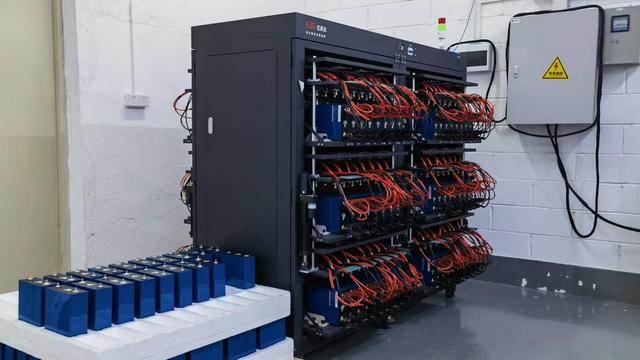
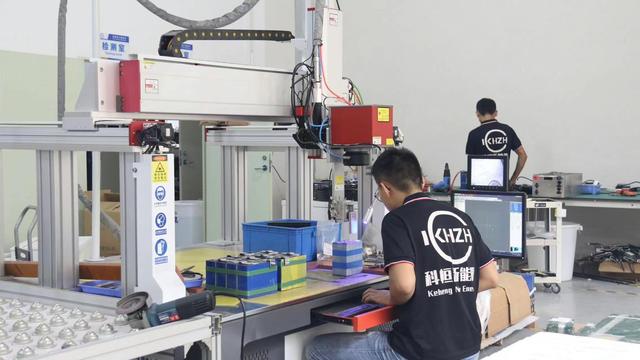
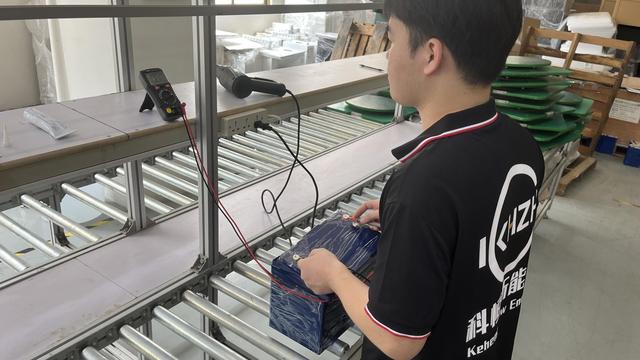
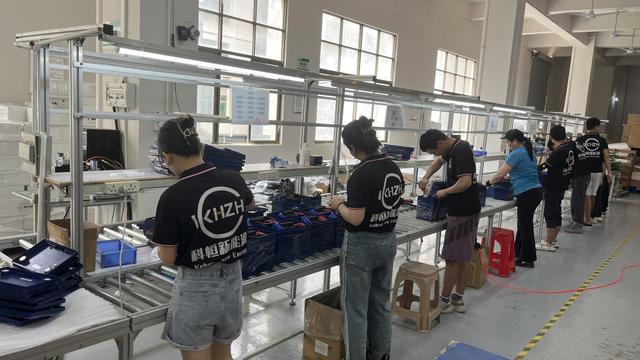
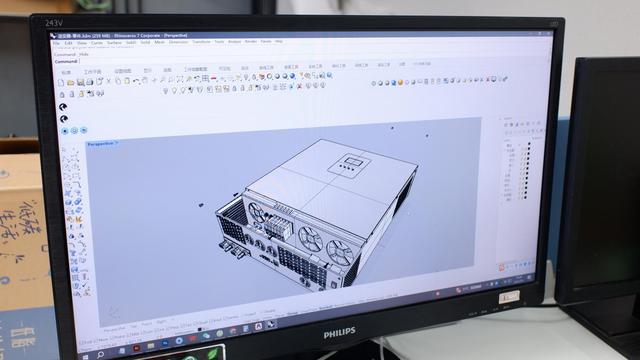
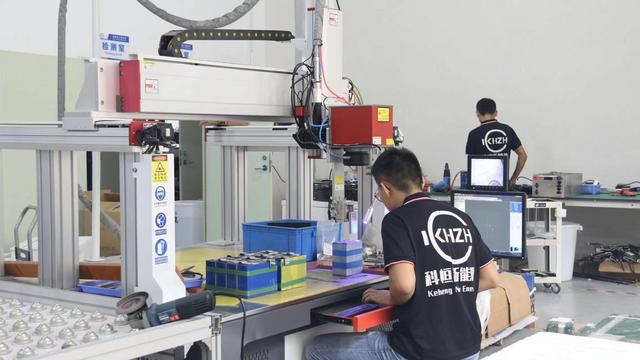
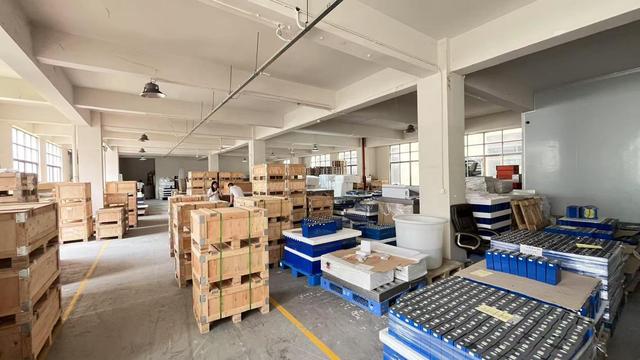
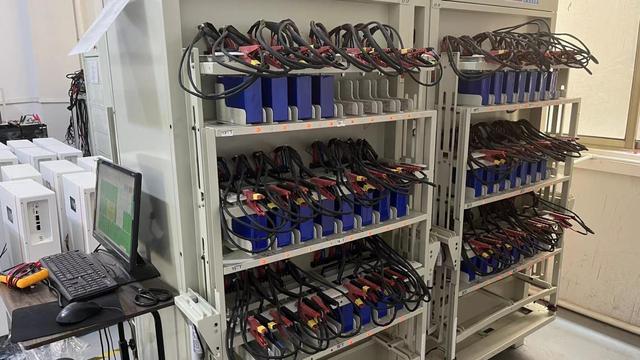
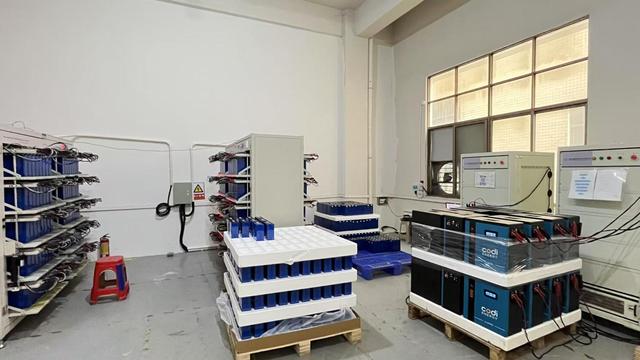
A visual overview of our manufacturing facilities, assembly, and testing processes.
Technical clarifications regarding energy storage analytics, OEM integration, and grid deployment.
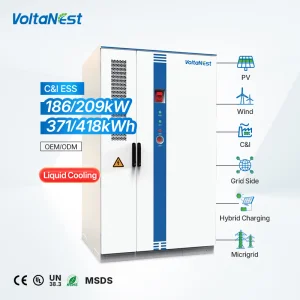
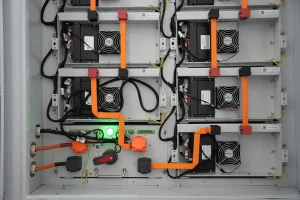
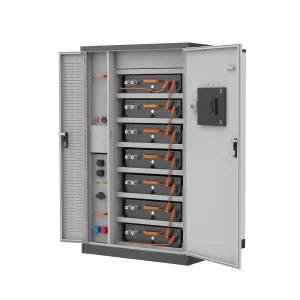
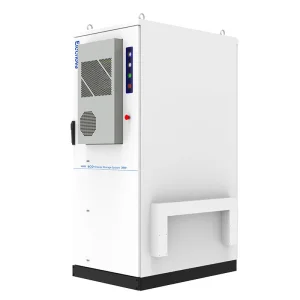
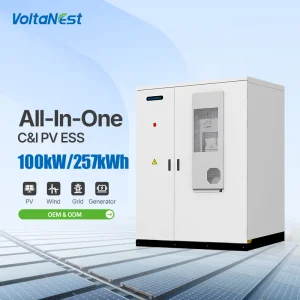
Browse our selection of distributed battery systems designed for commercial and industrial grid integration.
 CCSC Energy