Engineered for high performance, thermal control, and maximum operational lifespan
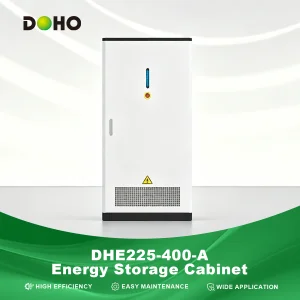
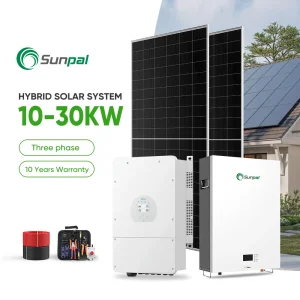
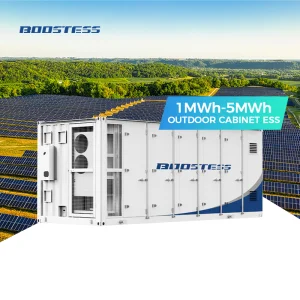
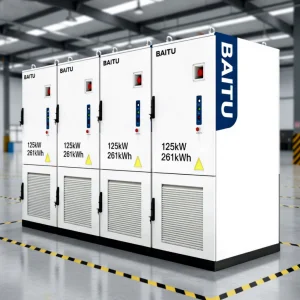
A Technical Whitepaper on Grid Stabilization, Load Balancing, and High-Yield BESS Architectures
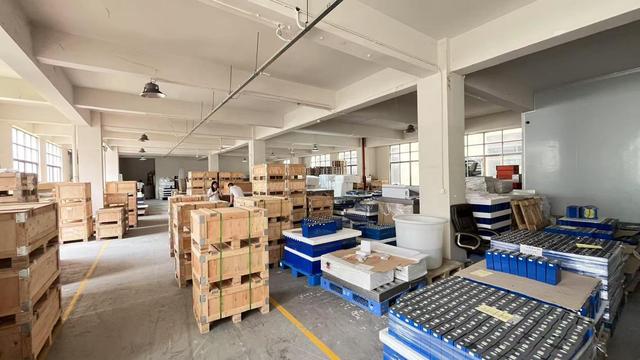
In the modern era of energy transitions, supply efficiency is the critical benchmark that differentiates sustainable networks from fragile grids. Established in the industrial heart of innovation, Hangzhou CCSC Energy Co., Ltd. stands as a premier Energy Storage System (ESS) Manufacturer and globally recognized OEM/ODM exporter. The company specializes in the end-to-end design, engineering, and manufacturing of advanced battery energy storage systems (BESS), smart electrical infrastructure, and digitalized control networks.
CCSC Energy leverages state-of-the-art materials sciences, cell telemetry, and cloud-integrated Energy Management Systems (EMS) to assist utilities, heavy industry partners, EPC contractors, and microgrid developers in achieving unparalleled transmission and consumption profiles. By focusing on mitigating reactive power spikes, improving round-trip efficiencies (RTE), and securing long-term reliability, our systems bridge the historical gap between transient renewable generation and high-load base demands.
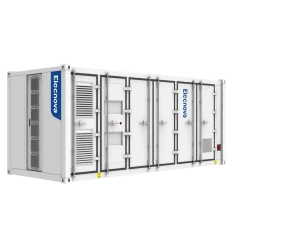
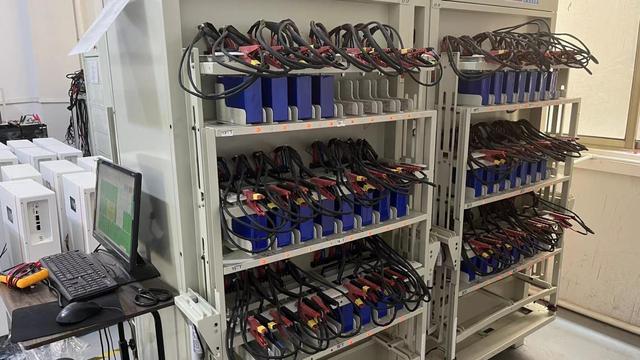
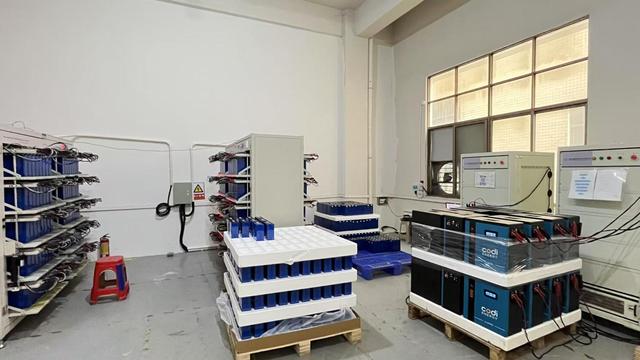
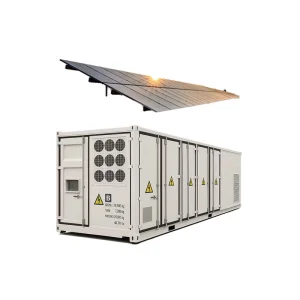
Operating with extensive testing facilities and certified compliance infrastructures (undergoing ISO 9001, CE, UN38.3, UL 1973, and IEC 62619 standards), our technical divisions execute turnkey system integrations. These projects range from 5 kW residential hybrid solutions to massive 3.14 MWh utility-scale liquid-cooled containerized BESS arrays. By optimizing the thermodynamic, physical, and electrical characteristics of LiFePO4 cells, CCSC Energy guarantees maximum longevity and safety.
The worldwide commercial and industrial (C&I) sectors currently face a dual dilemma: unprecedented grid volatility combined with strict decarbonization directives. Globally, energy efficiency is no longer simply about using fewer kilowatt-hours; it relies heavily on temporal alignment—ensuring power is stored when generation costs are minimal and injected during periods of high demand. As national grids adapt to intermittent solar and wind feeds, mechanical inertia is lost, resulting in frequency deviations and voltage drops that compromise industrial processes.
In North America and Western Europe, market dynamics such as peak-demand billing structures (coincident peak pricing) and high-density grid connectivity fees are prompting commercial enterprises to deploy modular, containerized BESS units. In Southeast Asia, Central America, and island nations, industrial systems rely on hybrid microgrids to bypass unreliable or absent national infrastructure. These microgrids dynamically switch between solar arrays, backup diesel generators, and heavy-duty battery storage banks.
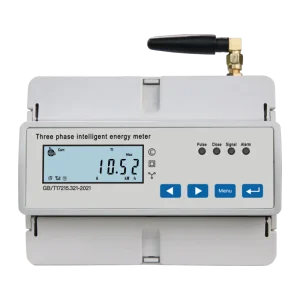
China, as the leading hub for battery raw materials and energy system assembly, is driving down the levelized cost of storage (LCOS). This manufacturing efficiency allows factories worldwide to deploy smart energy monitors, three-phase four-wire kWh meters, and high-accuracy telemetry systems. These technologies enable facilities to measure energy consumption patterns in real time down to the sub-circuit level, optimizing power distribution across all facility operations.
The development roadmap for global energy supply efficiency is guided by several critical macroeconomic trends:
Transitioning from basic battery modules to smart storage systems that feature machine-learning EMS controllers. These algorithms predict peak demand, manage active thermal cycles, and execute real-time power routing to minimize operating costs.
Replacing traditional forced-air system cooling with liquid-to-plate architectures. This reduces cell-to-cell temperature variations to less than 2.5°C, extending battery lifecycles by up to 30% and significantly lowering fire hazards.
While Lithium Iron Phosphate (LiFePO4) remains the industry standard due to safety and cost, developments in Vanadium Redox Flow batteries and solid-state batteries are expanding the capabilities of long-duration grid storage.
To reach a net-zero carbon future, the focus must shift from simple energy collection to smart distribution. Standard LFP battery storage packs suffer from gradual capacity loss, self-discharge, and DC-to-AC conversion degradation. CCSC Energy addresses these issues with its technical engineering roadmap, designed to maximize round-trip efficiencies (RTE) through the integration of the following systems:
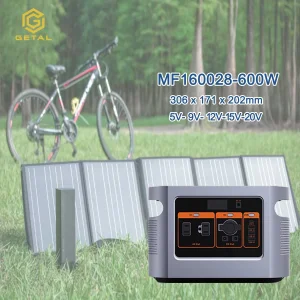
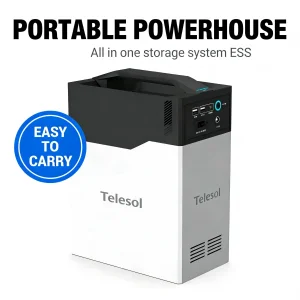
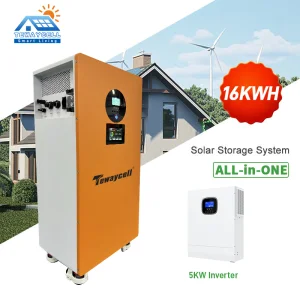
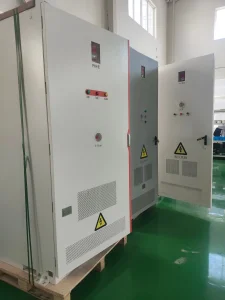
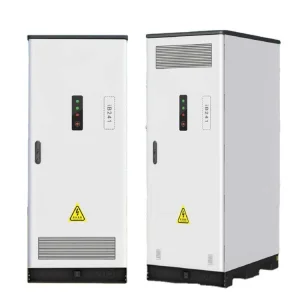
Efficient power distribution requires solutions tailored to specific operating scales. CCSC Energy structures its product offerings into three main tiers:
Crucial industrial insights compiled by our lead research and development engineers
Class 0.5 accuracy means the deviation in power monitoring measurements is restricted to within ±0.5%. For commercial and industrial facilities operating high-tonnage machines, precise phase tracking is essential for calculating peak demands. Without this precision, EMS systems cannot accurately control high-rate discharge cycles, which can lead to billing errors and reduced system performance.
Liquid cooling systems circulate a glycol-water mixture directly through plates integrated with the battery cells, providing up to three times the thermal conductivity of forced air. This keeps cell-to-cell temperatures uniform, preventing localized hotspots and thermal runaway. In contrast, air cooling relies on convection, which can lead to temperature gradients in high-capacity systems like 3.14 MWh setups, accelerating cell degradation.
A hybrid grid system integrates solar power, battery storage, and generator backups. Managed by an intelligent EMS, the system monitors grid stability in real time. If the main grid drops, the system isolates the local network and switches to battery backup in milliseconds, keeping critical machinery running without interruption.
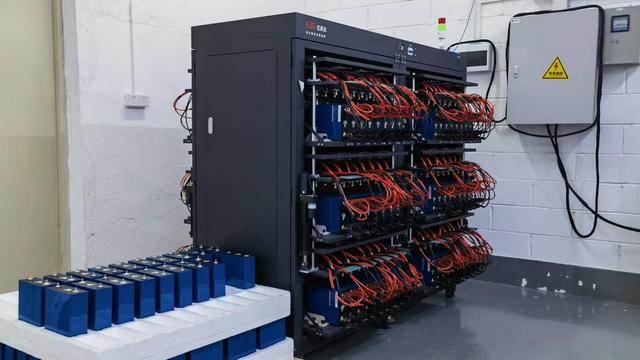
Our battery cabinets feature multi-stage safety protection. The process starts with a high-performance BMS that monitors voltage and temperature at the cell level. In the event of an anomaly, the system shuts down the affected rack. The physical cabinets are IP54 rated for weather resistance and include automated fire suppression systems, deflagration vents, and gas sensors to prevent issues from escalating.
Vanadium Redox Flow Batteries (VRFB) are well-suited for long-duration applications (over 8 hours) because they store energy in external liquid tanks. This design decouples energy capacity from power output, enabling decades of charge cycles without cell degradation. However, LiFePO4 batteries remain preferred for projects requiring high power output, compact size, and rapid response times.
Commercial high-power grid integration, backup systems, and smart residential storage arrays
 CCSC Energy