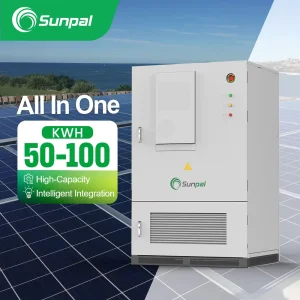
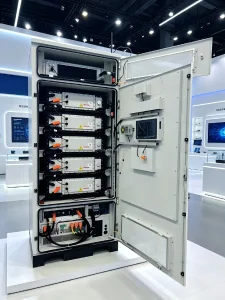
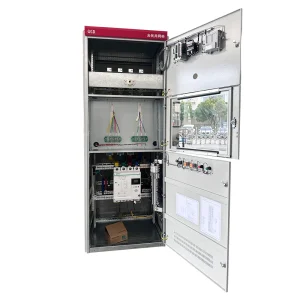
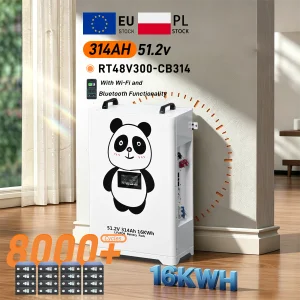
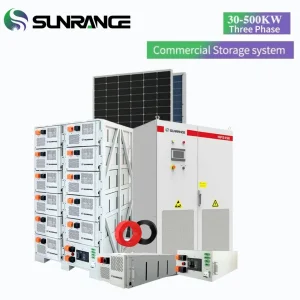
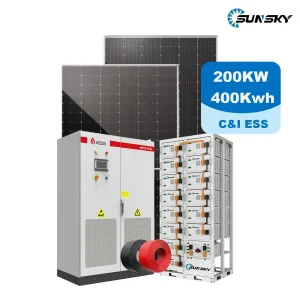
The global transition from fossil-fuel-dominated grids to highly decentralized, renewable energy assets has created a fundamental operational challenge: systemic volatility. Solar and wind energy, though clean and increasingly cost-competitive, generate power in response to weather conditions, not grid demand. This mismatch requires high-performance, industrial-grade Clean Power Storage Solutions capable of millisecond-level response times, long-term cycle resilience, and exceptional safety. In this landscape, battery energy storage systems (BESS) have transitioned from supplementary reserves to primary grid-stabilization assets.
Today's utility, commercial, and industrial (C&I) sectors require complete system integration. This means pairing electrochemical cells with optimized Power Conversion Systems (PCS), thermal mitigation setups, and intelligent Energy Management Systems (EMS). As systems scale from localized kilowatt-hour setups to gigawatt-hour utility deployments, modern developers focus on lowering the Levelized Cost of Storage (LCOS), guaranteeing safety, and ensuring supply chain resilience.
The energy storage industry is undergoing rapid changes driven by chemistry advancements, software-defined control platforms, and thermal safety innovations. Key technology trends shaping global storage projects include:
Lithium Iron Phosphate (LFP) chemistry has become the industry standard for stationary energy storage systems, outpacing Nickel Manganese Cobalt (NMC). The structural stability of LFP chemistry makes it highly resistant to oxygen release under high temperatures, significantly reducing the risk of thermal runaway. Furthermore, LFP's structural integrity allows for over 6,000 charge-discharge cycles at 80% Depth of Discharge (DoD), offering a longer operational lifespan that fits the financial model of large-scale infrastructure investments.
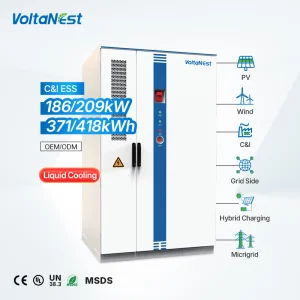
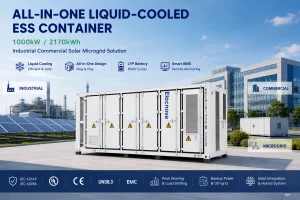
Modern BESS installations require efficient thermal management. While traditional air-cooled configurations remain cost-effective for smaller, lower-duty cycle systems, high-rate utility and commercial applications are shifting toward advanced liquid cooling. Liquid-cooled BESS containers manage temperature differences within the cell cabinet to less than 3°C. This uniform thermal profile prevents uneven cell degradation, maximizes operational capacity, and prevents localized hot spots that can trigger cascading cell failure.
Modern storage hardware relies on intelligent monitoring. Cloud-based Energy Management Systems (EMS) use machine learning algorithms to predict load profiles, forecast solar irradiance, and perform peak-shaving operations. These software solutions monitor parameters down to the cell level, tracking State of Charge (SoC) and State of Health (SoH) in real-time. This helps operators participate in frequency regulation, capacity markets, and demand response programs with minimal latency.
Procuring utility-scale and commercial BESS solutions involves analyzing long-term lifecycle economics, regulatory compliance, and grid integration capabilities. Enterprise buyers must evaluate several technical criteria to ensure project success:
LCOS measures the total lifetime cost of energy discharged. Procurement managers evaluate the initial Capital Expenditure (CAPEX) alongside long-term Operational Expenditures (OPEX), degradation rates, round-trip efficiency (RTE), and recycling costs to calculate long-term value.
BESS installations must meet strict regional grid requirements, such as IEEE 1547 in North America and European EN 50549. Systems need to provide rapid reactive power compensation, active frequency response, and low-voltage ride-through (LVRT) to support grid stability.
Third-party testing is essential for project finance and insurance. Enterprise systems must carry certifications like UL 1973 (battery packs), UL 9540 (system safety), and UL 9540A (thermal runaway propagation testing), ensuring they meet strict local fire protection codes.
By working directly with Tier-1 manufacturers in China, global procurement teams can optimize their BESS designs to meet local standards. This cooperative engineering approach minimizes design risks, shortens project timelines, and ensures long-term return on investment.
China's energy storage manufacturing sector has transitioned from assembly-focused operations to advanced, vertically integrated Factory 4.0 production environments. This ecosystem delivers several strategic benefits to international buyers:
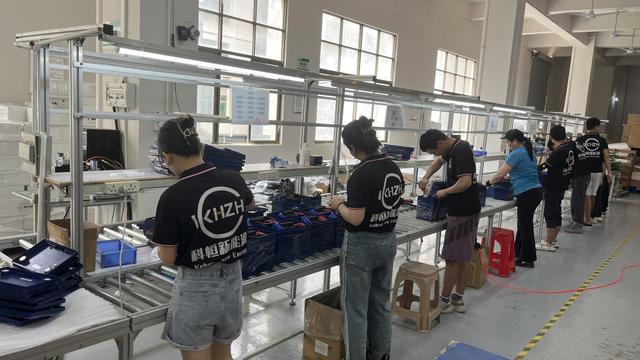
From lithium mining and chemical refining to electrode coating, cell winding, pack assembly, and full system integration, the Chinese BESS supply chain is highly consolidated. This proximity of production steps minimizes transport delays, stabilizes raw material costs, and allows for strict, consistent quality control across the manufacturing cycle.
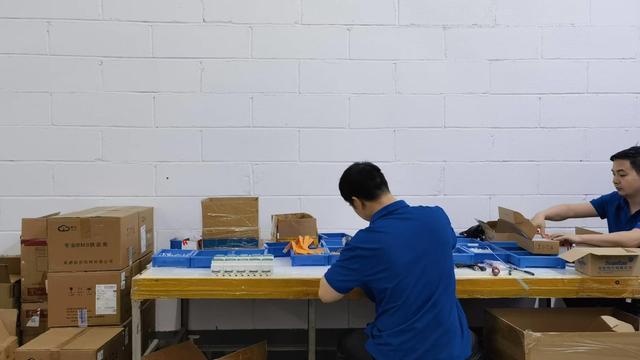
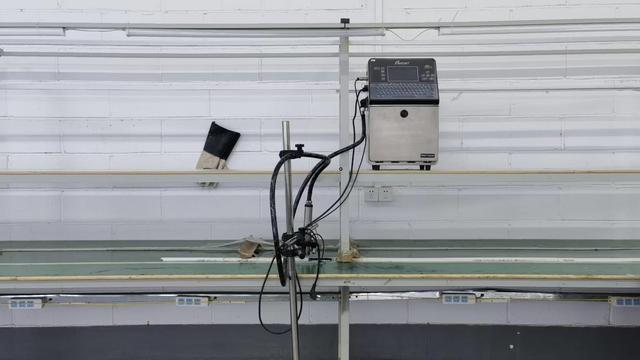
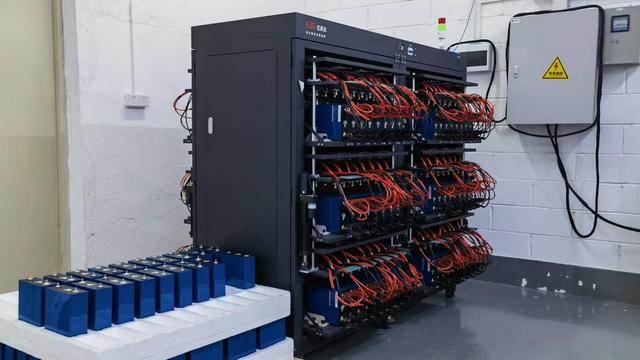
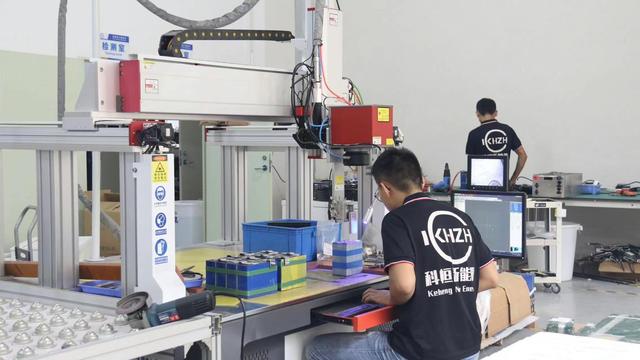
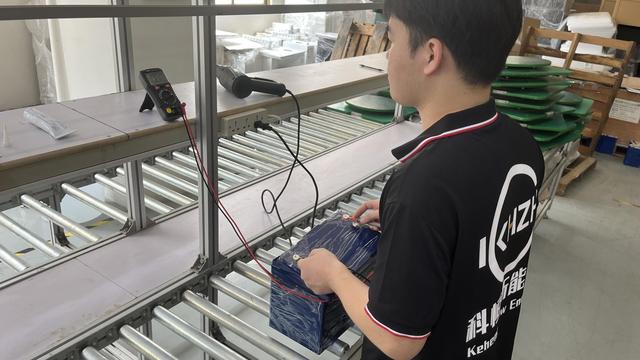
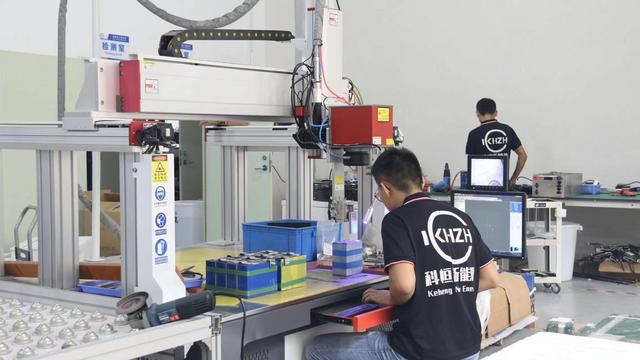
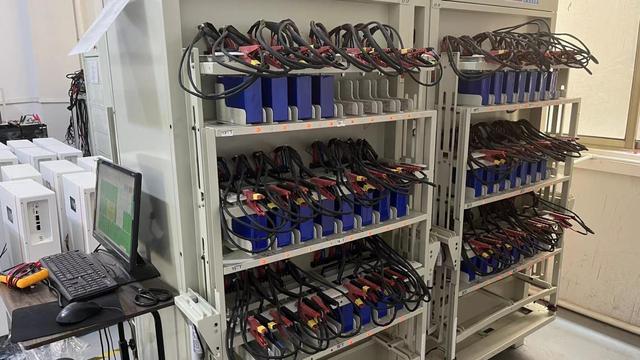
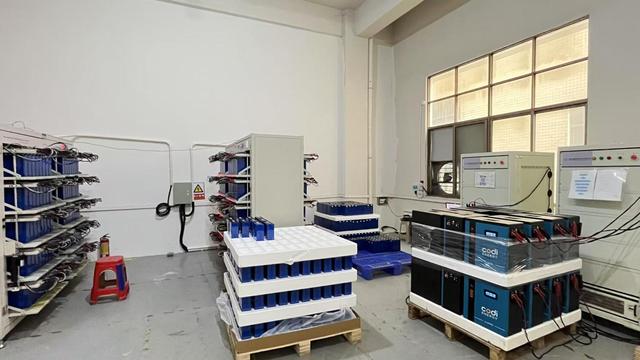
Contemporary factories use advanced automated assembly lines. Automated optical inspection (AOI) systems, laser welding setups, and computerized aging systems verify that every battery module meets strict electrical parameters. This level of automation ensures consistent cell performance, which is vital for maintaining charge balance and preventing premature capacity decay in multi-megawatt systems.
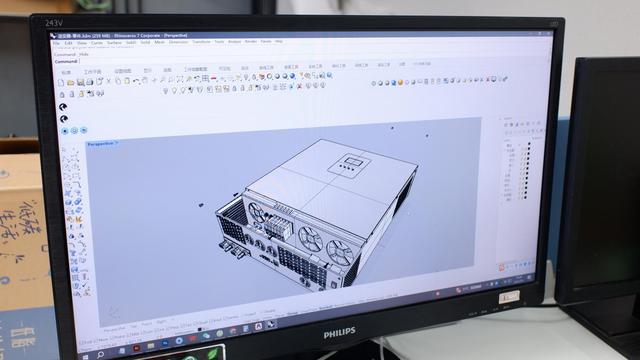
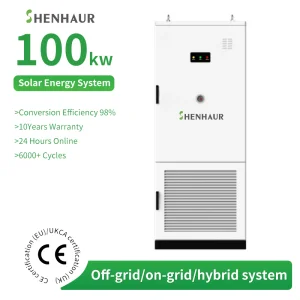
Chinese BESS manufacturers offer extensive design flexibility, allowing systems to be customized for specific project demands. Whether designing an off-grid system for a remote mine, a liquid-cooled outdoor enclosure for a C&I facility, or a containerized system with integrated HVAC, fire suppression, and EMS, local engineering teams can tailor the hardware to match exact operating conditions.
Clean power storage installations must be customized to fit their specific operational role. System designs vary considerably based on the application scenario:
Designed for factories, data centers, and commercial properties, C&I installations focus on peak shaving, load shifting, and power backup. By storing energy during off-peak hours and discharging it during peak demand periods, facilities can lower utility charges and protect sensitive operations from voltage fluctuations.
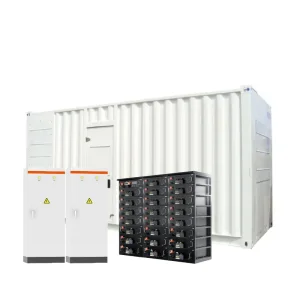
Grid-scale installations, often housed in 20ft or 40ft containers, work alongside large solar and wind farms. These systems absorb excess renewable output during generation peaks and supply it back to the grid when demand rises, helping stabilize the transmission network.
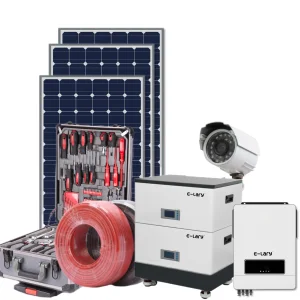
In island communities, remote mining operations, and areas with unreliable grid access, BESS solutions work alongside diesel generators and local solar arrays. The storage system serves as the primary voltage source, maintaining grid frequency and reducing overall fuel consumption.
Hangzhou CCSC Energy Co., Ltd. is a professional Energy Storage System Manufacturer specializing in battery energy storage, renewable power integration, and smart energy solutions for residential, commercial, industrial, and utility-scale applications. Based in Hangzhou, China, the company focuses on developing advanced energy storage technologies that help customers improve energy efficiency, enhance power reliability, and support the transition toward sustainable energy systems.
With expertise in energy storage engineering and system integration, CCSC Energy provides comprehensive solutions covering battery energy storage systems (BESS), renewable energy storage integration, commercial and industrial energy storage, backup power systems, microgrid applications, distributed energy infrastructure, and intelligent energy management platforms. Its solutions are designed to support a wide range of applications, including solar energy utilization, peak demand management, grid stabilization, emergency power supply, and energy cost optimization.
The company is committed to delivering safe, efficient, and scalable energy storage solutions tailored to the needs of modern energy users. Its engineering team works closely with customers, project developers, EPC contractors, and energy service providers to design systems that align with specific operational requirements, performance objectives, and regulatory standards. From project planning and system design to manufacturing and technical support, CCSC Energy offers comprehensive services throughout the project lifecycle.
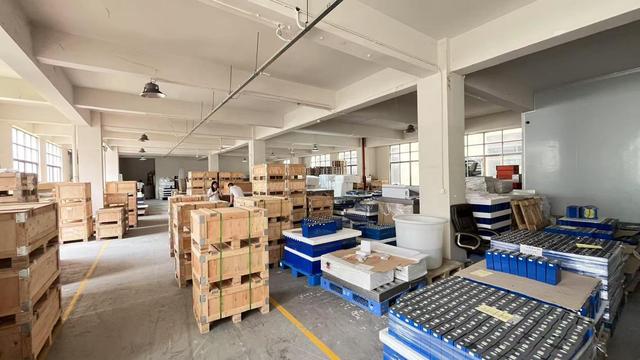
Equipped with advanced manufacturing facilities and stringent quality management processes, the company emphasizes product reliability, operational safety, and long-term performance. Continuous investment in research and development enables CCSC Energy to integrate intelligent monitoring technologies, advanced battery management systems, and smart energy control platforms into its solutions.
Serving customers across Asia, Europe, North America, South America, the Middle East, and other global markets, Hangzhou CCSC Energy Co., Ltd. is dedicated to providing innovative energy storage solutions that support renewable energy adoption, strengthen power resilience, and contribute to a more efficient and sustainable energy future.
 CCSC Energy