Engineered for high thermal performance, extreme cell longevity, and seamless electrical grid synchronization.
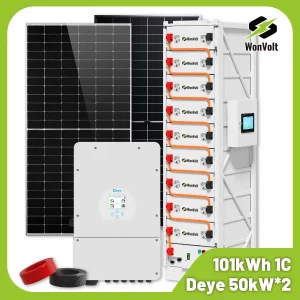
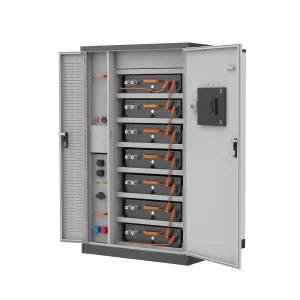
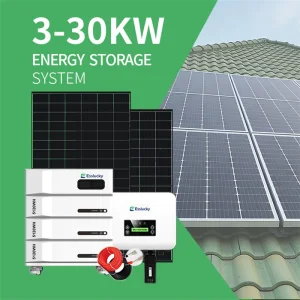
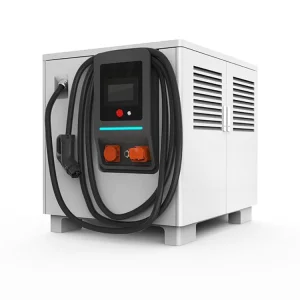
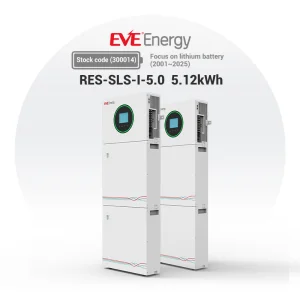
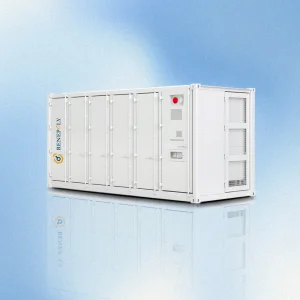
An authoritative analysis on energy transitions, power quality enhancement, and grid-edge decarbonization.
The global transition toward decentralized, decarbonized, and digitized energy networks has transformed modern electrical grids from rigid power delivery systems into highly complex, multi-directional dynamic networks. Smart grid technology represents the confluence of power electronics, Internet of Things (IoT) telemetry, artificial intelligence, and scalable electrochemical energy storage systems (BESS). As renewable energy integration (solar PV and wind power) accelerates toward global targets, electrical grids face unprecedented volatility, bidirectional power flows, and severe frequency deviation challenges.
Leading the world in smart grid hardware production and system integration, top manufacturers in China have established an unparalleled industrial ecosystem. By pairing advanced lithium iron phosphate (LiFePO4) chemistry with intelligent power conversion systems (PCS), Chinese factories supply over 70% of global battery energy storage infrastructure. Modern smart grids require hardware that does not merely store energy, but actively stabilizes grid voltage, provides black-start capabilities, executes millisecond-level frequency regulation, and operates within complex Virtual Power Plant (VPP) frameworks.
High penetration of solar and wind introduces power generation spikes. Containerized BESS installations act as rapid-response buffers, capturing curtailment energy and reinjecting it seamlessly during peak load windows.
Time-of-Use (TOU) electricity pricing schemes force industrial facilities to store energy during off-peak hours and discharge during peak demand tariff windows, drastically reducing demand charges and operational expenses.
Extreme weather events and aging transmission corridors threaten utility continuity. Autonomous microgrids equipped with islanding capabilities protect critical infrastructure from catastrophic utility outages.
Leading Manufacturers of Tier-1 Smart Energy Infrastructure and Integrated BESS Solutions
Hangzhou CCSC Energy Co., Ltd. is a professional Energy Storage System Manufacturer specializing in battery energy storage, renewable power integration, and smart energy solutions for residential, commercial, industrial, and utility-scale applications. Based in Hangzhou, China, the company focuses on developing advanced energy storage technologies that help customers improve energy efficiency, enhance power reliability, and support the transition toward sustainable energy systems.
With expertise in energy storage engineering and system integration, CCSC Energy provides comprehensive solutions covering battery energy storage systems (BESS), renewable energy storage integration, commercial and industrial energy storage, backup power systems, microgrid applications, distributed energy infrastructure, and intelligent energy management platforms. Its solutions are designed to support a wide range of applications, including solar energy utilization, peak demand management, grid stabilization, emergency power supply, and energy cost optimization.
The company is committed to delivering safe, efficient, and scalable energy storage solutions tailored to the needs of modern energy users. Its engineering team works closely with customers, project developers, EPC contractors, and energy service providers to design systems that align with specific operational requirements, performance objectives, and regulatory standards. From project planning and system design to manufacturing and technical support, CCSC Energy offers comprehensive services throughout the project lifecycle.
Equipped with advanced manufacturing facilities and stringent quality management processes, the company emphasizes product reliability, operational safety, and long-term performance. Continuous investment in research and development enables CCSC Energy to integrate intelligent monitoring technologies, advanced battery management systems, and smart energy control platforms into its solutions.
Serving customers across Asia, Europe, North America, South America, the Middle East, and other global markets, Hangzhou CCSC Energy Co., Ltd. is dedicated to providing innovative energy storage solutions that support renewable energy adoption, strengthen power resilience, and contribute to a more efficient and sustainable energy future.
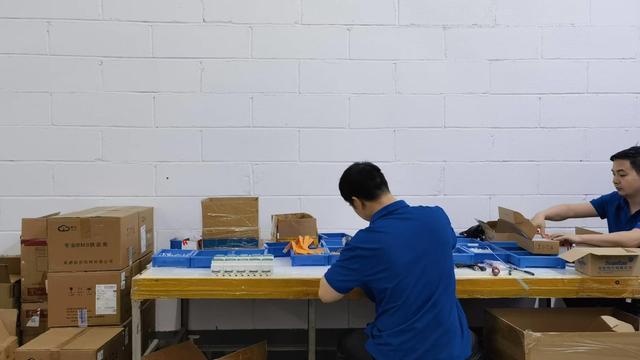
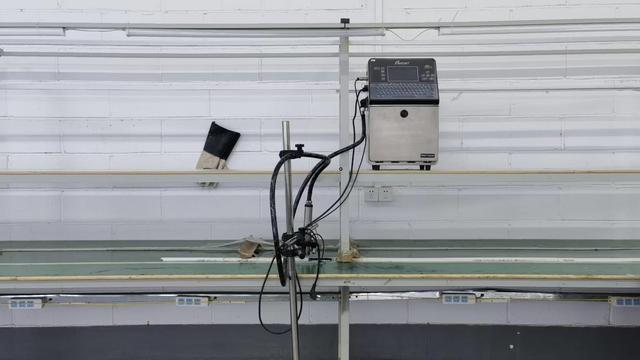
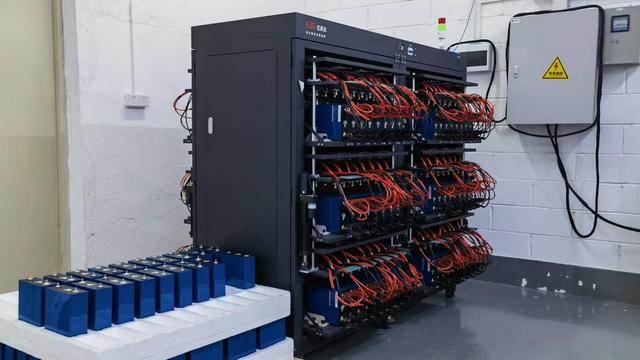
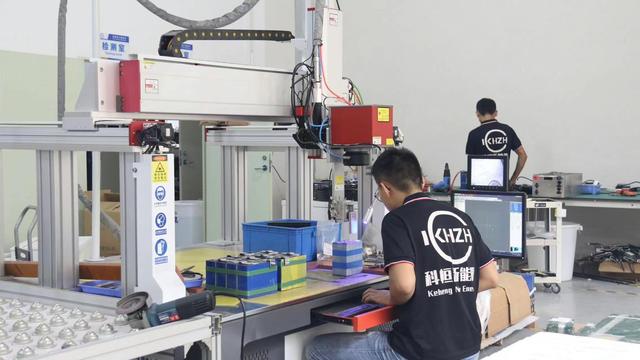
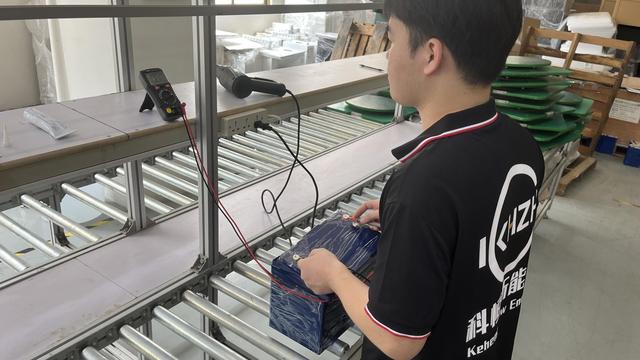
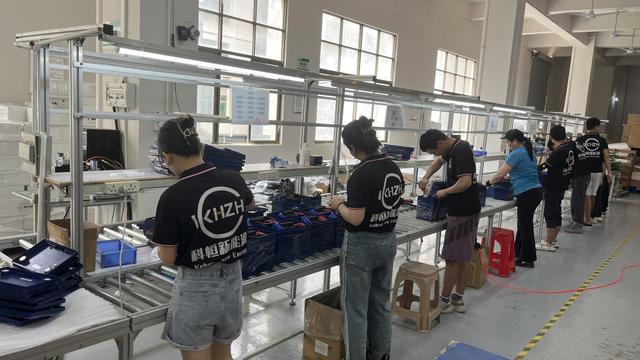
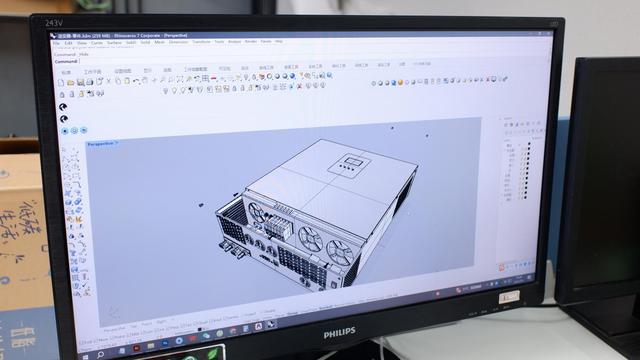
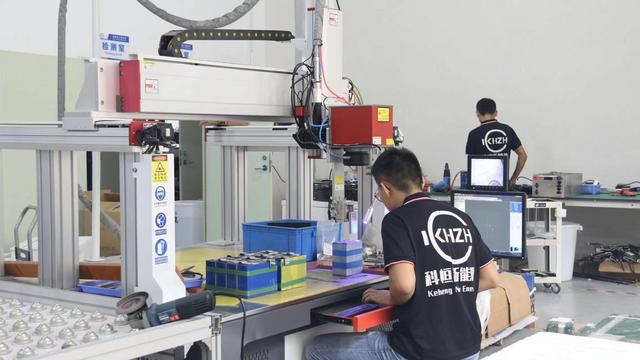
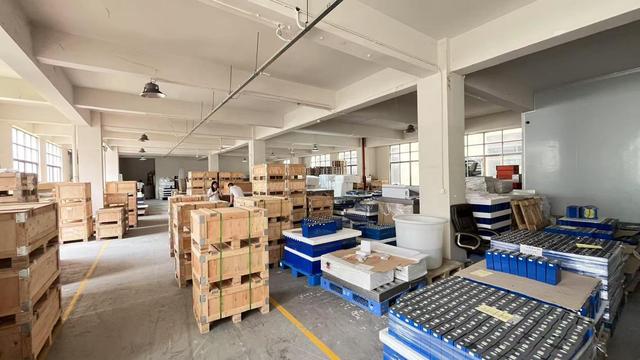
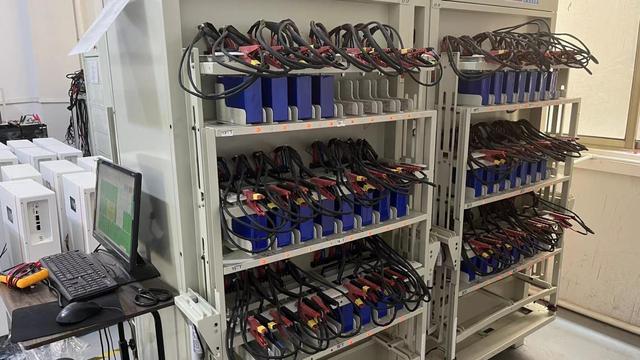
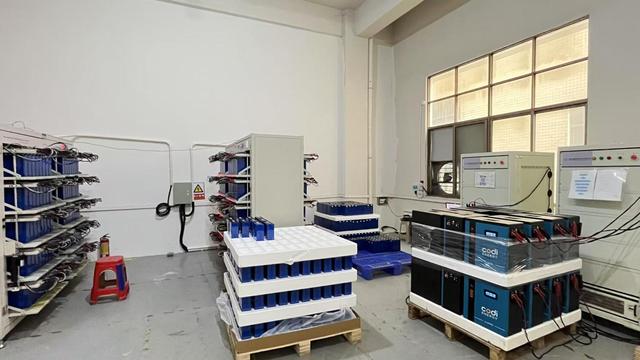
System Engineering Matrix: Thermal Dissipation, Battery Management Systems (BMS), and Power Conversion Technologies
Modern Smart Grid infrastructure requires uncompromising thermal and electrical management systems. As energy density increases within containerized energy storage units (up to 3.35MWh or 5MWh per standard 20ft ISO container), managing internal battery cell temperatures becomes critical for preventing thermal runaway, ensuring uniform aging, and maximizing round-trip efficiency (RTE).
| Architecture Feature | Conventional Air Cooling | CCSC Smart Liquid Cooling | Grid-Edge System Impact |
|---|---|---|---|
| Temperature Uniformity | Cell-to-Cell ΔT ≤ 5°C | Cell-to-Cell ΔT ≤ 2.5°C | Extends battery cycle life by up to 20% |
| Auxiliary Energy Loss | High (Parasitic Fan Loads) | Low (Optimized Pump Flow Rates) | Increases System RTE to over 90% |
| Volumetric Energy Density | Standard Density (~150kWh/m³) | High Density (>250kWh/m³) | Reduces factory footprint by 35% |
| Ingress & Environmental Protection | IP54 Typical | IP65 Total Isolation | Resistant to high humidity, dust, and salt spray |
| Thermal Runaway Suppression | Zoned Aerosol Suppression | Pack-Level Liquid Fire Mitigation + Gas Sensor | Full compliance with UL 9540A & NFPA 855 |
A fundamental advancement in smart grid architecture is the shift from Grid-Following power conversion systems (PCS) to Grid-Forming (GFM) virtual synchronous generator technologies. While conventional grid-following inverters rely on a strong external AC voltage signal provided by traditional power plants, Hangzhou CCSC Energy's advanced GFM inverters independently synthesize voltage and frequency waveforms. This capability provides artificial inertia, supports instant black-start recovery during grid collapse, and stabilizes isolated regional microgrids without fossil-fuel spinning reserve generators.
Tailored deployment models delivering maximum ROI across diverse industrial, commercial, and utility sectors.
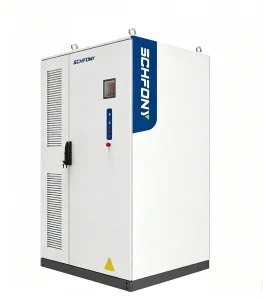
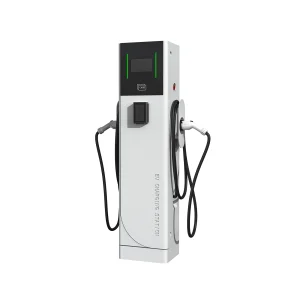
Ultra-fast EV charging stations require megawatts of sudden grid power, often exceeding local transformer capacities. By deploying modular BESS units—such as the 60KW Mobile EV Fast Charger or containerized 215kWh storage cabinets—operators can buffer grid demand, store energy during low-tariff periods, and deliver rapid high-power charging without expensive utility grid upgrades.
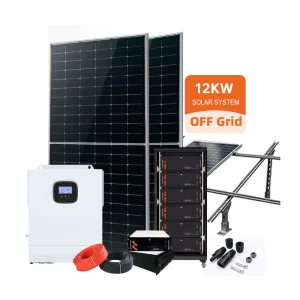
Off-grid locations relying on diesel generation face exorbitant fuel delivery costs and high carbon footprints. Off-grid LiFePO4 BESS systems combined with solar arrays form self-sustaining microgrids. Intelligent EMS algorithms dynamically load-balance generation sources, reducing diesel consumption by over 75% while guaranteeing uninterrupted 24/7 power.
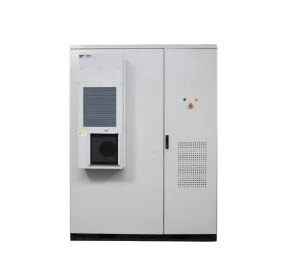
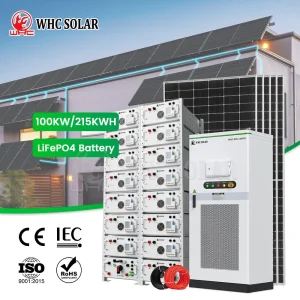
Manufacturing plants, data centers, and commercial hubs experience severe penalty tariffs for demand peaks. CCSC Energy’s C&I cabinets (100kW/215kWh to multi-MW containers) enable automated peak shaving, dynamic load shifting, and reactive power compensation, delivering rapid project paybacks (typically within 3.5 to 5 years).
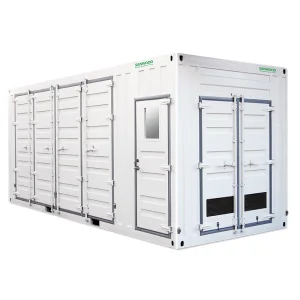
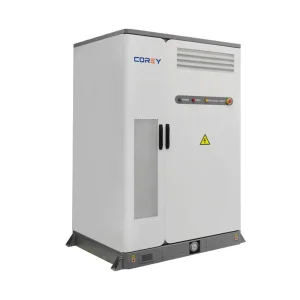
Utility operators require sub-second power injection or absorption to stabilize grid frequency around 50Hz/60Hz. Utility scale containerized BESS solutions (e.g., 1000kW/2150kWh LiFePO4 systems) respond in under 10 milliseconds, participating in lucrative frequency response markets while reinforcing regional grid reliability.
Next-Generation Innovation Trajectory: Solid-State Cells, AI-Predictive Analytics, and Cloud VPP Integration
As the smart grid market evolves, hardware manufacturing excellence must be combined with artificial intelligence and advance material science. Hangzhou CCSC Energy Co., Ltd. continuously re-invests in research and development to align with key technology milestones over the coming decade:
Expert insights addressing system engineering, compliance, procurement, and integration.
Scalable, reliable, and compliant storage units built for commercial, industrial, and residential power resiliency.
 CCSC Energy