Explore our primary array of high-grade lithium-iron phosphate battery integration kits, commercial PCS microgrid configurations, and smart energy optimization solutions designed for critical reliability.
As global utility companies, commercial complexes, and manufacturing facilities push toward zero-carbon mandates, intermittent green energy sources like solar photovoltaics and wind turbines present profound load challenges to local distribution networks. Solving this requires deep integration of utility-grade utility-scale Battery Energy Storage Systems (BESS).
Hangzhou CCSC Energy Co., Ltd. stands at the forefront of this global energy paradigm transition. As a professional, vertically integrated Energy Storage System Manufacturer, CCSC Energy specializes in state-of-the-art battery energy storage, localized renewable power integration engineering, and intelligent, multi-layer EMS/BMS platforms. Headquartered in the technological hub of Hangzhou, China, our company utilizes proprietary advancements in battery topologies to develop advanced systems that improve global operational efficiency, strengthen electrical grid structures, and minimize levelized cost of energy (LCOE) transitions.
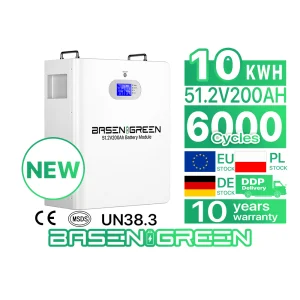
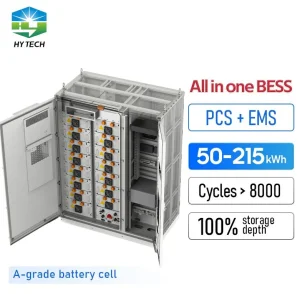
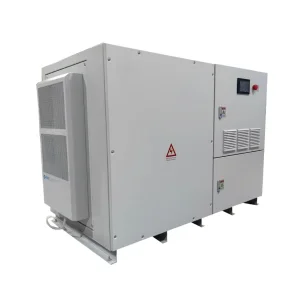
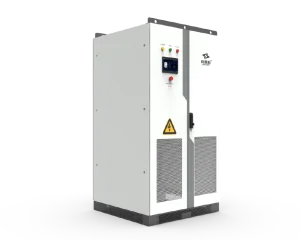
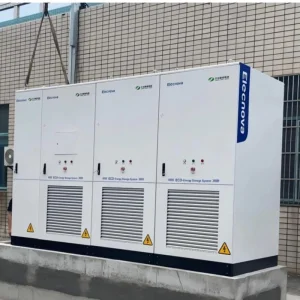
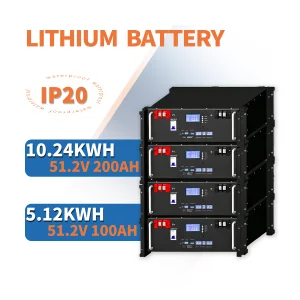
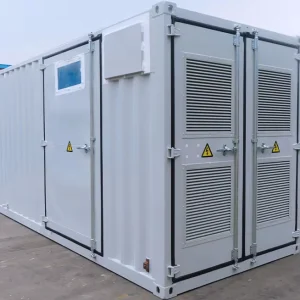
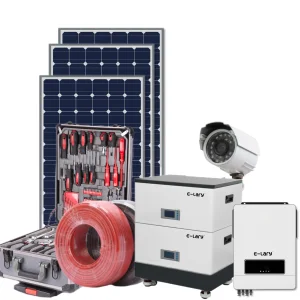
With extensive industry engineering credentials and complex system integration competencies, CCSC Energy supplies complete, turnkey solutions. These solutions encompass multi-megawatt-hour containerized liquid cooling systems, advanced hybrid microgrid power conversion systems (PCS), intelligent commercial demand controllers, and high-safety residential stackable battery configurations.
Understanding the interface between electrochemistry, conversion topologies, and smart management layers.
Utilizing Grade-A+ Lithium Iron Phosphate (LiFePO4) cell chemistry guarantees optimal safety and cycle longevity. Compared to traditional cobalt-based setups, LFP chemistry maintains excellent thermal stability, eliminating runaway hazards up to elevated thresholds, and easily delivers over 6,000 deep discharge cycles at 80% Depth of Discharge (DoD).
We employ both advanced liquid cooling solutions and active forced-air ventilation arrays. Our signature liquid-cooled BESS ensures cell-to-cell temperature variations are strictly restricted within ±2°C. This uniform thermal profile reduces localized aging effects, extending overall BESS operating lifespan by up to 20%.
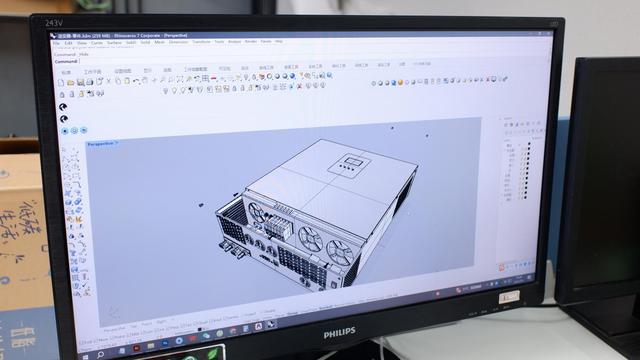
Operating dynamically across on-grid and off-grid configurations, the Power Conversion System (PCS) serves as the system's brain. CCSC's three-phase systems support rapid grid stabilization, black-start capabilities, synthetic inertia, and reactive power injection for heavy industrial loads.
Unlocking unmatched economic efficiencies and technological agility through integrated industrial clusters in Zhejiang and neighboring battery manufacturing hubs.
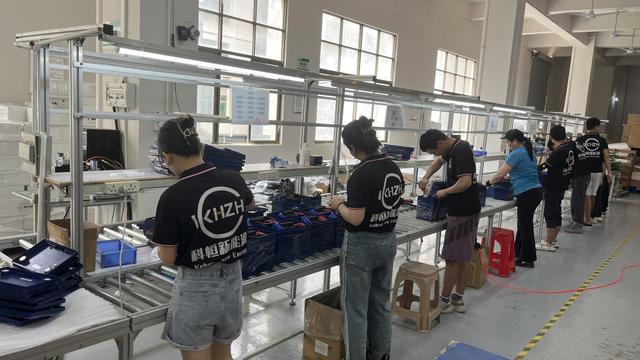
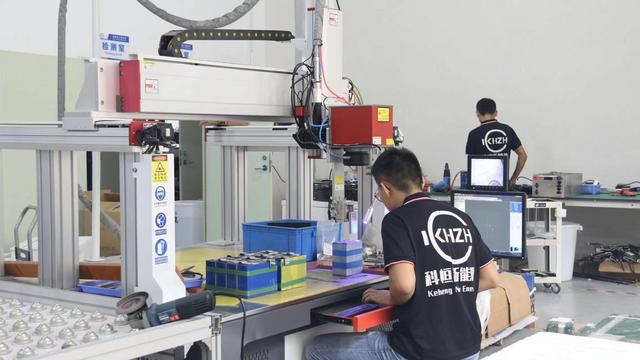
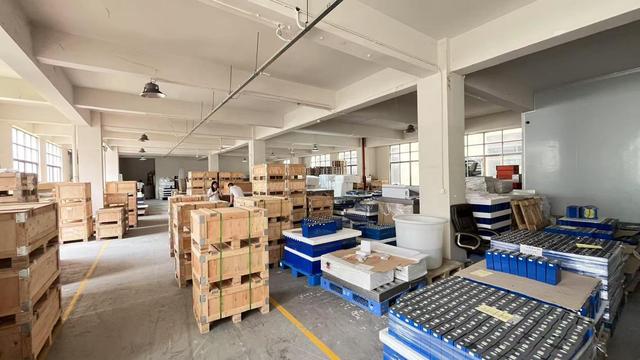
The global transition to sustainable energy is heavily dependent on manufacturing supply chains. Hangzhou CCSC Energy Co., Ltd. sits at the heart of China's advanced new energy manufacturing corridor. This strategic location offers unique advantages:
An objective, engineering-focused comparison of thermal technologies for long-term project planning.
| Performance Indicator | Liquid Cooling System (1MWh - 30MWh) | Active Air-Cooling System | Impact on Owner's LCOS / ROI |
|---|---|---|---|
| Temperature Uniformity | Cell-to-cell delta < 2.0°C | Cell-to-cell delta < 5.0°C | Better thermal management reduces localized battery wear. |
| Energy Density (MWh per m²) | Up to 3.2MWh per 20ft Container | Approx. 1.8MWh per 20ft Container | Requires less land, reducing civil works and installation costs. |
| Parasitic Power Draw | ~3.5% of overall system capacity | ~5.2% of overall system capacity | Lower auxiliary losses mean more energy can be sold to the grid. |
| Acoustic Noise Levels | < 65 dB at 1m | > 78 dB at 1m (fans running) | Suitable for strict zoning in suburban and commercial locations. |
| Asset Lifetime Expectancy | 15 Years (at 6000 cycles) | 10-12 Years (under intense cycle profiles) | Delays replacement timelines, improving overall project returns. |
Removing regulatory barriers for smooth integration with local transmission and distribution networks.
A primary challenge for international BESS buyers is aligning hardware with local electrical codes and grid regulations. At Hangzhou CCSC Energy, compliance is integrated directly into our design process. Every system we produce is designed and built to meet the requirements of local jurisdictions:
For US and Canadian markets, our systems are certified to UL 9540 (standard for safety of energy storage systems) and UL 1973 (for battery packs in stationary applications). We also utilize specialized UL 9540A unit-level thermal runaway testing data to simplify local municipal permitting and fire department approvals.
Our configurations comply with EU directives, holding certifications under CE, EN 62477-1, IEC 62619 for safety, and EN 50549-1/2 for grid-connection compliance. This ensures seamless integration with European low-voltage and medium-voltage networks.
Through agreements with global engineering partners, we support on-site installation, system commissioning, local utility testing, and ongoing field maintenance. This ensures immediate support, minimizing downtime and keeping systems operating at peak performance.
Key criteria to evaluate when sourcing utility and commercial-scale BESS solutions from China.
Procuring large-scale utility battery storage solutions requires careful evaluation of technical specifications, long-term performance guarantees, and logistical execution. Enterprise buyers should focus on the following key metrics:
Ensure the factory provides a written warranty specifying maximum annual capacity degradation. CCSC Energy guarantees retention levels above 80% after 10 years of daily deep cycling, backed by cell quality control data.
The Energy Management System (EMS) must support standard communication protocols such as Modbus TCP/IP, DNP3, and CAN bus. This ensures seamless communication between the BESS, local SCADA systems, and solar PV plants.
Require Factory Acceptance Testing (FAT) before shipment. We provide detailed records of complete string charge-discharge cycles, high-voltage insulation checks, and thermal imaging profiles for every unit shipped.
Innovative energy storage applications driving transition in diverse fields.
Modern grid infrastructure demands systems that go beyond basic energy storage. The industry is moving toward integrated, intelligent power networks:
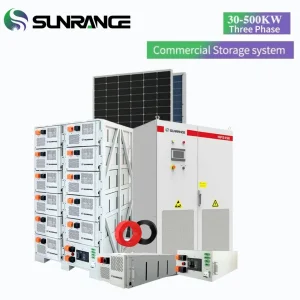
For commercial facilities and manufacturing plants, our energy storage solutions help manage peak demand charges. By storing energy during off-peak hours and discharging during peak rates, businesses can significantly reduce their overall electricity costs.
In areas with limited grid access, such as remote resorts, construction sites, and agricultural facilities, our hybrid microgrid systems combine solar PV, energy storage, and diesel generation. This approach provides reliable power while minimizing fuel costs and emissions.
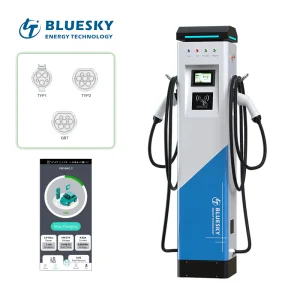
As EV adoption grows, fast-charging stations create high peak loads on local distribution grids. Integrating localized battery storage buffers these spikes, protecting grid stability and avoiding costly electrical upgrades.
Direct answers to common technical, commercial, and operational questions.
Browse our range of high-efficiency enterprise storage systems, floor-mounted EV chargers, and hybrid energy solutions.
 CCSC Energy