Explore our premium commercial, industrial, and utility-scale energy storage hardware designed for high duty cycle load management.
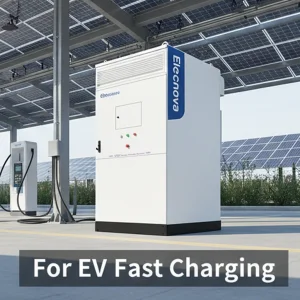
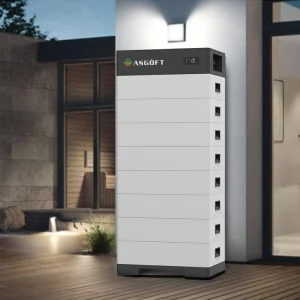
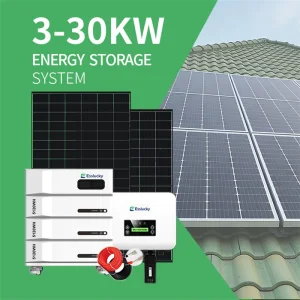
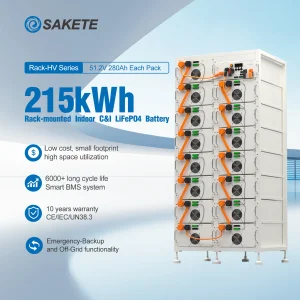
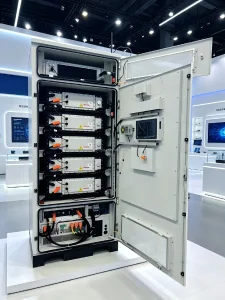
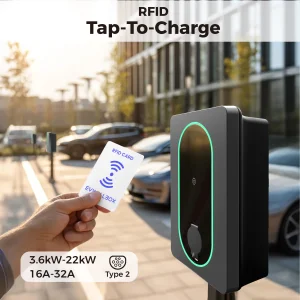
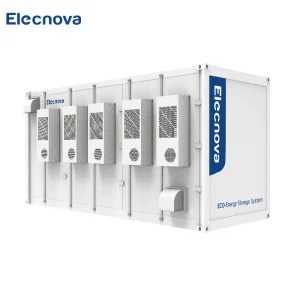
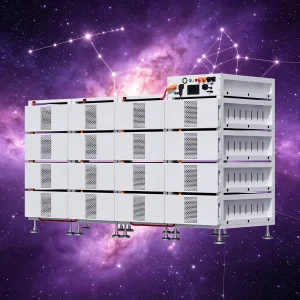
As dynamic energy markets face unprecedented stress due to volatile consumer demand, extreme climatic variations, and the systemic integration of intermittent renewables (wind and solar), the economic logic of energy distribution must evolve. Peak shaving has transitioned from a niche power quality objective to a core financial strategy for utility networks and high-tariff industrial consumers. By storing excess power during times of low demand and discharging it during intervals of critical consumption peak, operations drastically lower demand charges—often comprising 30% to 50% of commercial electrical overheads.
This shifting regulatory paradigm forces international grid authorities and corporate operations to implement high-performance, containerized, and modular Battery Energy Storage Systems (BESS). A key aspect of modern deployment is the capacity for rapid C-rate modulation, high round-trip efficiency (RTE), and granular system monitoring via industrial-grade Modbus TCP/IP and CANbus communication architectures. High-efficiency battery solutions act as localized infrastructure, mitigating high transmission losses and protecting operations from sudden localized voltage sags.
Utilizing advanced liquid cooling loops to sustain precise cell temperatures, reducing capacity degradation by up to 25% compared to air-cooled counterparts.
Customized local EMS algorithms autonomously sync with local utility pricing API structures, ensuring rapid charge cycles at lowest cost-per-kWh tariffs.
Engineered in conformity with UL9540A and NFPA 855 standards, utilizing localized aerosol-based fire suppression and gas detection sensors.
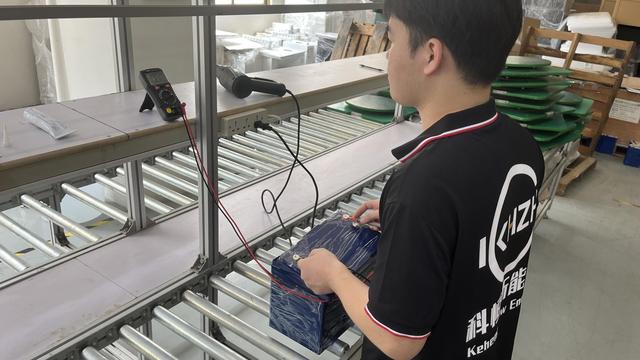
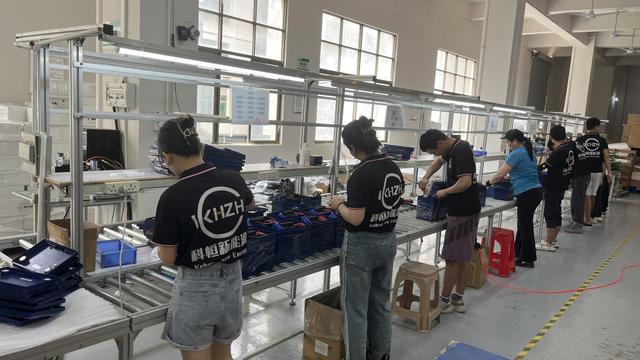
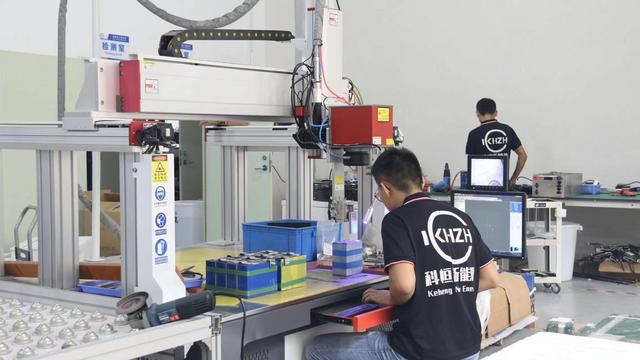
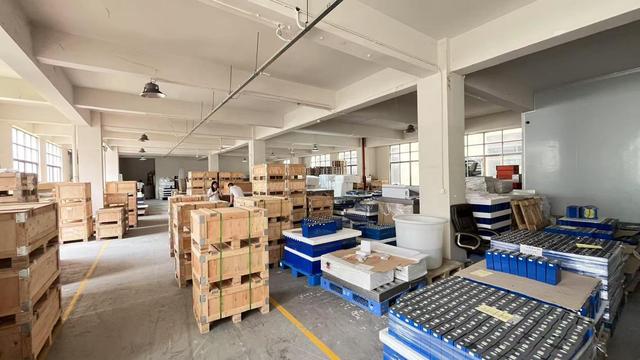
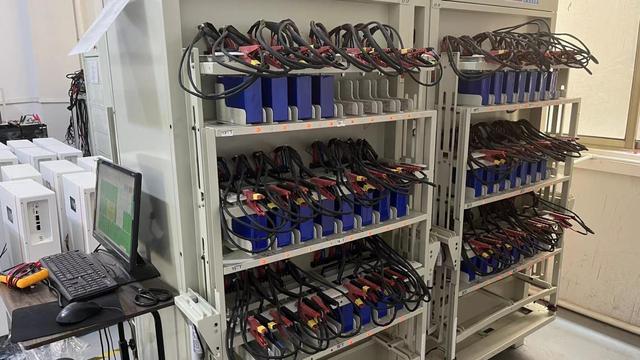
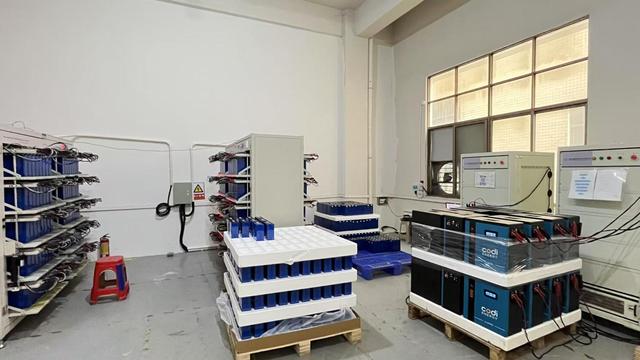
China’s prominence as the preeminent global center for lithium iron phosphate (LiFePO4) cell synthesis and final BESS system integration is supported by unparalleled raw-material supply-chain clustering. By centralizing active cathode chemical manufacturing, advanced current collector foil drawing, and automated laser-welding line assembly, China-based manufacturers like Hangzhou CCSC Energy Co., Ltd. can command structural cost efficiencies that lower overall Capital Expenditures (CAPEX) for worldwide project developers.
Furthermore, this ecosystem fosters rapid R&D integration cycles. The migration from standard 280Ah cells to the latest 314Ah, 530Ah, and 628Ah ultra-high capacity formats is commercialized rapidly inside Chinese industrial complexes, providing international clients with immediate access to greater energy density profiles within standard ISO container parameters.
| Performance Parameter | Standard Industry Solution | Advanced CCSC Energy Spec |
|---|---|---|
| Cell Electrochemistry | LiFePO4 (LFP) | Grade-A LFP (High Density) |
| Round-Trip Efficiency (RTE) | 85% - 88% | ≥ 92% (System Level) |
| Cycle Lifetime (@0.5C/0.5C) | 5,000 cycles | 8,000 - 10,000 cycles |
| Cooling Architecture | Forced Air Cooling | Liquid Cooling (R32 / Glycol) |
| Standard Communications | Basic Modbus RTU | Modbus TCP/IP, CAN, Profinet |
A statistical breakdown of modern energy storage architectures under actual industrial workloads.
Exporting sophisticated high-voltage lithium battery products requires rigorous adherence to international safety certifications, grid-interconnection codes, and complex regional installation guidelines.
At the baseline level, individual battery cells must maintain robust UN38.3 test profiles for secure transport, paired with IEC 62619 and UL 1973 certifications. At the system layer, UL 9540 (Energy Storage Systems and Equipment) and UL 9540A (large-scale fire testing) have become prerequisites for projects across North America and Europe. These standards verify that in the rare event of internal cell thermal runaway, the propagation is successfully contained within the module or cabinet, preventing catastrophic failure of the entire installation.
Furthermore, integration with local grid networks demands compatibility with local interconnection codes such as IEEE 1547 and VDE-AR-N 4110. Systems must dynamically manage both active and reactive power, support grid voltage/frequency fluctuations, and respond to remote dispatch signals from transmission system operators (TSO). Modern BESS installations integrate localized SCADA systems and programmable logic controllers (PLCs) capable of translation across CANbus, Modbus TCP/IP, and DNP3 interfaces, allowing seamless plug-and-play setup in any industrial utility landscape.
Optimized load-management designs targeting heavy manufacturing, fabrication plants, and commercial refrigeration centers using high-frequency cycle setups.
Hybrid solar-diesel-storage topologies that eliminate fuel dependency while maintaining stable synthetic inertia for localized island distribution grids.
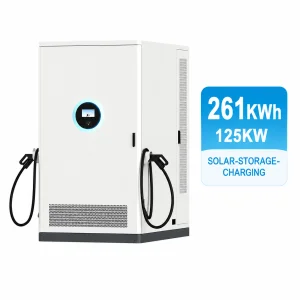
Buffer battery packs that discharge during rapid high-amperage vehicle top-ups, protecting local distribution transformers from severe thermal stress.
An industry-leading Energy Storage System Manufacturer specializing in advanced battery storage engineering, renewable power integration, and smart energy management platforms for residential, commercial, industrial, and utility-scale networks.
Based in the high-tech hub of Hangzhou, China, Hangzhou CCSC Energy Co., Ltd. develops energy solutions that improve overall network efficiency, enhance system reliability, and simplify transition pathways to clean energy profiles. The engineering team covers all integration aspects, from manufacturing Battery Energy Storage Systems (BESS) to establishing microgrid control architectures.
We work closely with project developers, system integrators, EPC contractors, and regional utilities to tailor solutions that fit specific geographic and structural environments. Our strict quality management processes ensure high product reliability, long-term performance, and maximum safety compliance throughout the equipment lifetime.
Serving key regional markets across North America, Europe, South America, Asia, and the Middle East, Hangzhou CCSC Energy Co., Ltd. continues to deliver scalable, advanced energy storage solutions that support clean energy transition efforts.
In-depth responses to critical design and integration queries standard for BESS engineers.
Our systems use high-speed Modbus TCP/IP registers to interface directly with local energy meters and site-wide SCADA hosts. By transmitting real-time active power registers at millisecond-level intervals, the external controller monitors grid-connection points and dispatches charging or discharging commands to the PCS, keeping grid consumption below defined limits.
Liquid cooling systems feature direct liquid-to-plate thermal transfers, maintaining individual cell temperature deltas below ≤2.5°C across the cabinet. Compared to conventional air cooling systems, this prevents localized hot-spots, extends overall battery life by 20% to 30%, and saves up to 35% on auxiliary energy consumption.
UL 9540A test data details the fire characteristics of a battery system during thermal runaway. Obtaining a detailed UL 9540A report allows engineers to reduce required minimum clearance distances to adjacent walls and structures under local NFPA 855 guidelines, lowering localized integration costs and footprint footprints.
LFP chemistry offers higher thermal stability, with a thermal runaway temperature threshold around 270°C compared to approximately 210°C for NMC. Additionally, LFP delivers longer cycle lifetimes (8,000+ cycles at standard DoD profiles) and operates without cobalt or nickel, lowering supply chain risks.
Typical amortization schedules range from 3 to 6 years, depending on localized peak demand charges, utility tariff spreads, regional renewable generation subsidies, and grid service participation rates. Our planning software models operational profiles to maximize NPV over the system’s lifespan.
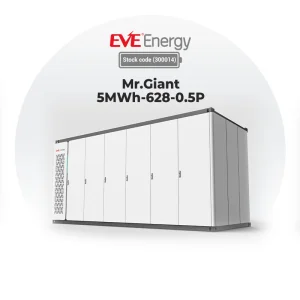
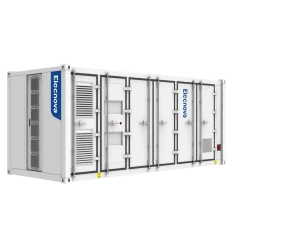
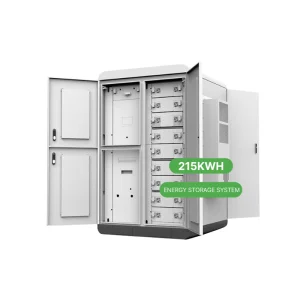
Explore our liquid-cooled containers, high-voltage battery cabinets, and modular home systems.
 CCSC Energy