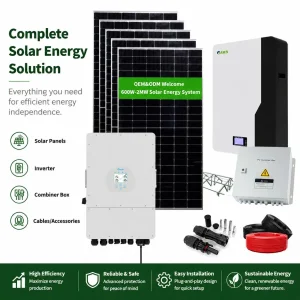
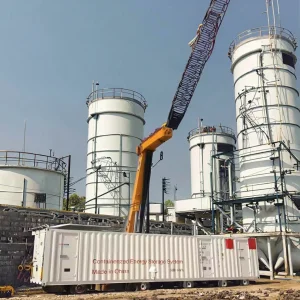
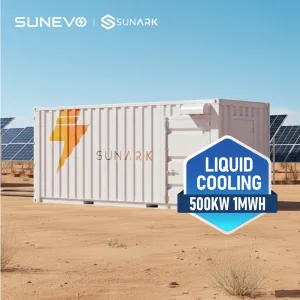
The global transition from fossil-fuel reliance to decarbonized energy systems demands more than basic solar panels or wind turbines. Modern grids face intermittency problems where supply rarely matches demand. Hybrid Renewable Solutions bridge this gap by bundling generation, storage, and intelligent distribution.
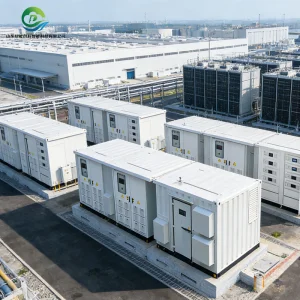
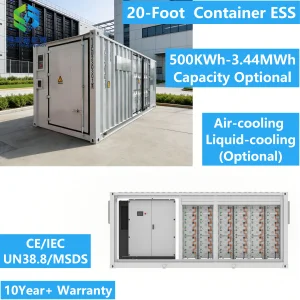
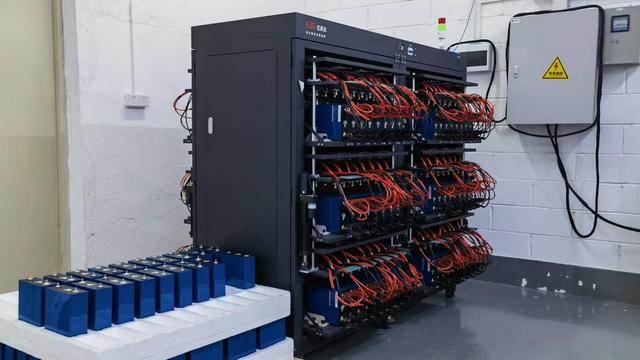
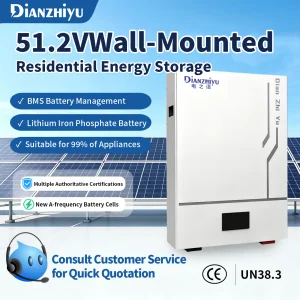
By integrating Lithium Iron Phosphate (LiFePO4) Battery Energy Storage Systems (BESS) directly with solar photovoltaics and wind grids, utility operators can achieve frequency regulation, load-shifting, and black-start capability. Suppliers in China now lead this shift, exporting containerized liquid-cooled solutions that mitigate thermal runaway risk while maintaining small footprints.
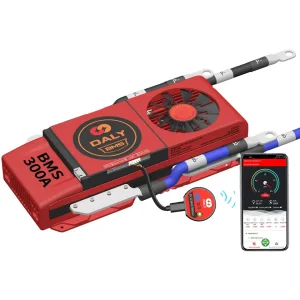
At the heart of any hybrid system is the Battery Management System (BMS) and the **Energy Management System (EMS)**. Without smart monitoring, batteries degrade unevenly, reducing the overall lifespan of the utility array. Active cell balancing systems, like the Daly Smart BMS, actively balance cells with up to 1A of balance current. This prevents localized voltage variances and extends overall battery life.
On a macro scale, all-in-one container solutions utilizing the **BAITU Cloud Intelligent Management System** enable grid operators to run cloud-based analytics, schedule load profiles, monitor health status, and execute protective shut-offs via CAN and RS485 communication protocols. This digital layer transforms simple hardware arrays into active grid-forming assets.
With expertise in energy storage engineering and system integration, CCSC Energy provides comprehensive solutions covering battery energy storage systems (BESS), renewable energy storage integration, commercial and industrial energy storage, backup power systems, microgrid applications, distributed energy infrastructure, and intelligent energy management platforms. Their solutions support solar energy utilization, peak demand management, grid stabilization, emergency power supply, and energy cost optimization.
The company is committed to delivering safe, efficient, and scalable energy storage solutions tailored to the needs of modern energy users. Its engineering team works closely with customers, project developers, EPC contractors, and energy service providers to design systems that align with specific operational requirements, performance objectives, and regulatory standards. From project planning and system design to manufacturing and technical support, CCSC Energy offers comprehensive services throughout the project lifecycle.
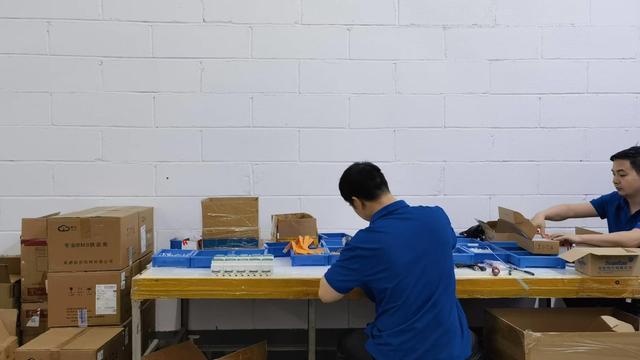
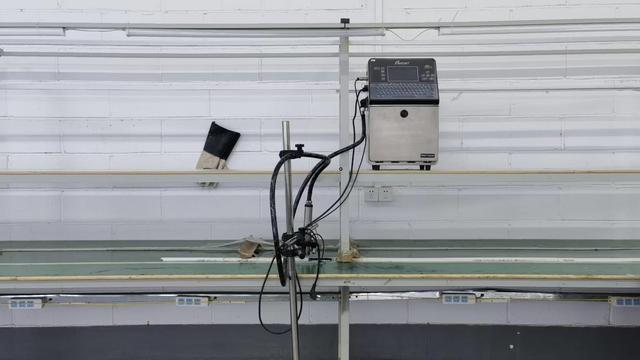
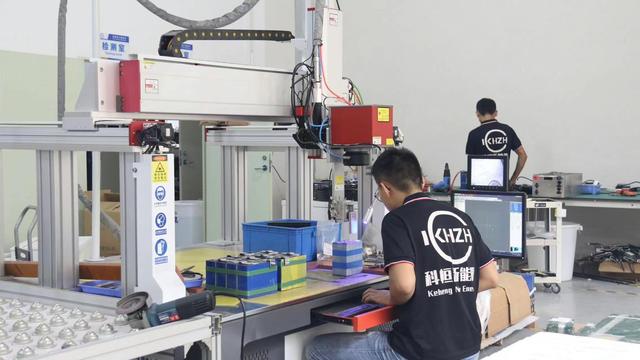
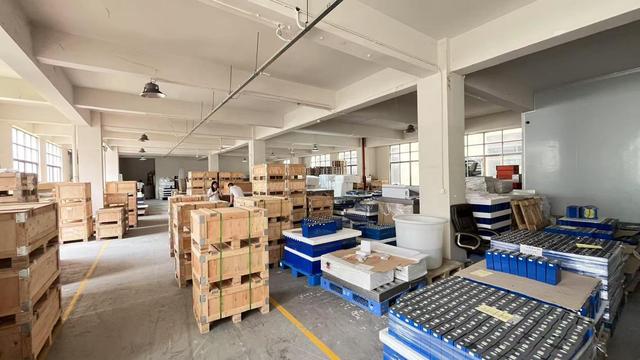
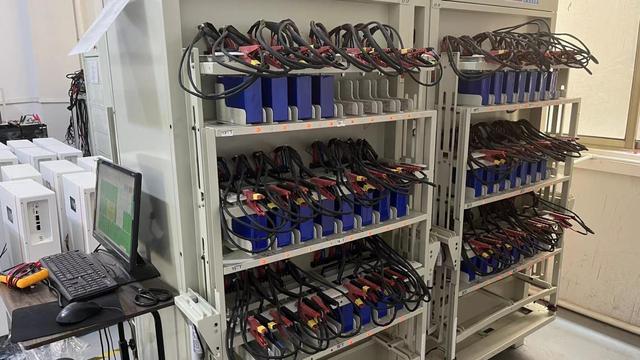
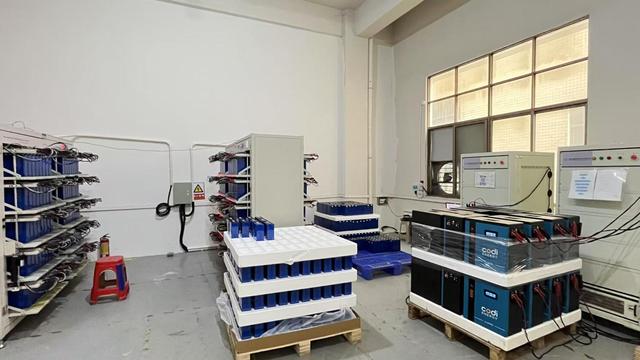
Equipped with advanced manufacturing facilities and stringent quality management processes, the company emphasizes product reliability, operational safety, and long-term performance. Continuous investment in research and development enables CCSC Energy to integrate intelligent monitoring technologies, advanced battery management systems, and smart energy control platforms into its solutions.
Serving customers across Asia, Europe, North America, South America, the Middle East, and other global markets, Hangzhou CCSC Energy Co., Ltd. is dedicated to providing innovative energy storage solutions that support renewable energy adoption, strengthen power resilience, and contribute to a more efficient and sustainable energy future.
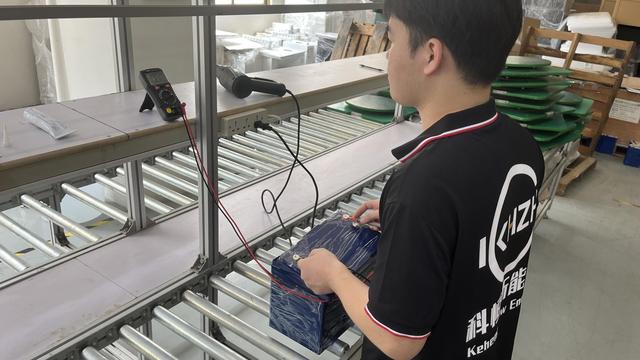
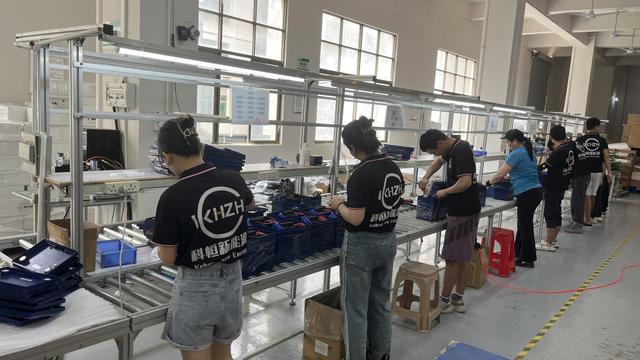
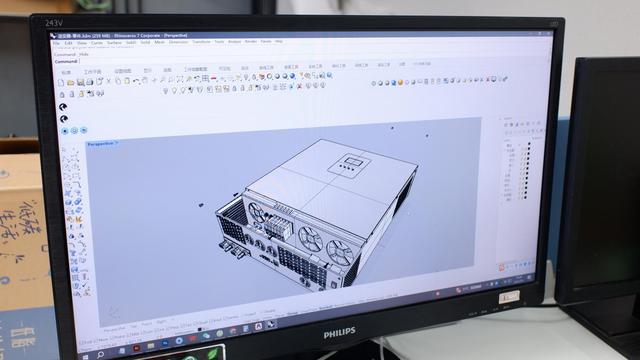
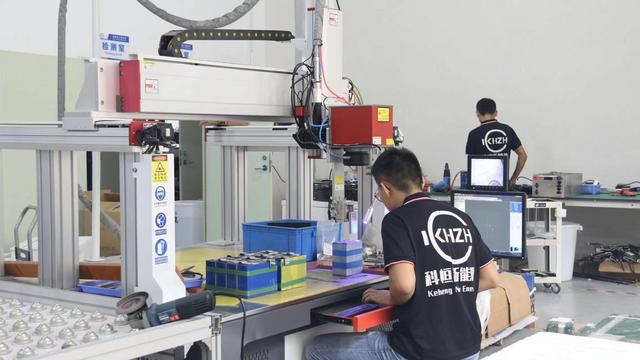
International buyers, developers, and EPC contractors face strict regulatory and utility grid-code requirements when deploying containerized storage systems. For instance, installations in North America must align with **UL 9540A** thermal runaway testing standards and **NFPA 855** fire safety guidelines.
In Europe, systems must meet **CE compliance** alongside regional grid requirements, including EN 50549 for parallel connection. CCSC Energy works to meet these standards. Using advanced monitoring tools like the RS485 Three-Phase Smart Controller, systems ensure compliance with local utility dispatch and telemetry rules.
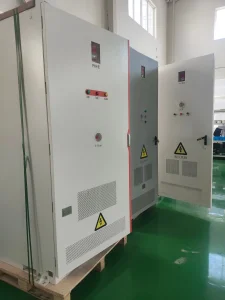
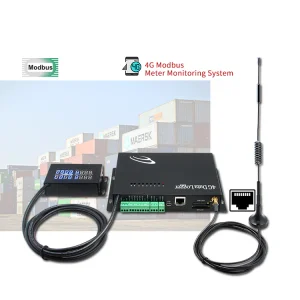
Deploying a hybrid solution requires reliable, localized grid integration. This involves configuring custom Power Conversion Systems (PCS) to coordinate with local transformer arrays, and setting up Modbus networks to transmit telemetry data directly to SCADA systems.
Working with a supplier that understands these design details helps prevent deployment delays. CCSC Energy provides comprehensive support, from project design validation to commissioning, ensuring local grid requirements are fully met.
As solid-state chemistry and AI-driven control systems evolve, the hybrid energy storage sector is moving toward higher energy density, increased safety, and virtual power plant (VPP) compatibility.
Moving from traditional HVAC air-conditioned systems to liquid-cooled channels. This reduces temperature variations between cells to under 3°C, extending overall operational life by up to 20%.
Moving standard battery designs from 1000V up to 1500V arrays. This design reduces balance-of-system (BOS) wiring costs and improves total conversion efficiency.
Integrating cloud analytics with EMS platforms like the BAITU system. This allows the software to predict solar generation and load usage patterns, maximizing returns from peak-shaving tariff structures.
Connecting distributed BESS systems into single virtual utilities. This allows operators to sell dynamic response services back to primary utility networks during grid instability.
Liquid cooling provides higher thermal transfer rates, allowing the system to keep cell temperatures consistent within 3°C. This helps prevent hotspots, reduces self-discharge rates, lowers internal degradation, and allows for higher energy density configurations compared to traditional air-conditioned containers.
Passive balancing dissipates excess energy from high-voltage cells as heat, which wastes power. Active balancing BMS systems, such as Daly Smart BMS, transfer charge from higher cells to weaker cells with minimal energy loss, maintaining cell balance and extending the battery pack's overall life cycle.
Yes, utility-scale containers built with IP54 or IP65 external enclosures, coupled with intelligent temperature control logging (like the EASEMIND GSN8 controller), manage extreme climates by monitoring humidity levels and utilizing closed-loop liquid chillers to keep cells at optimal temperatures.
Off-grid operations require a microgrid controller with grid-forming capability. The system needs to establish voltage and frequency reference levels, regulate solar generation, and maintain adequate battery capacity to handle transient motor startup currents.
Our engineering team provides comprehensive design support, including CAD layouts, system line diagrams, structural layouts, short-circuit calculations, and remote testing support to ensure systems match local grid interconnection rules.
Our container systems support industrial protocols including CAN, RS485 Modbus RTU/TCP, and IEC 61850. This allows systems to connect with third-party SCADA control networks, local power management tools, and cloud platforms.
 CCSC Energy