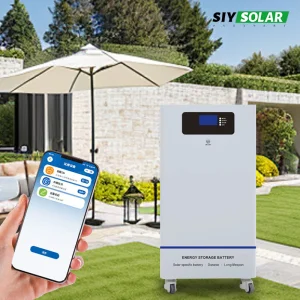
Engineered to meet stringent global standards, featuring cutting-edge liquid cooling, high cycle life LiFePO4 cells, and multi-tier safety architecture.
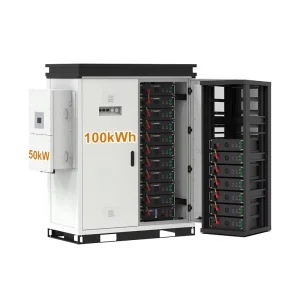
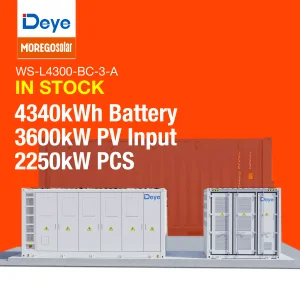
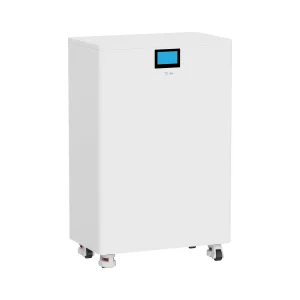
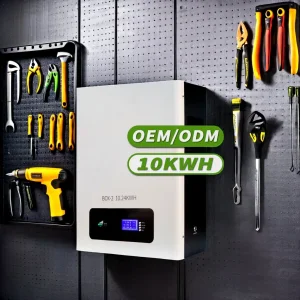
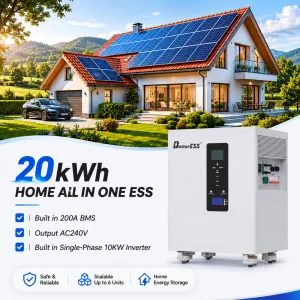
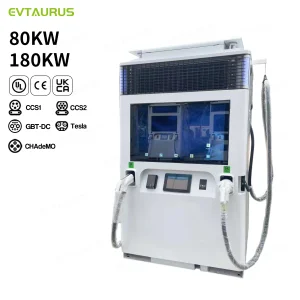
As global power grids undergo unprecedented transformation, the deployment of battery energy storage systems (BESS) has pivoted from a regulatory compliance cost to a primary economic engine for commercial, industrial, and utility infrastructure.
Fluctuating energy prices, grid saturation of intermittent wind and solar, and the global push towards carbon neutrality have created massive volatility in energy markets. Modern utility grids require auxiliary services such as frequency response and peak shaving to remain functional. For industrial players, power quality anomalies or load shedding lead directly to production losses.
Our analysis indicates that in markets like Central Europe, North America, and parts of Asia-Pacific, the Levelized Cost of Storage (LCOS) has dropped beyond grid parity, unlocking double-digit internal rates of return (IRR) on peak-shaving capital expenditure. Modern manufacturers rely on automated power management platforms to seamlessly switch energy streams between stored energy, on-site photovoltaics, and municipal grids.
A head-to-head comparison of heat dissipation engineering in modern energy storage infrastructure, outlining cost-effectiveness and performance profiles.
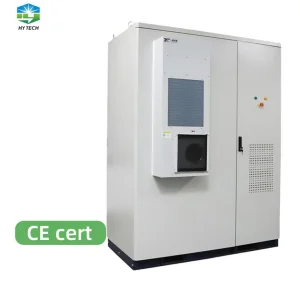
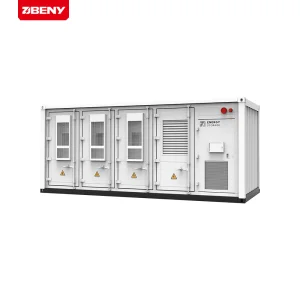
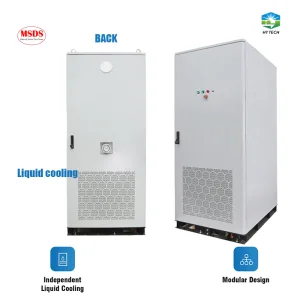
| Performance Metrics | Advanced Liquid Cooling (e.g., Deye WS-L4300) | Traditional Air Cooling (e.g., BENY 1MWH BESS) |
|---|---|---|
| Thermal Uniformity | Excellent (cell-to-cell variance <3°C) | Moderate (cell-to-cell variance <5°C to 8°C) |
| Energy Density | High (integrates more capacity in same standard container) | Standard (requires spacing for airflow paths) |
| System Lifespan | Extended by 15-20% due to uniform cooling | Standard warranty baseline |
| Parasitic Load | Highly optimized under high ambient temperatures | Increases significantly in hot climates due to fan load |
| Initial Capital Investment | Higher initial CapEx, lower lifecycle OpEx | Extremely cost-effective initial CapEx |
Understanding how Chinese supply chain concentration, raw material security, and technological specialization drive down Levelized Cost of Storage (LCOS).
From lithium refining and precursor synthesis to cell fabrication and active pack assembly, China's geographic co-location of suppliers reduces material transit costs and allows just-in-time component integration.
Lithium Iron Phosphate (LFP) is the undisputed industry standard for safety and thermal run-away prevention. Chinese manufacturing clusters own the patents, scaling and optimizing LFP refinement for unparalleled price-to-performance ratios.
Gigafactory-scale production lines, coupled with advanced robotic testing and quality control systems, virtually eliminate defect rates while ensuring low per-kilowatt-hour production costs.
A professional Energy Storage System Manufacturer specializing in battery energy storage, renewable power integration, and smart energy solutions.
Hangzhou CCSC Energy Co., Ltd. is a professional Energy Storage System Manufacturer specializing in battery energy storage, renewable power integration, and smart energy solutions for residential, commercial, industrial, and utility-scale applications. Based in Hangzhou, China, the company focuses on developing advanced energy storage technologies that help customers improve energy efficiency, enhance power reliability, and support the transition toward sustainable energy systems.
With expertise in energy storage engineering and system integration, CCSC Energy provides comprehensive solutions covering battery energy storage systems (BESS), renewable energy storage integration, commercial and industrial energy storage, backup power systems, microgrid applications, distributed energy infrastructure, and intelligent energy management platforms. Its solutions are designed to support a wide range of applications, including solar energy utilization, peak demand management, grid stabilization, emergency power supply, and energy cost optimization.
The company is committed to delivering safe, efficient, and scalable energy storage solutions tailored to the needs of modern energy users. Its engineering team works closely with customers, project developers, EPC contractors, and energy service providers to design systems that align with specific operational requirements, performance objectives, and regulatory standards. From project planning and system design to manufacturing and technical support, CCSC Energy offers comprehensive services throughout the project lifecycle.
Equipped with advanced manufacturing facilities and stringent quality management processes, the company emphasizes product reliability, operational safety, and long-term performance. Continuous investment in research and development enables CCSC Energy to integrate intelligent monitoring technologies, advanced battery management systems, and smart energy control platforms into its solutions.
Serving customers across Asia, Europe, North America, South America, the Middle East, and other global markets, Hangzhou CCSC Energy Co., Ltd. is dedicated to providing innovative energy storage solutions that support renewable energy adoption, strengthen power resilience, and contribute to a more efficient and sustainable energy future.
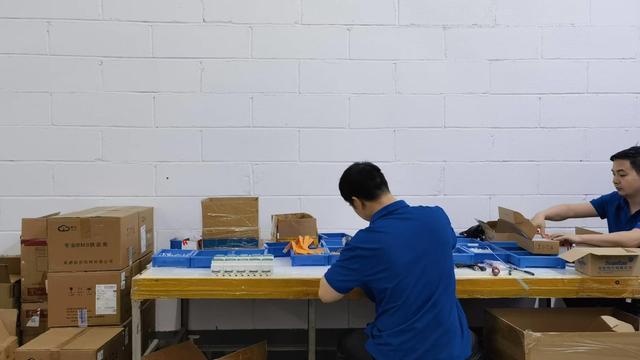
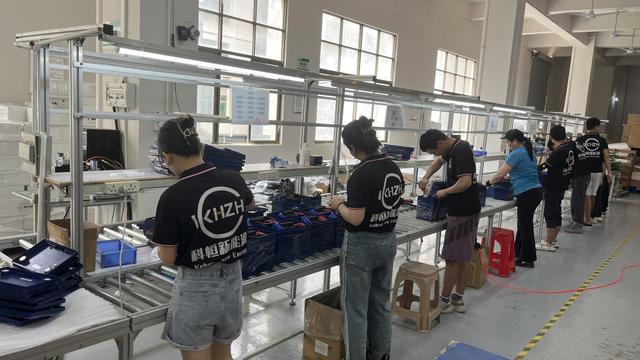
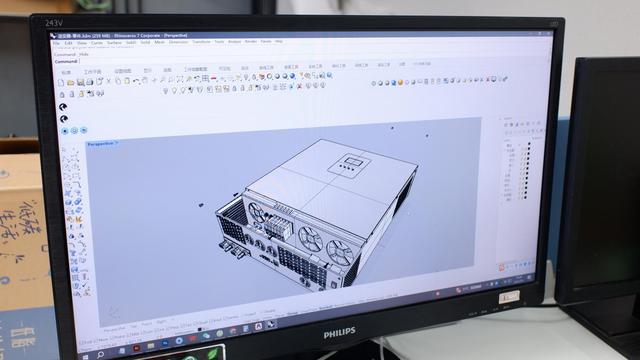
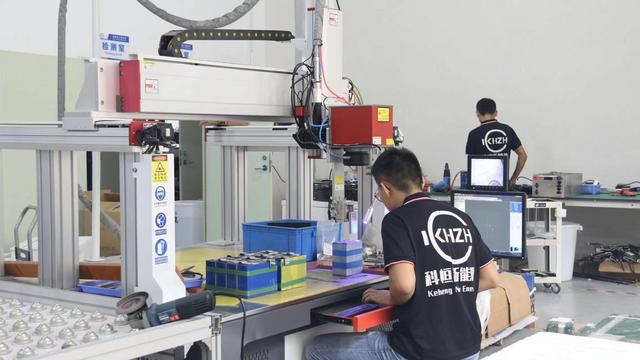
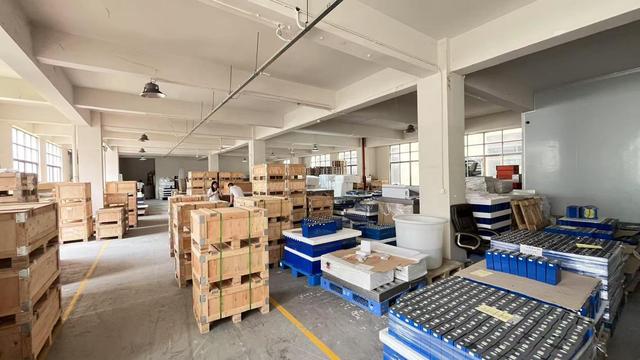
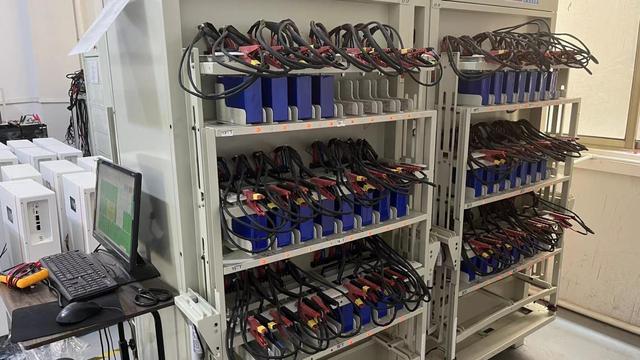
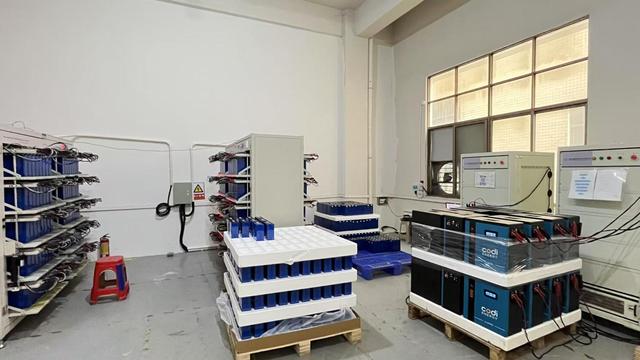
Review our state-of-the-art manufacturing floors, assembly lines, automated aging tests, and quality assurance divisions based in Hangzhou, China.
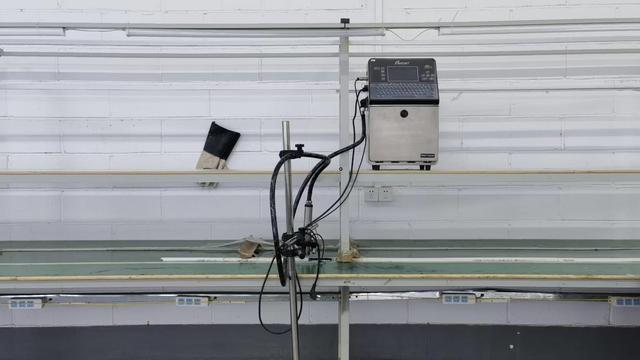
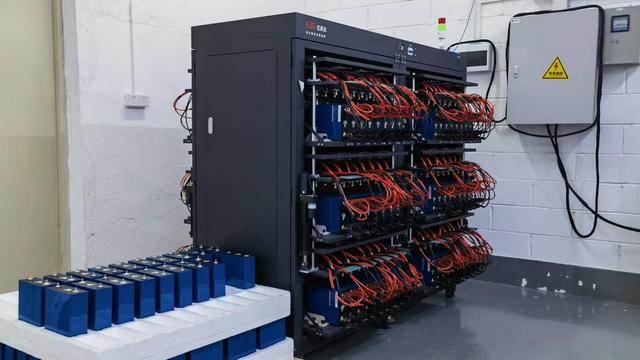
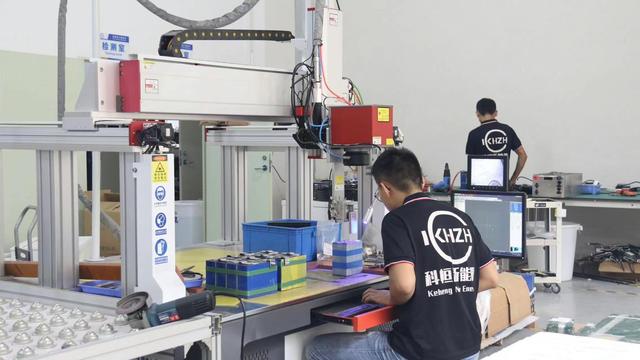
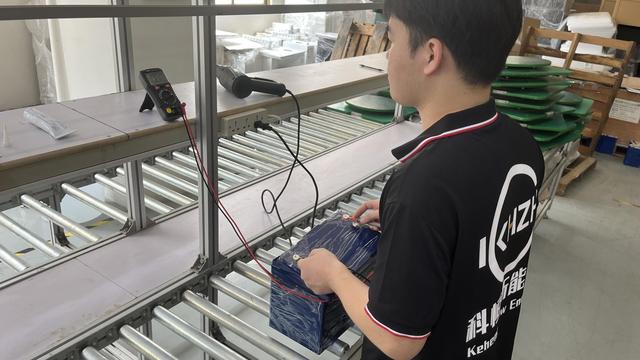
Different regions face distinct challenges. Below is how modern commercial and industrial facilities localize cost-effective battery storage implementation.
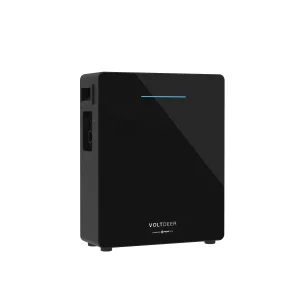
Designed for households seeking grid independence, residential all-in-one solar BESS maximize localized PV self-consumption and protect properties from unstable community microgrids or blackouts.
Providing active power peak shaving and critical emergency backup power. C&I installations shield automated factories, warehousing facilities, and remote server hubs from expensive demand tariff charges.
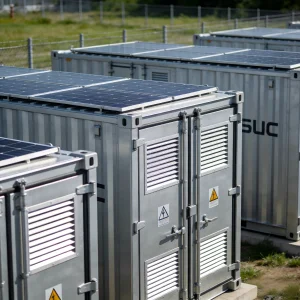
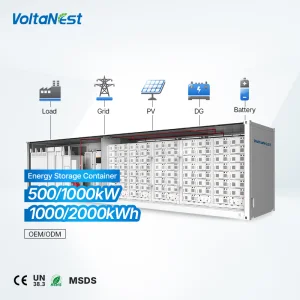
Gigawatt-hour-ready containerized systems optimized for frequency regulation, grid stabilization, and black-start capability, helping utility companies integrate higher concentrations of wind and solar assets.
Before finalizing purchase orders with overseas BESS partners, EPC contractors and procurement managers must evaluate several critical compliance and performance variables.
To secure grid interconnection permits and insurance validation in regions like North America and the European Union, standard systems must be fully certified to safety metrics like UL 9540A, IEC 62619, TUV, and CE. These standards confirm the system's resilience against catastrophic failures such as thermal runaway propagation.
RTE measures the ratio of energy retrieved to energy stored. Top-tier Chinese systems exhibit a system-level RTE exceeding 85% to 90%. Over-inflated discharge rates speed up cell degradation; system designs must maintain >80% capacity retention after 10 years or 6,000 cycles (using 0.5C/0.5C or 1C/1C configurations).
The Battery Management System (BMS) manages cells, monitors voltage, temperature, and State of Charge (SoC). At the macro level, the Energy Management System (EMS) coordinates local energy distribution, connects with virtual power plants (VPPs), and implements peak-shaving algorithms.
Procuring isolated components (batteries, PCS inverters, and cooling modules) from different manufacturers often leads to integration challenges. Procuring pre-integrated containerized solutions ensures compatible hardware-to-software protocols and single-source accountability.
Authoritative clarifications on typical technical questions regarding system integration, safety, shipping, and lifespan optimizations.
Most commercial and industrial BESS manufacturers offer a standard performance warranty of 5 to 10 years, which guarantees that the system will retain at least 60% to 80% of its nominal capacity at the end of the warranty period. Under normal operating conditions (defined as 1 cycle per day, 0.5C charge/discharge rates, and ambient temperatures maintained between 20°C and 25°C), high-quality LiFePO4 cells can achieve over 6,000 cycles before reaching 80% capacity (End of Life - EoL).
For systems with a capacity of 1MWH or higher, liquid cooling is fast becoming the industry standard. This is because liquid cooling systems keep cell temperature variance within a tight limit of <3°C, compared to the <5°C to 8°C variance typical of air-cooled systems. Improving thermal uniformity prevents localized hot spots, which in turn reduces cell aging, boosts system reliability, and improves the overall round-trip efficiency (RTE) by minimizing energy lost to heat dissipation.
For the North American market, systems must comply with UL 1973 (for battery packs) and UL 9540/9540A (for complete systems, focusing on fire spread behavior). In Europe, compliance with CE directives, IEC 62619, and local grid connection regulations (such as EN 50549) is required. Additionally, all shipping packs must have UN38.3 certification to ensure safe transport under international dangerous goods protocols.
The Battery Management System (BMS) manages local cell health, monitoring voltage, temperature, current, and State of Charge (SoC). The Energy Management System (EMS) acts as the control system, managing power flow between the battery, local solar generation, loads, and the grid. Together, they optimize operation by charging during low-rate windows and discharging during peak-demand hours, protecting the cells from overcharge or deep discharge.
LFP chemistry offers several key benefits for stationary energy storage systems, including lower manufacturing costs, longer cycle life, and a higher thermal runaway threshold (around 270°C, compared to NMC's ~210°C). Since weight and volume are less critical in fixed installations than in electric vehicles, LFP's safety and cost advantages make it the preferred choice for stationary projects.
Explore our selection of integrated battery modules, customizable containerized systems, and flexible home/commercial solutions.
 CCSC Energy