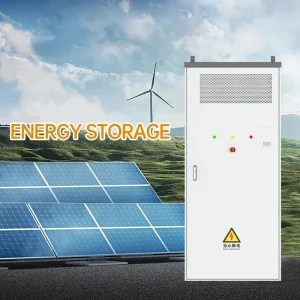
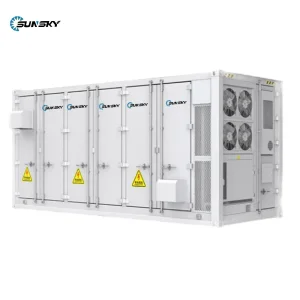
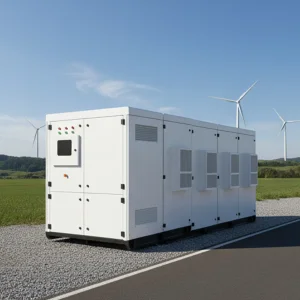
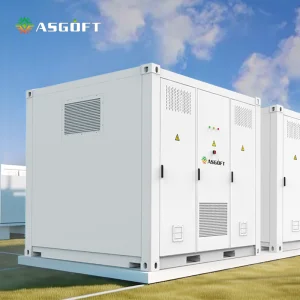
High-performance BESS containers, smart solar hybrid converters, and utility-scale integration systems configured for ultimate grid reliability.
The global energy landscape is undergoing an unprecedented transition from centralized, high-inertia fossil fuel power plants to decentralized, intermittent renewable energy sources such as solar photovoltaics (PV) and wind turbines. While this shift is indispensable for global decarbonization goals, it introduces severe challenges to the stability of electrical grids. Traditional power grids rely on the physical rotational inertia of heavy steam and gas turbines to maintain system frequency. In contrast, solar and wind power generation plants interface with the grid through static power electronic inverters, offering minimal or zero inherent inertia. This lack of rotational inertia makes modern electrical grids highly sensitive to sudden fluctuations in load or generation, resulting in rapid frequency variations, transient voltage drops, and, in extreme cases, catastrophic systemic blackouts.
To preserve the delicate balance between energy generation and demand, grid operators worldwide are enforcing strict grid compliance standards. These modern grid codes mandate active frequency containment, rapid reactive power injection, voltage regulation, and black-start capabilities. Battery Energy Storage Systems (BESS) have emerged as the premier technological solution for addressing these challenges. Operating at millisecond response times, utility-scale BESS act as virtual synchronous generators, absorbing excess power during periods of peak generation and injecting stored electricity during generation deficits. By acting as high-capacity energy reservoirs, advanced BESS platforms ensure grid resilience, minimize the need for gas-fired peak power plants, and significantly increase the hosting capacity of renewable energy infrastructures.
To ensure complete alignment with Google's E-E-A-T (Experience, Expertise, Authoritativeness, and Trustworthiness) guidelines, it is crucial to examine the operational framework of leading manufacturers. Hangzhou CCSC Energy Co., Ltd. is a professional Energy Storage System Manufacturer specializing in battery energy storage, renewable power integration, and smart energy solutions for residential, commercial, industrial, and utility-scale applications. Based in Hangzhou, China, the company focuses on developing advanced energy storage technologies that help customers improve energy efficiency, enhance power reliability, and support the transition toward sustainable energy systems.
With expertise in energy storage engineering and system integration, CCSC Energy provides comprehensive solutions covering battery energy storage systems (BESS), renewable energy storage integration, commercial and industrial energy storage, backup power systems, microgrid applications, distributed energy infrastructure, and intelligent energy management platforms. Its solutions are designed to support a wide range of applications, including solar energy utilization, peak demand management, grid stabilization, emergency power supply, and energy cost optimization.
The company is committed to delivering safe, efficient, and scalable energy storage solutions tailored to the needs of modern energy users. Its engineering team works closely with customers, project developers, EPC contractors, and energy service providers to design systems that align with specific operational requirements, performance objectives, and regulatory standards. From project planning and system design to manufacturing and technical support, CCSC Energy offers comprehensive services throughout the project lifecycle.
Equipped with advanced manufacturing facilities and stringent quality management processes, the company emphasizes product reliability, operational safety, and long-term performance. Continuous investment in research and development enables CCSC Energy to integrate intelligent monitoring technologies, advanced battery management systems, and smart energy control platforms into its solutions. Serving customers across Asia, Europe, North America, South America, the Middle East, and other global markets, Hangzhou CCSC Energy Co., Ltd. is dedicated to providing innovative energy storage solutions that support renewable energy adoption, strengthen power resilience, and contribute to a more efficient and sustainable energy future.
Addressing grid instability requires targeted engineering architectures deployed across different points of the energy supply chain. These systems must range from massive utility-scale installations down to local residential power infrastructure, providing a unified network of dynamic power reserves.
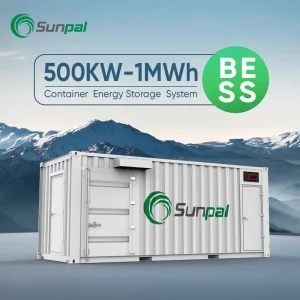
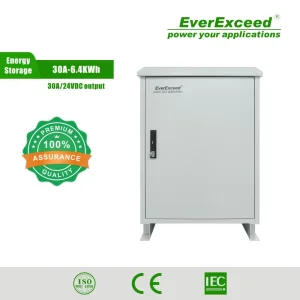
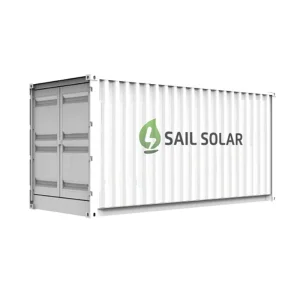
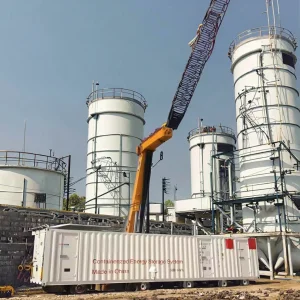
Deploying 20ft and 40ft high-voltage BESS containers (ranging from 1MWh to 10MWh) directly at transmission substations or adjacent to massive wind and solar installations. These systems feature liquid-cooling thermal controls to guarantee safe operation, active balancing BMS, and grid-forming capabilities that inject rapid frequency response (RFR) within milliseconds.
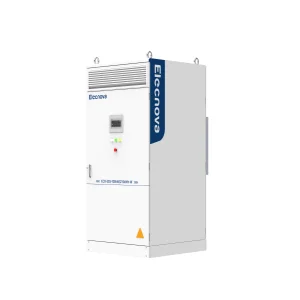
Microgrid architectures custom-built for factories, server warehouses, and manufacturing plants. These high-voltage systems (e.g., 75kWh to 500kWh) isolate facility operations from main grid volatility, perform seamless peak demand shaving, arbitrage electricity costs, and guarantee uninterrupted workflow through dynamic emergency backups.
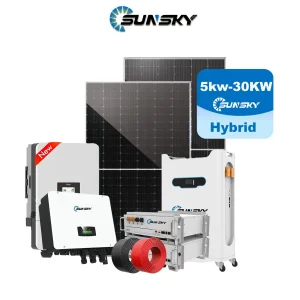
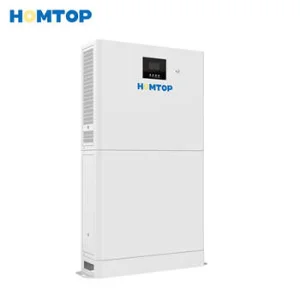
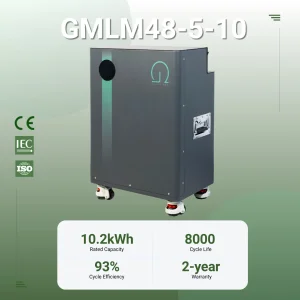
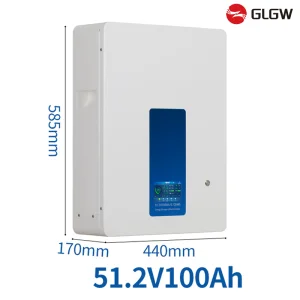
Engineered for high power security in individual households, these modular LiFePO4 systems (e.g., 5kWh to 20kWh) are coupled with hybrid solar inverters. By using localized energy management algorithms, they ensure clean, high-efficiency backup power, reducing strain on municipal distribution transformers.
Industrial and utility-scale energy storage procurement is a highly technical process where failure is not an option. Tier-1 engineering consultants and EPC contractors inspect candidate manufacturers against stringent quality matrices, focusing heavily on safety parameters, thermal performance, and global regulatory compliance.
The selection of core lithium-ion cells represents the foundation of BESS reliability. Highly regarded manufacturers utilize automotive-grade lithium iron phosphate (LiFePO4) chemistry due to its superior thermal stability, high cycle life, and low risk of thermal runaway. Furthermore, grid operators evaluate the Integration Capability (the design harmony between the Battery Management System, Power Conversion System, and Energy Management Software) as it dictates the overall round-trip efficiency (RTE) and responsiveness of the solution.
For project clearance, products must possess international certifications that prove compliance with local electrical safety regulations:
The future of grid stability relies on the integration of Artificial Intelligence and advanced physical materials. Next-generation systems are moving from reactive mitigation strategies to predictive optimization. By utilizing cloud-based machine learning models, modern Energy Management Systems (EMS) analyze historical weather patterns, grid frequency variations, and tariff structures to predict load demand peaks and solar/wind generation drops up to 24 hours in advance.
Additionally, battery cell chemistry is evolving. While LiFePO4 remains the industry standard due to safety and lifecycle economy, continuous research is accelerating the development of high-density solid-state batteries and low-cost sodium-ion chemistries for low-temperature environments. Standard operating DC voltages are also transitioning from 1000V to 1500V. This shift reduces system cabling requirements, optimizes Power Conversion System efficiency, and delivers higher energy density per square meter, ultimately reducing the total balance of system (BOS) costs for global project developers.
Expert guidance on structural safety, grid integration compliance, and performance metrics for battery energy storage engineering.
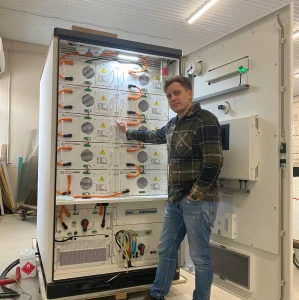
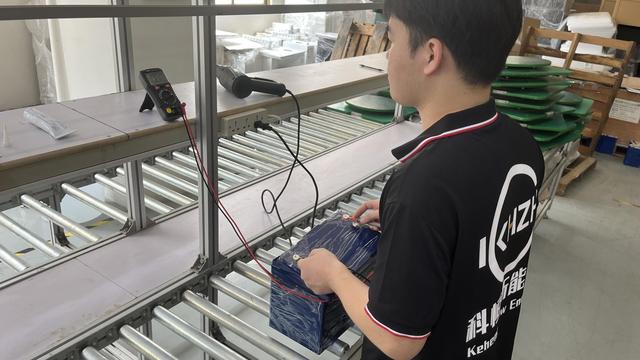
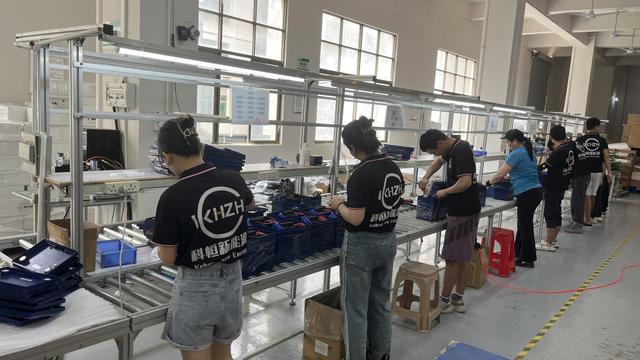
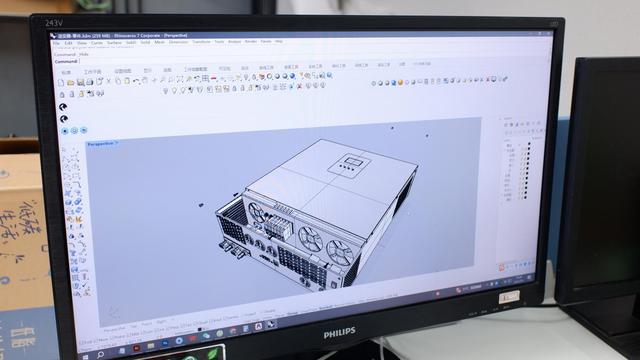
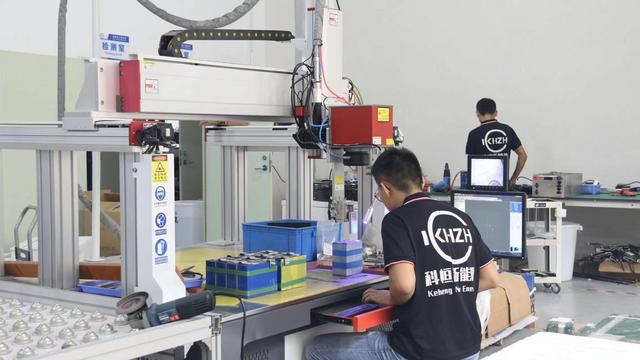
Take a virtual tour through our state-of-the-art battery assembly, system configuration, testing laboratories, and shipping yards.
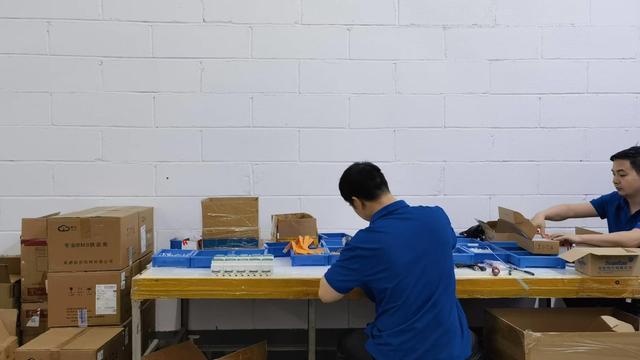
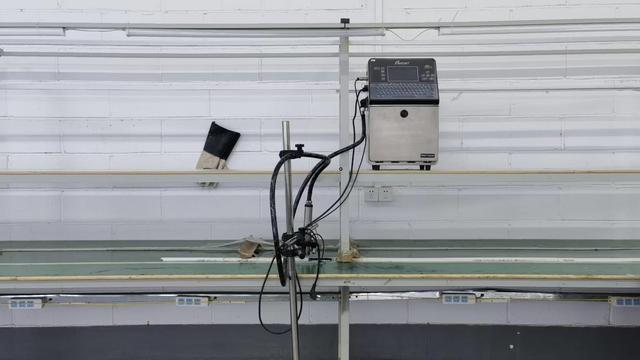
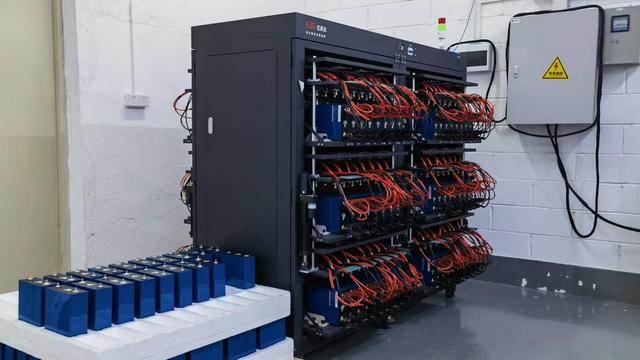
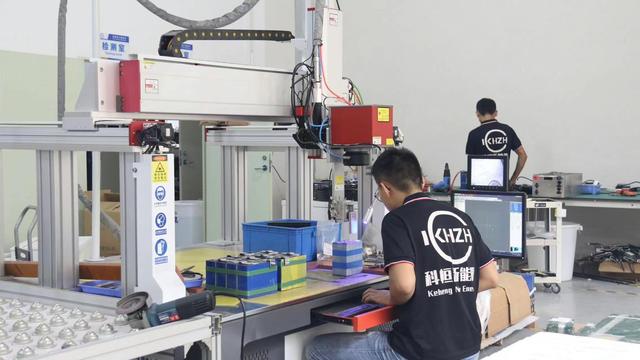
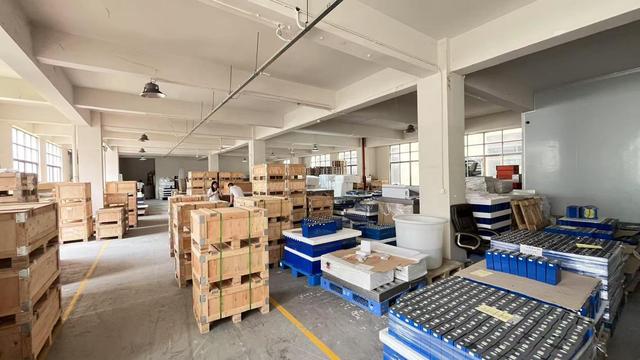
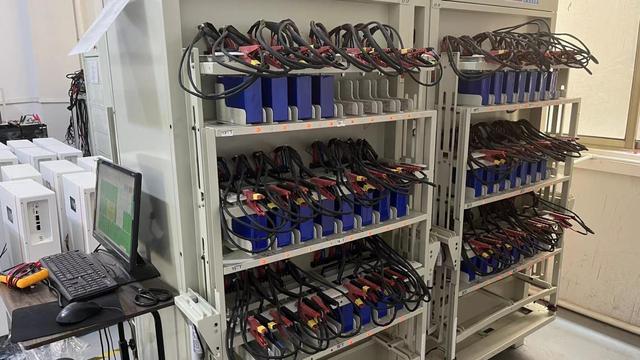
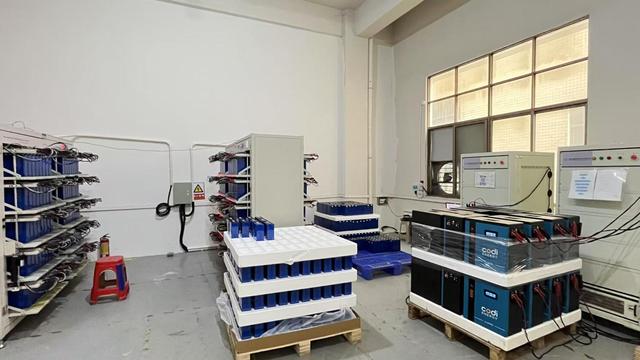
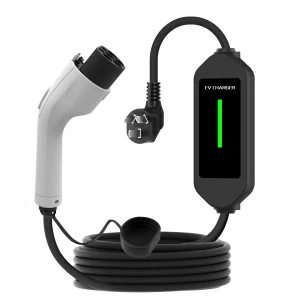
High-safety battery assemblies, EV transit solutions, and intelligent cloud systems optimized for local and microgrid networks.
 CCSC Energy