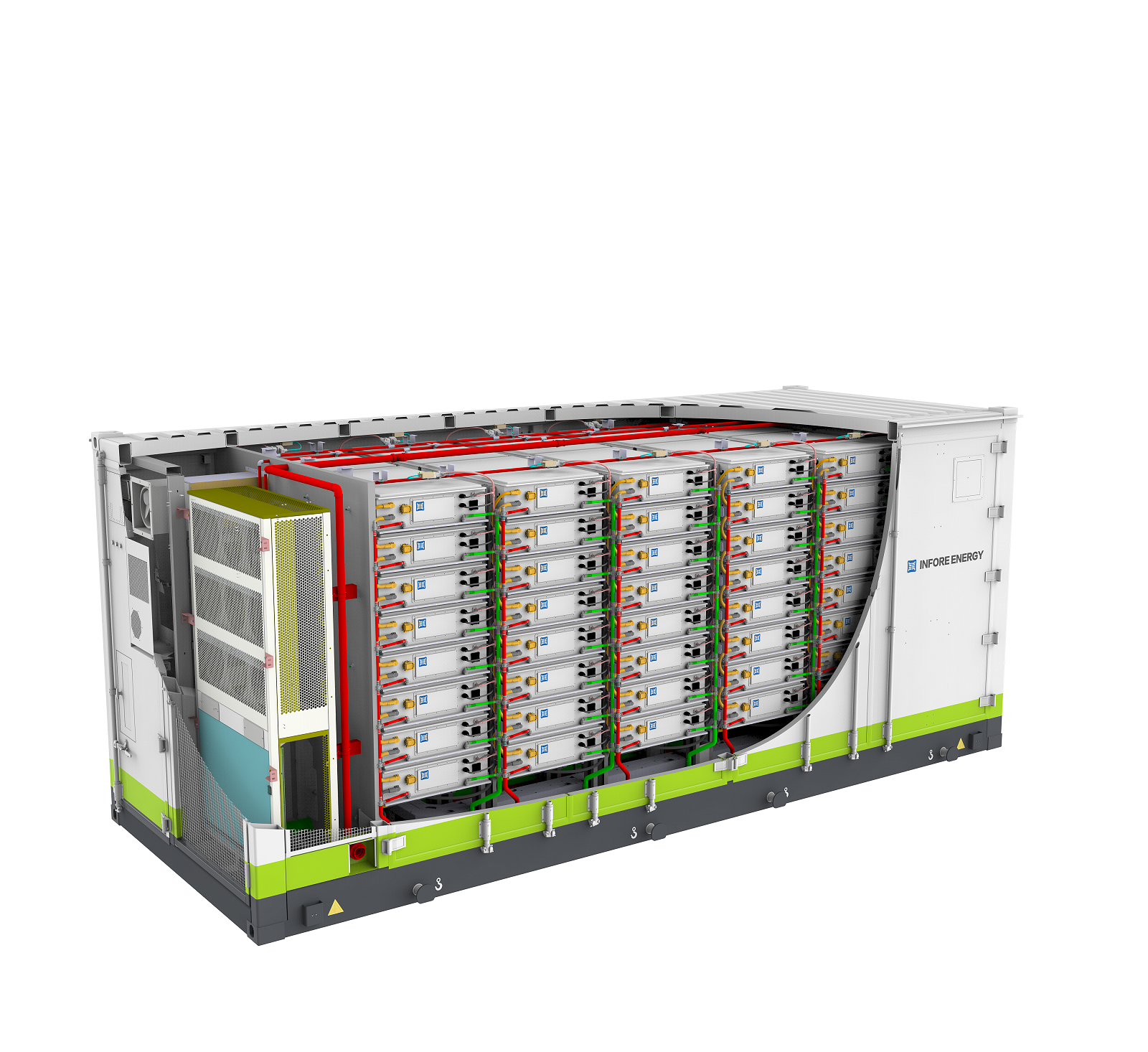
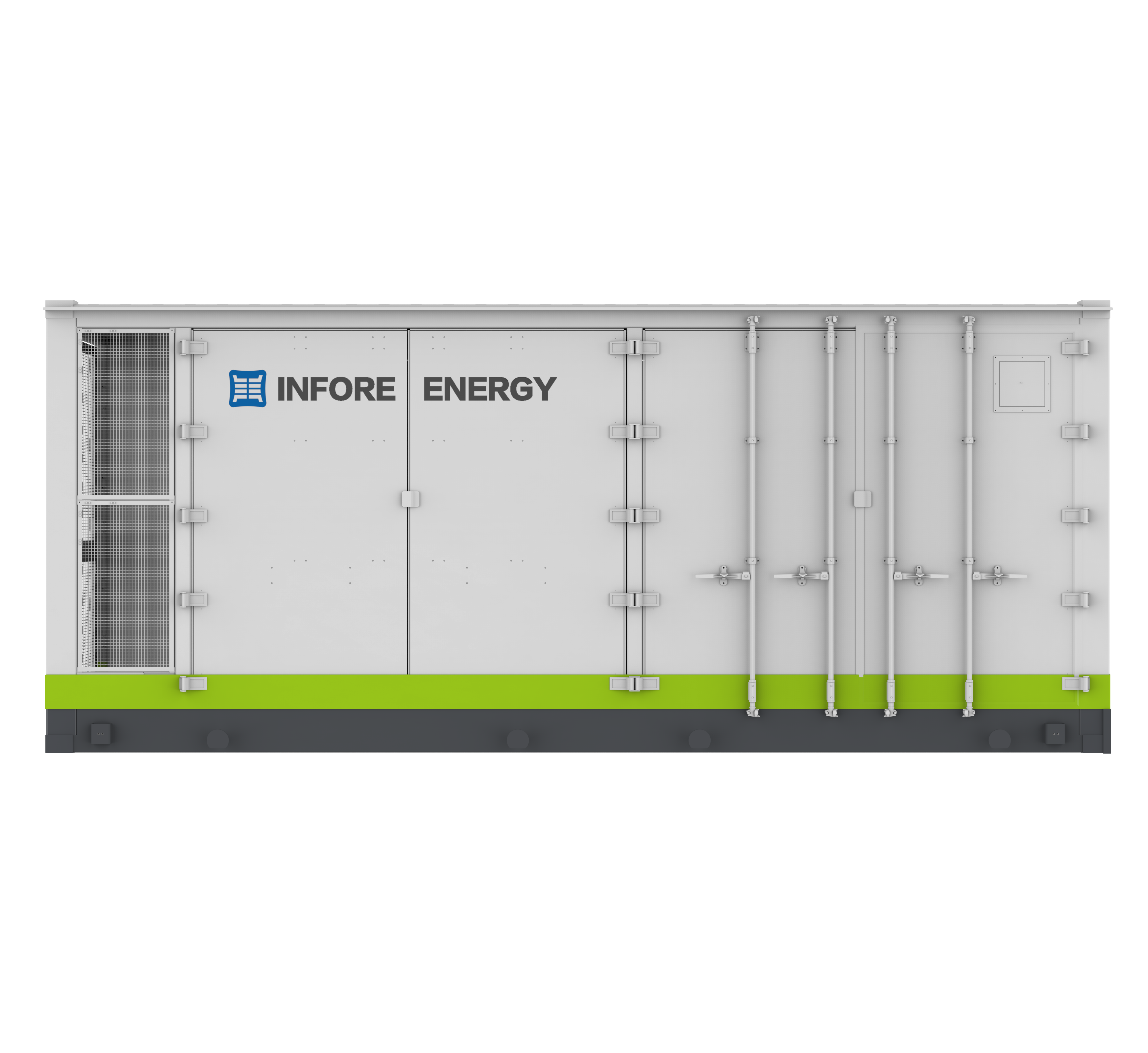
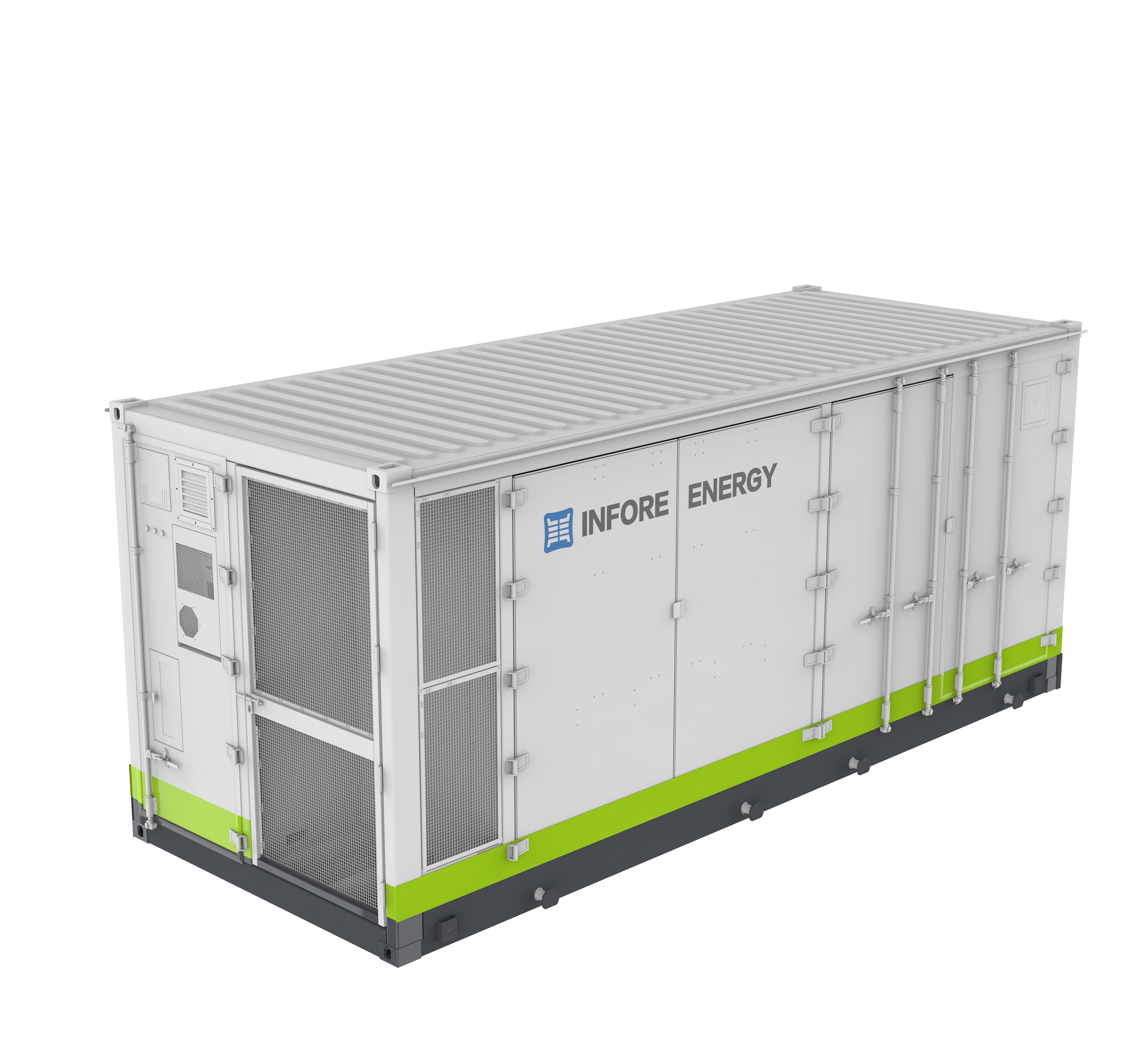
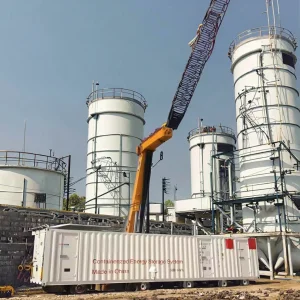
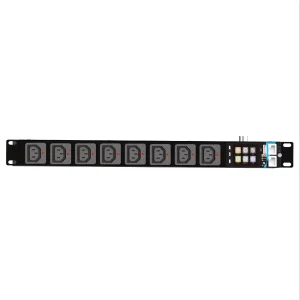
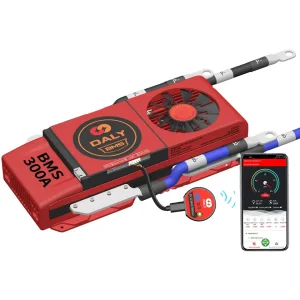
Liquid-Cooled 5MWh LiFePO4 Battery 40ft 6000 Cycle Life Integrated Smart Management System Optimized Charging Energy Storage

Product Description

Product Parameters
Item Specification (280AH) Specification (314AH)
Cell280AH/3.2V314AH/3.2V
Cell TypeLithium iron phosphateLithium iron phosphate
Rated Discharge Rate≤0.5C≤0.5C
Rated Voltage1331.2V1331.2V
Operating Voltage Range1164.8V-1497.6V1164.8V-1497.6V
Nominal Energy3.72MWh5MWh
Protection RatingIP55IP55
Corrosion Resistance RatingC4C4
Weight≈37T≈44T
Battery Cooling MethodIntelligent liquid coolingIntelligent liquid cooling
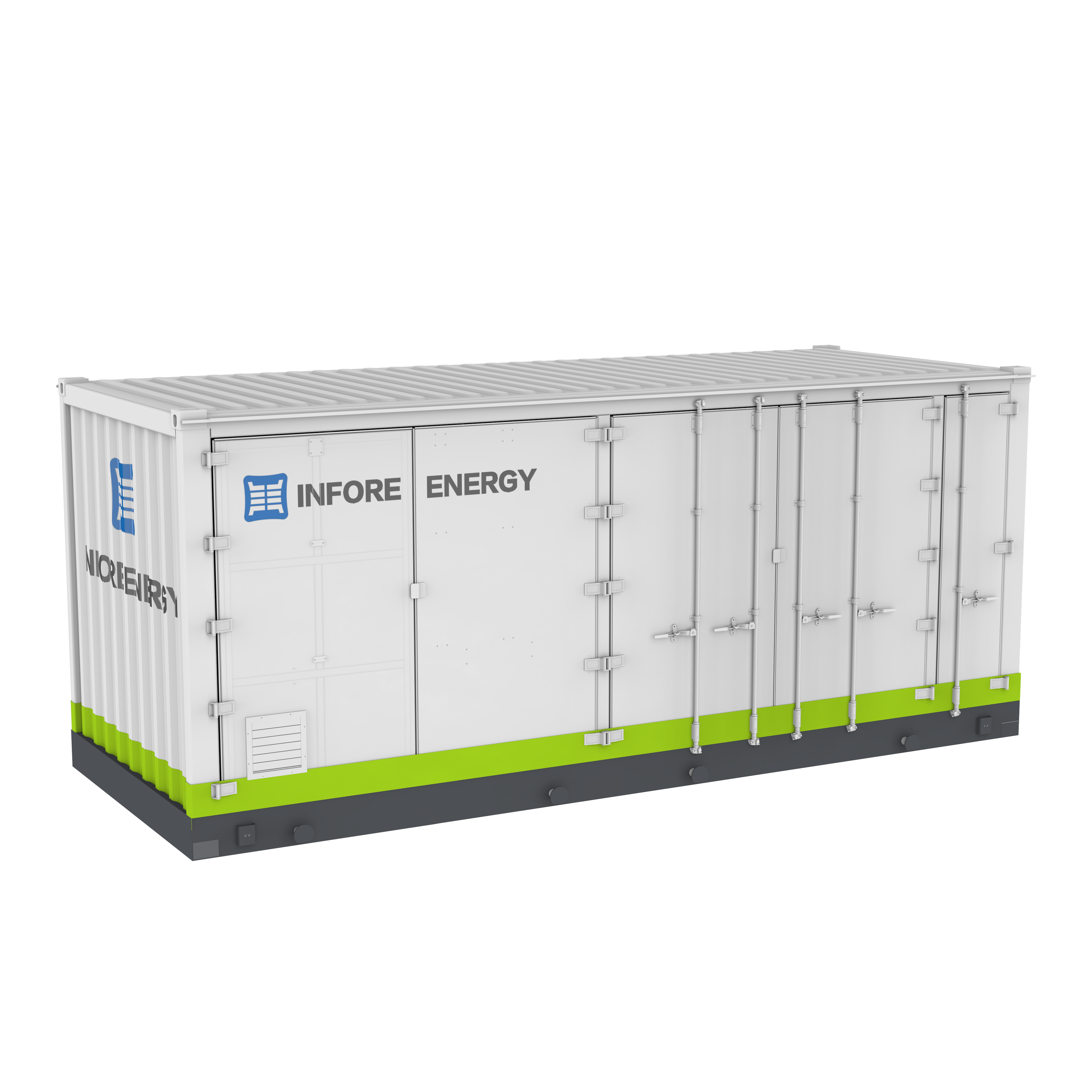
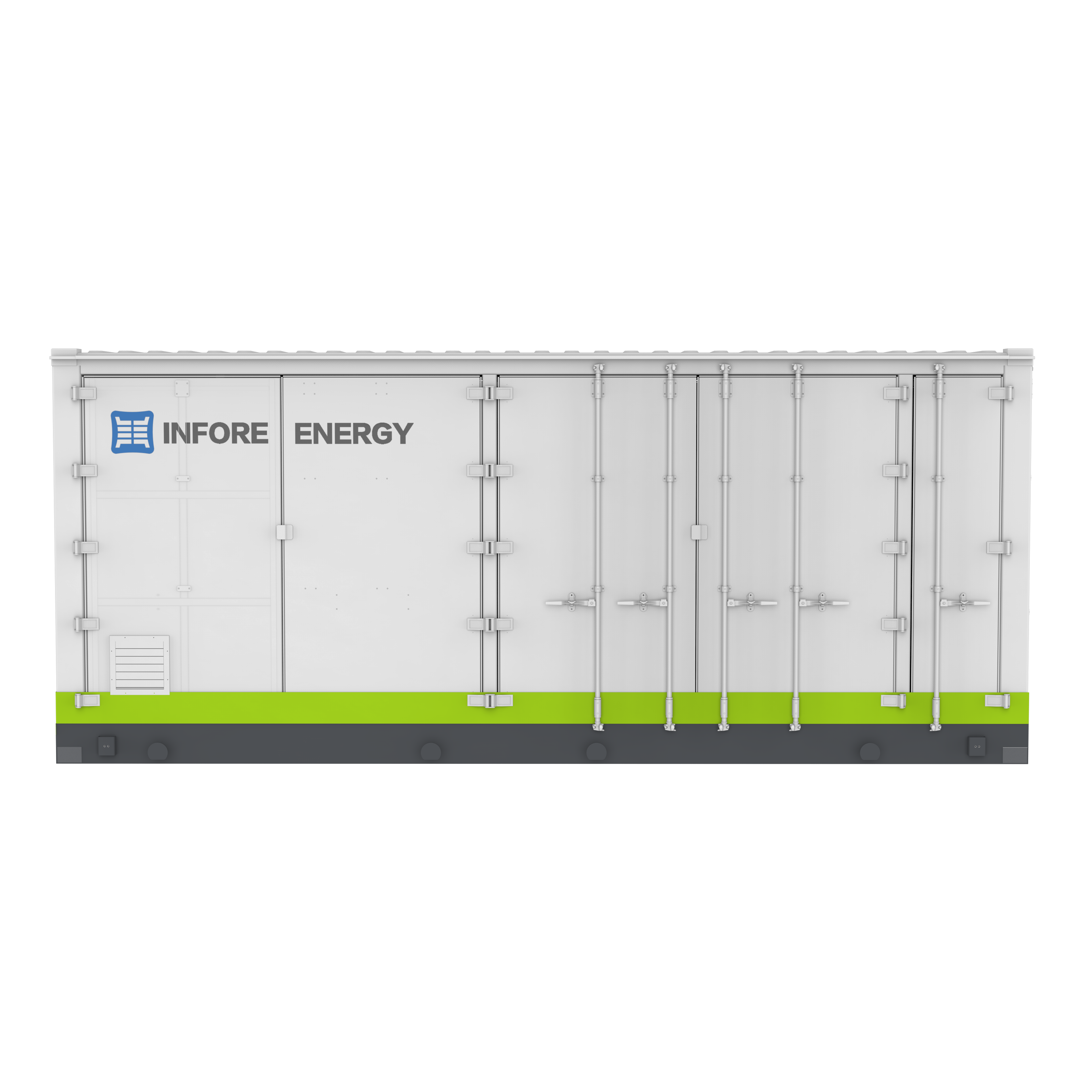
Dimensions (L×W×H, mm)6170×2710×26836800×2650×2896
Operating Temperature Range-25℃~55℃-35℃~55℃
Relative Humidity≤95%RH (condensation-free)≤95%RH (condensation-free)
Maximum Operating Altitude (m)≤4,000m≤5,000m
System Communication InterfaceRS485/EthernetRS485/Ethernet
Products Description
Proven Quality
Technically Proven and Reliable
  • Wholly tested and verified products, with reliable quality.
  • One-stop integration of cells, pack and system, supporting whole-body hoisting and transportation.
  • Technically proven products, widely verified by market and highly recognized by clients.
Flexible Configuration
Flexible Configuration & Proposal
  • Highly integrated and standardized design for rapid deployment and easy commissioning.
  • Small floor area, high space efficiency and convenient maintenance.
  • Flexible adaptability to various environments with adjustable system energy.
Overview & Manufacturing
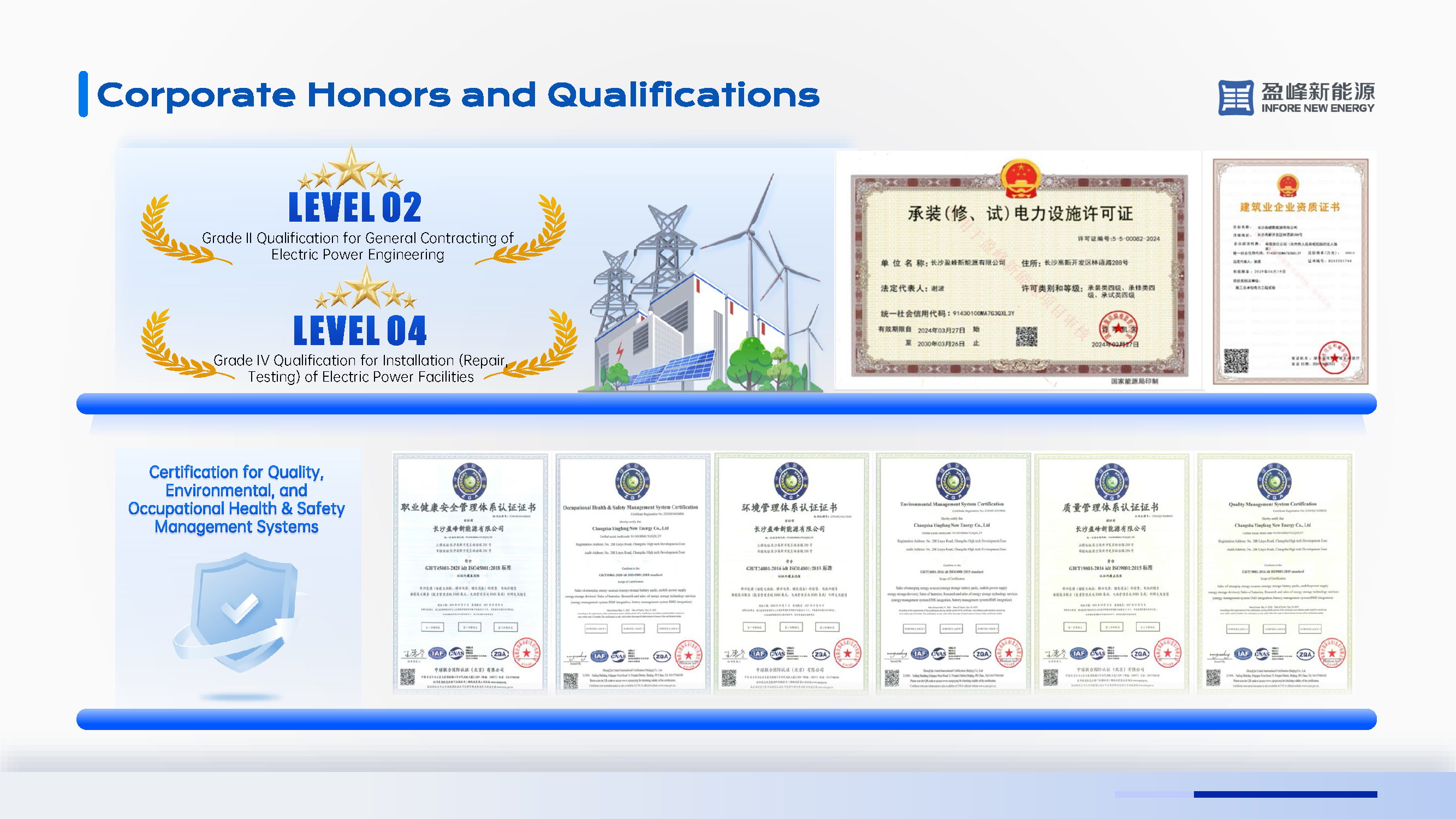
Certifications
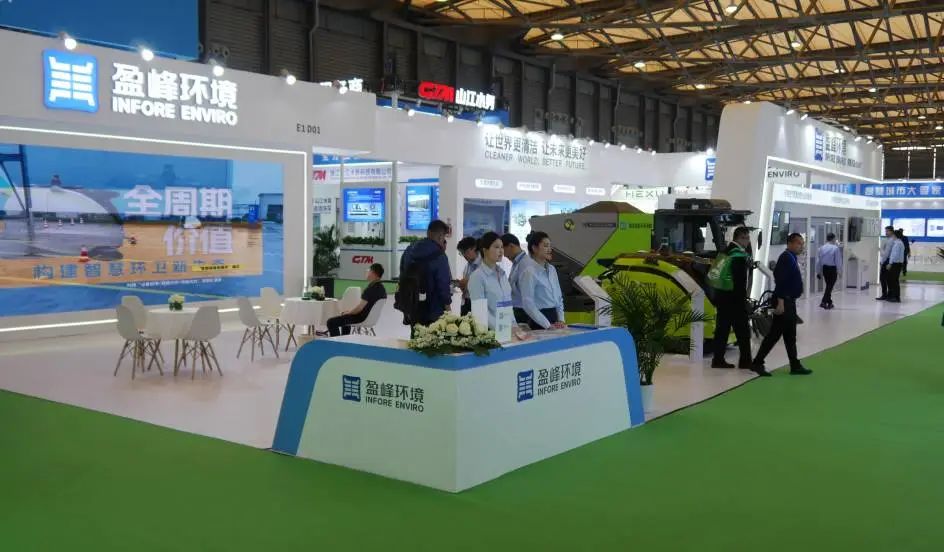
Exhibitions
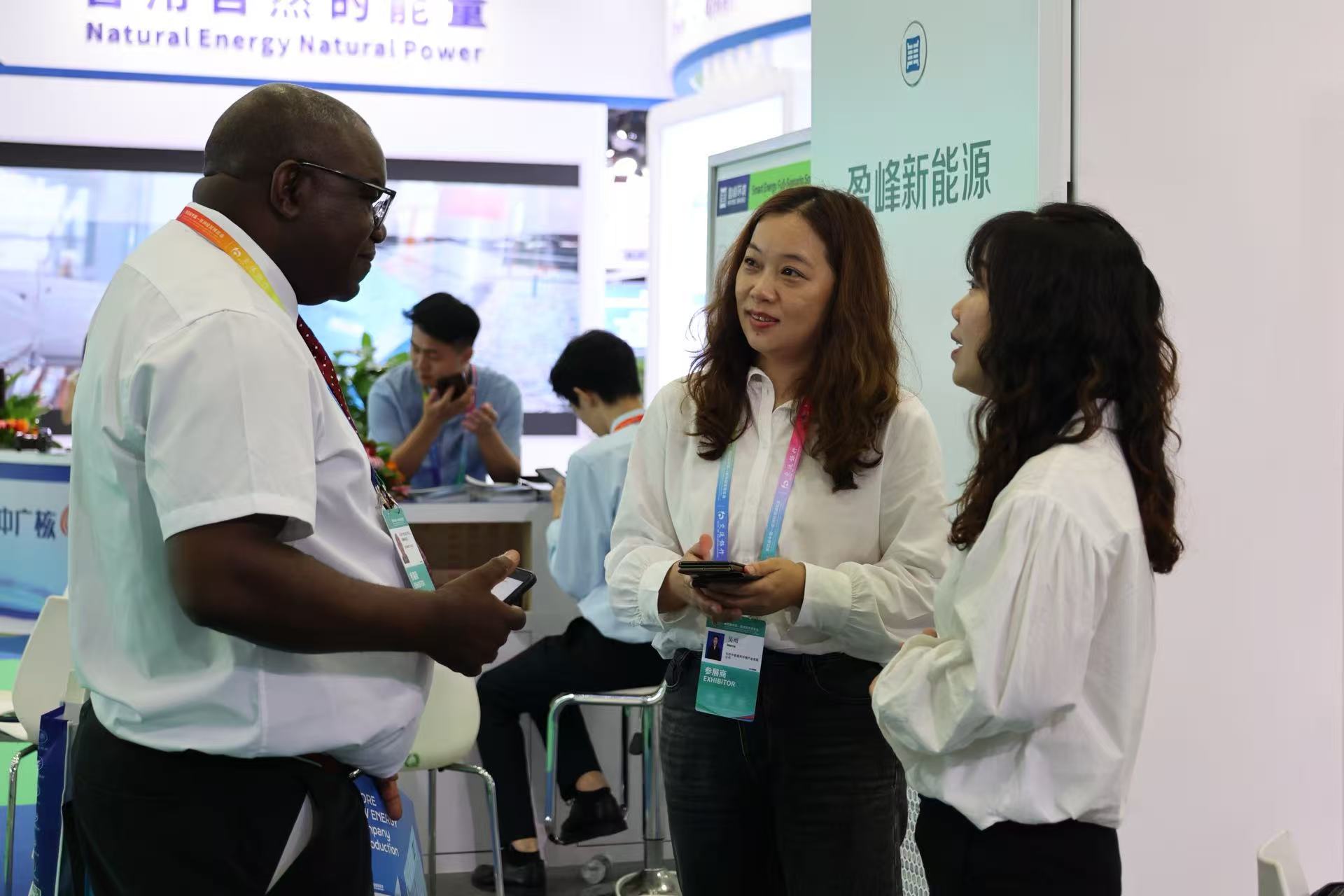
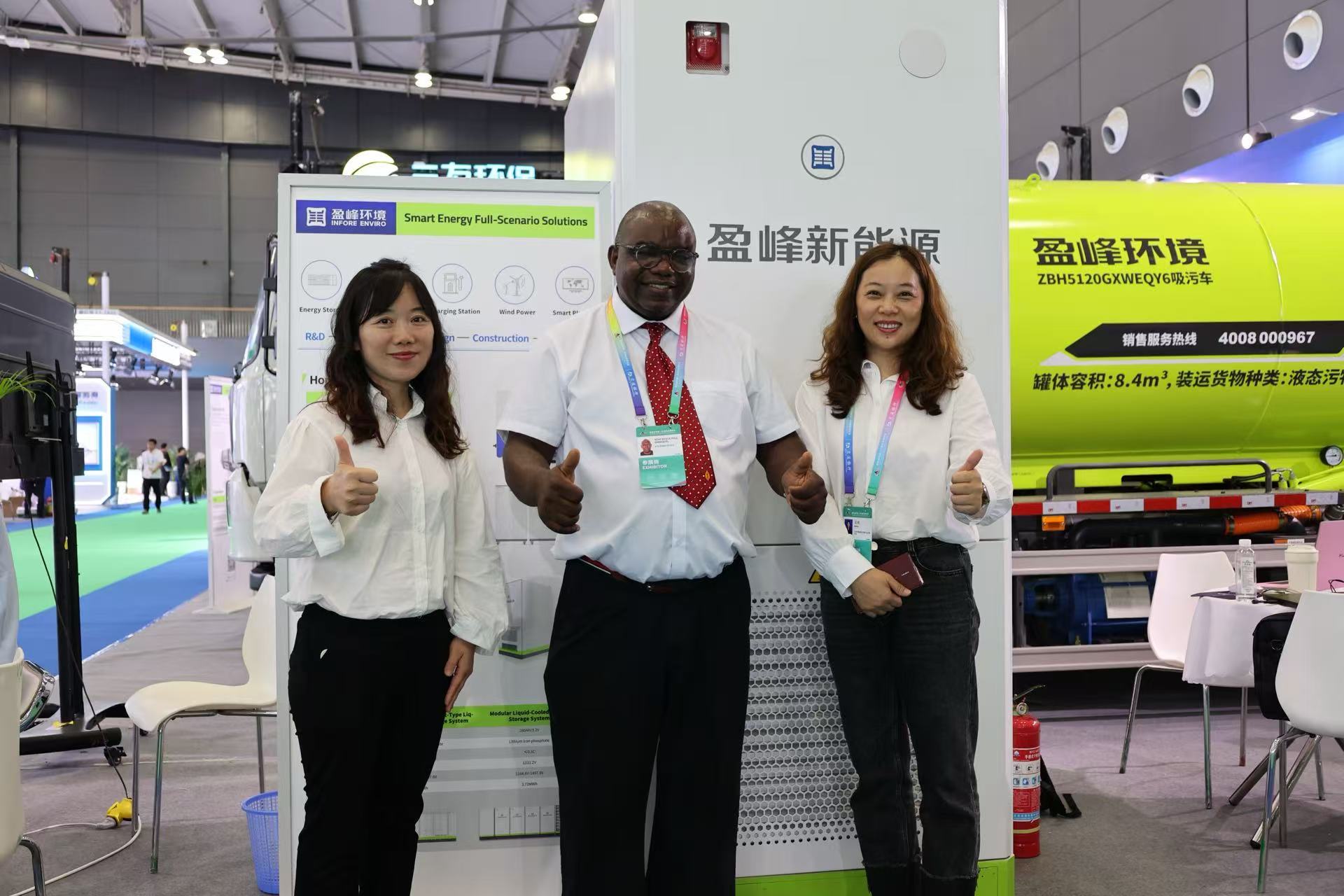
IE Expo | CICEE Expo | CAETE 2025
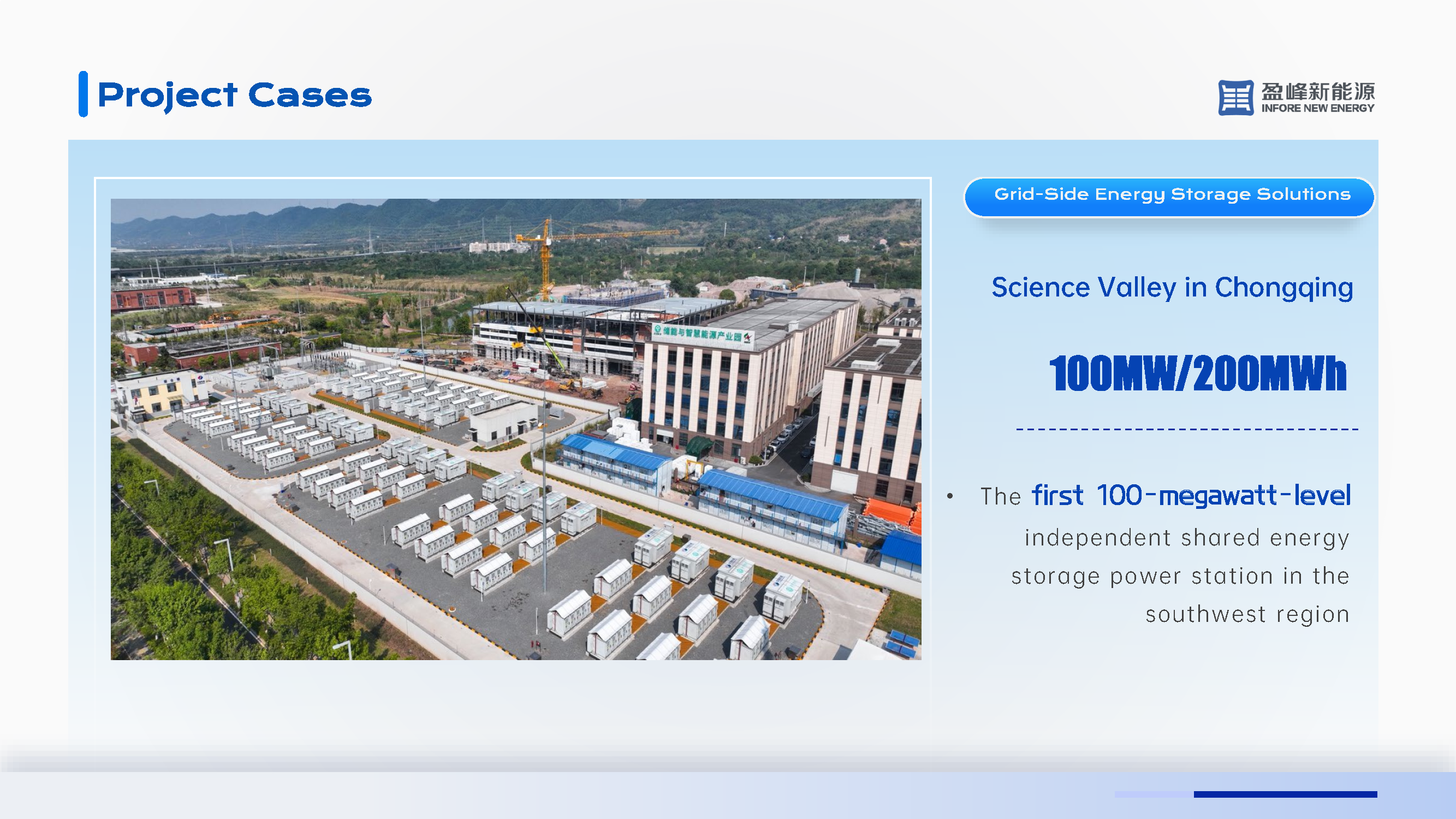
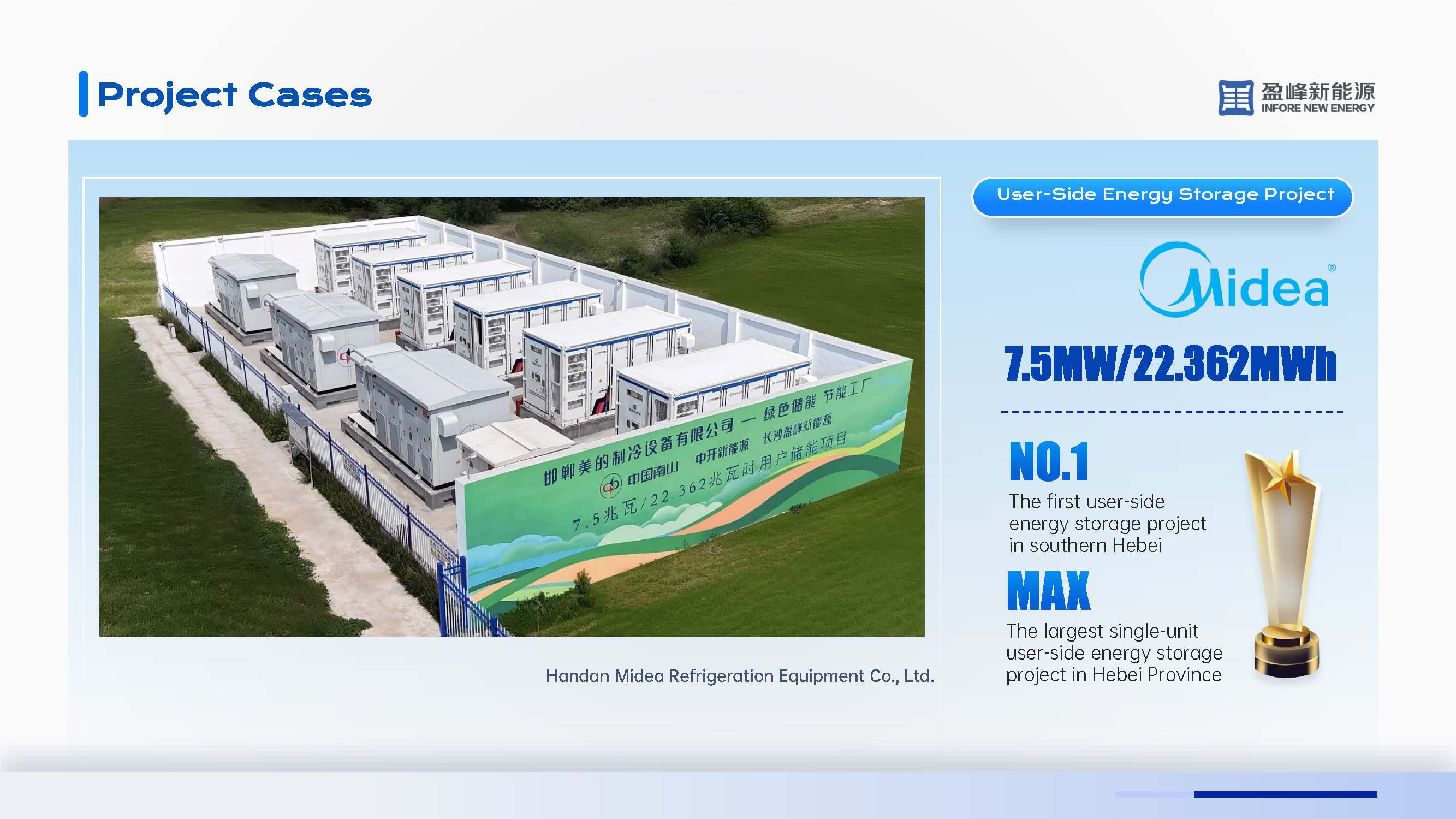
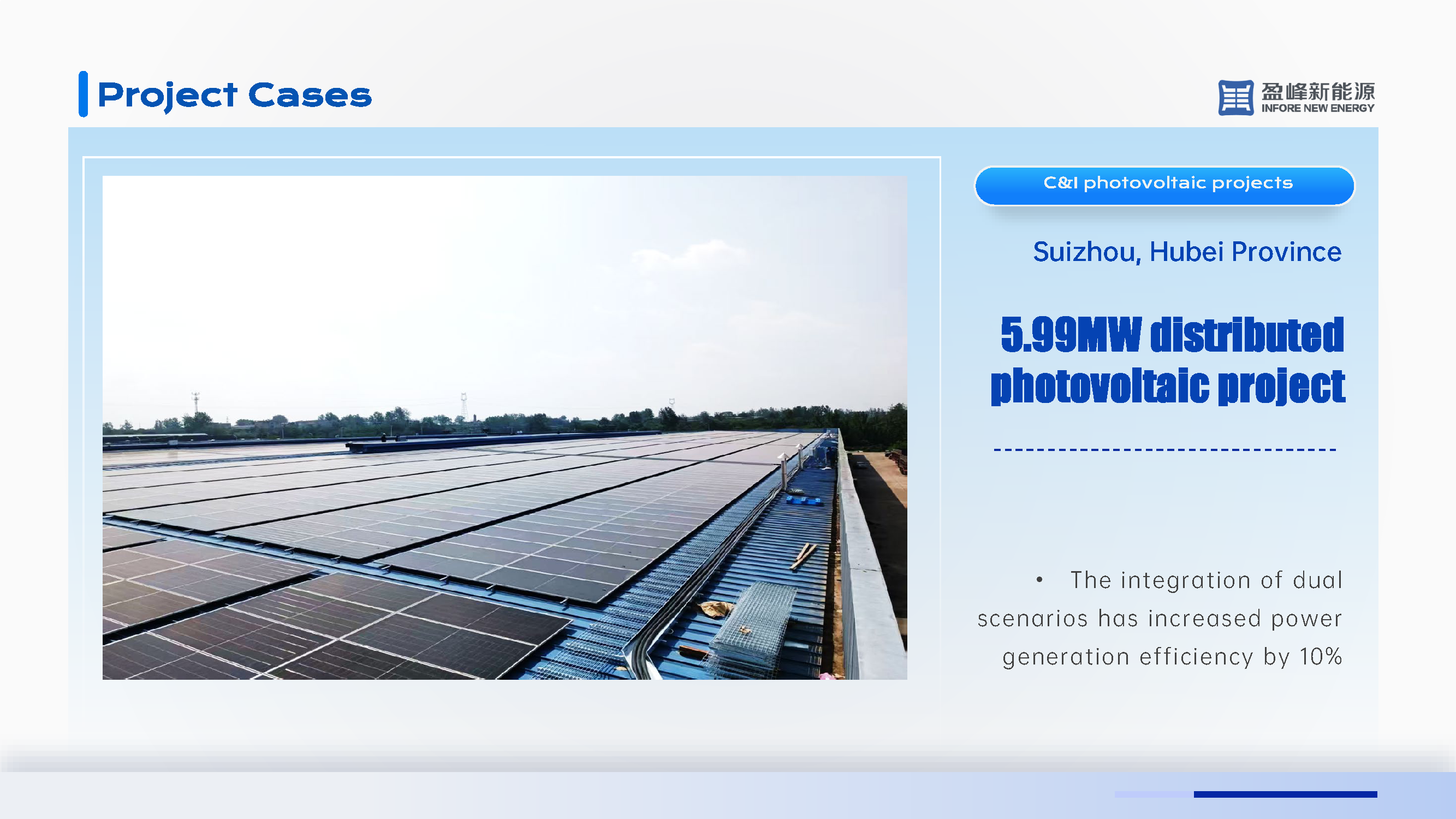
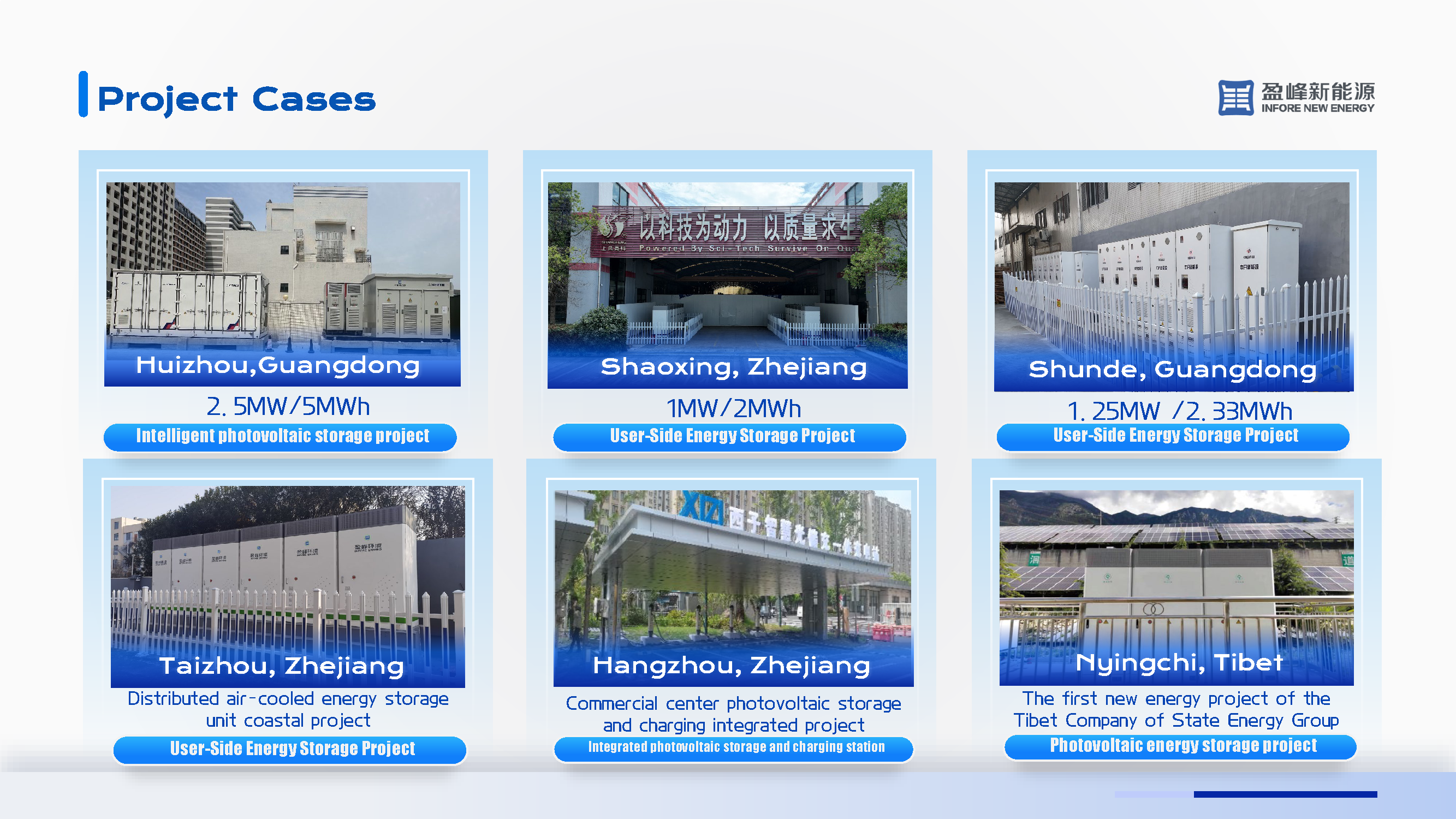
Our Projects
Frequently Asked Questions
1. What is the difference between the 3.72MWh and 5MWh systems? The main difference lies in the cell capacity (280AH vs 314AH) and the total nominal energy. The 5MWh system offers higher energy density in a slightly larger container footprint.
2. How does the intelligent liquid cooling system work? The system actively manages the temperature of each battery pack using a liquid medium, ensuring uniform thermal distribution which extends battery life and improves safety during high-rate discharge.
3. Is this energy storage system suitable for high-altitude locations? Yes, the system is designed to operate at altitudes up to 4,000m or 5,000m, though power derating may be required for altitudes exceeding 2,000m to 3,000m depending on the model.
4. What are the protection and corrosion ratings for outdoor use? The system features an IP55 protection rating, making it dust and water-resistant. It also has a C4 corrosion resistance rating, suitable for industrial and coastal environments.
5. Can the system be integrated into existing power grids? Absolutely. With RS485 and Ethernet communication interfaces, the system can seamlessly connect to Power Management Systems (PMS) and SCADA for grid-tie or off-grid operations.
6. What type of batteries are used in these containers? We utilize high-grade Lithium Iron Phosphate (LiFePO4) cells, known for their superior safety profile, thermal stability, and long cycle life compared to other lithium-ion chemistries.

Related Products