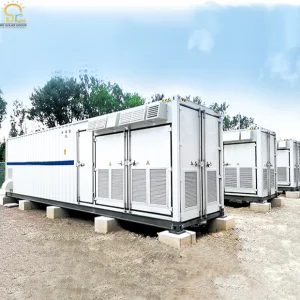
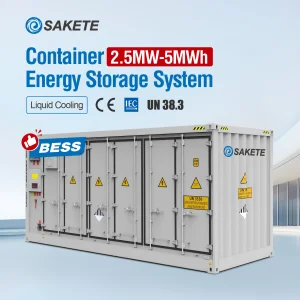
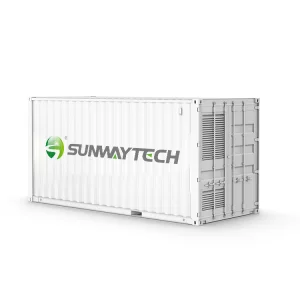
Liquid-Cooled Energy Storage Cabinet Solutions
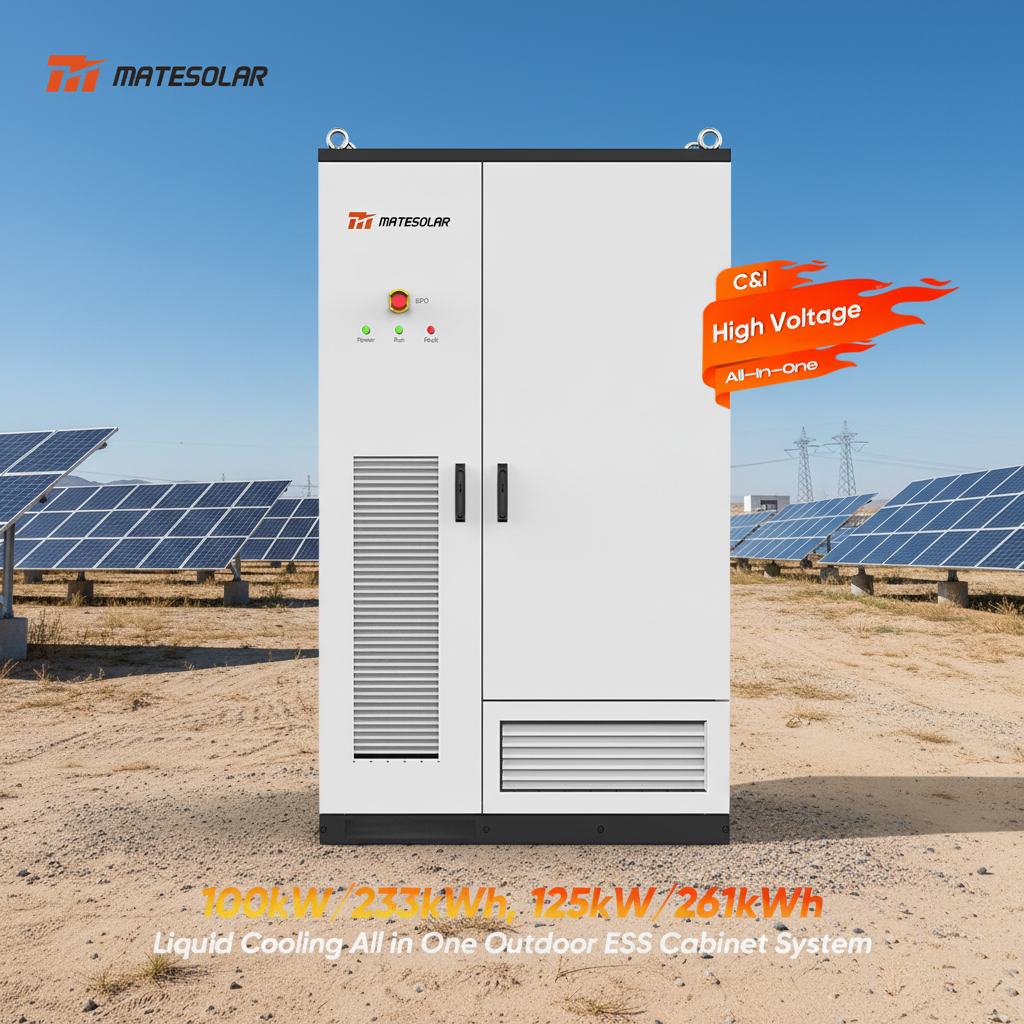
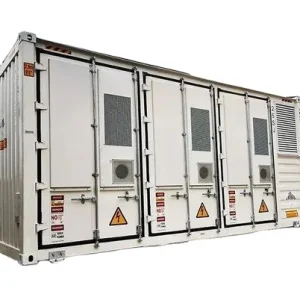
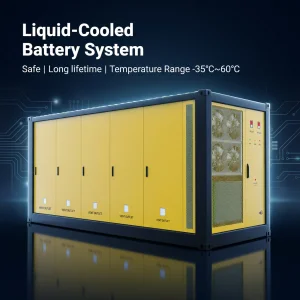
These two liquid-cooled energy storage cabinets are standardized products designed for industrial and commercial energy storage scenarios, covering different power and capacity requirements. Their core design revolves around high safety, long lifespan, and efficient thermal management.
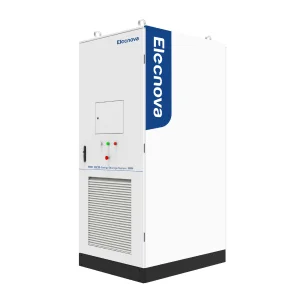
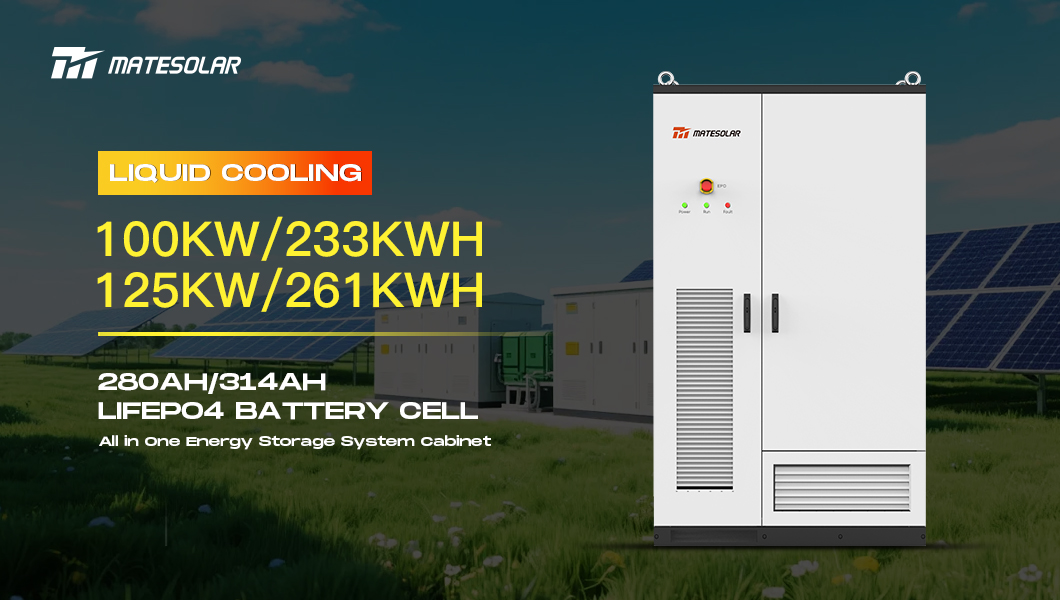
100kW/233kWh Liquid-Cooled Energy Storage Cabinet
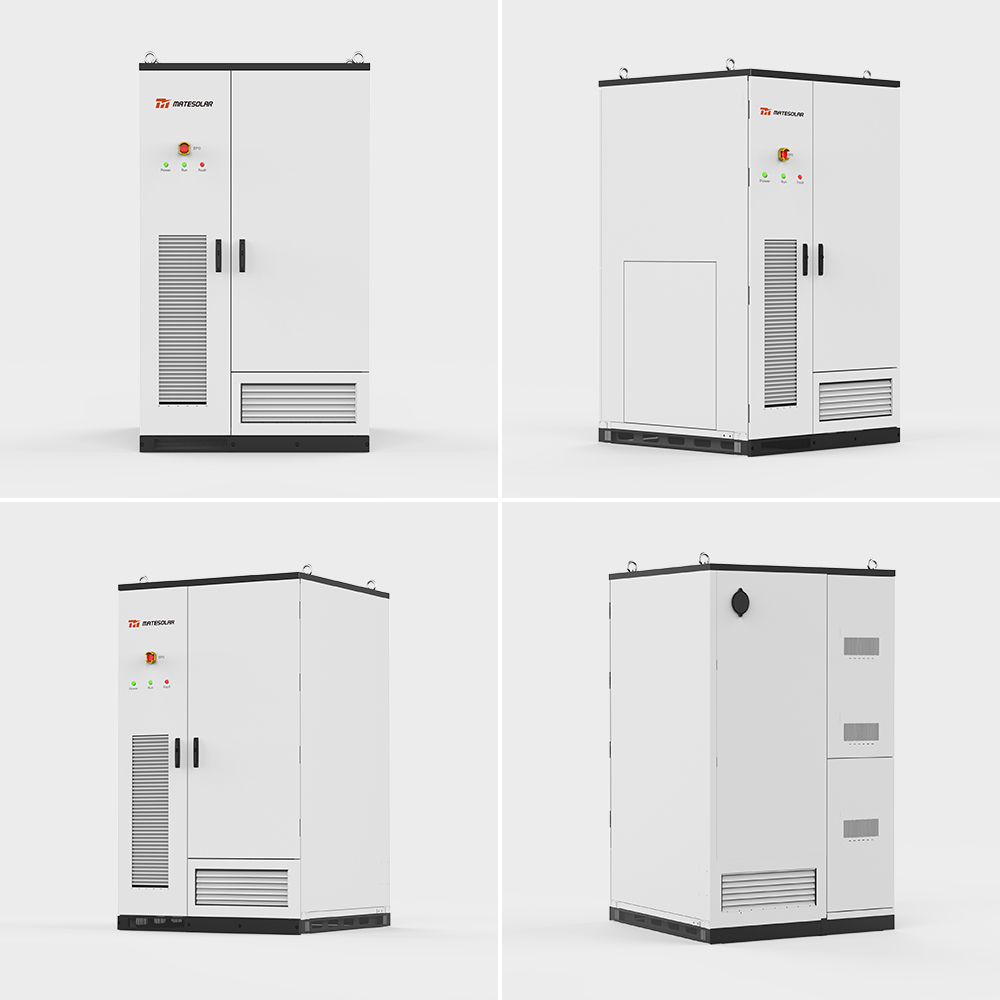
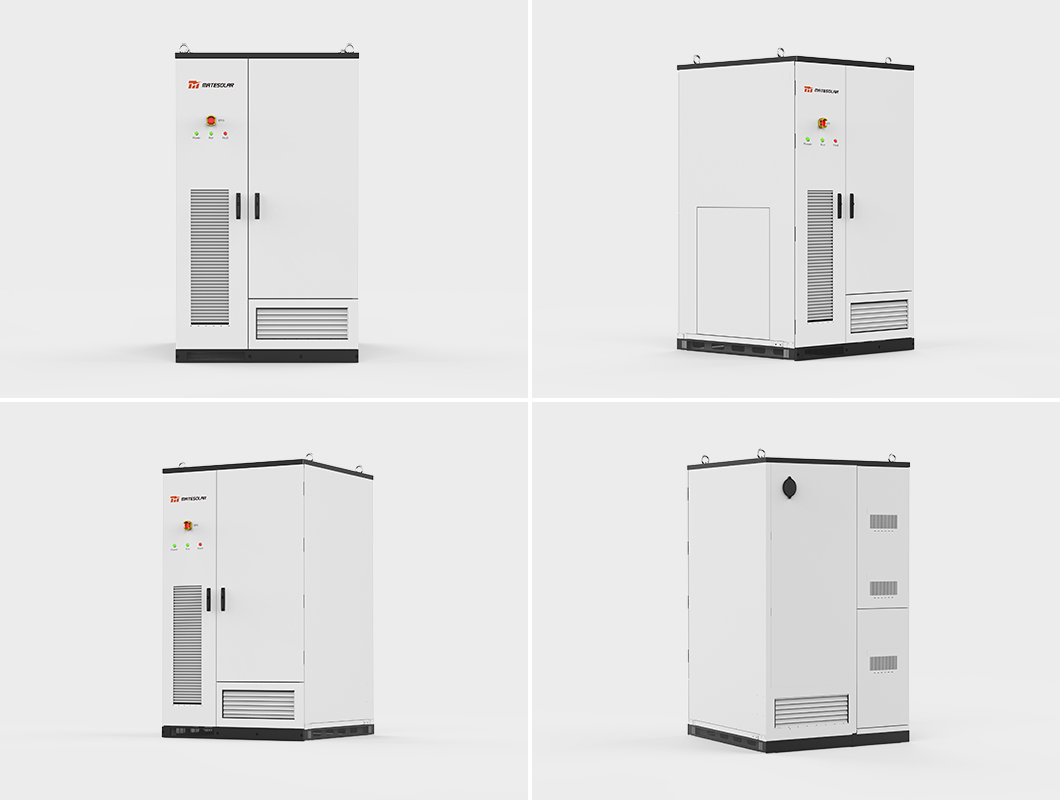
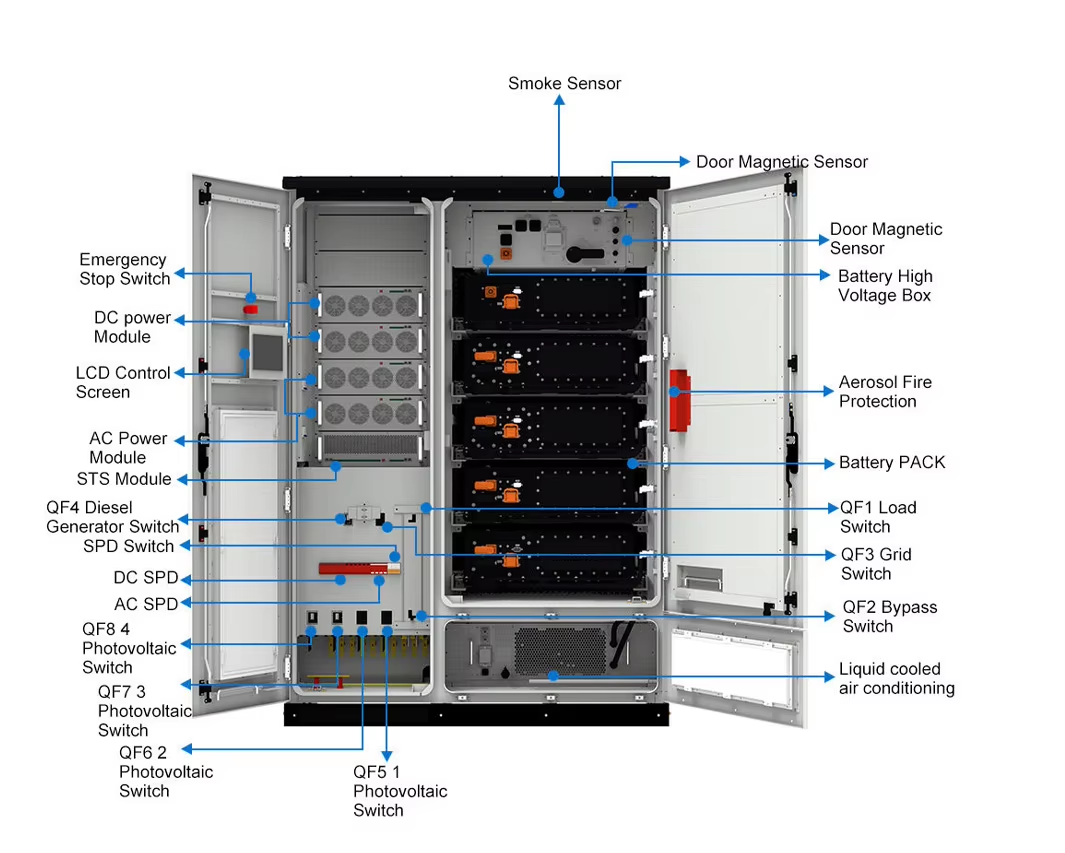
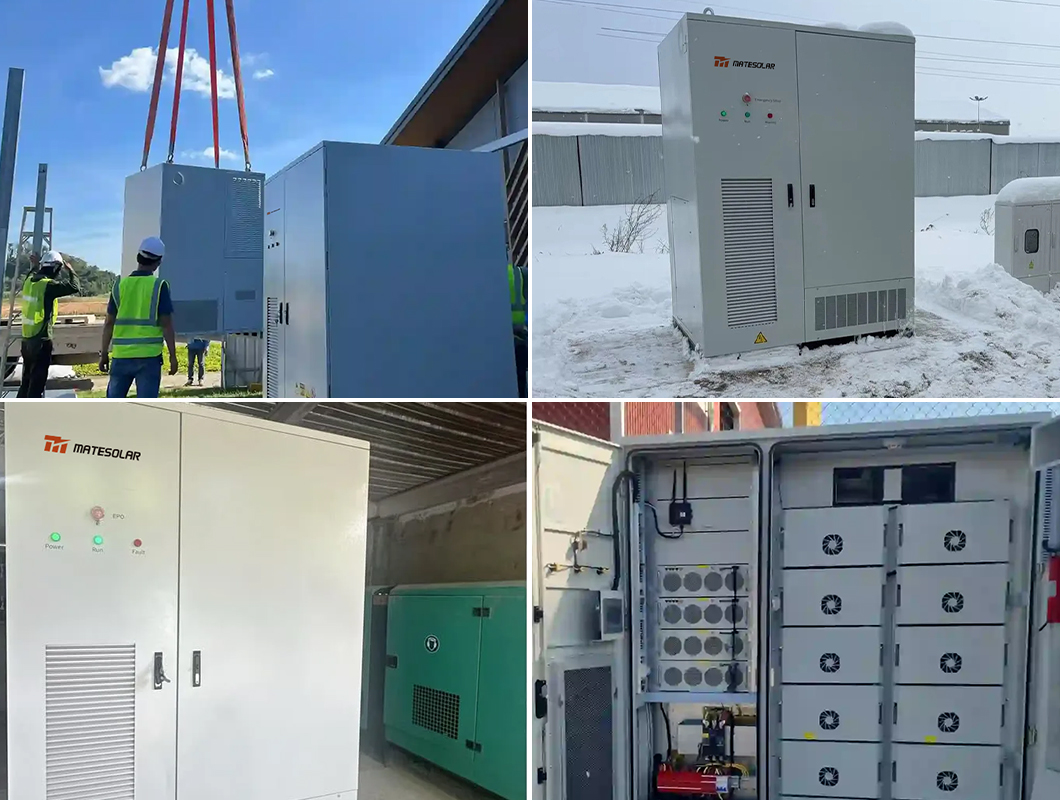
This model features a single-cabinet independent design with a rated power of 100kW and a nominal capacity of 233kWh, suitable for small and medium-sized industrial and commercial users. Its core advantage lies in its high integration—highly integrating the battery pack, liquid cooling system, battery management system (BMS), power converter (PCS), and fire protection system, occupying less than 1.5 square meters, facilitating transportation and rapid deployment.
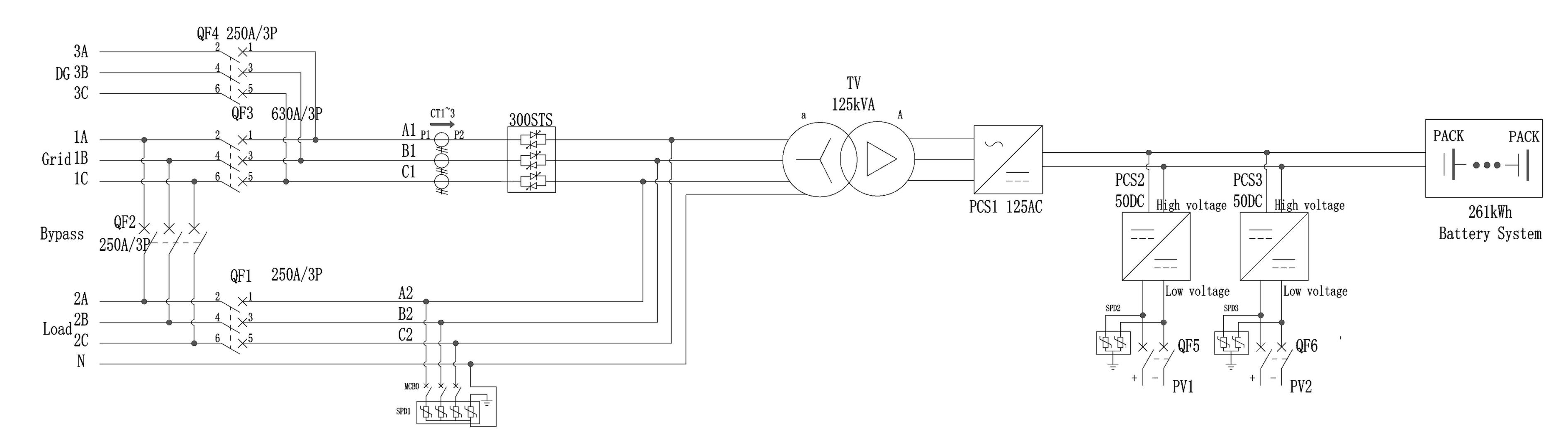
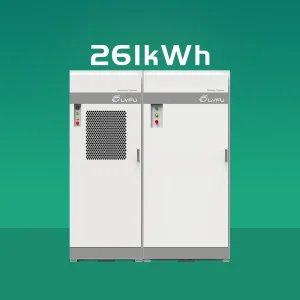
125kW/261kWh Liquid-Cooled Energy Storage Cabinet
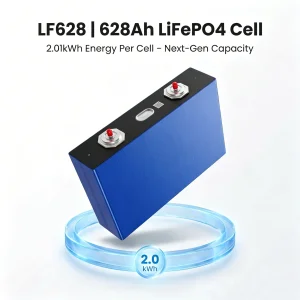
This is an upgraded version in terms of power and capacity, with power increased to 125kW and capacity increased to 261kWh. While maintaining the same footprint, energy density is improved through optimized cell assembly structure (such as using 280Ah or 314Ah high-capacity cells), making it suitable for scenarios requiring higher charge/discharge rates or longer backup power times.
Technical Specifications
| Parameter |
MTBK-100kW/233kWh |
MTBK-125kW/261kWh |
| Battery Rated Capacity |
232kWh |
261kWh |
| Battery Cell Capacity |
280Ah |
314Ah |
| Rated AC Power |
100kW |
125kW |
| Dimension (W * D * H) |
1600*1350*2300mm |
1600*1350*2300mm |
| Weight |
3180kg |
3330kg |
| Protection Level |
IP55 |
IP55 |
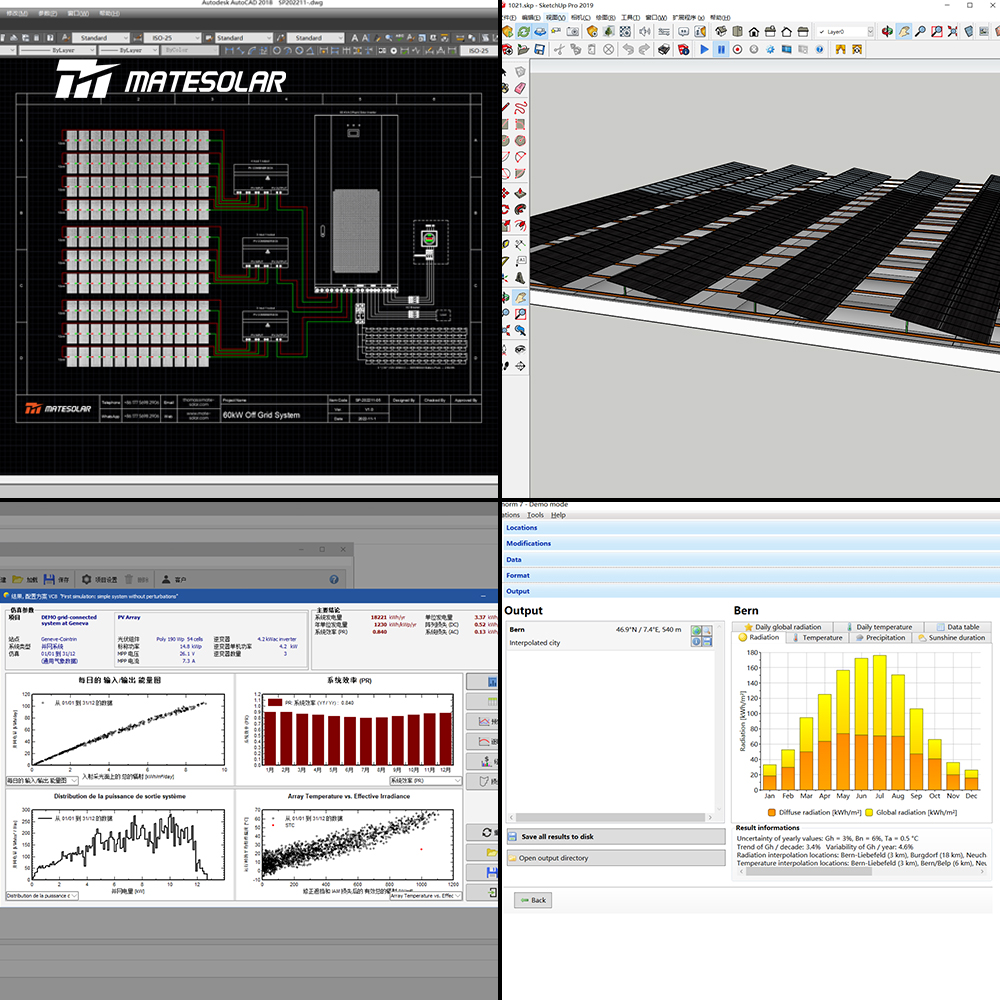
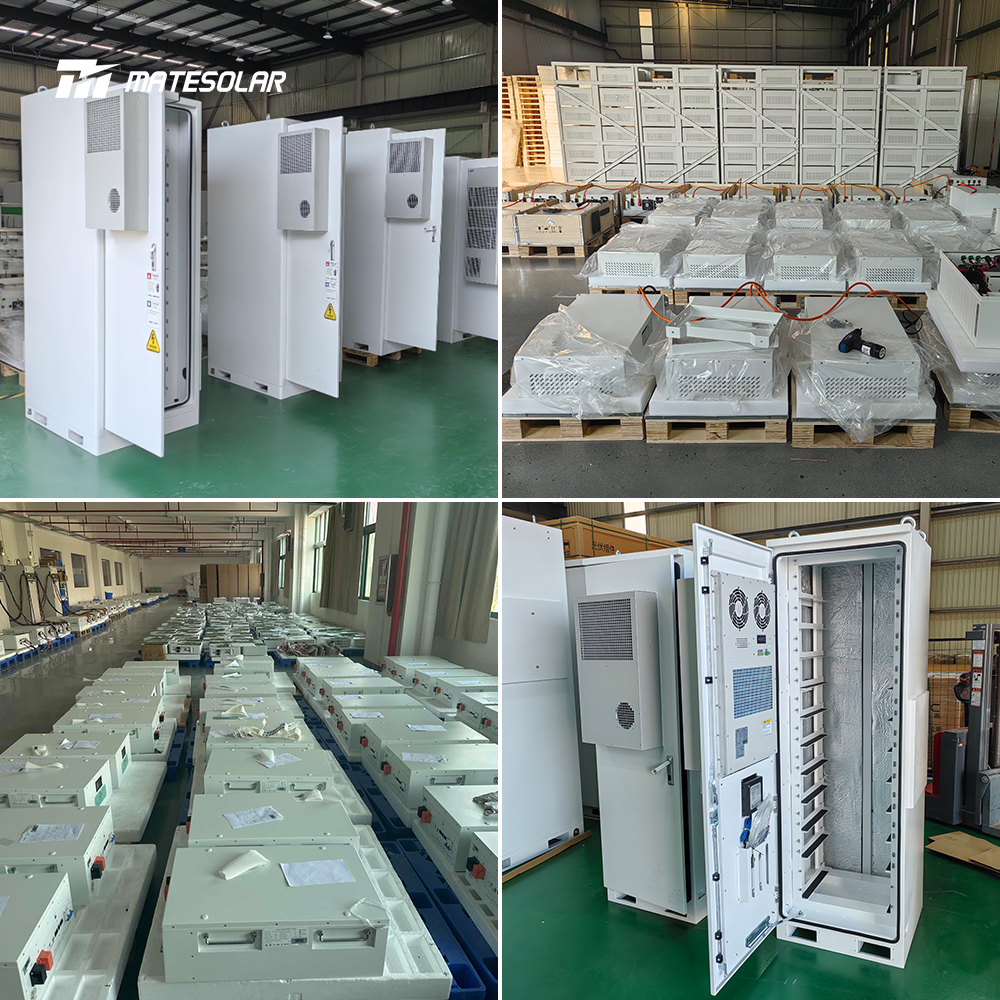
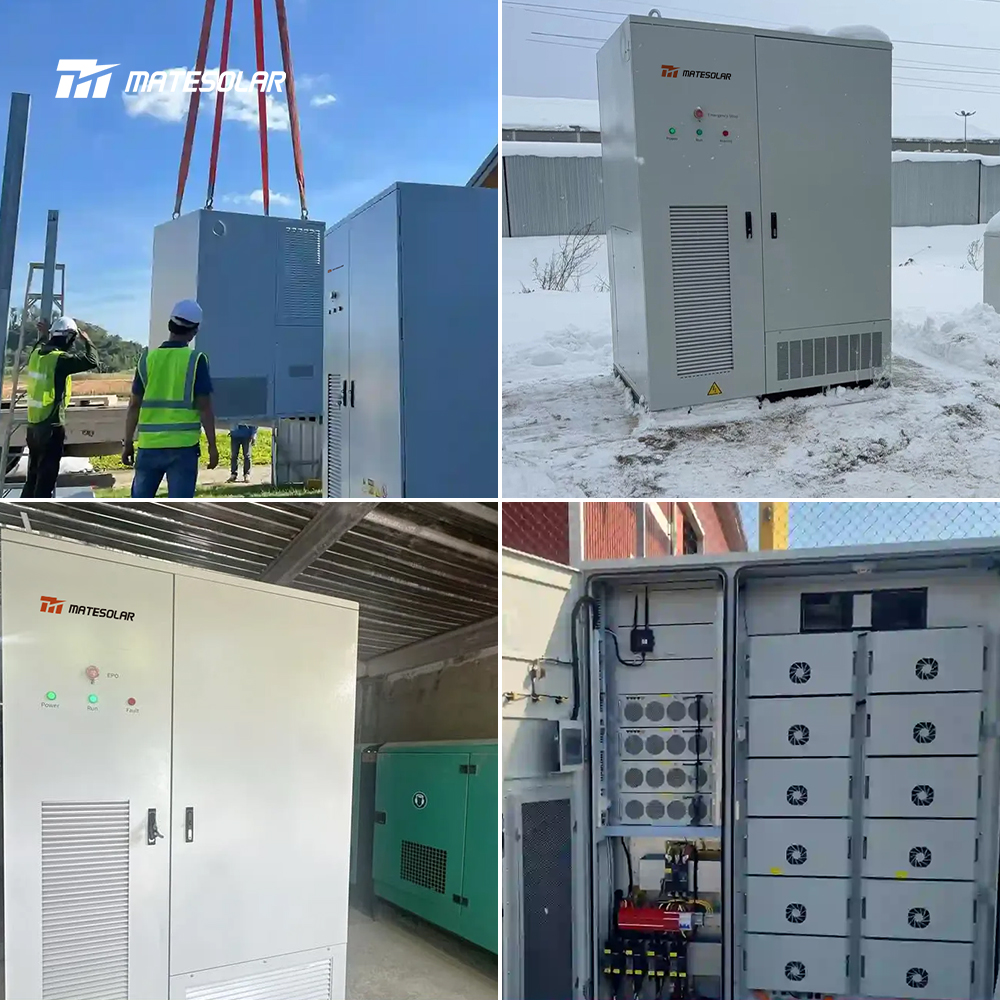
Applications Structure & Projects
FAQ
Q1: What are the main differences between these two liquid-cooled energy storage cabinets?
A1: The main difference lies in the rated power and battery capacity. The 100kW/233kWh model is suitable for scenarios with slightly lower power requirements but longer discharge times; the 125kW/261kWh model has higher power and is suitable for applications with large load fluctuations and requiring rapid response.
Q2: What are the advantages of liquid cooling technology compared to air cooling?
A2: Liquid cooling has higher heat dissipation efficiency, smaller cell temperature differences, and can extend battery cycle life; it also has better system sealing and can adapt to harsh environments.
Q3: What application scenarios are these two energy storage cabinets suitable for?
A3: Widely used in industrial and commercial parks for peak-valley arbitrage, demand management, backup power, and integrated photovoltaic-storage-charging stations.
Q4: What safety features are included in the product design?
A4: A multi-level protection system is employed, including battery-level cell monitoring, pack-level fuse protection, and system-level automatic fire suppression devices.
Q5: Is the installation and commissioning of the equipment complex?
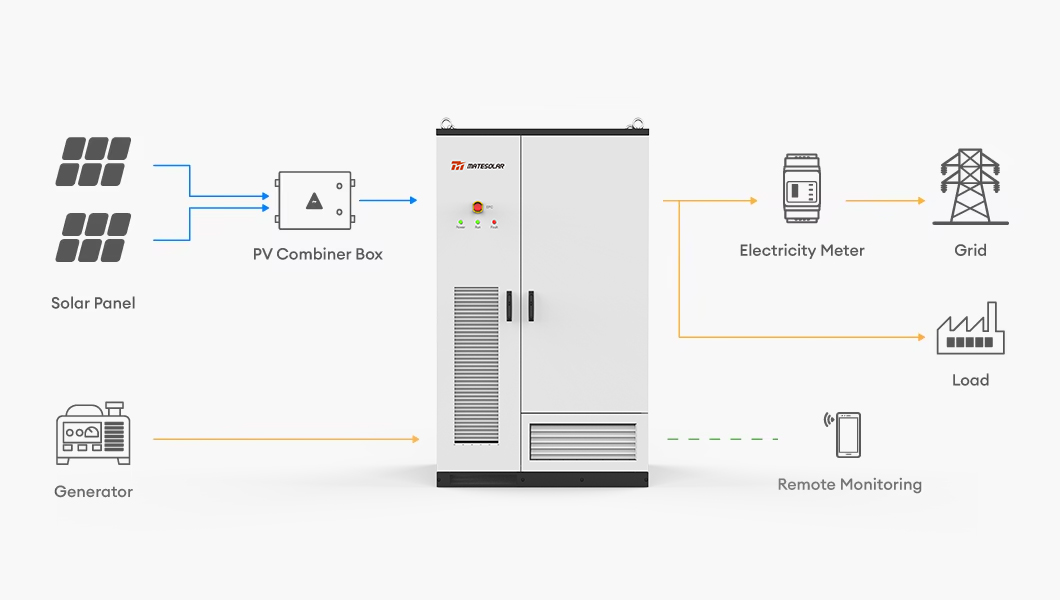
A5: The product adopts a pre-installed integrated design. On-site work only requires foundation construction, equipment placement, external cable connection, and grid connection commissioning.
Q6: Does it support remote monitoring and energy management?
A6: Yes. It comes standard with an Energy Management System (EMS), which can access the cloud platform via 4G/Ethernet to achieve real-time data monitoring, remote parameter setting, and fault alarms.