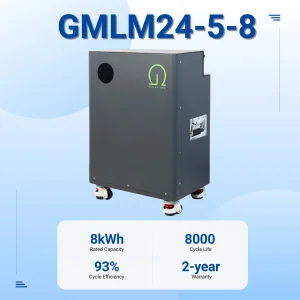
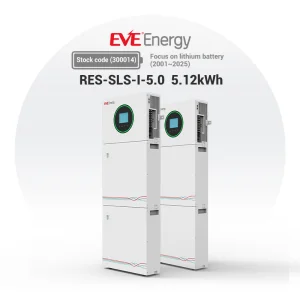
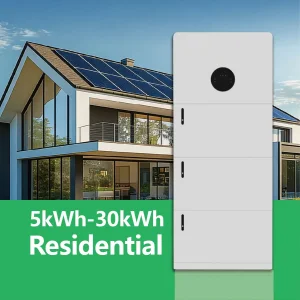
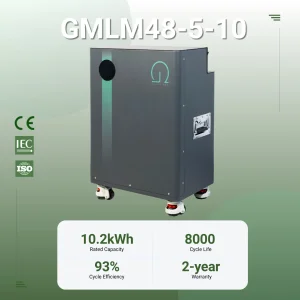
The Netherlands is undergoing a rapid transition toward a fully electrified and decentralized energy grid. With the progressive phase-out of the "Salderingsregeling" (net metering scheme), Dutch homeowners are increasingly facing a crucial decision: to export solar energy back to the grid for diminishing returns, or to optimize self-consumption. Residential Energy Storage Systems (RESS) have shifted from a luxury convenience to an economic necessity in the Netherlands.
High levels of solar PV adoption in Dutch provinces have led to grid congestion. Local utilities are frequently capping feed-in capacities. Installing a high-efficiency Residential Energy Storage System from a reliable manufacturer allows homeowners to buffer excess solar generation, mitigating grid strain while ensuring household energy autonomy.
China is currently the global epicenter of lithium battery innovation. By partnering with manufacturers like Hangzhou CCSC Energy, Dutch distributors, EPC contractors, and system integrators gain access to:
The next decade of residential energy storage will be defined by "Grid-Interactive" and "AI-Driven" management. Our engineering roadmap includes:
Hangzhou CCSC Energy Co., Ltd. is a professional Energy Storage System Manufacturer specializing in battery energy storage, renewable power integration, and smart energy solutions for residential, commercial, industrial, and utility-scale applications. Based in Hangzhou, China, the company focuses on developing advanced energy storage technologies that help customers improve energy efficiency, enhance power reliability, and support the transition toward sustainable energy systems.
With expertise in energy storage engineering and system integration, CCSC Energy provides comprehensive solutions covering battery energy storage systems (BESS), renewable energy storage integration, commercial and industrial energy storage, backup power systems, microgrid applications, distributed energy infrastructure, and intelligent energy management platforms.
Inquire for Distribution Opportunities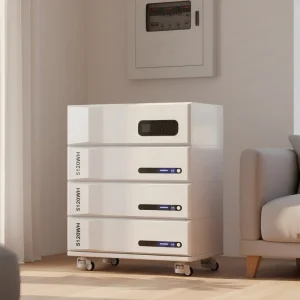
All-in-One Solar Energy Storage System 11kw 20.48kwh
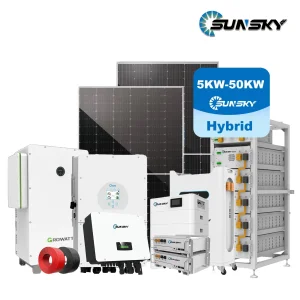
Sunsky All-in-One Residential 10 Kw Hybrid Inverter System
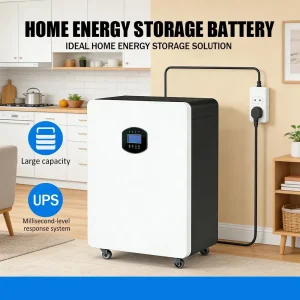
Smart BMS LiFePO4 Lithium Battery Residential Energy Storage System
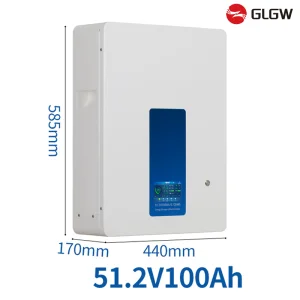
Wall-Mounted Residential Battery Storage LiFePO4
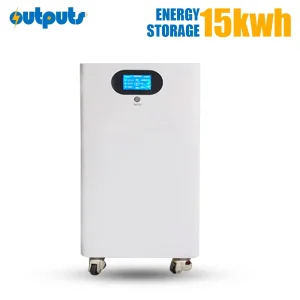
15kwh 51.2V 300ah Energy Storage LFP Battery
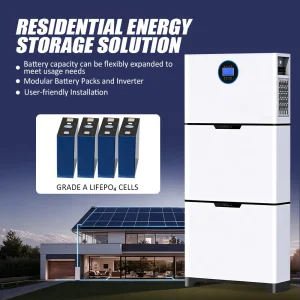
All-in-One Solar Energy Storage System with Hybrid Inverter
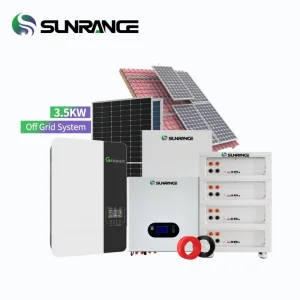
Full Kit Solar System 5kw-30kw Off-Grid Hybrid
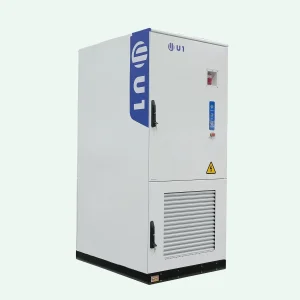
Portable Emergency Power Residential Battery System
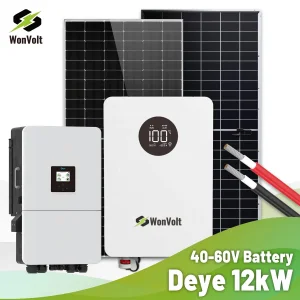
Reliable 6kw-20kw Residential PV Energy Storage System
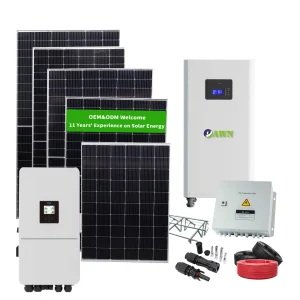
Residential Solar Energy Storage Solutions 5kw to 20kw
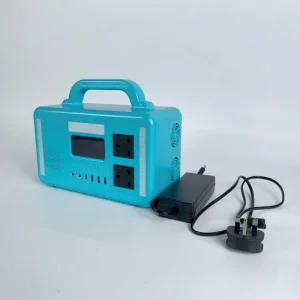
Residential Solar Systems with Battery Storage for Campers
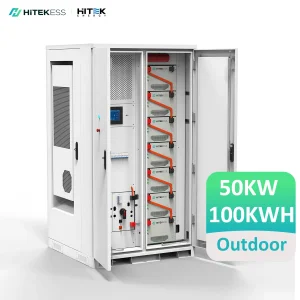
Hitek Energy 30kw 50 Kw Rooftop Solar Battery Storage
Yes. All our products are manufactured according to strict international quality standards, including CE, IEC, and UN38.3 certifications, making them ready for deployment in the Netherlands and the broader European market.
Absolutely. Our hybrid inverter systems are designed to be retrofitted with existing PV installations, allowing homeowners to add storage to an operational solar system without requiring a full overhaul.
By shifting energy usage to off-peak hours and storing excess solar generation, our systems reduce the amount of energy pushed into the grid during peak production times, directly helping to alleviate local grid stress.
 CCSC Energy