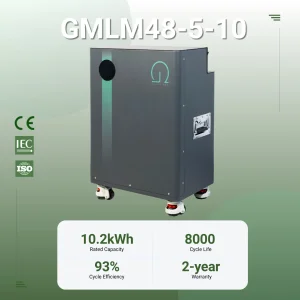
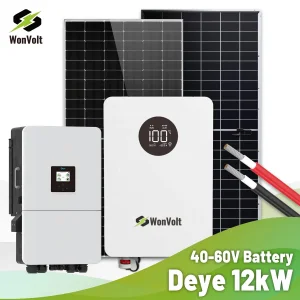
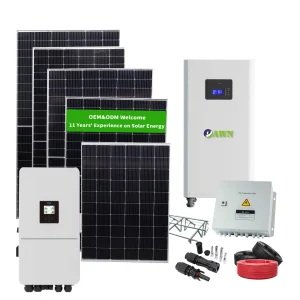
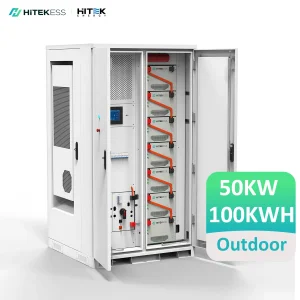
Explore our leading lithium-based storage systems engineered for maximum safety, continuous power delivery, and effortless system integration.
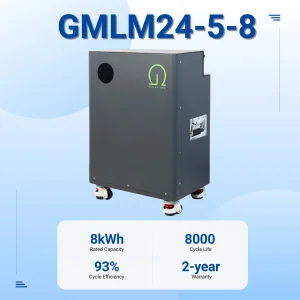
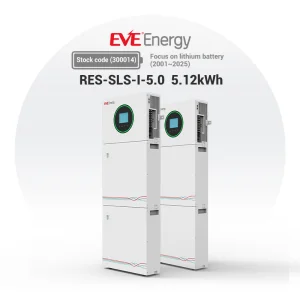
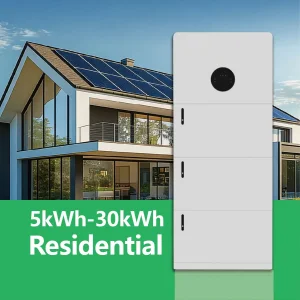
Eritrea stands at a unique geographical and economic crossroads, characterized by substantial solar irradiation profiles alongside localized power grid complexities. In metropolitan centers like Asmara, Massawa, and Keren, residential and light commercial operations frequently struggle with power quality instability and supply deficits. Traditional diesel generator backups, though common, pose immense operating cost challenges due to fuel supply volatility, high maintenance rates, and ecological impacts.
Consequently, the transition toward decentralized Residential Energy Storage Systems (RESS) integrated with photovoltaic generation has transitioned from an environmental ideal to a critical economic imperative. High-ambient temperatures in coastal zones such as the Red Sea region require thermal management innovation within battery modules, ensuring cells remain within optimal operational parameters to protect lifespan and prevent thermal runaway.
“Decentralized solar-plus-storage frameworks offer Eritrea a sustainable bypass past traditional utility delays, delivering true off-grid independence for remote areas and grid resilience for urban zones.”
Eritrea's agricultural processing, mining operations, and telecommunication nodes represent crucial vectors of national development. Power infrastructure in these sectors requires 24/7 reliability that simple grid-tied solar systems cannot guarantee. By deploying hybrid solar kits equipped with high-capacity Lithium Iron Phosphate (LiFePO4) storage, local companies dramatically reduce runtime expenses on diesel generation.
Furthermore, local battery storage addresses peak demand management, ensuring start-up currents for heavy machinery or centralized conditioning systems do not trigger local circuit shutdowns. This integration is vital for small manufacturing hubs and remote medical facilities throughout the country's six regions.
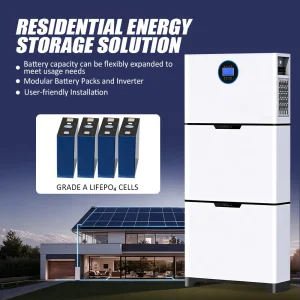
The global energy storage system market has experienced a definitive shift toward Lithium Iron Phosphate (LiFePO4) chemistry. LFP offers outstanding safety characteristics, high thermal stability, and an extended life cycle count compared to ternary (NMC) batteries. For markets with elevated ambient profiles like Eritrea, LFP provides the critical margins of safety needed to prevent cell degradation over ten to fifteen years of service.
International engineering, procurement, and construction (EPC) firms, alongside local importers, focus heavily on strict compliance frameworks. Top tier systems must achieve certifications including IEC 62619, UL 1973, CE, and UN38.3. These standards verify that battery packs undergo extensive mechanical stress, electrical overcharge, and thermal propagation resistance tests before departure.
Modern residential storage systems are no longer passive chemical repositories. Today’s smart microgrids demand advanced Battery Management Systems (BMS) with IoT integration. A high-performance BMS enables real-time monitoring of state-of-charge (SoC), state-of-health (SoH), and cell balancing parameters. This allows for remote diagnostic routines via cloud architecture, enabling off-site engineering support to address localized issues before they result in system failures.
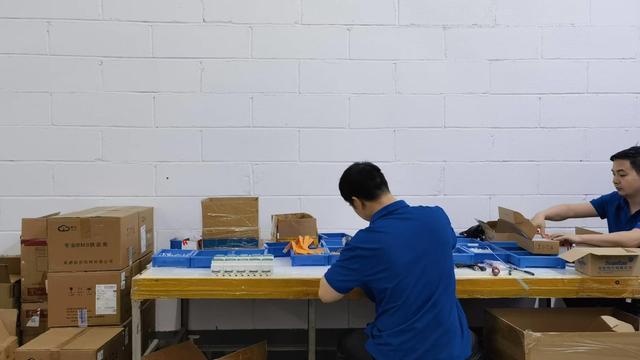
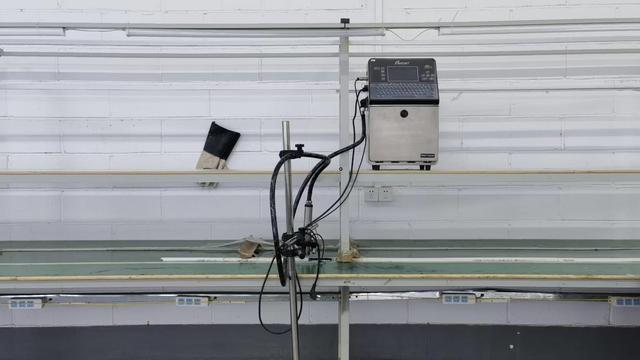
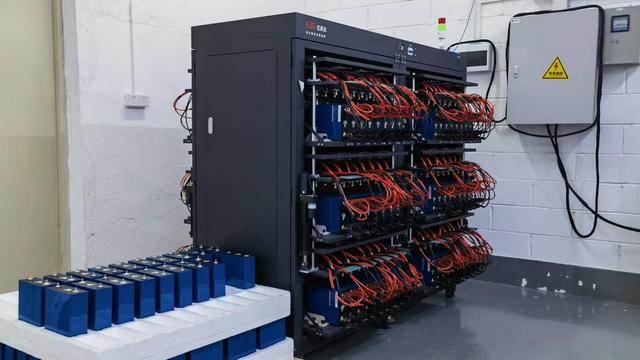
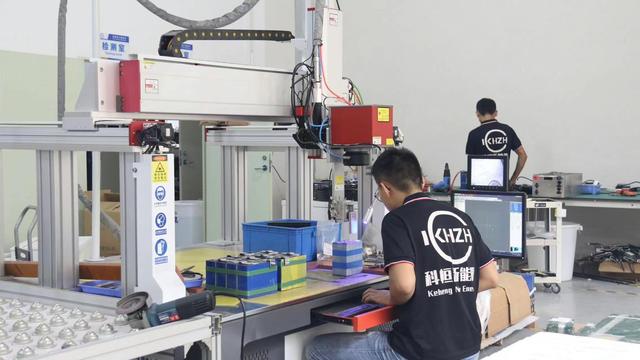
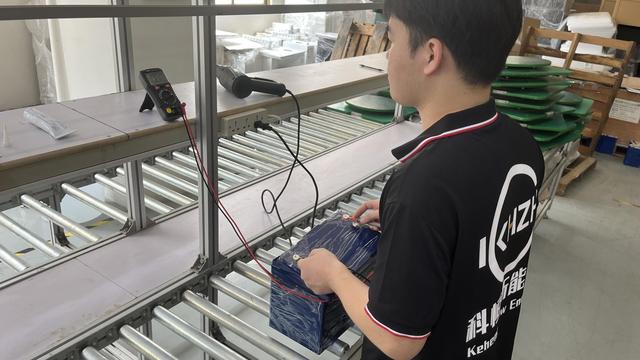
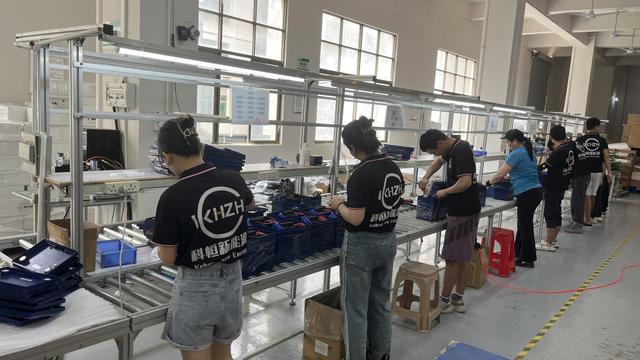
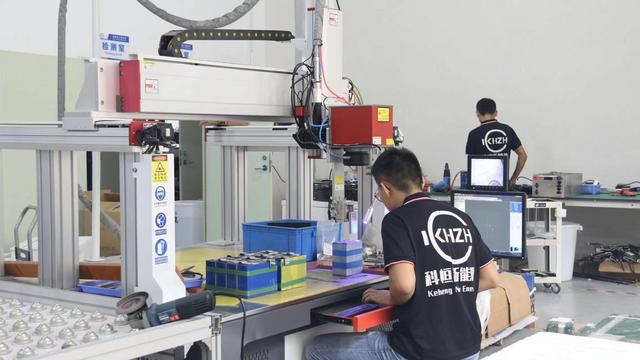
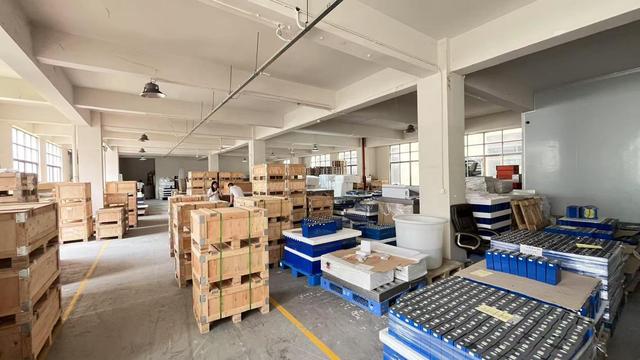
Hangzhou CCSC Energy Co., Ltd. stands as a premier manufacturer specializing in advanced lithium battery integration and energy management solutions. Operating from Hangzhou, China, our manufacturing facilities embody Factory 4.0 principles, integrating robotic cell sorting, automated laser welding, and digital testing regimes that eliminate human error. We maintain a reliable supply chain that ensures high-grade raw materials are secured, tested, and assembled under strict ISO 9001, ISO 14001, and ISO 45001 protocols.
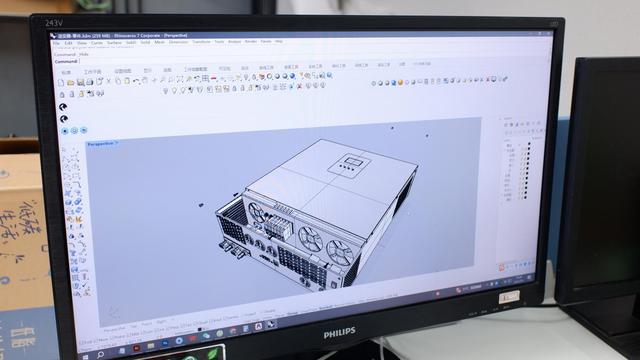
Our engineering team works closely with project developers, EPC contractors, and international energy service providers. From system sizing and custom BMS configuration to long-term lifecycle support, CCSC Energy guarantees delivery of resilient battery energy storage systems (BESS). We support clients worldwide in transitioning from volatile grid reliance to clean energy independence, ensuring every containerized or residential unit meets top international performance benchmarks.
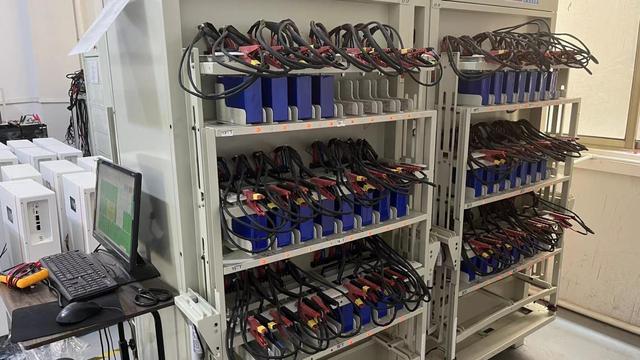
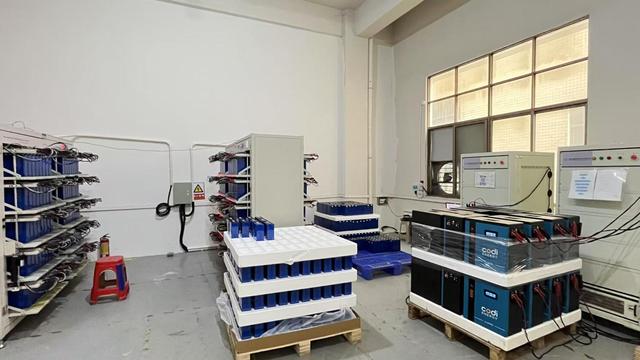
Eritrea’s rural farming economies rely heavily on solar water pumping. Our high-voltage battery storage systems allow farmers to store solar energy gathered during peak sunlight hours to run deep irrigation pumps during late evenings and early mornings, maintaining crop yields without grid connection.
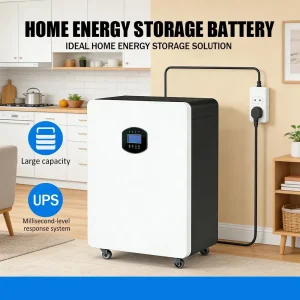
In Asmara, scheduled blackouts present challenges for domestic and corporate functions. Our hybrid residential systems automatically switch to battery backup within milliseconds of grid loss, providing uninterrupted power for IT infrastructure, medical storage, and home comforts.
Telecommunication repeaters throughout the mountainous terrain need continuous power. Incorporating our low-voltage, smart BMS-managed battery packs prevents downtime of communication links, operating efficiently even under harsh thermal stress.
Expert insights on deploying, sizing, and operating residential energy storage systems in East African conditions.
Our complete catalog of energy storage products, engineered for robust cycling, custom scale operations, and remote microgrid deployments.
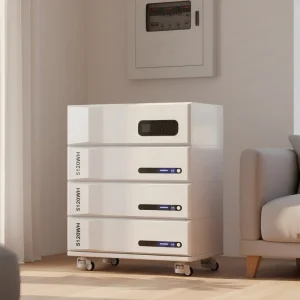
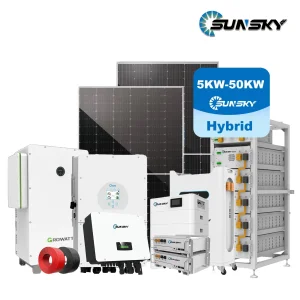
Ready to deploy reliable, high-cycling energy storage infrastructure in Eritrea? Contact our team today for system sizing guidance, custom quotes, and deep-dive technical consultations.
Send Inquiry Now CCSC Energy