Engineered for Colombia's diverse climate conditions, from high-humidity coastal zones to high-altitude Andean hubs.
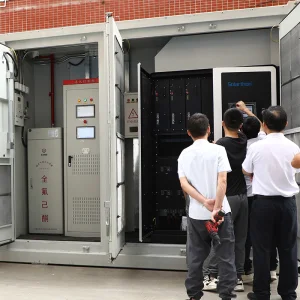
Fully integrated intelligent storage configurations designed to eliminate peak demand charges and balance volatile renewable inputs across complex local infrastructure.
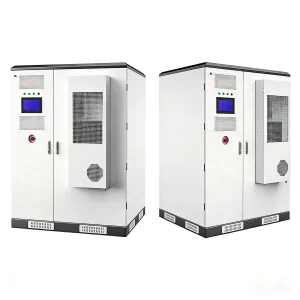
High-power modular battery systems tailored for substation deployment, primary frequency response, and smoothing the integration of solar and wind generation.
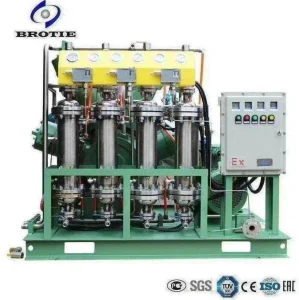
Industrial hydrogen storage systems providing multi-day energy reserve capability, closing the seasonal gap that traditional battery tech cannot address.
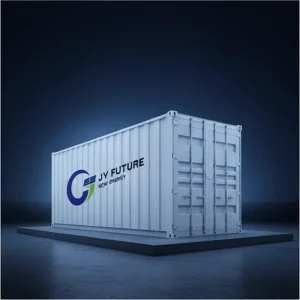
High-density LFP setups characterized by safety-critical liquid cooling systems, ideal for commercial microgrids looking to maximize internal solar consumption.
Navigating the transition from centralized hydroelectric assets to dynamic, decentralized non-conventional renewable energy (FNCER) systems.
Historically, Colombia has relied on its massive hydroelectric infrastructure to deliver clean electricity, accounting for over 70% of the national energy mix. However, the system's susceptibility to severe climate oscillations—specifically the El Niño phenomenon—reveals critical vulnerabilities. Droughts diminish dam water levels, leading to price spikes on the *Bolsa de Energía* and triggering emergency reliance on fossil-fuel thermal backup plants. Consequently, diversification of the grid has emerged as an urgent priority for both the national government (via *UPME* and the *Ministerio de Minas y Energía*) and private enterprises.
The acceleration of solar PV installations in zones like Cesar and Tolima, alongside utility-scale wind deployment in La Guajira, introduces severe supply-side volatility. Without advanced battery energy storage systems (BESS), the existing grid (SIN - *Sistema Interconectado Nacional*) faces congestion bottlenecks. This dynamic drives a structural shift toward localized, high-capacity, grid-scale and commercial-industrial battery storage installations. To maintain reliability, these BESS configurations provide grid-stabilizing capabilities, primary frequency response, and active peak-shaving functionality.
Unlocking capacity limitations in regional transmission lines, allowing solar assets to generate power continuously without curtailment.
Enabling C&I customers to charge systems during low-demand pricing and discharge during peak hours, reducing overall utility spend.
Securing remote zones (ZNI - *Zonas No Interconectadas*) against total system blackouts and reliance on expensive, dirty diesel transport.
Understanding how next-generation LFP and EMS technologies redefine safety and longevity metrics on a global scale.
On the international landscape, renewable energy storage has transitioned from a secondary stabilizing element to a primary grid asset. This transformation is driven by technological advancements in battery chemistries, thermal management strategies, and intelligent Energy Management Systems (EMS). High-voltage, liquid-cooled Lithium Iron Phosphate (LiFePO4) systems have emerged as the industry gold standard. Compared to traditional Cobalt-based chemistries, LFP offers superior thermal runaway resistance, longer cycle life (often exceeding 6,000 to 8,000 cycles at 80% Depth of Discharge), and eco-friendly raw-material sourcing.
Simultaneously, the industry is witnessing a transition from conventional air cooling to advanced active liquid cooling loops. Liquid cooling reduces cell-to-cell temperature variations to less than 2°C, directly preventing localized degradation hotspots. This ensures that utility-scale systems can operate safely in environments characterized by high ambient temperatures, such as the northern plains of Colombia. When combined with multi-level Battery Management Systems (BMS) conforming to UL 1973 and UL 9540A certification standards, current BESS assets offer unprecedented fire-suppression capability and predictive health analysis.
Standard LFP Cycle Life
Cell Temp Variation
BMS Monitoring Accuracy
Thermal Safety Certified
For project developers, engineering houses, and heavy industries throughout Colombia, storage solutions generally fall into three vital deployment categories:
Industrial hubs in Bogotá, Medellín, and Cali face complex demand tariff brackets. Under the current regulation, peak charges can represent a high percentage of monthly commercial power bills. By deploying our integrated BESS systems, manufacturing facilities can charge battery banks during off-peak windows and run operations off battery power during demand spikes, realizing immediate OPEX reductions.
Over half of Colombia's territory—including vast sectors of the Amazon, Pacific coast, and eastern plains—rests outside the main interconnected grid. Historically, these areas rely on cargo ships or trucks carrying expensive, carbon-intensive diesel fuel. Hybrid solar-plus-storage microgrids provide stable 24/7 electricity, enabling clean energy distribution for communities, hospitals, and local telecom networks.
As traditional thermoelectric units retire and variable wind/solar capacities rise, grid operators (XM) require fast-frequency response to stabilize frequency swings. Large-scale utility energy storage systems respond to sub-second grid variations, injecting or absorbing real and reactive power on command, thereby maintaining grid reliability and preventing cascading outages.
A global pioneer in Battery Energy Storage Systems (BESS) engineering, integration, and deployment support.
Hangzhou CCSC Energy Co., Ltd. is a professional Energy Storage System Manufacturer specializing in battery energy storage, renewable power integration, and smart energy solutions for residential, commercial, industrial, and utility-scale applications. Based in Hangzhou, China, the company focuses on developing advanced energy storage technologies that help customers improve energy efficiency, enhance power reliability, and support the transition toward sustainable energy systems.
With expertise in energy storage engineering and system integration, CCSC Energy provides comprehensive solutions covering battery energy storage systems (BESS), renewable energy storage integration, commercial and industrial energy storage, backup power systems, microgrid applications, distributed energy infrastructure, and intelligent energy management platforms. Its solutions are designed to support a wide range of applications, including solar energy utilization, peak demand management, grid stabilization, emergency power supply, and energy cost optimization.
The company is committed to delivering safe, efficient, and scalable energy storage solutions tailored to the needs of modern energy users. Its engineering team works closely with customers, project developers, EPC contractors, and energy service providers to design systems that align with specific operational requirements, performance objectives, and regulatory standards. From project planning and system design to manufacturing and technical support, CCSC Energy offers comprehensive services throughout the project lifecycle.
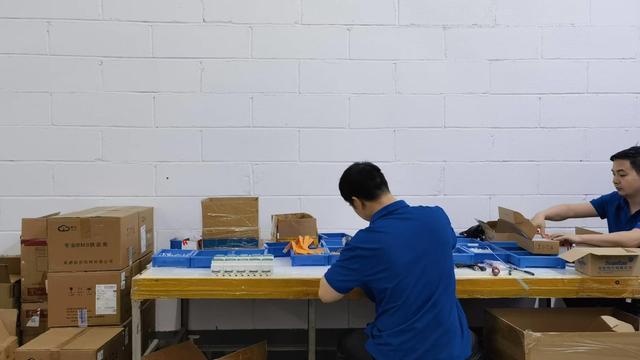
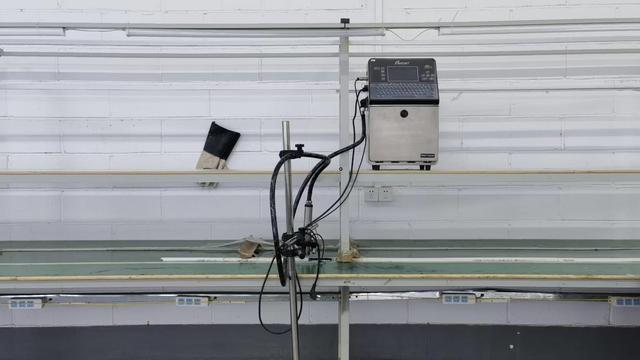
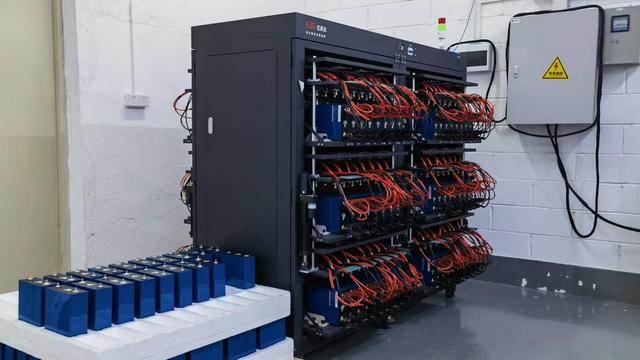
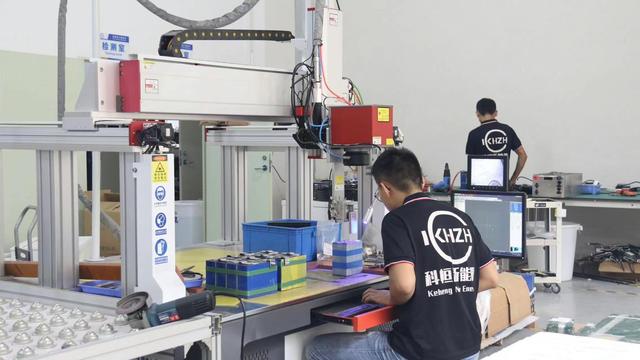
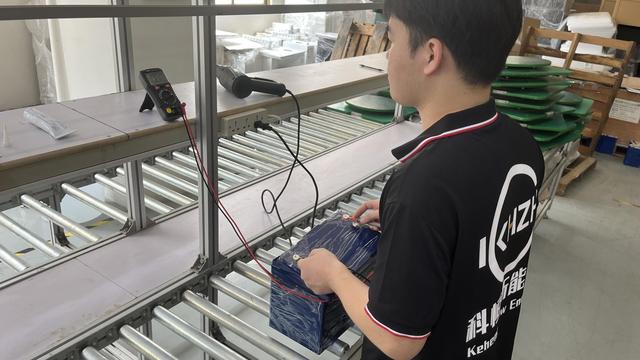
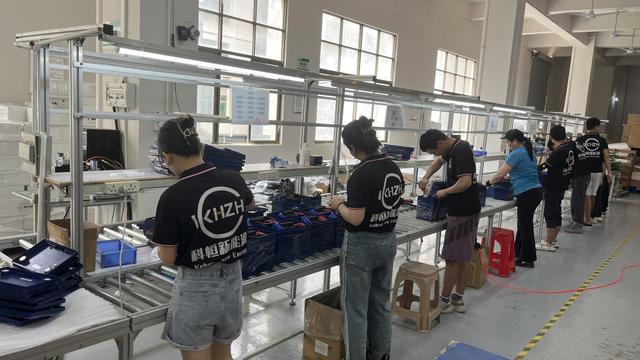
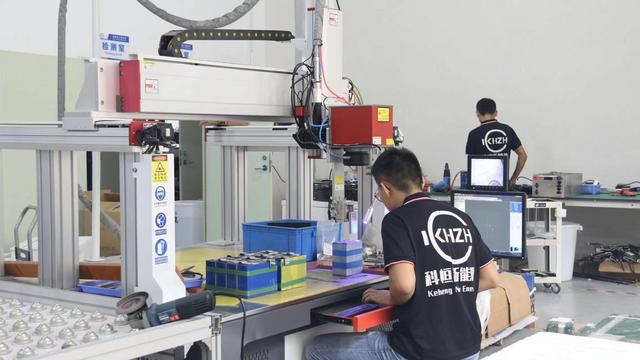
Equipped with advanced manufacturing facilities and stringent quality management processes, the company emphasizes product reliability, operational safety, and long-term performance. Continuous investment in research and development enables CCSC Energy to integrate intelligent monitoring technologies, advanced battery management systems, and smart energy control platforms into its solutions.
Serving customers across Asia, Europe, North America, South America, the Middle East, and other global markets, Hangzhou CCSC Energy Co., Ltd. is dedicated to providing innovative energy storage solutions that support renewable energy adoption, strengthen power resilience, and contribute to a more efficient and sustainable energy future.
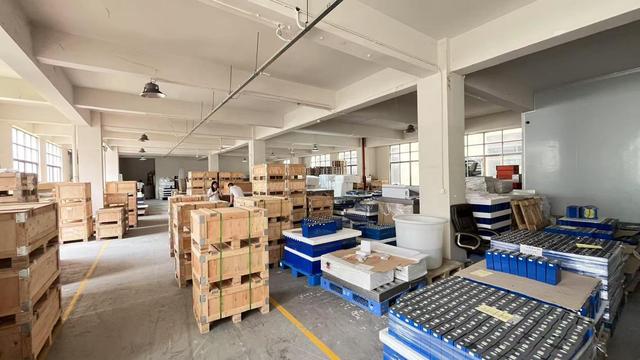
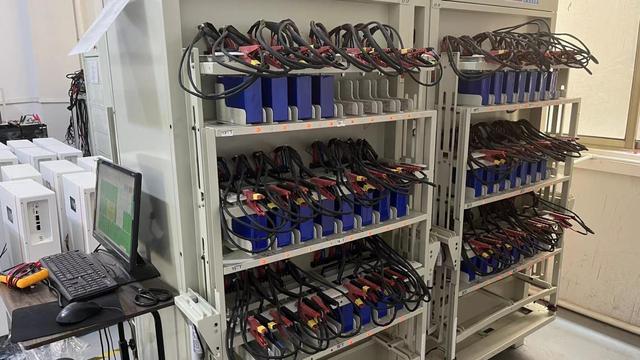
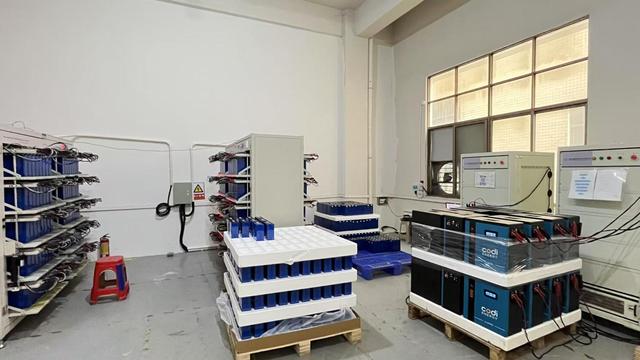
A comprehensive portfolio of scalable, safe, and certified energy storage technologies for Colombian projects.
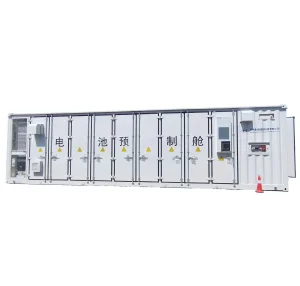
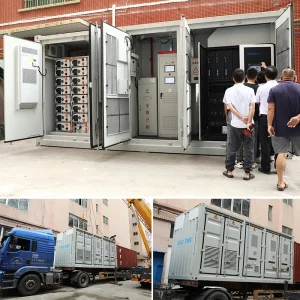
High-density liquid-cooled containerized BESS optimized for utility sub-stations, providing maximum power capacity per square meter.
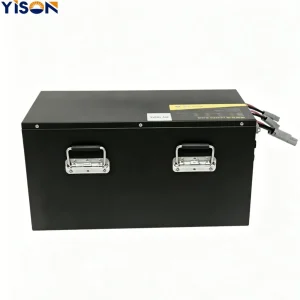
Compact LiFePO4 battery pack optimized for small commercial applications or luxury residential backup power in intermittent grid zones.
Flexible modular battery bank optimized for seamless integration with rooftop photovoltaic setups, delivering independent power security.
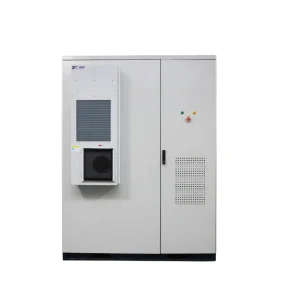
Compact design, built-in active cooling and comprehensive aerosol fire suppression. Ideal for malls, offices, and mid-sized manufacturing.
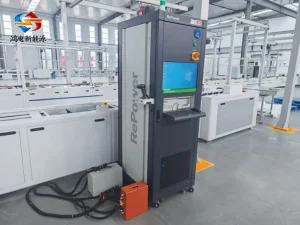
Centralized energy management platform that balances generation and consumption to extend lifecycle and maximize financial returns.
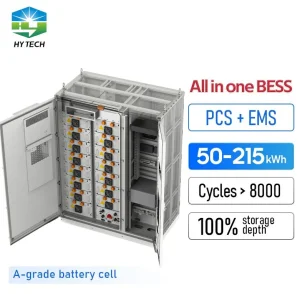
Engineered to support heavy commercial motor startup loads and variable generator integrations for demanding off-grid operations.
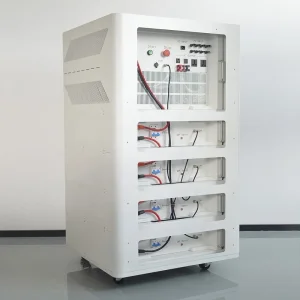
Designed with simplified modular installation requirements, reducing the complexity of mechanical deployment in remote operations.
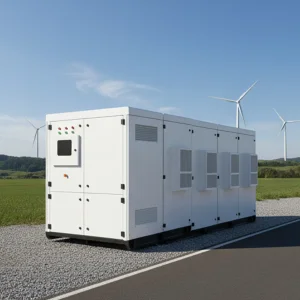
Combined power conversion system (PCS) and solar inverter setup. Streamlines field wiring requirements and reduces localized failure points.
A strategic vision detailing the synthesis of next-generation chemical storage with virtualized power grid structures.
As we approach 2030, the storage landscape will transform through integration with Virtual Power Plants (VPPs) and artificial intelligence algorithms that orchestrate distributed batteries as singular grid assets. BESS units are evolving beyond localized hardware assets; they are becoming nodes in a complex, digitalized power web. AI-enabled energy management software is starting to analyze historical pricing models, weather forecasts, and manufacturing demand cycles, enabling systems to dynamically reserve or release battery power in real time.
Simultaneously, the industry is preparing for the scaling of solid-state battery cells and long-duration storage technologies, including green hydrogen compression and flow batteries. These innovations aim to offer higher energy density, minimized fire hazard profiles, and storage lifespans that match the lifetime of solar arrays (up to 20-25 years). For industrial regions in Colombia, this technological progression promises a self-sustaining grid architecture resilient to natural disruptions.
CCSC Energy remains at the forefront of this evolution, continually integrating IoT-based cloud monitoring and active cell-balancing technologies. Our R&D division focuses on compatibility with emerging hydrogen energy models and advanced smart inverter interfaces. This ensures that the systems deployed today are prepared for future grid architectures.
The core elements of a comprehensive, reliable utility-grade storage project.
A successful battery storage project requires a system-oriented approach. Below are the key components of our integrated engineering solutions:
Utilizing high-grade LFP cells, mechanical thermal barriers, and aerosol-based active fire suppression systems to meet international safety standards.
Employing high-efficiency smart inverters that support black start capability, dynamic grid synchronization, and automatic islanding.
Real-time system monitoring, state-of-health tracking, and economic dispatch scheduling that integrates with existing SCADA structures.
Key technical and commercial answers regarding renewable energy storage project planning and execution in Colombia.
 CCSC Energy