Direct grid-integration and commercial utility-ready systems engineered for Australian grid dynamics.
How battery storage is driving the ACT region towards 100% clean power transition.
The Australian Capital Territory (ACT) is a global leader in climate action, having achieved 100% renewable electricity. However, the path forward is complex. As Canberra transitions its commercial, institutional, and light industrial hubs—such as Fyshwick, Hume, and Mitchell—away from fossil fuels, the local electrical grid managed by Evoenergy faces substantial infrastructure challenges. The high penetration of rooftop solar combined with rapid electrification of public transit depots and corporate fleets demands decentralized, resilient, and highly secure Battery Energy Storage Systems (BESS).
For Canberra businesses and public sector developers, energy storage is no longer just a sustainability goal; it is a critical strategy for grid cost containment and operational resilience. By integrating industrial-scale lithium storage solutions, operators can mitigate high network demand charges, eliminate solar output curtailment, and access lucrative grid stability revenues through Virtual Power Plants (VPPs) and Frequency Control Ancillary Services (FCAS).
A benchmark for engineering managers selecting energy storage technologies for Australian projects.
Selecting the correct battery chemistry and architecture determines the return on investment (ROI) and longevity of the system. In Australia's climate, thermal stability and degradation management are key parameters. We focus strictly on Lithium Iron Phosphate (LiFePO4 / LFP) chemistry due to its superior safety profile, absence of cobalt, and resistance to thermal runaway. Below is a structural comparison of energy storage deployments for varying industrial and commercial architectures in Canberra.
| System Type | Typical Capacity Range | Primary Chemistry | Cooling Design | Target Application |
|---|---|---|---|---|
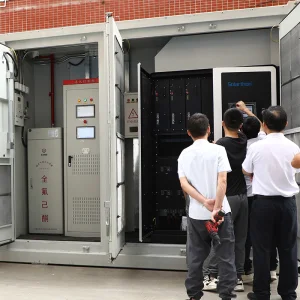
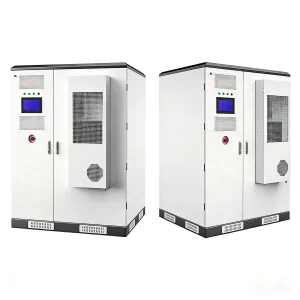
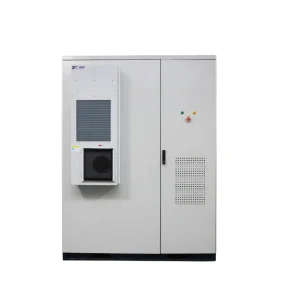
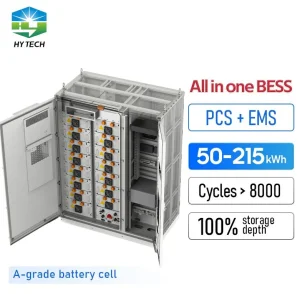
| C&I Cabinet Systems | 50kWh – 250kWh | LiFePO4 (LFP) | Forced Air / Liquid Cooling | Commercial buildings, charging hubs, peak shaving |
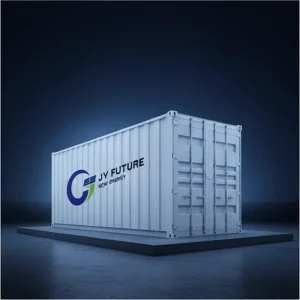
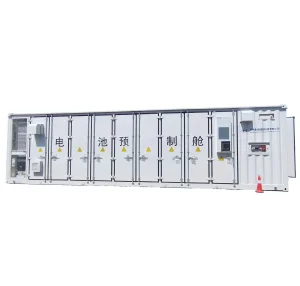
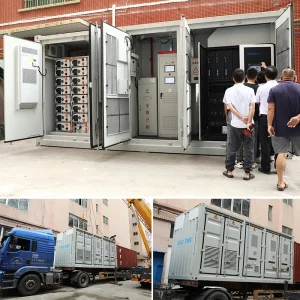
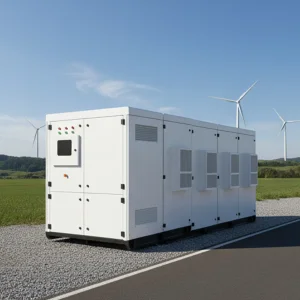
| Containerized BESS | 500kWh – 6.7MWh | LiFePO4 (LFP) | Advanced Liquid Cooling | Grid-scale support, microgrids, solar parks |
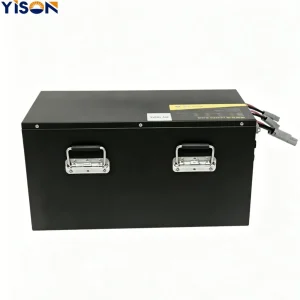
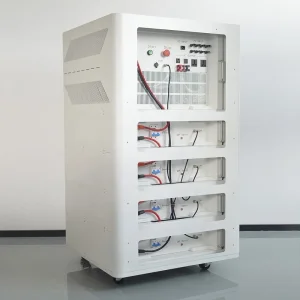
| Residential Wall-Mount | 5kWh – 20kWh | LiFePO4 (LFP) | Passive Natural Cooling | Solar backup, smart homes, off-grid cottages |
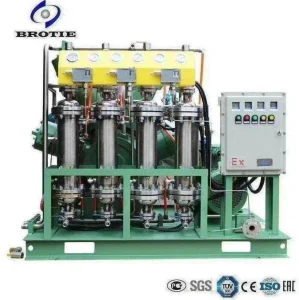
| Hydrogen Long-Duration | MWh equivalent | Compressor / Cell integration | Active cooling loop | Seasonal storage, industrial process integration |
Achieve the lowest Levelized Cost of Storage (LCOS) via high round-trip efficiency (>92%) and extended cycle life up to 6000 cycles at 80% DOD.
Every cell is protected by multi-tier safety layers including physical pressure release valves, active aerosol fire suppression, and battery monitoring (BMS).
Fully compatible with modern SCADA, Modbus TCP, and dynamic utility VPP software platforms for automated peak shaving and spot market trading.
Adhering strictly to CEC listing, AS/NZS standards, and local network registration criteria.
Deploying storage solutions within Canberra and the broader Australian market demands rigorous compliance. The Clean Energy Council (CEC) maintains strict registries of approved batteries and inverters. The installations must conform to AS/NZS 5139 (electrical safety and hazard mitigation guidelines for battery system installations) and AS/NZS 4777.2:2020 for inverter grid connections.
Furthermore, connection approvals with local network service providers like Evoenergy require meticulous engineering documentation, including reactive power capability diagrams, single-line diagrams (SLD), and dynamic grid simulation models. System builders must verify that BESS hardware is built with robust C5-high corrosion protection and IP55 to IP65 weatherproofing, allowing unit durability in Canberra's unique weather profile—ranging from sub-zero winter nights to hot, dry summer days.
Hangzhou CCSC Energy Co., Ltd. - Empowering global energy transitions with certified, high-grade storage hardware.
Hangzhou CCSC Energy Co., Ltd. is a professional Energy Storage System Manufacturer specializing in battery energy storage, renewable power integration, and smart energy solutions for residential, commercial, industrial, and utility-scale applications. Based in Hangzhou, China, the company focuses on developing advanced energy storage technologies that help customers improve energy efficiency, enhance power reliability, and support the transition toward sustainable energy systems.
With expertise in energy storage engineering and system integration, CCSC Energy provides comprehensive solutions covering battery energy storage systems (BESS), renewable energy storage integration, commercial and industrial energy storage, backup power systems, microgrid applications, distributed energy infrastructure, and intelligent energy management platforms. Its solutions are designed to support a wide range of applications, including solar energy utilization, peak demand management, grid stabilization, emergency power supply, and energy cost optimization.
The company is committed to delivering safe, efficient, and scalable energy storage solutions tailored to the needs of modern energy users. Its engineering team works closely with customers, project developers, EPC contractors, and energy service providers to design systems that align with specific operational requirements, performance objectives, and regulatory standards. From project planning and system design to manufacturing and technical support, CCSC Energy offers comprehensive services throughout the project lifecycle.
Equipped with advanced manufacturing facilities and stringent quality management processes, the company emphasizes product reliability, operational safety, and long-term performance. Continuous investment in research and development enables CCSC Energy to integrate intelligent monitoring technologies, advanced battery management systems, and smart energy control platforms into its solutions.
Serving customers across Asia, Europe, North America, South America, the Middle East, and other global markets, Hangzhou CCSC Energy Co., Ltd. is dedicated to providing innovative energy storage solutions that support renewable energy adoption, strengthen power resilience, and contribute to a more efficient and sustainable energy future.
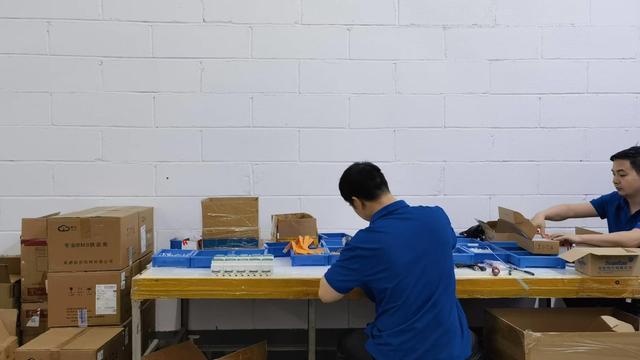
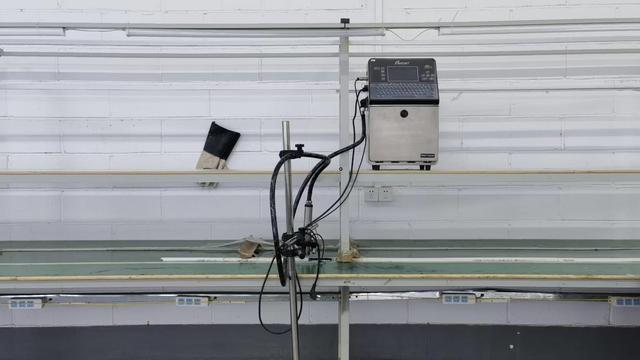
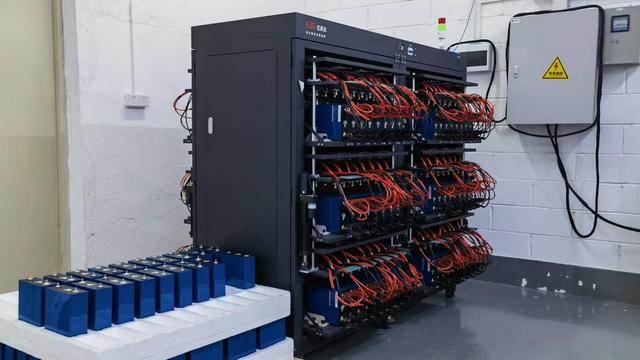
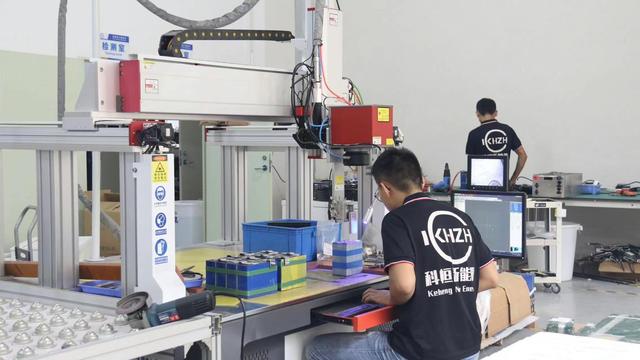
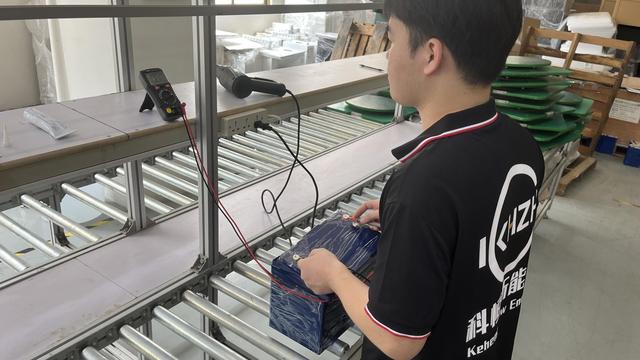
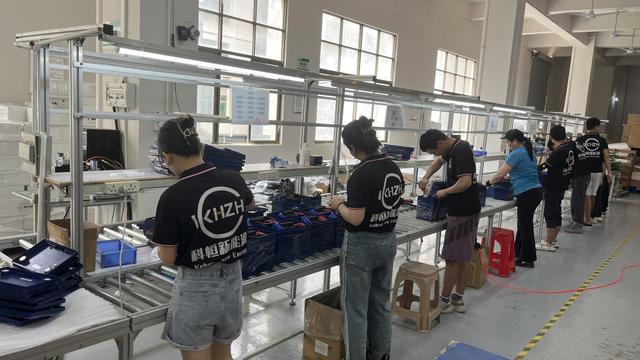
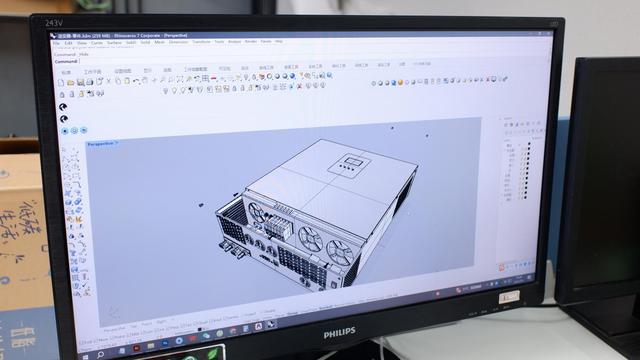
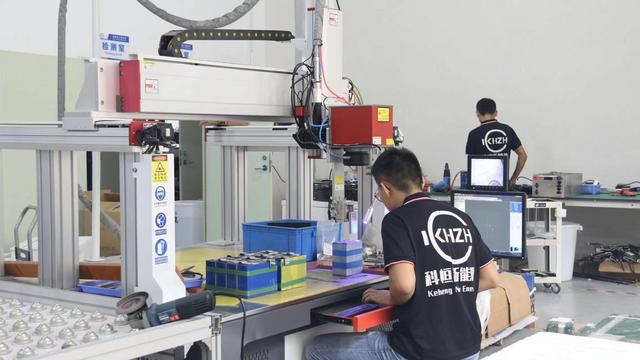
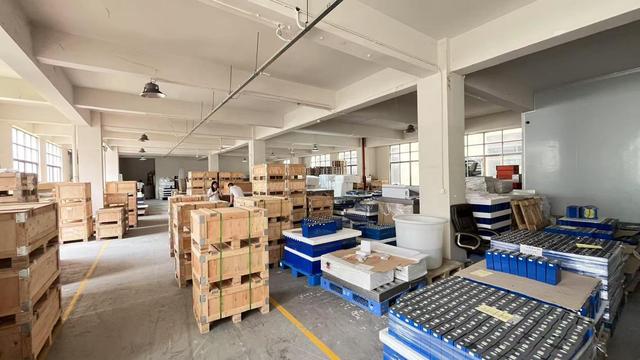
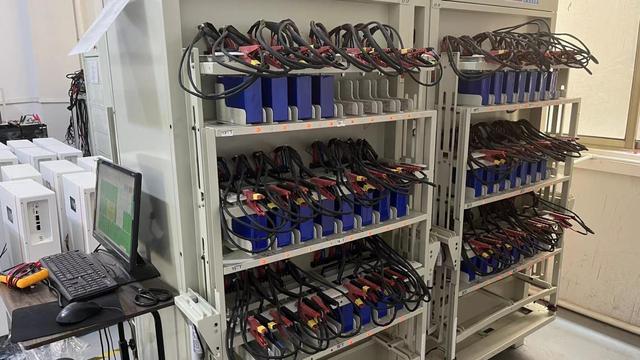
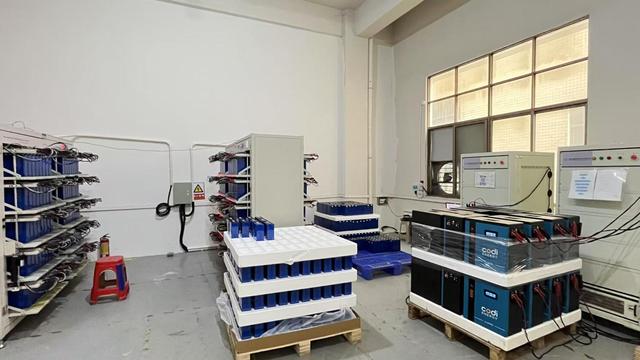
Ensuring streamlined delivery, tailored integration, and strict quality verification for worldwide operators.
For international procurement offices, utility managers, and Australian engineering procurement construction (EPC) contractors, the transition from design to physical commissioning requires flawless execution. CCSC Energy simplifies the supply chain through professional consulting, structural sizing calculations, thermal analysis, and grid compatibility matching. We ensure that our export products carry necessary certifications including UN38.3 (battery shipping safety), IEC 62619 (industrial lithium battery safety), UL 9540A, and CE.
Whether you require standard 20ft and 40ft containerized battery configurations, custom-built wall units, or tailored modular microgrid racks, our team provides reliable support, detailed drawings, and transparent production progress tracking. We guarantee that all systems shipped to Australian ports (such as Sydney, Melbourne, or Brisbane) are properly configured for overland transport directly to Canberra locations.
Select from our targeted systems designed for industrial, residential, and distributed microgrid projects.
Addressing core technical, integration, and regulatory queries for engineering and management stakeholders.
 CCSC Energy