Featured Tier-1 Solutions
Accelerate your decarbonization goals and secure power reliability with our premium industrial energy storage systems, custom-engineered for Hungary's strict grid requirements.
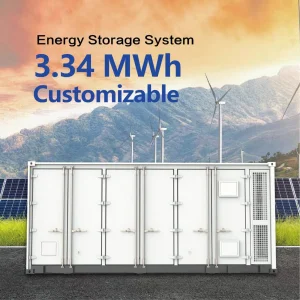
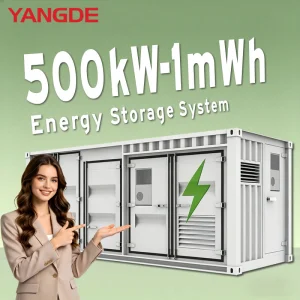
In-Depth Strategic Review
Hungary is currently undergoing an unprecedented energy transformation. In alignment with the National Energy and Climate Plan (NECP), the Hungarian government has committed to integrating substantial renewable energy assets. With solar power capacity already breaking records (surpassing 5.6 GW in recent years), the nation faces localized grid capacity restrictions. Hungarian network operators (DNOs like E.ON, MVM, and OPUS) have introduced demanding technical standards for new solar installations, making energy storage systems (BESS) a vital infrastructure asset rather than an optional choice.
The peak-shaving needs of industrial consumers in major hubs like Debrecen, Győr, and Kecskemét are mounting. Fluctuations in the wholesale electricity market, combined with rising capacity and network distribution fees, dictate that local enterprises adopt onsite storage to maintain cost predictability. By capturing excess solar power during midday and deploying it during Peak hours, local factories mitigate tariff volatility and secure a robust return on investment.
For Hungarian factories, utilizing battery storage systems solves three critical pain points: avoiding steep distribution fees for exceeding contracted capacity limits, generating income by participating in MAVIR's balancing capacity markets (aFRR/FCR services), and safeguarding sensitive automated manufacturing processes from micro-outages or voltage sags.
At a macro level, Hungary is positioned as a primary destination for EV battery gigafactories and automotive manufacturing in Central Europe. Securing a reliable green power supply is essential for these supply chains to satisfy EU-mandated corporate sustainability reporting directives (CSRD) and ESG requirements. High-density, liquid-cooled lithium-iron-phosphate (LFP) energy storage stands as the premier technology to power this transition safely.
Global Market Overview
The global commercial and industrial energy storage landscape is transitioning toward unified high-voltage architectures, shifting from traditional 1000V DC configurations to highly efficient 1500V DC layouts. This shift reduces system cabling requirements, optimizes power density, and boosts round-trip efficiency (RTE). In parallel, liquid cooling has established itself as the standard for thermal management. Unlike air cooling, liquid distribution keeps battery cells at highly stable operational temperatures, extending cell lifetimes and preventing local hotspot risks.
Globally, businesses are integrating BESS with Artificial Intelligence and cloud-based energy management systems (EMS). Modern EMS platforms monitor electricity markets in real time, orchestrate peak-shaving, track battery state-of-health (SoH), and automatically dispatch reserves to participate in lucrative frequency containment markets. As grids cope with the retirement of coal plants and the addition of variable wind and solar power, energy storage has become the primary mechanism for grid resilience.
Procurement Criteria
For global enterprise buyers, purchasing industrial energy storage demands a rigorous vetting process. It goes beyond upfront cost-per-kilowatt-hour. Key procurement metrics focus on safety standards (such as UL 9540A testing, IEC 62619, and local fire protection regulations), long-term cycle guarantees, and robust after-sales support.
Additionally, interoperability with existing building management systems (BMS) and supervisory control and data acquisition (SCADA) systems is crucial. Systems must offer flexible scaling options to facilitate simple capacity expansions in the future. For the Hungarian and broader European market, selecting equipment with certified CE markings and grid protection compliance documentation (like EN 50549-1/2) is a mandatory step to secure local utility approvals.
Manufacturing Integration & Supply Chain
China stands as the global epicentre for lithium-ion battery production, providing unmatched supply chain integration, raw material processing capabilities, and technological innovation. Hangzhou CCSC Energy Co., Ltd., based in the advanced manufacturing hub of Hangzhou, leverages this robust regional supply chain to engineer world-class industrial energy storage systems.
Hangzhou CCSC Energy Co., Ltd. is a professional Energy Storage System Manufacturer specializing in battery energy storage, renewable power integration, and smart energy solutions for residential, commercial, industrial, and utility-scale applications. Based in Hangzhou, China, the company focuses on developing advanced energy storage technologies that help customers improve energy efficiency, enhance power reliability, and support the transition toward sustainable energy systems.
With expertise in energy storage engineering and system integration, CCSC Energy provides comprehensive solutions covering battery energy storage systems (BESS), renewable energy storage integration, commercial and industrial energy storage, backup power systems, microgrid applications, distributed energy infrastructure, and intelligent energy management platforms. Its solutions are designed to support a wide range of applications, including solar energy utilization, peak demand management, grid stabilization, emergency power supply, and energy cost optimization.
The company is committed to delivering safe, efficient, and scalable energy storage solutions tailored to the needs of modern energy users. Its engineering team works closely with customers, project developers, EPC contractors, and energy service providers to design systems that align with specific operational requirements, performance objectives, and regulatory standards. From project planning and system design to manufacturing and technical support, CCSC Energy offers comprehensive services throughout the project lifecycle.
Equipped with advanced manufacturing facilities and stringent quality management processes, the company emphasizes product reliability, operational safety, and long-term performance. Continuous investment in research and development enables CCSC Energy to integrate intelligent monitoring technologies, advanced battery management systems, and smart energy control platforms into its solutions.
Serving customers across Asia, Europe, North America, South America, the Middle East, and other global markets, Hangzhou CCSC Energy Co., Ltd. is dedicated to providing innovative energy storage solutions that support renewable energy adoption, strengthen power resilience, and contribute to a more efficient and sustainable energy future.
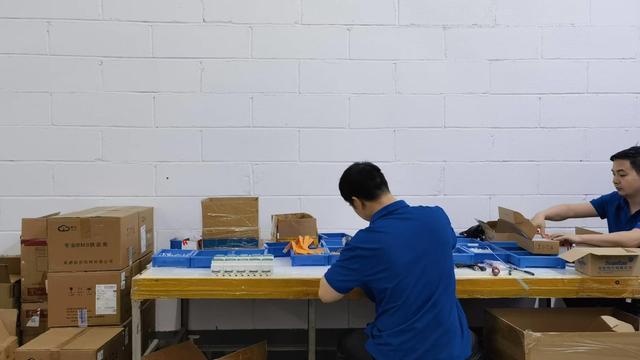
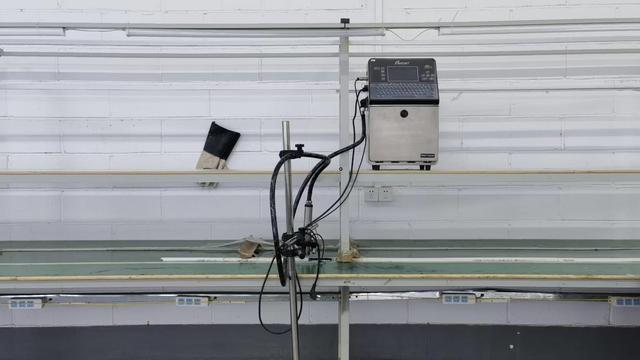
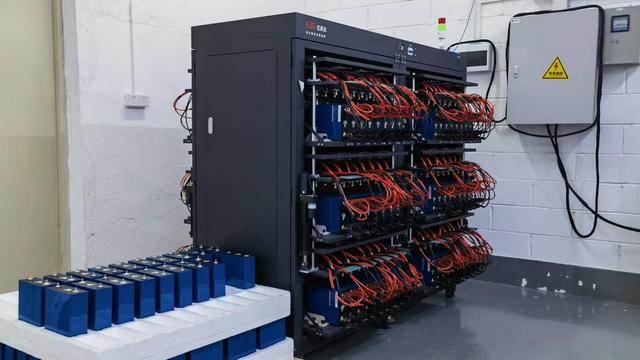
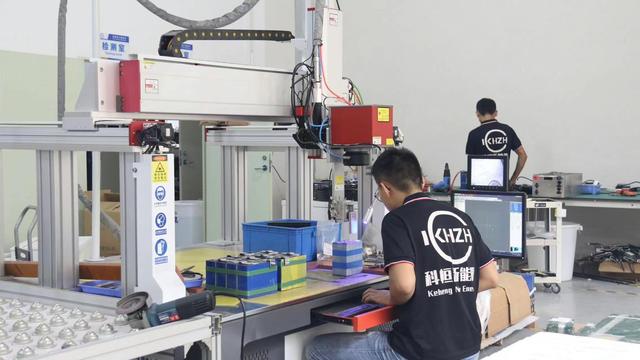
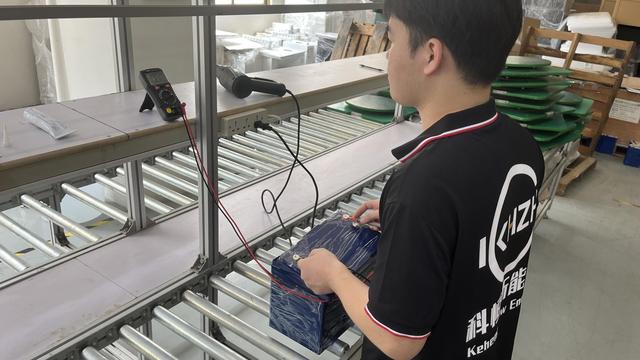
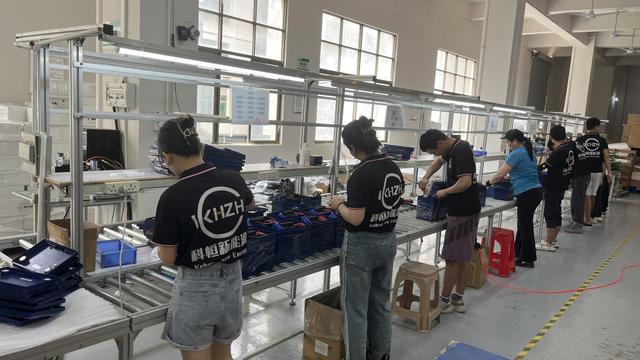
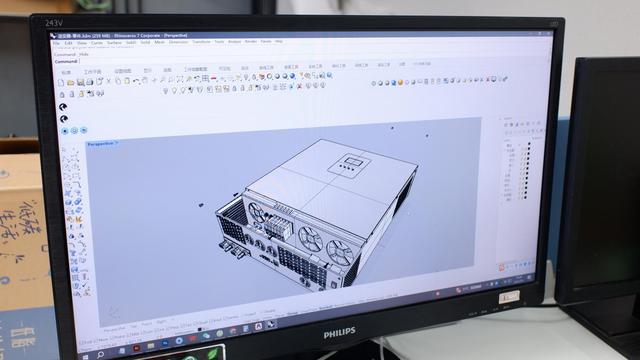
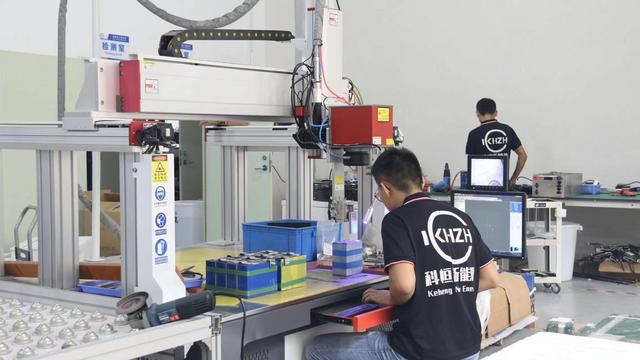
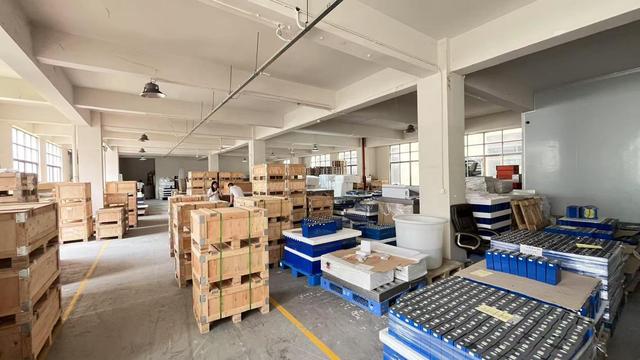
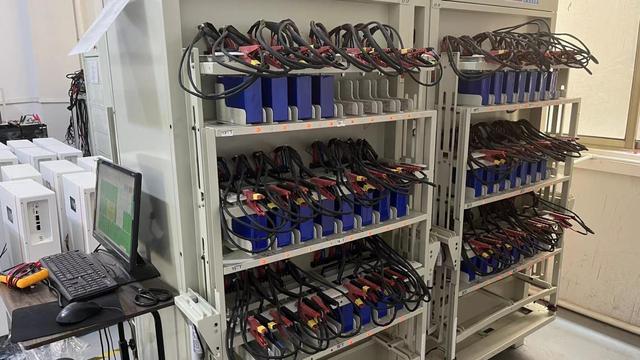
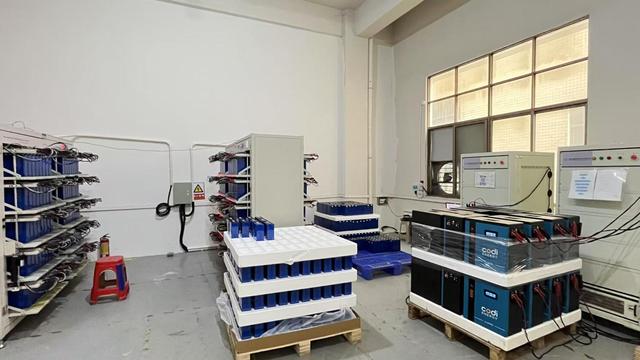
Strictly regulated production lines ensuring highest standards.
Engineering Application Scenarios
Deploying high-efficiency battery energy storage systems across diverse Hungarian industrial sectors to achieve resilience and cost control.
Supplying critical demand-charge management for Tier-1 automotive component suppliers in Kecskemét and Győr, minimizing peak grid draw charge cycles during heavy manufacturing shifts.
Enabling renewable project developers near Debrecen to leverage high-voltage containerized units to offer rapid reserve market stabilization assets to MAVIR.
Securing temperature-controlled agriculture and food processing plants in Southern Hungary (Szeged region) against seasonal voltage drops and micro-blackouts.
Complete Product Portfolio
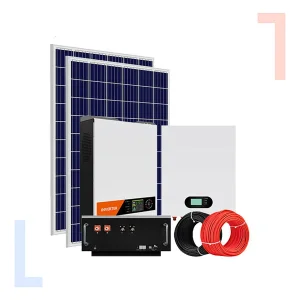
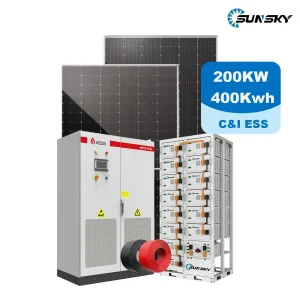
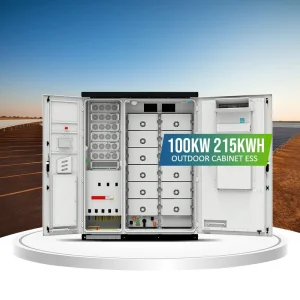
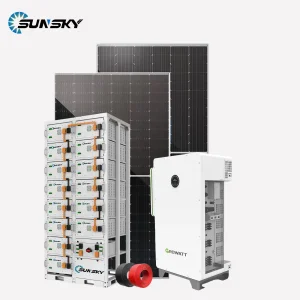
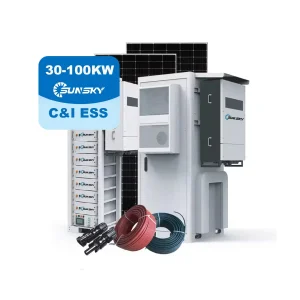
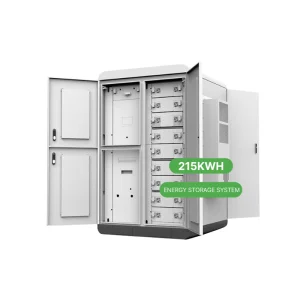
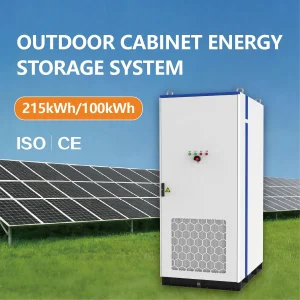
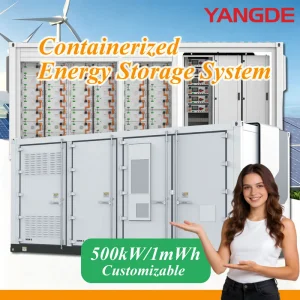
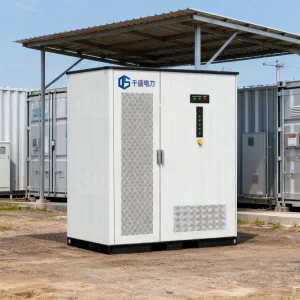
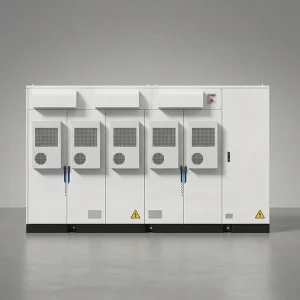
Explore our complete range of certified commercial, industrial, and utility-scale backup battery technologies. Fully customizable to fit local utility interconnect rules.
Technical & Compliance Q&A
Readily addressing regulatory, safety, and operational concerns typical of the Hungarian industrial grid transition.
To legally connect a battery energy storage system (BESS) to the Hungarian distribution grid (operated by entities like E.ON, MVM, or OPUS Titász under MAVIR guidelines), the system must hold full CE certification and adhere to EN 50549-1 (for connections to low voltage networks) or EN 50549-2 (for connections to medium voltage networks). Our equipment is fully tested and compliant with these EU regulations, utilizing grid-forming inverters (PCS) that support regional requirements for reactive power, active power reduction under overfrequency, and low voltage ride-through (LVRT).
Hungary experiences hot summers and cold winters, leading to high thermal fluctuations. Air-cooled systems often struggle to maintain temperature uniformity across large battery racks, resulting in localized degradation and reducing battery cycle life. Liquid-cooled systems circulate specialized glycol-based coolants directly through thermal plates touching the LFP cells. This maintains cell temperature variations within a narrow limit (<2°C), increasing thermal management efficiency, ensuring safety under extreme temperatures, and adding up to 20% to the overall cycle lifespan compared to standard air-cooled designs.
Yes. Our intelligent Energy Management System (EMS) supports multi-mode operations. It can be configured for local Peak Shaving (reducing demand charges for a factory based on high-use hours) while reserving a designated capacity margin to offer high-response ancillary services (like active Frequency Restoration Reserve - aFRR or Frequency Containment Reserve - FCR) to the transmission system operator (MAVIR). This multi-use strategy maximizes the asset's financial yield.
We implement a multi-tiered safety architecture. First, we use premium Lithium Iron Phosphate (LiFePO4/LFP) chemistry, which features high thermal stability compared to NMC cells. Second, our Battery Management System (BMS) offers real-time monitoring of cell voltages and temperatures with automatic disconnects. Third, each battery enclosure is integrated with advanced fire suppression systems, including aerosol or Novec 1230 gas systems alongside smart smoke and combustible gas detection modules, ensuring compliance with global safety codes such as NFPA 855.
We manage the entire supply chain lifecycle from our manufacturing plant in Hangzhou, China, straight to your location in Hungary. We coordinate sea freight (typically through ports like Koper or Rijeka for rapid rail connection to Budapest) and handle customs clearing documentation. We supply full technical integration manuals and work alongside local Hungarian engineering and EPC partners to supervise commissioning, final grid testing, and local operator sign-offs.
 CCSC Energy