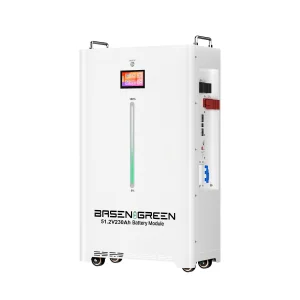
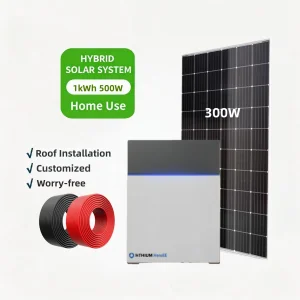
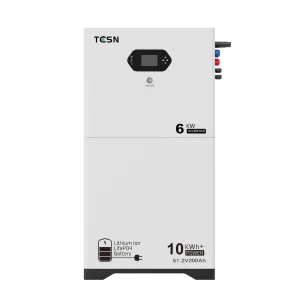
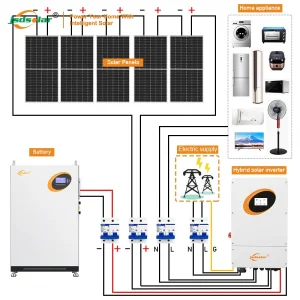
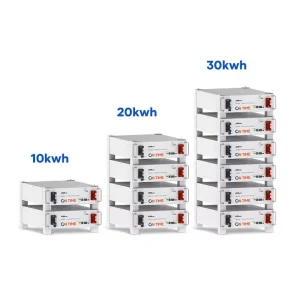
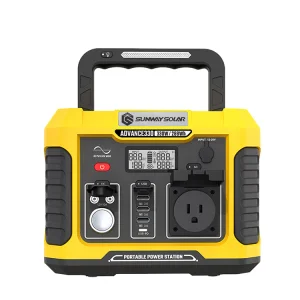
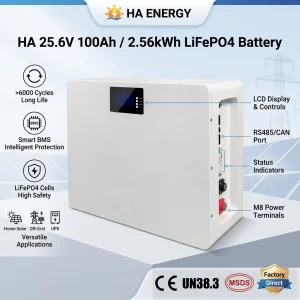
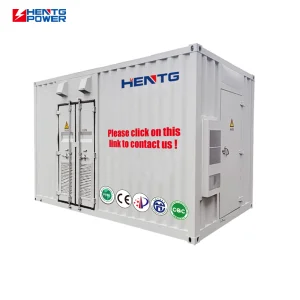
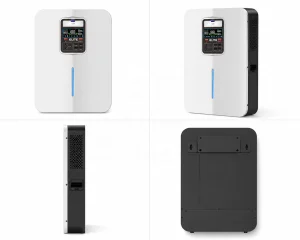
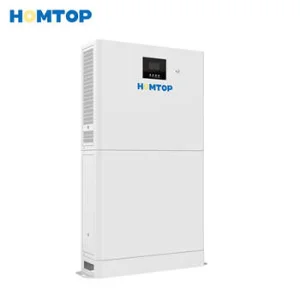
Engineered for high efficiency, seamless UPS transition, and seamless integration with New Zealand residential and small enterprise microgrids.
New Zealand's electricity landscape is undergoing its most profound transformation in a generation. With the national commitment to reach 100% renewable electricity generation by 2030, the traditional centralized model is showing structural strains. New Zealand's geographical isolation, combined with its long, thin transmission grid operated by Transpower, exposes both rural dairy operations in Southland and high-density business parks in Auckland to supply vulnerabilities. Recent extreme weather events, such as Cyclone Gabrielle, highlighted the critical fragility of the overhead distribution network, leaving hundreds of thousands of homes and enterprises without power for extended periods.
As a result, "Backup Power Energy Systems" are no longer viewed simply as emergency safety nets; they are now recognized as core pillars of operational continuity, financial stability, and carbon management. Traditional diesel backup generators, long favored by Kiwi commercial sectors, are facing strict operational constraints due to rising carbon levies under the New Zealand Emissions Trading Scheme (NZ ETS) and local municipal noise ordinances. Modern Battery Energy Storage Systems (BESS) powered by safe, high-cycle Lithium Iron Phosphate (LiFePO4) chemistry have emerged as the primary mechanism for combining decarbonization targets with premium backup reliability.
Globally, the integration of non-dispatchable renewable energy sources (primarily wind and solar photovoltaic systems) into grid infrastructure has increased grid frequency volatility. This has prompted international enterprises to invest heavily in decentralized backup power networks capable of performing multi-application profiles. Modern energy storage is no longer idle during grid uptime; it is utilized dynamically for:
In New Zealand, where regional transmission constraints lead to volatile spot prices on the wholesale market (administered by the Electricity Authority), localized commercial energy storage allows businesses to insulate themselves from extreme market spikes.
When assessing energy systems for New Zealand markets, buyers must look beyond initial procurement costs. Levelized Cost of Storage (LCOS) defines the total cost per megawatt-hour of energy delivered over the lifetime of the system. Hangzhou CCSC Energy's integration of tier-1 Grade A+ LiFePO4 cells, combined with proprietary smart Battery Management Systems (BMS), ensures a design life exceeding 15 years, dropping the long-term LCOS far below European or North American assembled equivalents.
China remains the undisputed global epicenter for battery production, processing over 75% of the world's lithium-ion materials and manufacturing the vast majority of battery components. Hangzhou CCSC Energy Co., Ltd., based in the high-tech hub of Hangzhou, leverages this highly integrated industrial cluster to deliver unmatched production efficiency, precision engineering, and quality assurance.
The proximity to leading cell manufacturers, raw materials processing plants, and advanced microelectronics developers allows CCSC Energy to deploy cutting-edge technologies—such as active cell balancing, smart thermal management systems, and IoT-enabled remote monitoring platforms—substantially faster than Western competitors. Through highly automated, ISO 9001:2015-certified manufacturing processes, we deliver bulk battery solutions and custom-engineered power substations at a fraction of the cost, ensuring shorter lead times for New Zealand commercial projects.
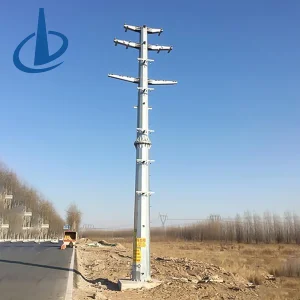
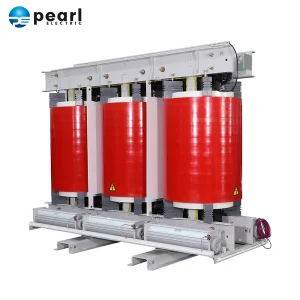
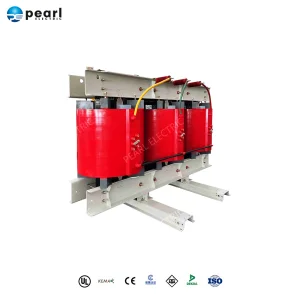
High-voltage transmission and power station transformers engineered to connect localized battery systems to the New Zealand grid.
Different sectors within the New Zealand market exhibit vastly distinct requirements for backup systems. Developing custom profiles for these local scenarios is essential for maximizing ROI and structural safety:
In regions like the Waikato, Taranaki, and Canterbury, dairy farming is highly automated. Power failures during milking cycles can cause severe animal distress, drop milk yields, and lead to product spoilage if refrigeration systems fail. Installing a hybrid 20kW to 50kW off-grid solar and modular BESS setup guarantees that vacuum pumps, cooling vats, and automated sorting gates run continuously without having to manage expensive or messy diesel logistics during storm disruptions.
New Zealand's premium tourism operators often build in ecologically sensitive locations (e.g., Fiordland, Queenstown Lakes, Marlborough Sounds). In these pristine landscapes, loud, polluting diesel generators are increasingly unacceptable. High-capacity, zero-emission LiFePO4 battery banks paired with high-efficiency PV arrays offer guests silent, clean 24/7 power, matching the sustainable ethos of Tourism New Zealand's "100% Pure" initiative.
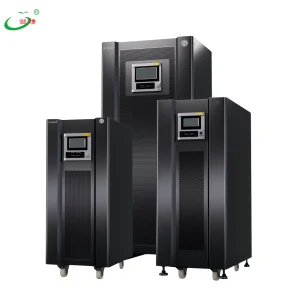
In metropolitan hubs like Auckland and Wellington, computing infrastructure and digital services demand zero-second power interruption. Standard grid switchover lags of 2-5 seconds can lead to massive data loss and equipment failures. Utilizing CCSC Energy's double-conversion online UPS systems ensures instantaneous (10ms or less) backup power transfer during transient voltage sags or brownouts, protecting delicate optical network switches and servers.
Deploying battery systems in New Zealand requires strict adherence to local electrical standards. At CCSC Energy, we prioritize safety and performance by structuring our design workflows around local and global regulatory standards:
Hangzhou CCSC Energy Co., Ltd. is a professional Energy Storage System Manufacturer specializing in battery energy storage, renewable power integration, and smart energy solutions for residential, commercial, industrial, and utility-scale applications. Based in Hangzhou, China, the company focuses on developing advanced energy storage technologies that help customers improve energy efficiency, enhance power reliability, and support the transition toward sustainable energy systems.
With expertise in energy storage engineering and system integration, CCSC Energy provides comprehensive solutions covering battery energy storage systems (BESS), renewable energy storage integration, commercial and industrial energy storage, backup power systems, microgrid applications, distributed energy infrastructure, and intelligent energy management platforms. Its solutions are designed to support a wide range of applications, including solar energy utilization, peak demand management, grid stabilization, emergency power supply, and energy cost optimization.
The company is committed to delivering safe, efficient, and scalable energy storage solutions tailored to the needs of modern energy users. Its engineering team works closely with customers, project developers, EPC contractors, and energy service providers to design systems that align with specific operational requirements, performance objectives, and regulatory standards. From project planning and system design to manufacturing and technical support, CCSC Energy offers comprehensive services throughout the project lifecycle.
Equipped with advanced manufacturing facilities and stringent quality management processes, the company emphasizes product reliability, operational safety, and long-term performance. Continuous investment in research and development enables CCSC Energy to integrate intelligent monitoring technologies, advanced battery management systems, and smart energy control platforms into its solutions.
Serving customers across Asia, Europe, North America, South America, the Middle East, and other global markets, Hangzhou CCSC Energy Co., Ltd. is dedicated to providing innovative energy storage solutions that support renewable energy adoption, strengthen power resilience, and contribute to a more efficient and sustainable energy future.
Take an inside look at our Hangzhou assembly plant, where precision engineering and rigorous thermal profiling meet our global standards of reliable power delivery.
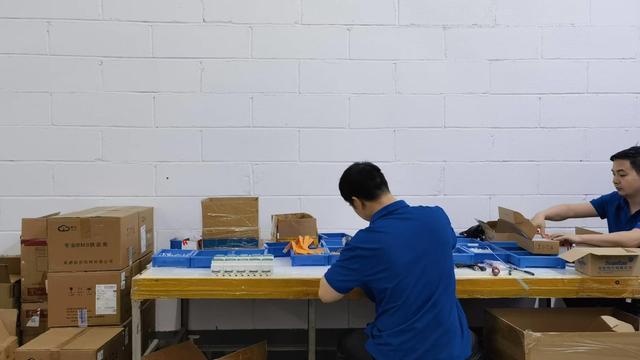
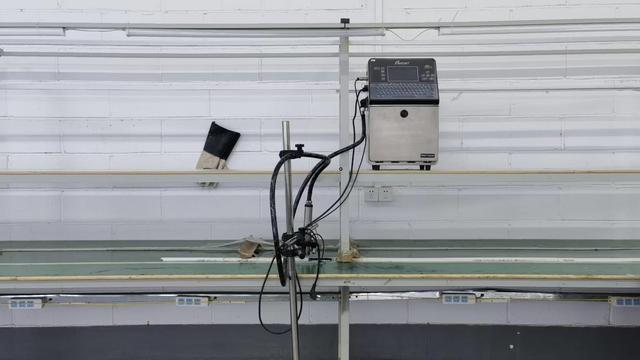
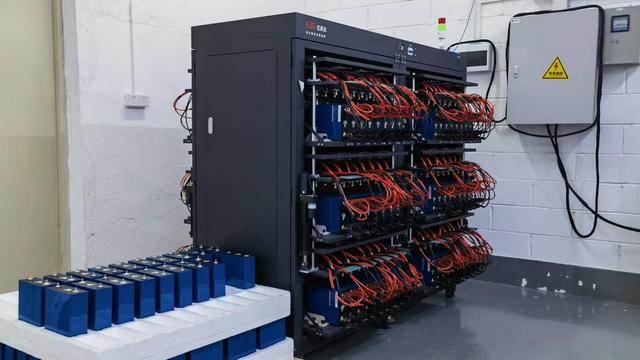
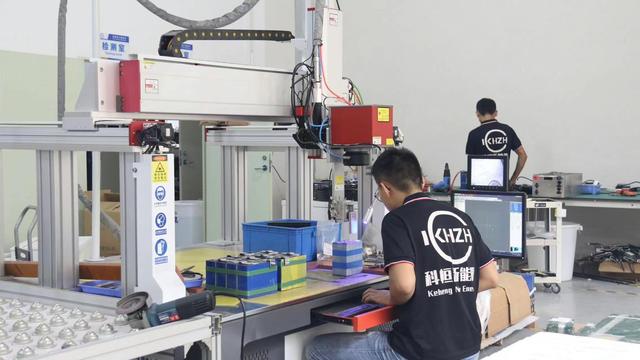
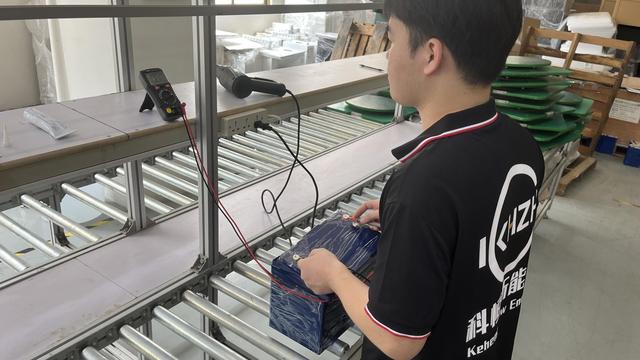
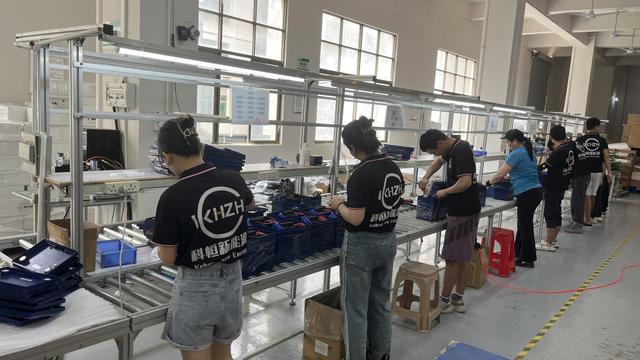
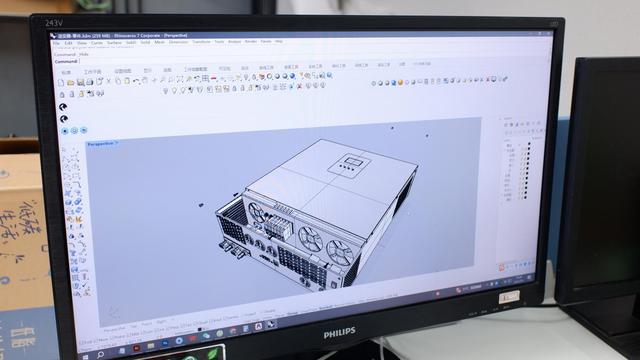
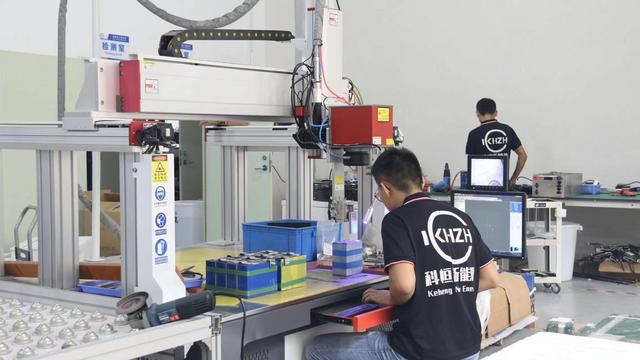
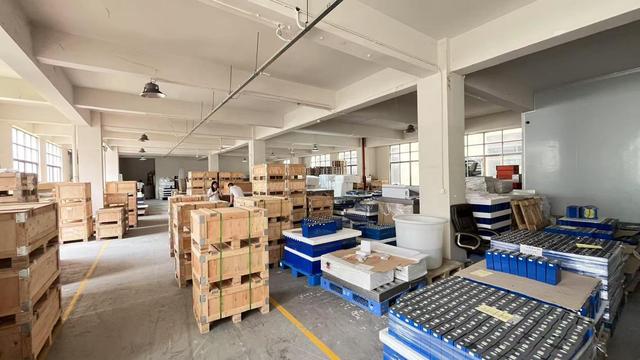
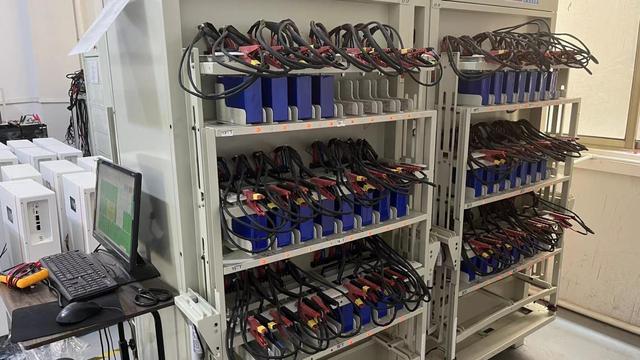
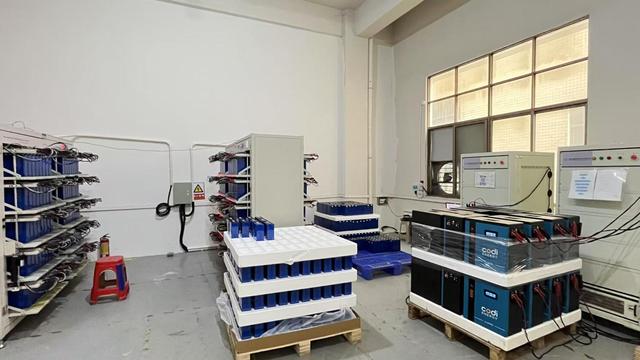
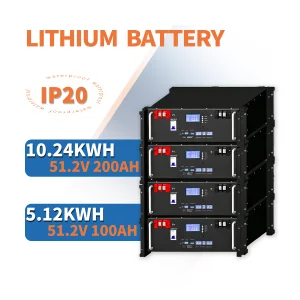
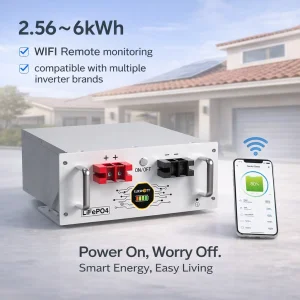
Deploy high-density lithium storage configurations, industrial-scale transformers, and high-safety LiFePO4 batteries designed to scale with your project.
Clear, direct, and expert technical insights regarding the deployment of CCSC Backup Energy systems in New Zealand and global markets.
 CCSC Energy