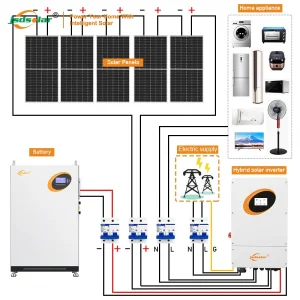
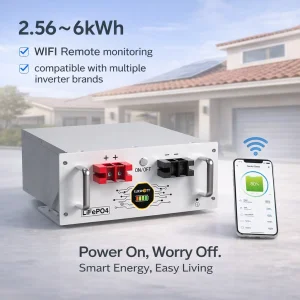
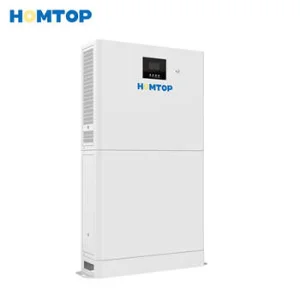
Designed to deliver high-performance uninterruptible power, transition rural farms, and secure commercial power reliability under demanding tropical grid conditions.
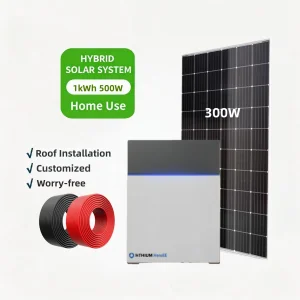
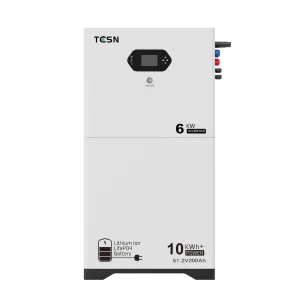
Located in the heart of Rwanda’s Southern Province, the town of Gitarama (Muhanga District) serves as a critical logistic, agricultural processing, and administrative gateway. The economic landscape of this region is characterized by an active commercial sector, agricultural cooperatives, mineral washing sites, light manufacturing, and essential public institutions such as regional hospitals. However, the localized electrical grid frequently experiences voltage fluctuations, unexpected brownouts, and localized load-shedding during peak hours. For businesses operating here, a sudden loss of mains power compromises critical production, damages high-value equipment, and lowers process yields.
Traditionally, commercial enterprises in the Gitarama market relied on diesel generators to cover grid interruptions. Yet, volatile petroleum pricing, high maintenance expenses, and rising carbon output make fossil fuels increasingly unsustainable. Moving toward advanced Battery Energy Storage Systems (BESS) integrated with solar photovoltaics (PV) presents a cleaner, highly resilient, and economically superior alternative. Modern solid-state lithium iron phosphate (LiFePO4) systems allow local operations to capture abundant solar radiation, smooth out local grid transients, and maintain uninterruptible operations with sub-10ms transition times.
SEO Insight & Information Gain: Industrial grids in developing African hubs require dynamic reactive power control and active voltage sag correction. Unlike standard consumer battery packs, utility-scale infrastructure must utilize intelligent double-conversion online UPS systems alongside robust, certified transformers to manage peak load curves without degrading the utility network.
Furthermore, agricultural processing centers in Gitarama, particularly coffee washing stations and milling facilities, run highly seasonal operations where peak power demands happen during harvest cycles. Off-grid solar battery configurations and smart hybrid microgrids help prevent costly motor stalls and batch spoilage. Implementing robust backup battery topologies allows Gitarama’s commercial and industrial enterprises to transition from reactive energy consumers to active, self-sustaining microgrid operators.
The global battery storage sector is moving rapidly toward high-voltage, high-density Lithium Iron Phosphate (LiFePO4) chemistry due to its excellent thermal stability, safety profile, and high cycle life. Modern industrial configurations now incorporate smart Battery Management Systems (BMS) with cell-level telemetry monitoring, active thermal management, and IoT cloud connectivity. The integration of advanced power conversion systems (PCS) allows multi-megawatt systems to execute complex peak shaving, load shifting, and reactive power compensation seamlessly.
On a macro scale, smart grid integration uses artificial intelligence to predict grid availability and solar irradiation levels, optimizing charging and discharging profiles in real time. This prolongs battery life, ensures power is stored when energy costs are lowest, and discharges energy when grid supply is unstable or expensive. For importing regions like East Africa, buying systems manufactured under international standard controls (such as IEC 62619, CE, UN38.3) ensures long-term operational safety and consistent system performance across the system life cycle.
Hangzhou CCSC Energy Co., Ltd. is a professional Energy Storage System Manufacturer specializing in battery energy storage, renewable power integration, and smart energy solutions for residential, commercial, industrial, and utility-scale applications. Based in Hangzhou, China, the company focuses on developing advanced energy storage technologies that help customers improve energy efficiency, enhance power reliability, and support the transition toward sustainable energy systems.
With expertise in energy storage engineering and system integration, CCSC Energy provides comprehensive solutions covering battery energy storage systems (BESS), renewable energy storage integration, commercial and industrial energy storage, backup power systems, microgrid applications, distributed energy infrastructure, and intelligent energy management platforms. Its solutions are designed to support a wide range of applications, including solar energy utilization, peak demand management, grid stabilization, emergency power supply, and energy cost optimization.
The company is committed to delivering safe, efficient, and scalable energy storage solutions tailored to the needs of modern energy users. Its engineering team works closely with customers, project developers, EPC contractors, and energy service providers to design systems that align with specific operational requirements, performance objectives, and regulatory standards. From project planning and system design to manufacturing and technical support, CCSC Energy offers comprehensive services throughout the project lifecycle.
Equipped with advanced manufacturing facilities and stringent quality management processes, the company emphasizes product reliability, operational safety, and long-term performance. Continuous investment in research and development enables CCSC Energy to integrate intelligent monitoring technologies, advanced battery management systems, and smart energy control platforms into its solutions.
Serving customers across Asia, Europe, North America, South America, the Middle East, and other global markets, Hangzhou CCSC Energy Co., Ltd. is dedicated to providing innovative energy storage solutions that support renewable energy adoption, strengthen power resilience, and contribute to a more efficient and sustainable energy future.
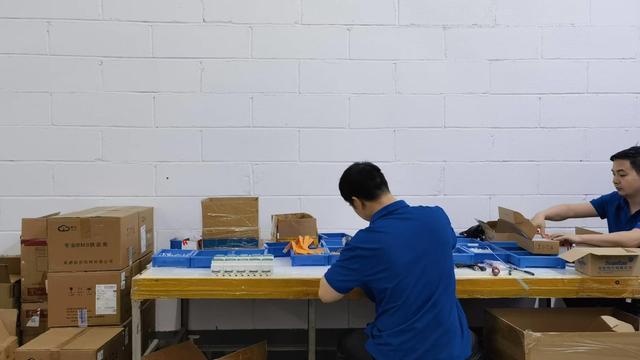
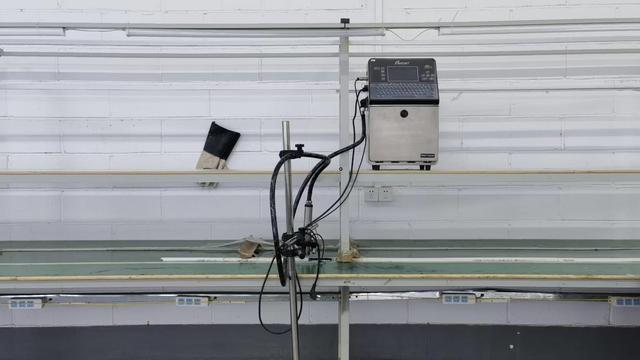
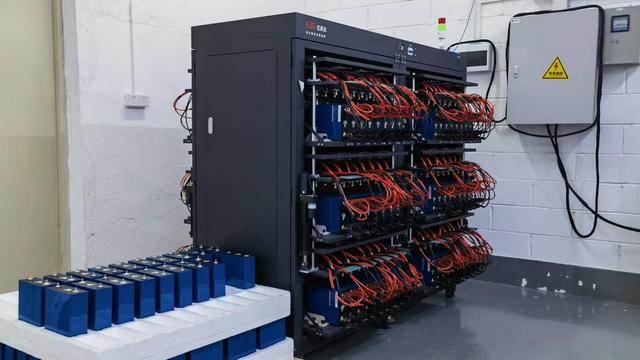
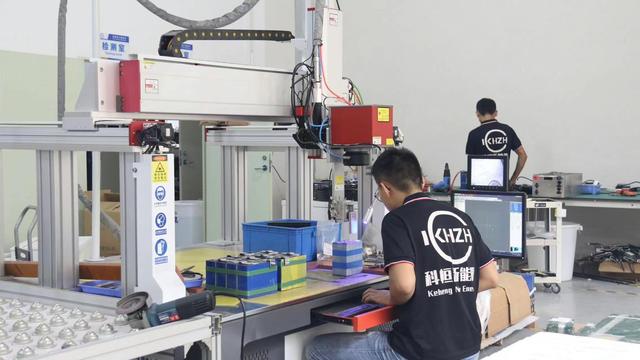
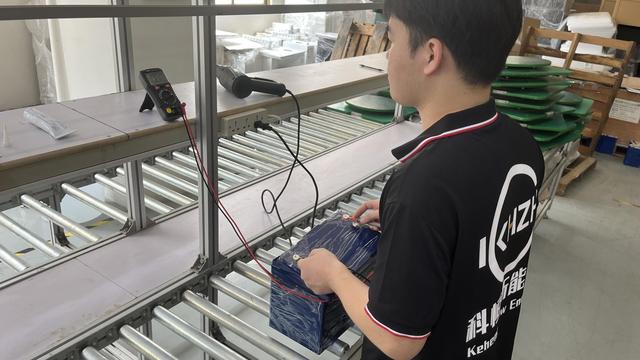
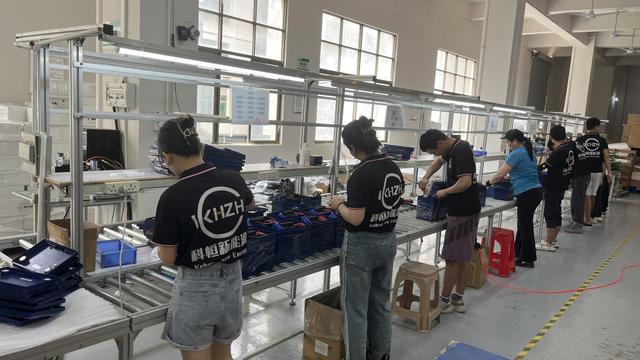
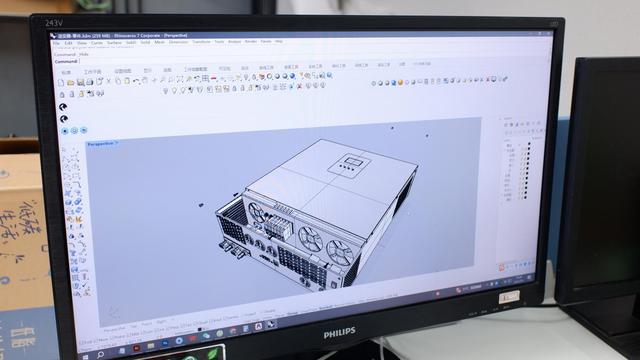
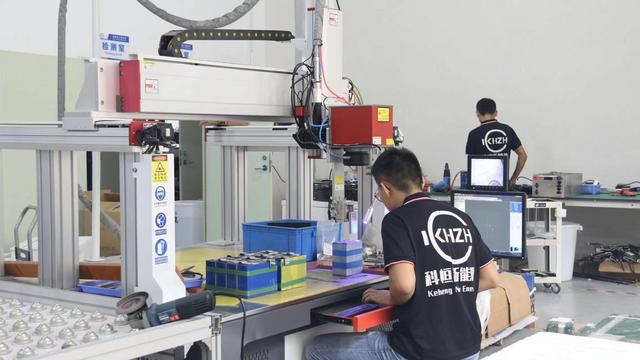
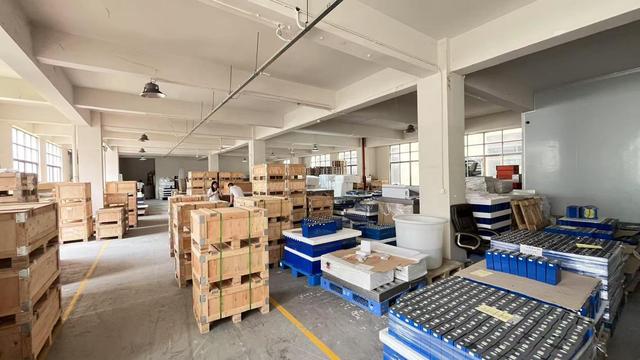
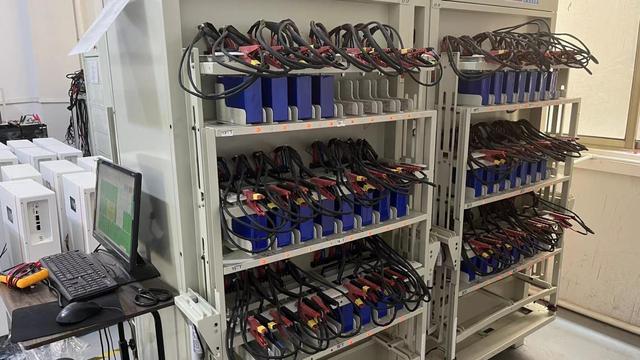
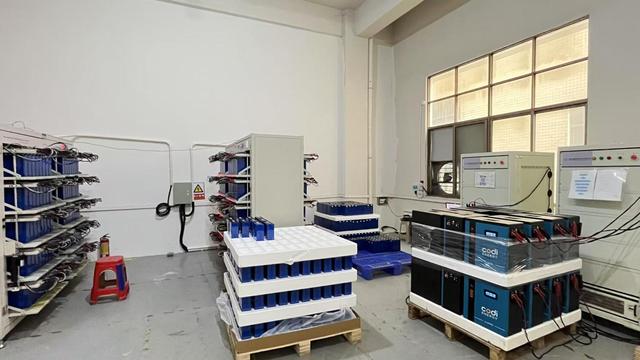
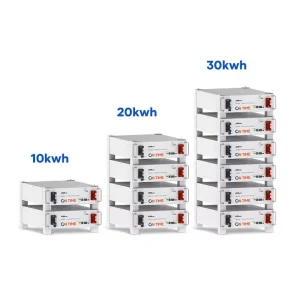
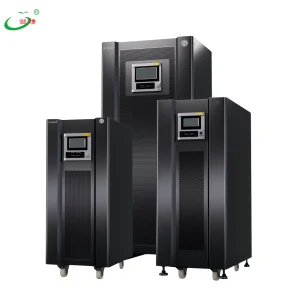
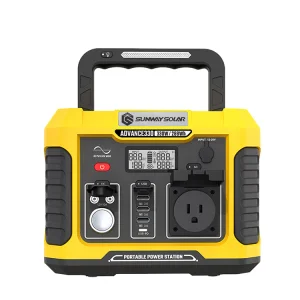
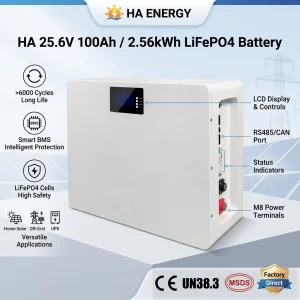
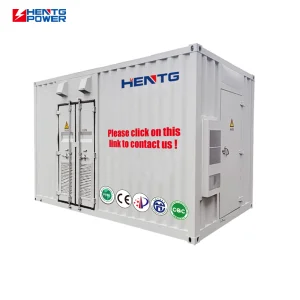
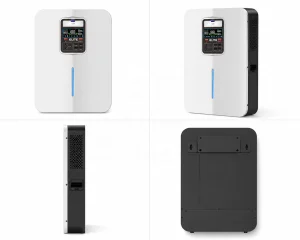
CCSC Energy structures robust storage configurations specifically tailored to meet East African environmental constraints, high ambient temperatures, and volatile electrical grids. Our target setups for Gitarama include:
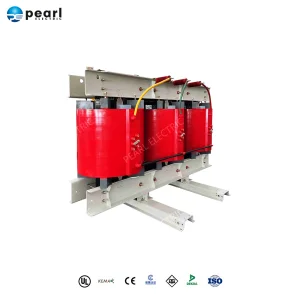
Heavy-duty electrical infrastructure components supporting grid expansions and high-efficiency power distribution across Gitarama and the surrounding region.
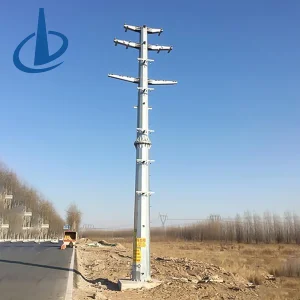
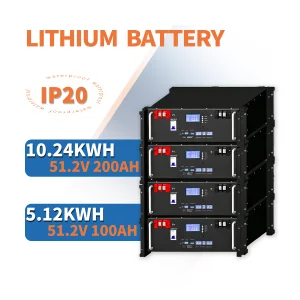
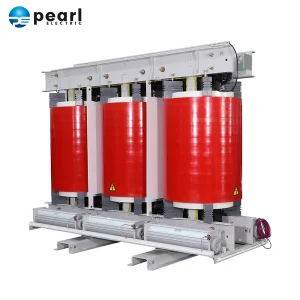
Importing advanced power equipment into the East African Community requires careful alignment with local regulatory and safety frameworks. In Rwanda, import procedures are strictly monitored under quality guidelines managed by the Rwanda Standards Board (RSB) to prevent low-quality electrical components from entering the market. CCSC Energy structures all export battery products in compliance with international quality baselines, including CE, UN38.3 (standard for safe lithium transport), IEC 62619 (safety standards for industrial lithium batteries), and ISO 9001 factory controls.
We work directly with regional engineering consultants, local energy service providers, and installation contractors in Muhanga and Gitarama to facilitate smooth customs clearance, safe physical transport, and proper system commissioning. Additionally, we provide comprehensive technical documentation, drawings, calculations, and remote diagnostic training. This ensures local technicians can safely commission, monitor, and maintain the systems, keeping downtime to a minimum and protecting the longevity of your investment.
Browse our scalable range of heavy industrial double-conversion online UPS systems, modular LiFePO4 batteries, and utility booster stations designed to build resilient power networks.
As smart meter rollouts increase across Rwanda, commercial users are transitioning toward decentralized power networks. Future power topologies will focus on grid-interactive battery systems that participate in dynamic utility management, providing power injection back to local distribution networks when grid stability drops. We are designing our next-generation battery management systems with advanced machine learning algorithms to predict local utility downtime and forecast solar yields based on seasonal weather patterns.
Our long-term engineering focus remains dedicated to high-safety chemistry research, particularly expanding cycle lifetimes past 8,000 cycles at 80% Depth of Discharge (DoD). By integrating smart liquid-cooling systems into our larger industrial storage containers, we ensure batteries maintain optimal temperatures even in warm climates, preventing thermal degradation. Transitioning to smart-grid ready architectures guarantees that industrial clients in Gitarama, Muhanga, and the broader Southern Province can easily scale up, future-proofing their energy infrastructure for years to come.
Find answers to common technical, structural, and import questions about deploying Commercial & Industrial battery backup systems in Gitarama and East Africa.
 CCSC Energy