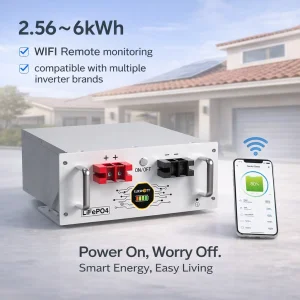
Backup Power Energy Systems Factory & Exporter serving Namibia

Empowering Namibia's Mining, Commerce, and Infrastructure with Utility-Grade BESS & Modular Solar Microgrid Solutions.

Send Inquiry Now

Namibia's Power Infrastructure: Market Realities & Grid Stability Challenges

Namibia is strategically positioned as one of Southern Africa’s most resource-rich economies, yet it faces unique power grid vulnerabilities. Historically, the nation has relied significantly on importing electricity from neighboring South Africa through the Southern African Power Pool (SAPP). However, South Africa’s domestic energy challenges and frequent load shedding have highlighted the immediate need for localized, highly resilient energy infrastructure in Namibia. As NamPower actively expands its domestic generation capacity, commercial, industrial, and utility entities must adopt enterprise-grade backup power energy systems to guarantee continuous operation.

Moreover, Namibia's climatic profile provides extraordinary solar resources, boasting some of the highest Global Horizontal Irradiance (GHI) and Direct Normal Irradiance (DNI) levels globally. This makes the country ideal for PV integration. The principal challenge, however, is the intermittent nature of solar energy, combined with high ambient desert temperatures that strain conventional battery storage chemistries. To maintain grid compliance and uninterrupted power supply (UPS) during peak periods, the incorporation of specialized high-temperature LiFePO4 chemistry and intelligent battery management systems is critical.

300+
Days of Sunshine Per Year
60%
Power Import Dependance
15+ Yr
LFP Battery Lifespan
<10ms
UPS Switchover Speed

Global Industry Outlook: The Shifts Towards LFP and Microgrids

Worldwide, the energy storage transition has accelerated rapidly, moving away from traditional lead-acid and cobalt-based lithium chemistries toward Lithium Iron Phosphate (LiFePO4). LiFePO4 has established itself as the global industry benchmark for stationary energy storage due to its superior safety profile, thermal runaway resistance, and long-term cycle life (typically exceeding 6,000 cycles at 80% Depth of Discharge). In parallel, microgrid architectures are shifting from simple generator-backed systems to sophisticated hybrid configurations combining solar PV, modern battery energy storage (BESS), and digital energy management systems (EMS).

Industrial operations globally are integrating energy storage systems to manage peak demand charges (peak shaving), participate in frequency regulation, and ensure operational continuity. As global supply chains face volatility, procuring from integrated manufacturers like CCSC Energy—who oversee everything from cell selection and thermal design to final factory acceptance testing (FAT)—guarantees adherence to international standards including IEC, CE, and UN38.3.

Localized Application Scenarios in Namibia

Developing energy storage systems for Namibia requires direct knowledge of local operating conditions. Rather than importing generic products, systems must be tailored to address specific application sectors across the Namibian landscape:

1. Commercial & Industrial (C&I) Systems

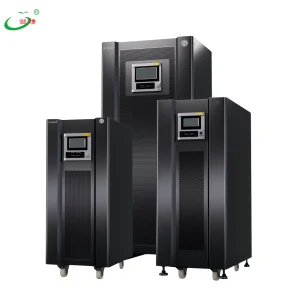
In retail centers, cold storage warehouses, and processing hubs in Windhoek and Walvis Bay, power interruptions directly impact revenue. High-capacity energy storage systems integrated with double-conversion online UPS units provide continuous protection for delicate electronic hardware and sensitive processing equipment, while reducing peak demand tariffs.

2. Remote Mining & Resources

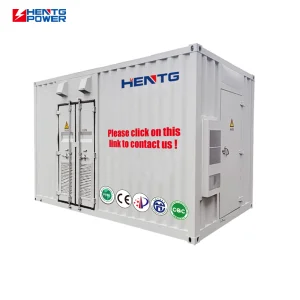
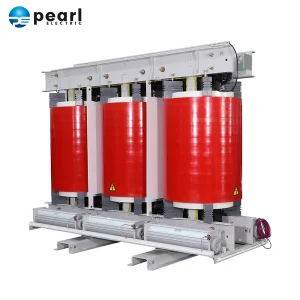
Namibia's mineral resources, including uranium, diamonds, and lithium, are often mined in remote locations far from the national grid. Operating heavy machinery requires high-power off-grid solar-diesel hybrid networks. Integrating heavy-duty transformers and megawatt-scale battery cabins ensures grid stability and lowers diesel consumption.

3. Tourism Lodges & Wildlife Conservancies

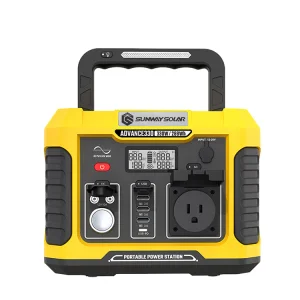
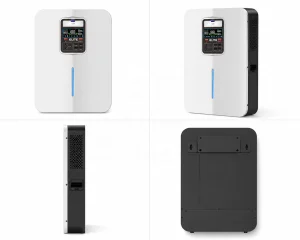
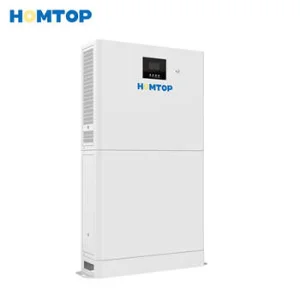
Eco-tourism is a major driver of Namibia's economy. High-end safari lodges in areas like Sossusvlei or Etosha National Park require silent, reliable, and emission-free energy. All-in-one hybrid solar generators replace noisy diesel generators, maintaining the quiet environment required for wildlife viewing and minimizing environmental footprint.

4. Agricultural Farms & Water Extraction

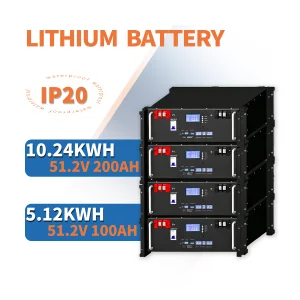
Water distribution is vital for Namibia's agricultural sector. Solar water-pumping systems, supported by smart modular LiFePO4 batteries, ensure reliable pumping during cloudy periods or overnight. This provides stable water supply for livestock and crop irrigation.

Technical Integration & Design Considerations

Deploying storage in Namibia requires addressing the country's unique environmental conditions:

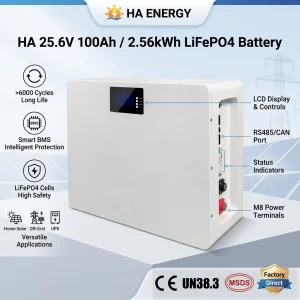
  • Thermal Protection Systems: Active liquid or high-velocity forced-air cooling systems keep battery temperatures within their optimal window (15°C to 30°C), protecting against cell degradation in ambient temperatures above 40°C.
  • Ingress Protection (IP Rating): Arid desert conditions mean fine dust can penetrate equipment. Enclosures must feature IP54 or IP65 ratings for power electronics, protecting delicate inverters and controllers.
  • Intelligent Battery Management Systems (BEMS): Active cell balancing and remote cloud-based tracking allow engineering teams to monitor State of Charge (SoC), State of Health (SoH), and system temperature in real time.
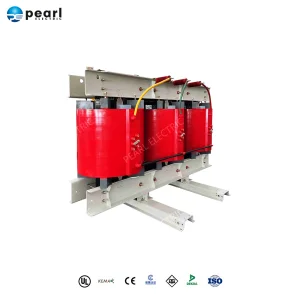
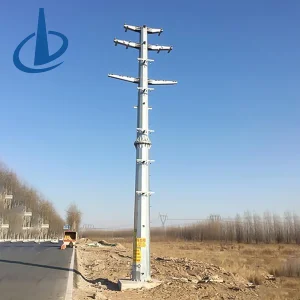
  • High-Voltage Grid Interconnections: Large-scale energy systems require robust transformers, high-voltage line poles, and switchgear cabinets to safely feed energy into NamPower’s high-voltage lines.
About Hangzhou CCSC Energy Co., Ltd.

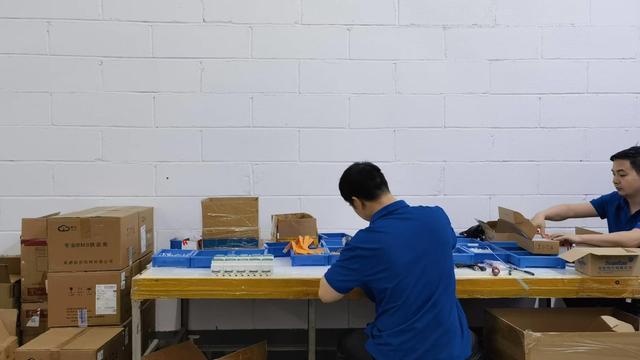
Hangzhou CCSC Energy Co., Ltd. is a professional Energy Storage System Manufacturer specializing in battery energy storage, renewable power integration, and smart energy solutions for residential, commercial, industrial, and utility-scale applications. Based in Hangzhou, China, the company focuses on developing advanced energy storage technologies that help customers improve energy efficiency, enhance power reliability, and support the transition toward sustainable energy systems.

With expertise in energy storage engineering and system integration, CCSC Energy provides comprehensive solutions covering battery energy storage systems (BESS), renewable energy storage integration, commercial and industrial energy storage, backup power systems, microgrid applications, distributed energy infrastructure, and intelligent energy management platforms. Its solutions are designed to support a wide range of applications, including solar energy utilization, peak demand management, grid stabilization, emergency power supply, and energy cost optimization.

The company is committed to delivering safe, efficient, and scalable energy storage solutions tailored to the needs of modern energy users. Its engineering team works closely with customers, project developers, EPC contractors, and energy service providers to design systems that align with specific operational requirements, performance objectives, and regulatory standards. From project planning and system design to manufacturing and technical support, CCSC Energy offers comprehensive services throughout the project lifecycle.

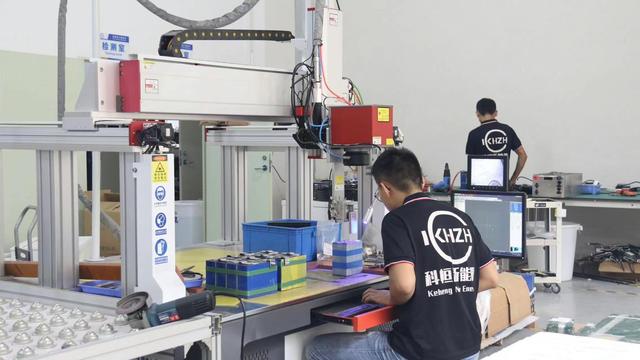
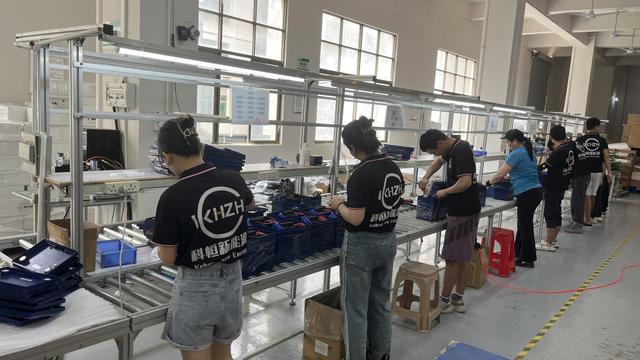
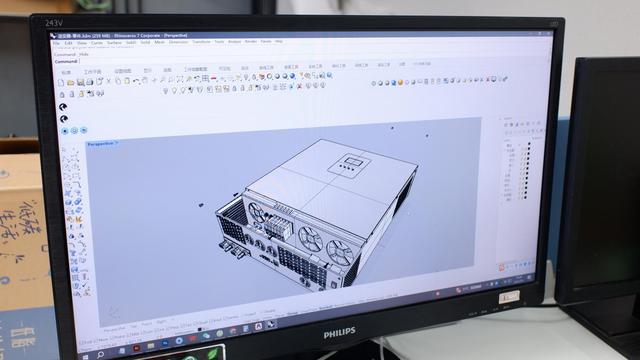
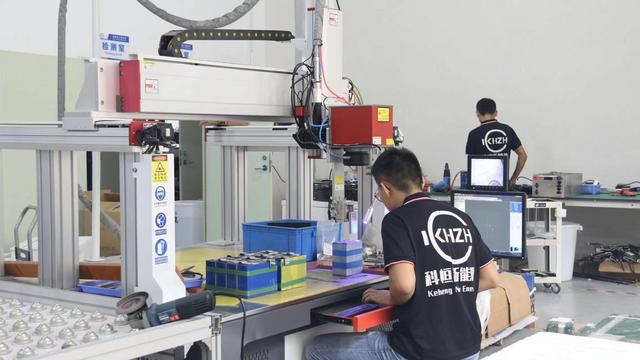
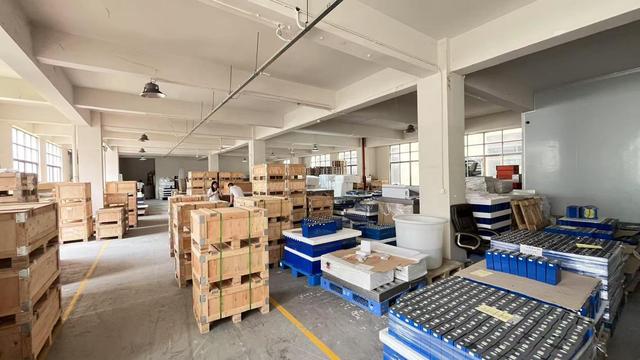
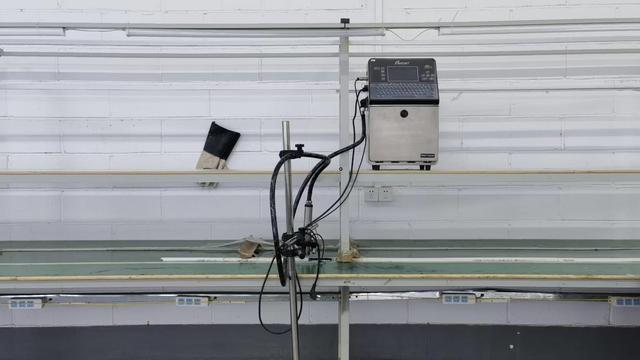
Equipped with advanced manufacturing facilities and stringent quality management processes, the company emphasizes product reliability, operational safety, and long-term performance. Continuous investment in research and development enables CCSC Energy to integrate intelligent monitoring technologies, advanced battery management systems, and smart energy control platforms into its solutions.

Serving customers across Asia, Europe, North America, South America, the Middle East, and other global markets, Hangzhou CCSC Energy Co., Ltd. is dedicated to providing innovative energy storage solutions that support renewable energy adoption, strengthen power resilience, and contribute to a more efficient and sustainable energy future.

Global Export & Project Execution Capabilities

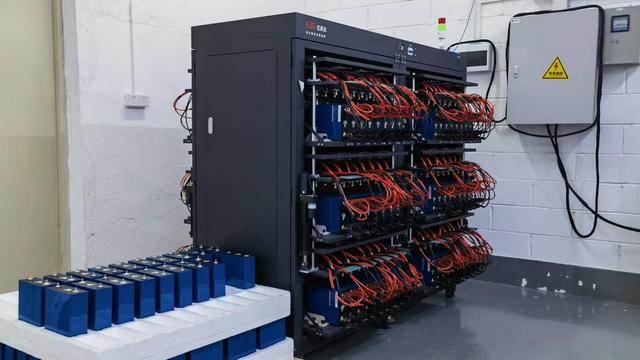
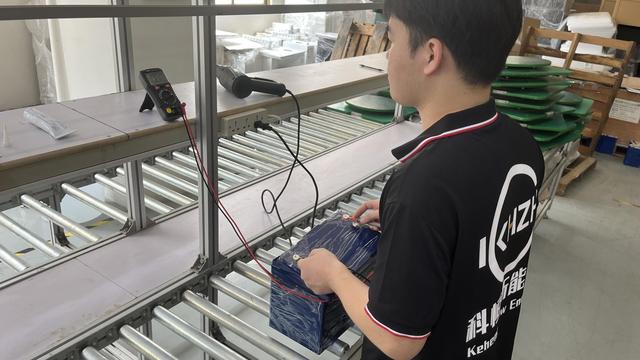
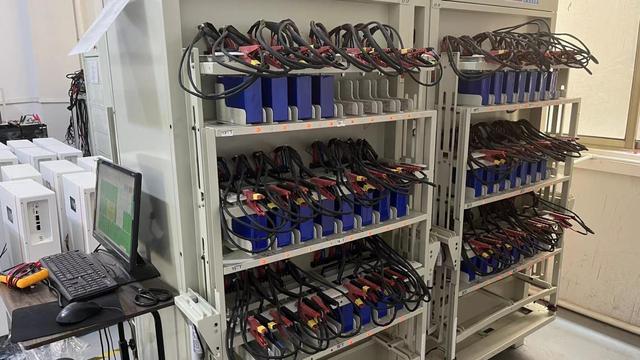
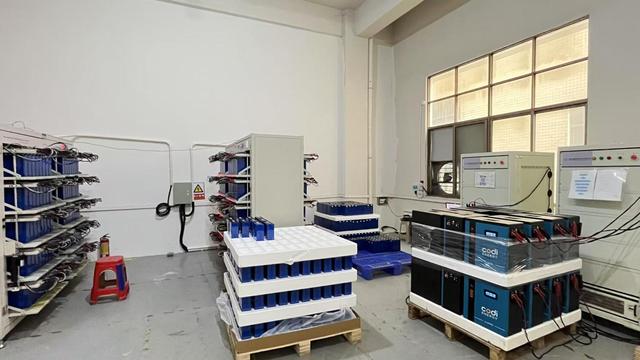
As a global supplier, CCSC Energy guarantees compliance with strict logistical and custom clearance processes. From our manufacturing facility to key transport lanes, including the Port of Walvis Bay, we secure shipping and delivery for commercial cargo. Every batch of energy systems undergoes rigorous electrical validation, thermal stress simulation, and performance benchmarking before dispatch.

  • Fully certified according to ISO 9001, ISO 14001, and ISO 45001.
  • Advanced performance and reliability compliance matching SAPP grid regulations.
  • Custom engineering support from concept stage to field commissioning.
  • Direct engineering support for EPC contractors and project developers.

Expert Engineering FAQ: Namibia Deployments

Technical guidance for project developers, electrical engineers, and commercial managers looking to deploy storage systems in Namibia.

How do CCSC Energy storage systems handle the high desert heat in Namibia?
Our systems utilize Grade-A Lithium Iron Phosphate (LiFePO4) chemistry which maintains high thermal stability up to 60°C. Additionally, our commercial and utility-scale cabinets are integrated with localized intelligent climate systems (either active HVAC liquid cooling or forced-air cooling options) and multi-point temperature sensors to prevent overheating and thermal runaway.
What is the standard delivery timeline and logistics route to Namibia?
Products are packaged, loaded into containers, and shipped directly from China to the Port of Walvis Bay. Transit times generally range from 30 to 45 days. From Walvis Bay, road transport is arranged to various destinations including Windhoek, Swakopmund, or mining operations across the Erongo Region.
Are these systems compatible with Namibian grid-code requirements?
Yes, our inverters and energy management platforms are designed to meet standard SAPP and NamPower utility regulations, supporting frequency regulation, voltage support, active and reactive power control, and dynamic anti-islanding parameters.
Can we scale these systems if our plant or mine expands in the future?
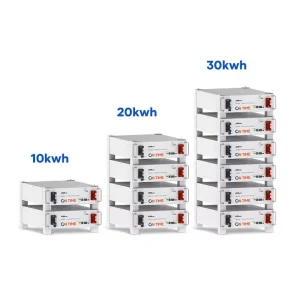
Yes, our containerized and modular energy storage systems support parallel modular expansion. You can scale capacity from tens of kilowatt-hours (kWh) up to multi-megawatt-hour (MWh) setups by adding expansion modules or parallel containers to your microgrid system.

Extended Product Portfolio & System Options

A full range of residential, commercial, industrial, and high-voltage grid products available for direct export to Namibia.

Begin Your Integration Consultation

Collaborate with our engineering team to design, manufacture, and export specialized energy storage systems for your projects in Namibia. We offer custom dimensions, high-temperature testing, and complete grid compliance certification.

Send Inquiry Now