Explore our tier-one smart battery technologies customized for rapid failover, solar-plus-storage optimization, and off-grid reliability in Northern California.
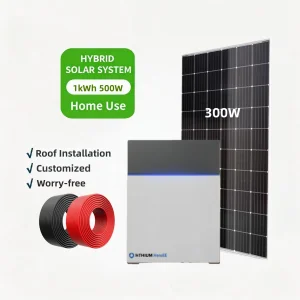
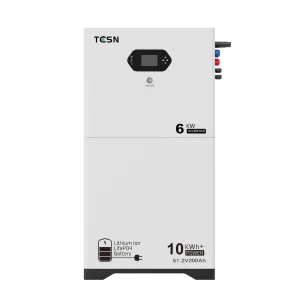
The San Francisco Bay Area is at the epicentre of the modern energy transition, yet it faces unique grid reliability risks. High wind events, seasonal wildfire threats, and the PG&E (Pacific Gas and Electric) Public Safety Power Shutoffs (PSPS) frequently leave critical infrastructure, data processing nodes, and commercial enterprise facilities vulnerable to sudden outages. In response, local businesses are pivoting from conventional, carbon-heavy diesel backup generators to clean, zero-emission Battery Energy Storage Systems (BESS).
Under California's stringent Senate Bill 100 (SB 100) directives, clean energy adoption is no longer optional. Deploying modern backup lithium-ion storage systems enables local industrial sites to execute seamless peak-shaving protocols. By discharging stored solar or cheap off-peak utility power during expensive peak hours (under PG&E's demanding Time-of-Use tariffs), companies achieve rapid Return on Investment (ROI) while insuring themselves against catastrophic grid drops.
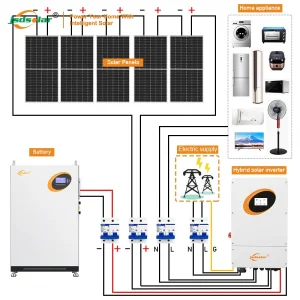
A robust microgrid platform integrates local photovoltaic (PV) generation, bidirectionally connected battery packs, and smart utility-interactive inverters. This design operates autonomously during grid failures, creating a stable islanded power zone. Because San Francisco experiences highly localized microclimates (like heavy marine fog), integrating smart BMS (Battery Management Systems) ensures maximum efficiency by optimizing cell balancing and thermal thresholds automatically.
Furthermore, with the introduction of California's Net Billing Tariff (NBT/NEM 3.0), self-consumption is the primary pathway to maximize solar value. Exporting excess solar energy to the grid has lower compensation rates, making on-site battery storage essential to capture and use every kilowatt-hour generated on-site.
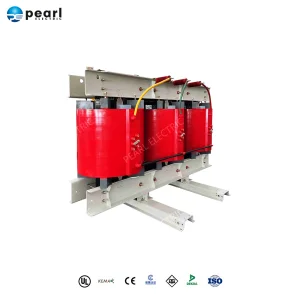
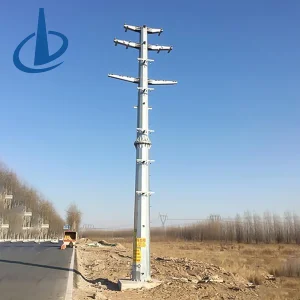
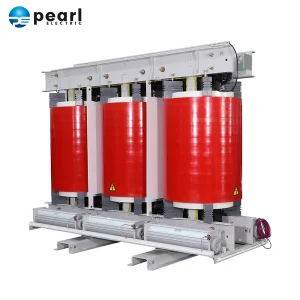
Designed to integrate utility-scale PV plants and industrial microgrids with the main distribution network reliably.
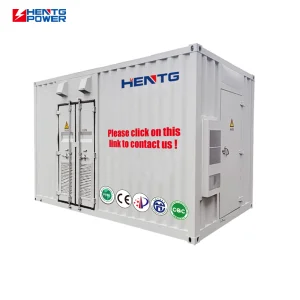
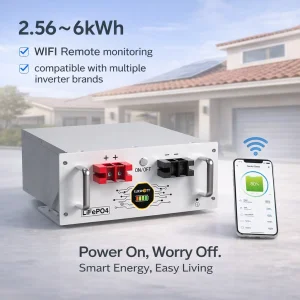
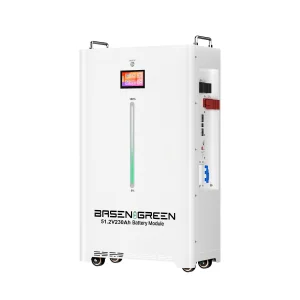
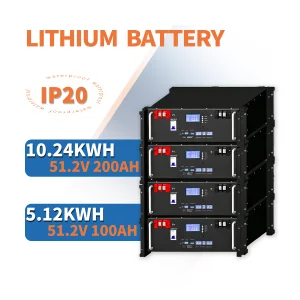
Engineering modular, high-voltage battery racks utilizing long-lifecycle LiFePO4 cells.
For stationary energy storage installations, particularly in densely populated urban and suburban zones like San Francisco, safety is the primary metric. Lithium Iron Phosphate (LiFePO4) chemistry represents a major upgrade over traditional Nickel Manganese Cobalt (NMC) variants due to its high thermal runaway threshold (approx. 270°C vs. NMC's 210°C).
LFP cells do not produce oxygen during decomposition, eliminating the threat of self-sustaining fires. Furthermore, with an operational lifetime extending beyond 6000 cycles at 80% Depth of Discharge (DoD), LFP battery systems offer a lower levelized cost of storage (LCOS) over their lifetime compared to alternative battery chemistries.
A high-quality battery pack is only as reliable as its management system. Our systems integrate smart BMS layers that provide real-time monitoring of voltage, current, and temperature at both the cell and module levels. By incorporating active balancing circuits, we ensure that state-of-charge (SoC) variances across cells are balanced dynamically, preserving total pack capacity and extending product life by up to 30%.
For commercial and industrial installations, our BMS supports Modbus, CAN, and Ethernet protocols to facilitate seamless integration with local SCADA networks and cloud-based energy management portals.
Securing permits for commercial and industrial energy storage installations in California requires compliance with a complex network of safety codes. Projects must meet strict standards set by the National Electrical Code (NEC), local fire departments, and the California Public Utilities Commission (CPUC).
UL 9540 & UL 9540A Certification: Compliance with UL 9540 (Standard for Energy Storage Systems and Equipment) is mandatory. Crucially, the system must undergo UL 9540A testing to evaluate thermal runaway fire propagation. Without these certifications, local authorities having jurisdiction (AHJs) in San Francisco will not approve commercial grid connections.
Hangzhou CCSC Energy Co., Ltd. is a professional Energy Storage System Manufacturer specializing in battery energy storage, renewable power integration, and smart energy solutions for residential, commercial, industrial, and utility-scale applications. Based in Hangzhou, China, the company focuses on developing advanced energy storage technologies that help customers improve energy efficiency, enhance power reliability, and support the transition toward sustainable energy systems.
With expertise in energy storage engineering and system integration, CCSC Energy provides comprehensive solutions covering battery energy storage systems (BESS), renewable energy storage integration, commercial and industrial energy storage, backup power systems, microgrid applications, distributed energy infrastructure, and intelligent energy management platforms. Its solutions are designed to support a wide range of applications, including solar energy utilization, peak demand management, grid stabilization, emergency power supply, and energy cost optimization.
The company is committed to delivering safe, efficient, and scalable energy storage solutions tailored to the needs of modern energy users. Its engineering team works closely with customers, project developers, EPC contractors, and energy service providers to design systems that align with specific operational requirements, performance objectives, and regulatory standards. From project planning and system design to manufacturing and technical support, CCSC Energy offers comprehensive services throughout the project lifecycle.
Equipped with advanced manufacturing facilities and stringent quality management processes, the company emphasizes product reliability, operational safety, and long-term performance. Continuous investment in research and development enables CCSC Energy to integrate intelligent monitoring technologies, advanced battery management systems, and smart energy control platforms into its solutions.
Serving customers across Asia, Europe, North America, South America, the Middle East, and other global markets, Hangzhou CCSC Energy Co., Ltd. is dedicated to providing innovative energy storage solutions that support renewable energy adoption, strengthen power resilience, and contribute to a more efficient and sustainable energy future.
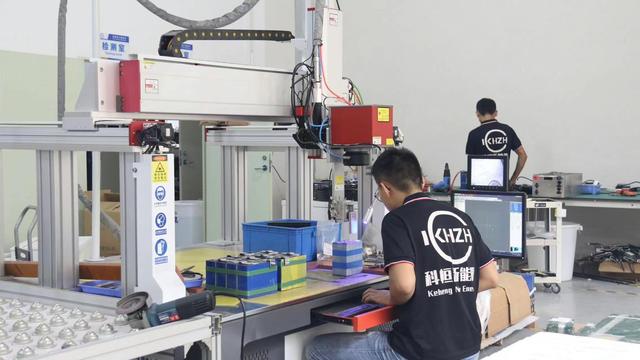
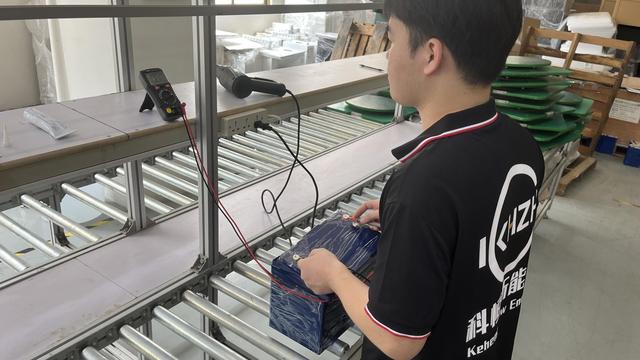
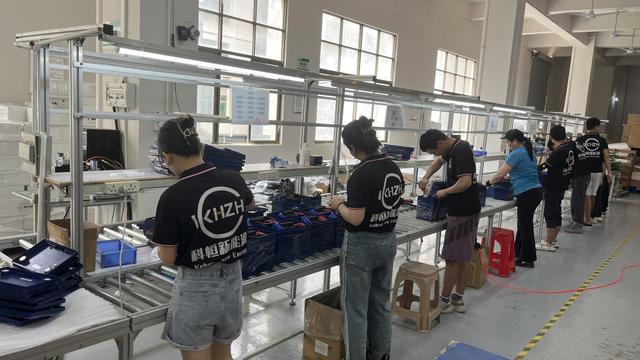
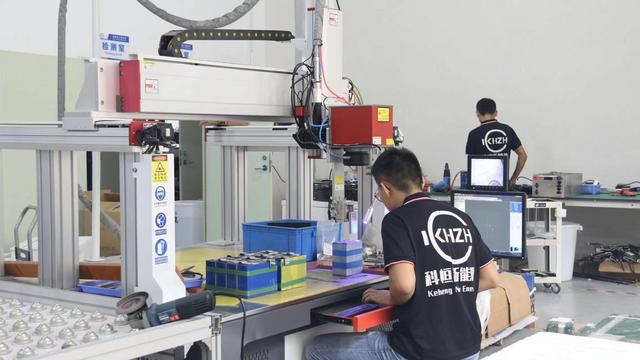
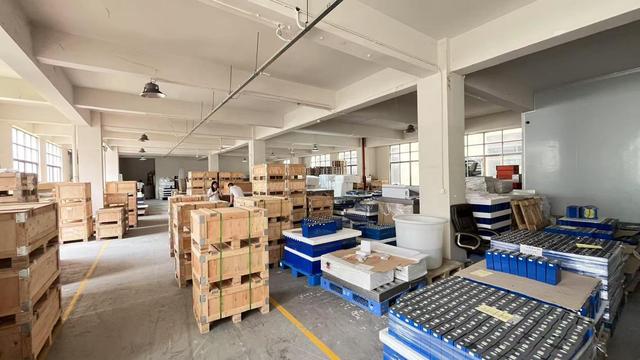
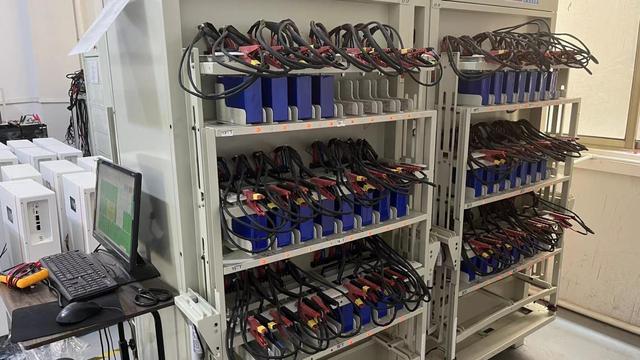
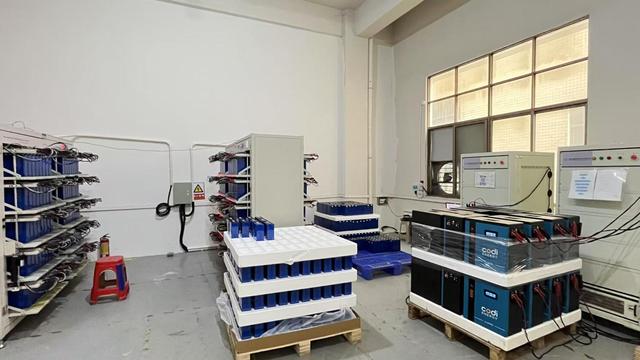
Tour our advanced manufacturing facility in China, where automated precision assembly meets rigorous quality assurance protocols to deliver reliable energy storage systems globally.
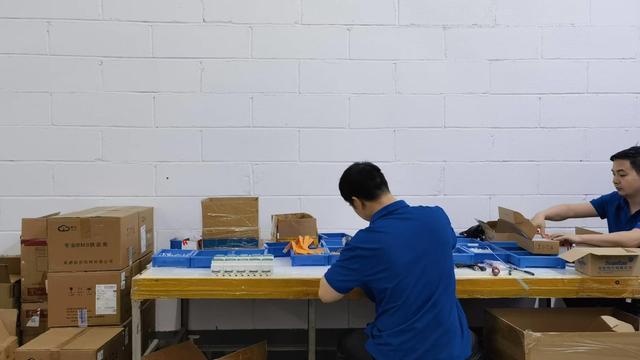
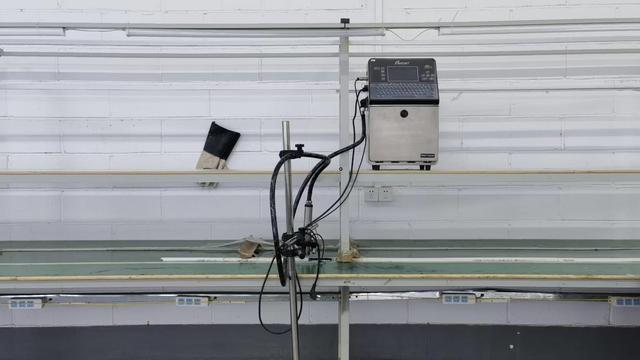
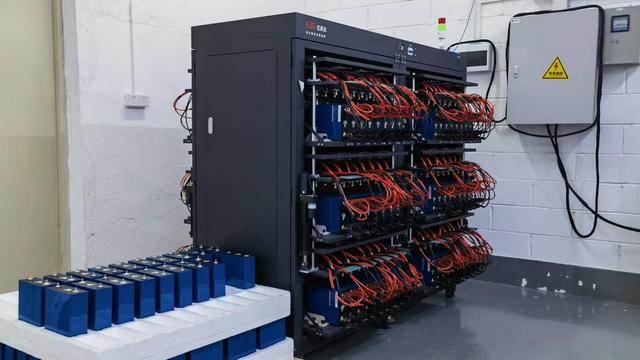
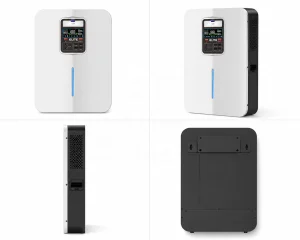
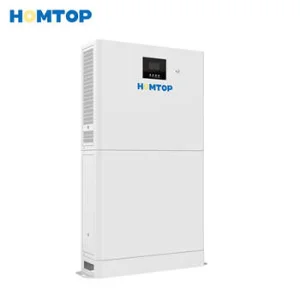
Select from our verified range of residential, commercial, and utility backup solutions engineered for seamless deployment.
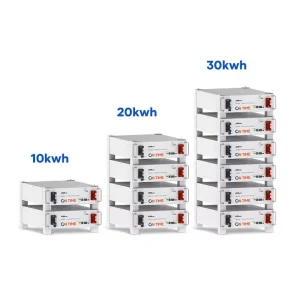
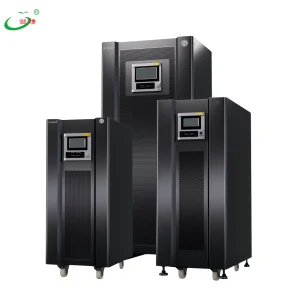
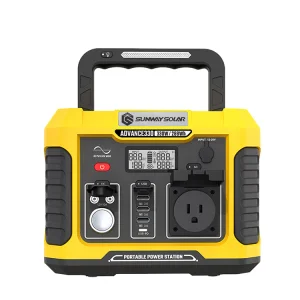
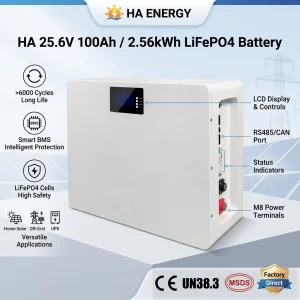
We partner with EPC contractors, system integrators, and local developers to deliver certified BESS configurations.
Procuring directly from our advanced factory in China eliminates intermediary margins, enabling you to secure high-performance lithium systems at highly competitive rates. This cost advantage is critical in the US market, where installation, permitting, and engineering costs can account for up to 50% of the total project budget. Our structured supply chain ensures reliable access to Tier 1 cells, smart BMS configurations, and robust enclosure hardware, maintaining high quality standards throughout production.
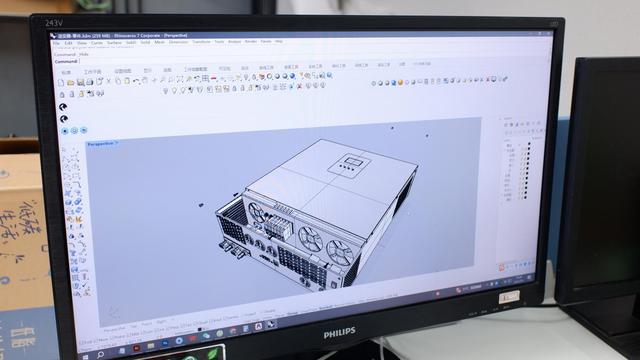
We understand that every industrial site has unique spacing, voltage, and capacity constraints. Our engineering team specializes in customizing systems to meet specific project demands, whether you require high-voltage containerized battery designs, customized rack sizing, or dual-purpose hybrid systems supporting both DC and AC couplings. From initial CAD planning to final hardware integration, we tailor systems to your operational guidelines.
Essential technical answers regarding our backup energy systems and installations in San Francisco.
The typical production time at our factory ranges from 30 to 45 days, depending on the scale and customization requirements of the order. Ocean freight and customs clearance processes to the Port of Oakland generally take between 20 to 25 days. We provide complete DDP options for simplified local delivery.
Our LiFePO4 battery modules undergo testing according to the UL 9540A standard to evaluate fire propagation behavior under thermal runaway conditions. We provide complete documentation packages to assist engineering and permitting teams during local AHJ approval processes.
Yes. Our commercial and residential platforms support both AC-coupled and DC-coupled architectures. This integration permits direct interface with industrial PV plants, allowing the system to operate autonomously as a local microgrid during grid power losses.
Our lithium-iron-phosphate (LiFePO4) systems are engineered to achieve more than 6,000 complete charge/discharge cycles at 80% Depth of Discharge (DoD). Under standard peak-shaving usage (typically one cycle per day), the battery cells maintain reliable performance for over 15 years.
 CCSC Energy