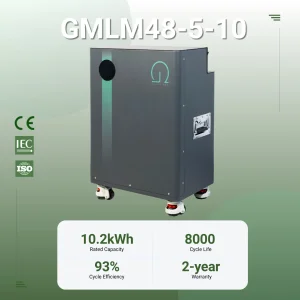
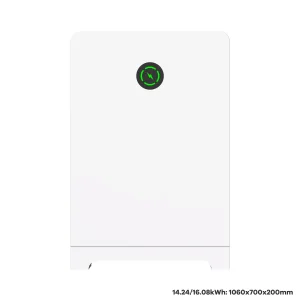
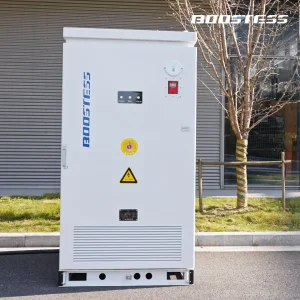
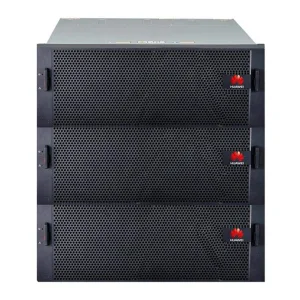
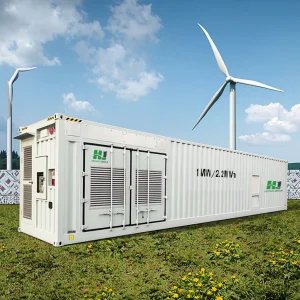
Discover our primary lineup of integrated environmental energy storage and smart agriculture systems.
The global push towards absolute carbon neutrality demands a fundamental paradigm shift in how we generate, distribute, and consume electrical power. Traditional grid infrastructures, heavily reliant on centralized fossil-fueled power stations, are failing to cope with the intermittent nature of high-penetration renewable sources like solar photovoltaics (PV) and wind. At the heart of resolving this imbalance lies utility-scale, industrial, and commercial battery storage technology.
Hangzhou CCSC Energy Co., Ltd. stands as a premier Energy Storage System Manufacturer specializing in battery energy storage, renewable power integration, and smart energy solutions. Based in Hangzhou, China, our company designs, engineers, and supplies advanced systems that empower global enterprises to dramatically improve energy efficiency, reinforce grid reliability, and slash operating expenses through optimal load shifting, peak shaving, and power quality management.
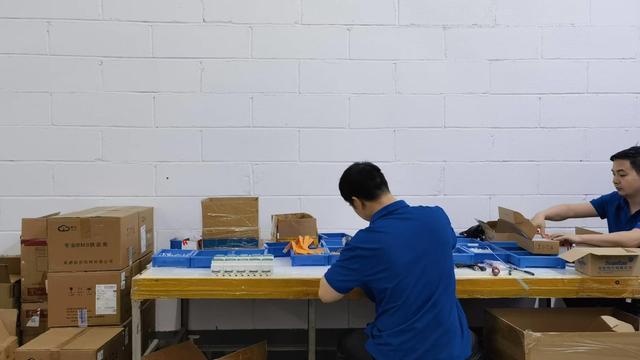
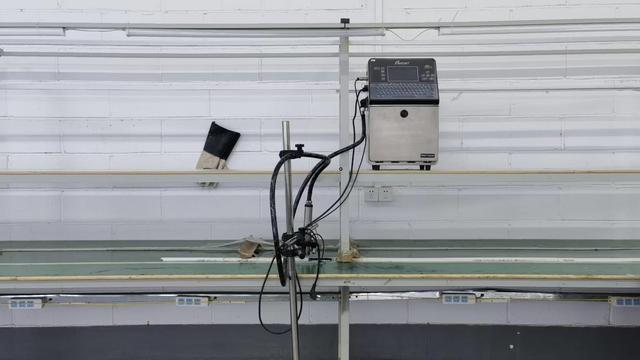
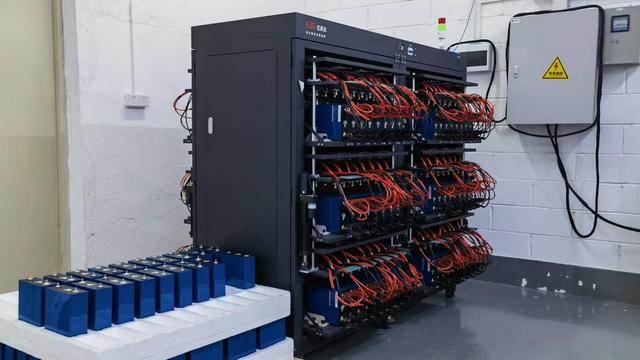
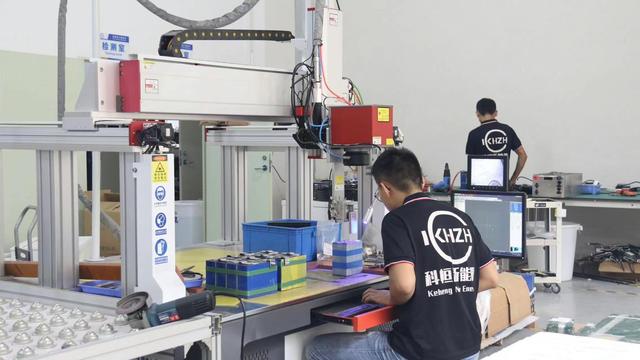
"CCSC Energy is dedicated to bridging the gap between volatile clean generation and predictable load demands. Our engineered packages guarantee power quality, continuous system availability, and rapid ROI through optimized Levelised Cost of Storage (LCOS)."
Procuring commercial-and-industrial (C&I) or utility-scale energy storage systems is a high-cap planning decision that mandates strict evaluation criteria. Global buyers, project developers, and EPC contractors look beyond the raw system nominal capacity to scrutinize system longevity, safety, and integration flexibility. Key procurement variables analyzed by procurement executives include:
The efficiency of energy conversion inside a BESS dictates its operational cost-efficiency. High-quality systems maintain an RTE above 88-92% throughout the lifecycle by optimizing power electronics (PCS) and reducing parasitic loads (auxiliary power used by cooling and monitoring systems). Crucially, battery degradation models must prove that the cells will retain at least 80% State of Health (SOH) after 6,000 to 8,000 cycles, translating to over 10-15 years of continuous daily cycling.
Safety remains the absolute priority in urban and industrial zoning. Enterprise procurement protocols demand multi-layer hazard prevention: cell-level safety vents, module-level thermal barriers, automated gas detection (such as off-gas detectors for early warning), and integrated clean-agent fire suppression systems. System designs must pass extensive testing criteria to ensure that failure in one cell does not propagate across the entire battery cabinet.
Calculates total cost per MWh delivered over the life of the asset, including CapEx, OpEx, charging costs, and end-of-life recycling liabilities.
Compatibility with specific local grid code mandates such as primary frequency response, active/reactive power control, and fast frequency response (FFR).
Prefabricated ISO containers (20ft, 40ft) pre-wired, pre-tested, and ready to interconnect on site to minimize expensive field engineering tasks.
CCSC Energy engineers bespoke configurations addressing specialized operational challenges across a broad spectrum of commercial and industrial applications:
Industrial facilities are billed not only on total energy consumption but also on peak demand limits. By dynamically discharging stored power during peak periods, the BESS caps the facility’s demand profile, yielding immediate utility bill reductions and alleviating local substation thermal stress.
Remote mining sites, island grids, and isolated communities leverage BESS to pair diesel generators with large-scale solar arrays. The storage system acts as the dynamic buffer, smoothing solar fluctuations, providing synthetic inertia, and enabling generators to operate at their peak thermal efficiency zones, saving millions of liters of fuel annually.
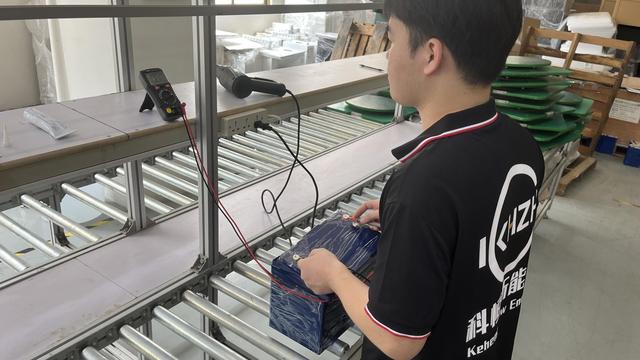
Figure 1: Prefabricated C&I BESS installation integrating centralized PCS and advanced HVAC units for stable thermal conditions.
Utility-scale solar and wind operators utilize containerized storage to mitigate output curtailment. By shifting excess daytime solar generation to high-value evening peak demand periods, generation assets transform from volatile interruptible power to dispatchable baseload assets.
Why top engineers and global buyers trust Hangzhou CCSC Energy solutions.
Utilizing high-density Lithium Iron Phosphate (LiFePO4) cell chemistry, offering unparalleled safety, zero thermal propagation risks, and superior lifecycle durability.
Precision temperature management maintains optimal cell temperatures within a tight ±2°C window, extending battery life by up to 25% compared to basic air-cooling units.
Advanced dual-redundant monitoring structures tracks cell-level voltage, impedance, and health metrics, transmitting direct cloud telemetry for predictive diagnostics.
As the battery storage industry transitions from a support role to the core stabilizer of global grids, CCSC Energy continuously invests in R&D to incorporate next-generation technological advancements into our factory standards:
Phasing out large air-conditioning ducting to deploy direct contact liquid-cooling plates. This results in 35% higher energy density per footprint and reduces internal auxiliary energy consumption by over 40%.
Deploying advanced virtual synchronous machine (VSM) algorithms. Our upcoming PCS units can actively form and stabilize local microgrid voltage and frequency reference, rather than merely following the existing utility signal.
Developing low-temperature-resilient sodium-ion (Na-Ion) pilot systems. This expansion ensures secure supply chains and offers an economical storage alternative for extreme climates and stationary long-duration storage.
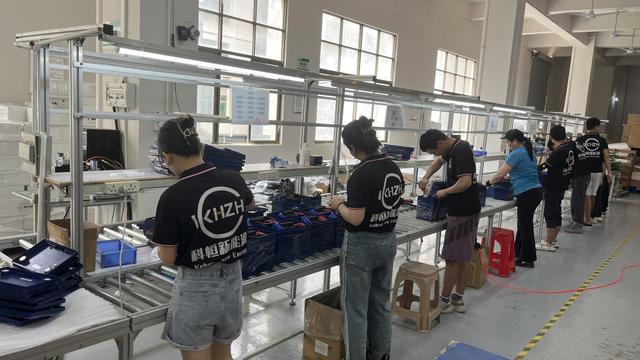
Figure 2: In-house environmental simulation chambers testing full module performance under extreme external temperatures.
The operational landscape of energy storage varies significantly across geographic regions, dictated by regional grid stability, energy policies, and financial incentives:
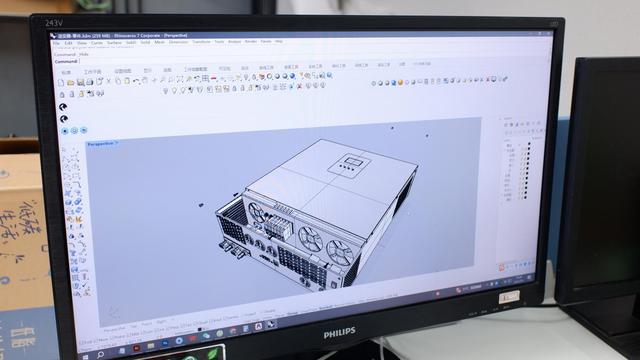
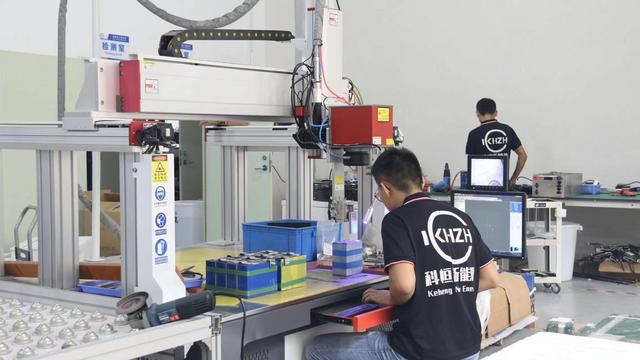
A BESS cannot function in isolation; it must integrate seamlessly with local electrical grids and conform to region-specific legal requirements. Hangzhou CCSC Energy Co., Ltd. ensures that all manufactured units ship with appropriate regional compliance certifications including CE, IEC 62619, UL 1973, UL 9540A, and UN 38.3 for transport.
Our engineering services extend from initial site assessment and load profiling to grid interconnection support and remote firmware updates. By maintaining strong partnerships with local EPC contractors and field technicians globally, we guarantee rapid dispatch of components, remote diagnostics, and on-site support to minimize system downtime.
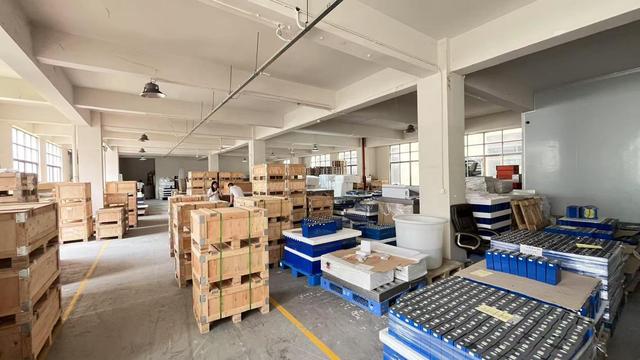
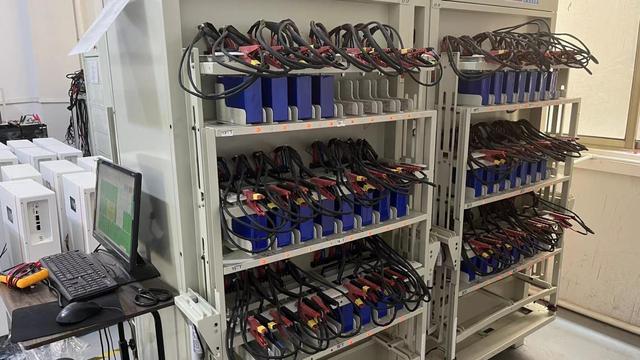
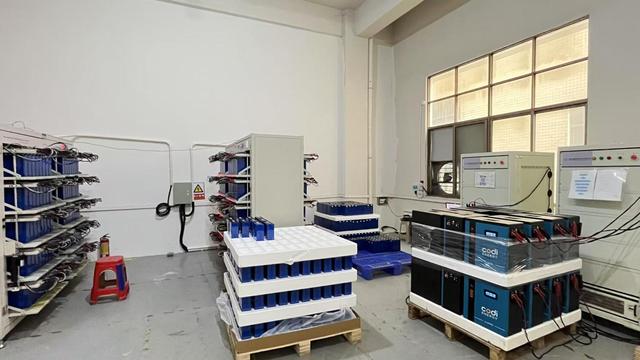
LiFePO4 offers vastly superior chemical stability. The molecular structure of LFP is resistant to thermal runaway even under mechanical damage or minor overcharge. Additionally, LFP batteries deliver more than double the cycle life of NMC chemistries (up to 8,000 cycles versus 3,000 cycles), leading to a significantly lower Levelised Cost of Storage (LCOS) for stationary applications.
Air cooling relies on convective heat transfer using fans, which can lead to thermal gradients inside the battery rack. Liquid cooling pumps dielectric coolant directly through cooling plates adjacent to the battery cells. This achieves uniform temperatures within a ±2°C variance, prevents hot spots, saves footprint space by eliminating air ducts, and drastically reduces cooling energy consumption.
We implement a multi-layered safety strategy: physical cell isolation, early-warning gas/smoke sensors (detecting CO/H2 off-gassing before temperatures spike), automatic shut-offs managed by the BMS, and modular clean-agent fire suppression (Novak/FM200 or specialized aerosol) paired with water deluge backup systems to guarantee safety according to UL 9540A and NFPA 855 standards.
Yes. Our industrial containers feature robust thermal insulation (IP54 to IP65 ratings) paired with climate-control systems (HVAC or active heat exchangers). Heating elements are activated to keep cells above freezing in cold regions, while optimized liquid chillers prevent overheating in hot desert environments.
Our control platforms natively support standard communication protocols including Modbus TCP/RTU, CAN bus, DNP3, and IEC 61850. This enables seamless connection with utility-scale SCADA networks, local Energy Management Systems (EMS), and remote cloud monitoring software.
We offer standard performance warranties of 5 to 10 years, depending on the operational profile, temperature parameters, and throughput. System lifespans are engineered to reach 15-20 years with planned power electronics (PCS) refits and battery module maintenance programs.
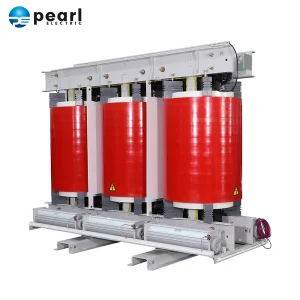
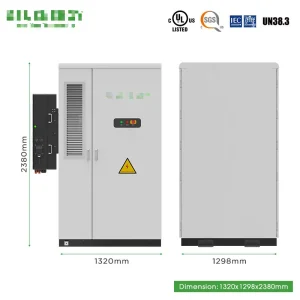
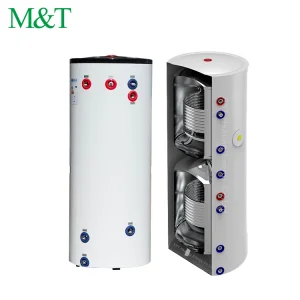
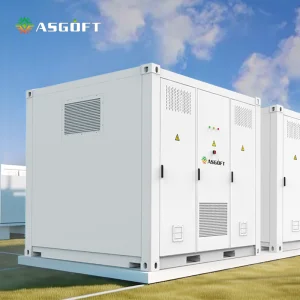
Explore our high-voltage subsystems, transformers, and utility-scale containerized systems.
 CCSC Energy