Engineered for absolute reliability, grid integration, and dynamic peak-load shifting.
Decarbonization, Grid Resiliency, and the Crucial Role of Large-Scale Energy Storage.
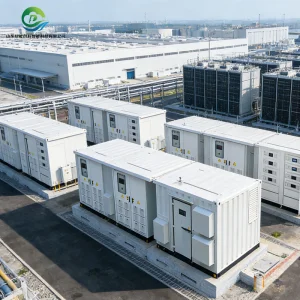
As the international transition towards carbon neutrality intensifies, global power grids face unprecedented integration challenges. Intermittent renewable energy sources, notably solar photovoltaic (PV) and wind power, require advanced stabilizing technologies to buffer supply volatility. Utility-Scale Power Solutions, particularly Battery Energy Storage Systems (BESS), represent the foundational infrastructure needed to bridge the gap between volatile generation and dynamic load demands.
In mature markets like North America and Europe, stringent regulatory frameworks and grid codes (such as FERC Order 841 in the US and EU Clean Energy Packages) are driving the rapid adoption of large-scale battery systems. These installations perform critical grid services including frequency response, voltage control, congestion management, and black-start capabilities. In emerging economies, utility-scale systems act as the primary catalyst for microgrids and regional grid modernization, enabling isolated regions to bypass traditional, fossil-fueled transmission lines and construct robust, localized green grids.
Furthermore, the industrial and commercial sectors are adopting utility-scale battery architecture to mitigate rising demand charges and secure uninterruptible power supply (UPS) protection. For massive infrastructure projects, datacenter operators, and manufacturing parks, a utility-scale installation is no longer just an environmental strategy; it is a critical safeguard against grid outages and volatile spot-market pricing.
| Parameter | Industrial Application Focus | Grid-Scale Utility Focus |
|---|---|---|
| Primary Drivers | Peak demand charge reduction, UPS backup, Solar self-consumption | Frequency regulation, spinning reserves, congestion management |
| Capacity Scale | 200 kWh to 5 MWh | 5 MWh to 500+ MWh |
| Typical Chemistry | LFP (Lithium Iron Phosphate) | LFP (Liquid-cooled high-density configurations) |
| Grid Interconnection | Low to Medium Voltage (480V - 13.8kV) | Medium to High Voltage (13.8kV - 110kV+) |
Why Tier-1 Chinese BESS Suppliers Lead Global Cost-Efficiency and Technical Performance.
From lithium mining and precursor refining to advanced cell manufacturing and digital management systems (BMS/EMS), the end-to-end supply chain is clustered within immediate domestic corridors, eliminating transit-induced material delays.
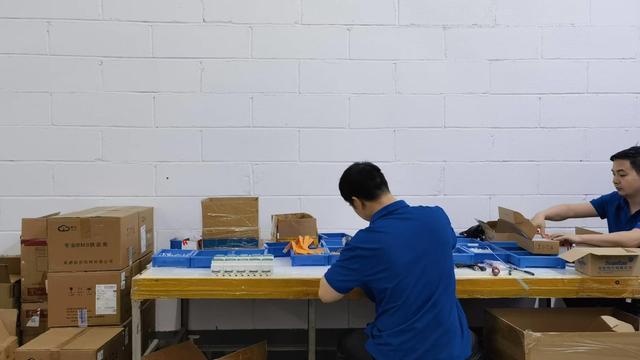
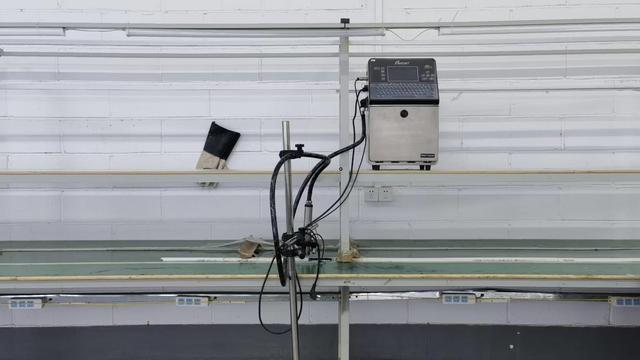
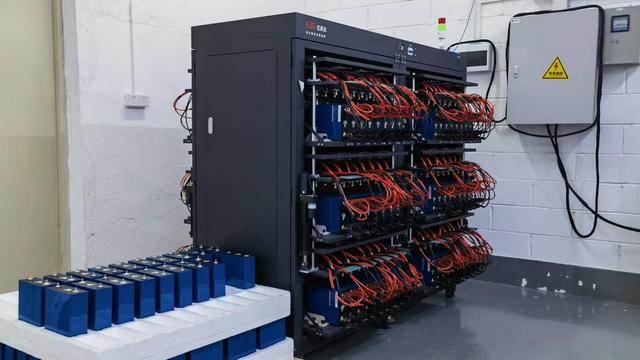
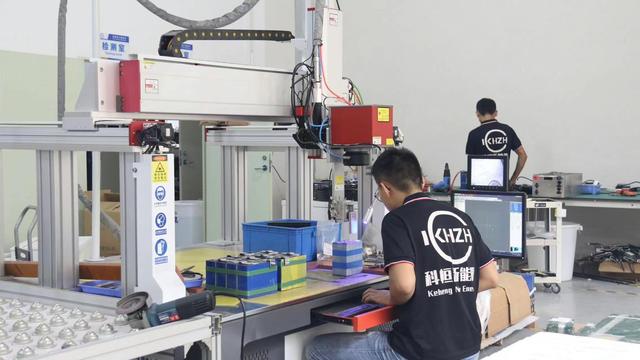
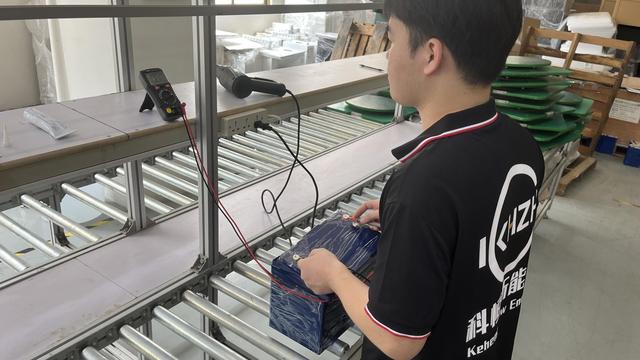
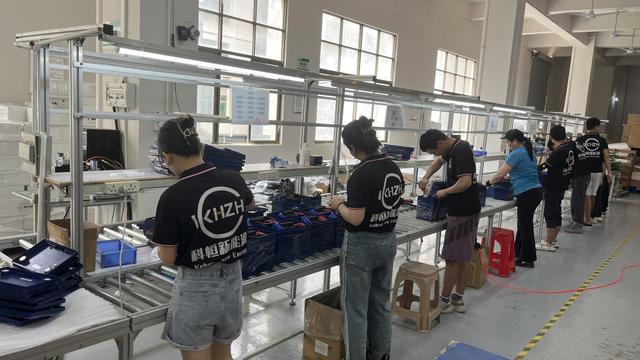
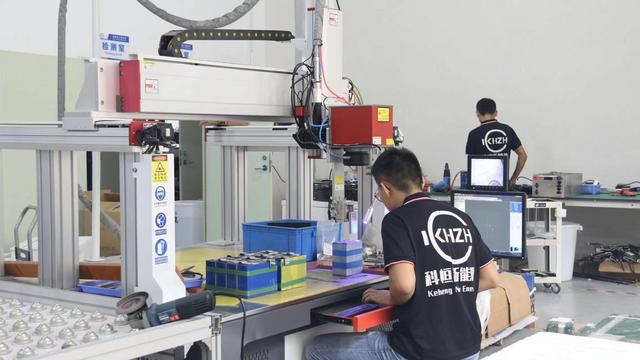
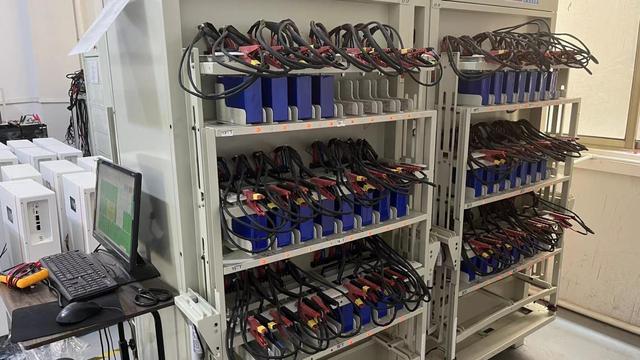
China's gigafactories operate at volumes that drive significant economies of scale. These advanced facilities utilize state-of-the-art automation and AI-driven quality inspection (such as automated 3D X-ray CT cell scanning) to deliver consistent reliability.
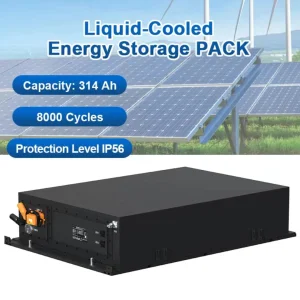
Chinese engineering teams lead the deployment of next-generation BESS solutions. This includes transitioning from traditional air cooling to highly efficient liquid cooling systems, and adopting high-capacity 314Ah+ LFP cells.
The manufacturing capabilities of leading Chinese battery and system integrators have transformed the global economics of utility-scale energy storage. Capital expenditures (CAPEX) for energy storage project developers have decreased substantially over the last decade, primarily due to the scaled production of Lithium Iron Phosphate (LFP) cells. LFP has become the global industry standard for stationary energy storage due to its exceptional thermal stability, long cycle life (often exceeding 6,000 to 12,000 cycles at 80% Depth of Discharge), and cobalt-free formulation.
This massive scale, combined with specialized design-for-manufacturability (DFM) processes, allows Chinese suppliers to deliver pre-configured, pre-tested containerized solutions directly to project sites globally. This reduces on-site commissioning time and associated field labor expenses.
A Tier-1 Manufacturer Driving Global Smart Energy Infrastructure and Technological Innovations.
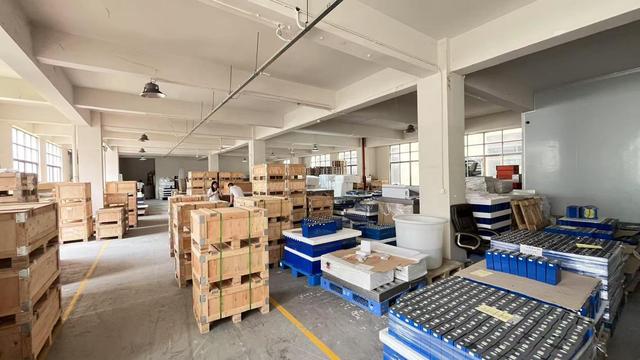
Hangzhou CCSC Energy Co., Ltd. is a professional Energy Storage System Manufacturer specializing in battery energy storage, renewable power integration, and smart energy solutions for residential, commercial, industrial, and utility-scale applications. Based in Hangzhou, China, the company focuses on developing advanced energy storage technologies that help customers improve energy efficiency, enhance power reliability, and support the transition toward sustainable energy systems.
With expertise in energy storage engineering and system integration, CCSC Energy provides comprehensive solutions covering battery energy storage systems (BESS), renewable energy storage integration, commercial and industrial energy storage, backup power systems, microgrid applications, distributed energy infrastructure, and intelligent energy management platforms. Its solutions are designed to support a wide range of applications, including solar energy utilization, peak demand management, grid stabilization, emergency power supply, and energy cost optimization.
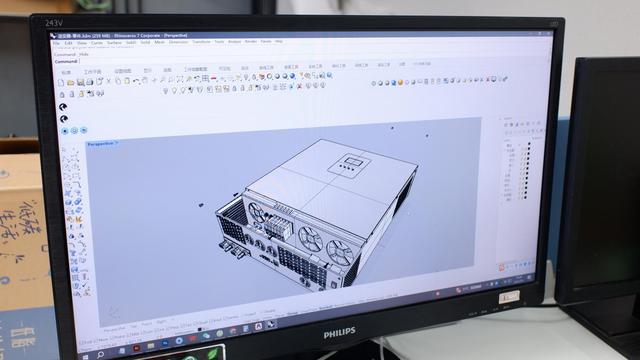
The company is committed to delivering safe, efficient, and scalable energy storage solutions tailored to the needs of modern energy users. Its engineering team works closely with customers, project developers, EPC contractors, and energy service providers to design systems that align with specific operational requirements, performance objectives, and regulatory standards. From project planning and system design to manufacturing and technical support, CCSC Energy offers comprehensive services throughout the project lifecycle.
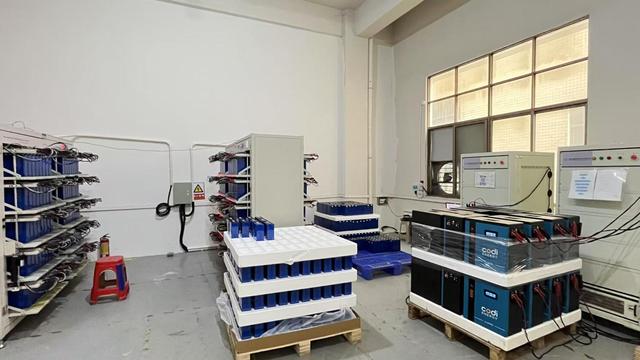
Equipped with advanced manufacturing facilities and stringent quality management processes, the company emphasizes product reliability, operational safety, and long-term performance. Continuous investment in research and development enables CCSC Energy to integrate intelligent monitoring technologies, advanced battery management systems, and smart energy control platforms into its solutions.
Serving customers across Asia, Europe, North America, South America, the Middle East, and other global markets, Hangzhou CCSC Energy Co., Ltd. is dedicated to providing innovative energy storage solutions that support renewable energy adoption, strengthen power resilience, and contribute to a more efficient and sustainable energy future.
How CCSC Energy Adapts Technologies to Regional Grid Topologies and Climates.
Designed for commercial complexes, manufacturing lines, and campuses to curb costly demand charges during peak hours, saving tens of thousands in utility expenses.
Providing independent off-grid solar-storage networks for remote regions, island communities, and mine sites, reducing reliance on expensive diesel generators.
Integrating robust HVAC and advanced liquid cooling technologies. These units operate reliably in ambient temperatures ranging from -30°C to +55°C without thermal degradation.
Key Advancements and Procurement Criteria for Global Project Developers.
Traditional forced-air cooling systems struggle to maintain uniform cell temperatures, leading to localized hotspots and accelerated capacity degradation. Next-generation containerized utility systems are adopting active liquid cooling. By circulating glycol-water mixtures directly through cooling plates adjacent to cell faces, system designers can maintain cell-to-cell temperature differentials within ±2°C, substantially extending cycle life and improving round-trip efficiency (RTE).
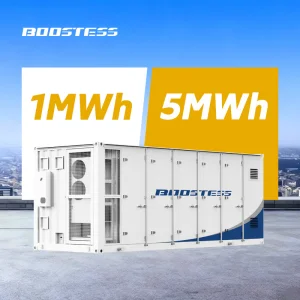
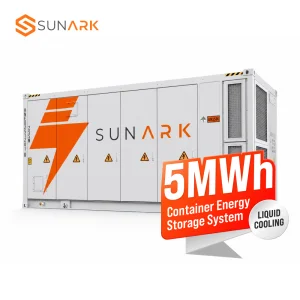
The industry is moving from standard 280Ah cells to higher density 314Ah and 320Ah form factors. This transition increases energy density without expanding the physical footprint, allowing suppliers to fit 5 MWh+ of nominal capacity into a standard 20-foot shipping container. This optimization yields direct savings on shipping, foundation construction, and on-site wiring.
For global engineering, procurement, and construction (EPC) contractors, BESS selection requires compliance with rigorous electrical and cybersecurity standards. Key compliance criteria include:
Expert technical insights regarding our utility-scale systems and procurement processes.
From modular home solar systems to heavy industrial microgrids.
 CCSC Energy