Explore our core selection of smart grid stabilizers, fast charging components, and commercial-scale storage systems engineered for maximum efficiency and longevity.
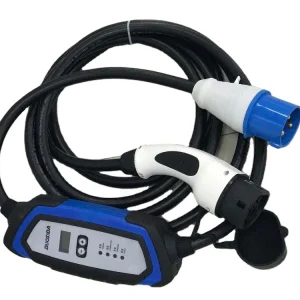
The global transition toward sustainable and clean energy ecosystems is accelerating at an unprecedented rate. Driven by ambitious net-zero emission mandates, increasing carbon tax pressures, and the rising volatility of fossil fuel markets, commercial and industrial (C&I) enterprises are fundamentally rethinking their energy supply chains. Modern energy transition strategies are no longer limited to the installation of rooftop photovoltaic (PV) systems; they encompass holistic microgrids, dynamic energy storage platforms, and ultra-high-efficiency transmission hardware.
Utility companies and large-scale industrial consumers are confronting critical challenges related to renewable integration. Solar and wind energy, though clean, are inherently intermittent. Without robust energy storage, grid injection of variable renewable energy (VRE) threatens grid stability, causing localized congestion, phase imbalances, and voltage fluctuations. Consequently, the global demand for advanced Battery Energy Storage Systems (BESS) has surged, transforming energy storage from a secondary auxiliary asset into the primary backbone of the modern grid.
China has established an unrivaled, vertically integrated manufacturing ecosystem for energy transition technologies. From raw mineral processing (lithium, cobalt, nickel) to electrochemical cell fabrication, power electronics assembly, and advanced thermal management design, the supply chain density is unmatched globally. This integration provides Chinese factories with unique efficiencies that allow them to rapidly implement innovations, scale production, and offer highly competitive Levelized Cost of Storage (LCOS).
Factories like Hangzhou CCSC Energy Co., Ltd. leverage these synergies to deliver bespoke, high-performance battery systems incorporating tier-1 Lithium Iron Phosphate (LiFePO4) cell chemistry from leaders such as CATL. By coupling optimized manufacturing processes with strict international quality compliance, Chinese suppliers bridge the gap between high-capacity demand and financial feasibility, helping overseas developers achieve ROI goals much faster than domestic supply lines in Europe or North America can typically offer.
Empirical data highlights the growth trajectory and operational metrics driving modern procurement decisions.
Modern power grids demand dynamic, non-linear stabilization mechanisms. Real-time control algorithms, cloud monitoring interfaces, and modular liquid-cooling designs represent the core features of premium systems. Suppliers leveraging these features protect capital investments against rapidly shifting grid compliance standards.
Deploying energy transition hardware successfully requires tailoring designs to the unique geographic, regulatory, and infrastructural characteristics of the deployment site. Let us examine the most prominent scenarios where these solutions deliver measurable economic value:
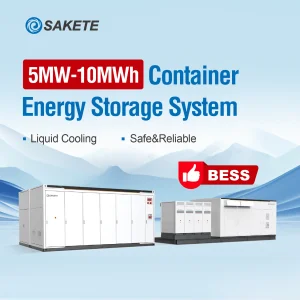
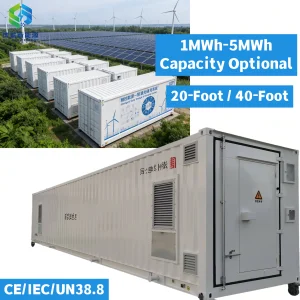
Utility companies utilize containerized multi-megawatt systems (such as the Sakete 5MWh/10MWh BESS) to store excess renewable energy during off-peak windows and discharge it when demand spikes. This limits grid congestion and mitigates the need for expensive peaker plants.
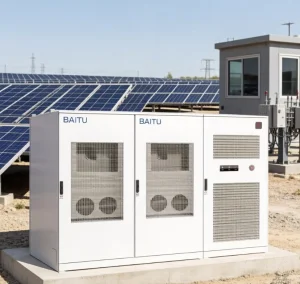
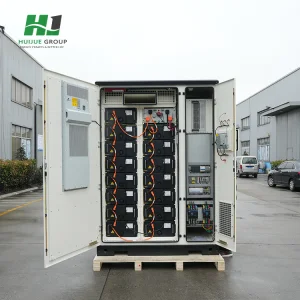
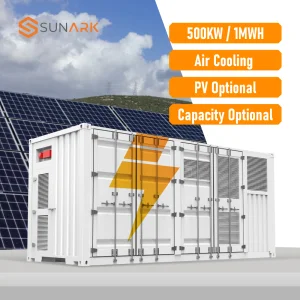
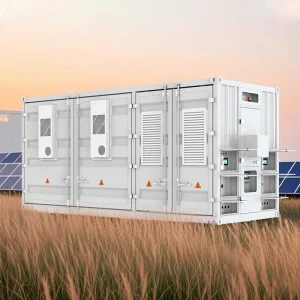
Remote mines, agricultural hubs, and isolated communities leverage hybrid PV-plus-storage microgrids (such as the BAITU LiFePO4 250kW/500kWh Container) combined with dual-mode inverters. This setup provides absolute energy independence and reliable off-grid power, avoiding costly utility line extensions.
Logistics hubs deploying large fleets of electric delivery trucks require dynamic charging configurations. Integrating local storage reduces peak demand charges from the grid, while liquid-cooled batteries ensure continuous thermal stability during rapid DC fast charging.
Hangzhou CCSC Energy Co., Ltd. is a professional Energy Storage System Manufacturer specializing in battery energy storage, renewable power integration, and smart energy solutions for residential, commercial, industrial, and utility-scale applications. Based in Hangzhou, China, the company focuses on developing advanced energy storage technologies that help customers improve energy efficiency, enhance power reliability, and support the transition toward sustainable energy systems.
With expertise in energy storage engineering and system integration, CCSC Energy provides comprehensive solutions covering battery energy storage systems (BESS), renewable energy storage integration, commercial and industrial energy storage, backup power systems, microgrid applications, distributed energy infrastructure, and intelligent energy management platforms. Its solutions are designed to support a wide range of applications, including solar energy utilization, peak demand management, grid stabilization, emergency power supply, and energy cost optimization.
The company is committed to delivering safe, efficient, and scalable energy storage solutions tailored to the needs of modern energy users. Its engineering team works closely with customers, project developers, EPC contractors, and energy service providers to design systems that align with specific operational requirements, performance objectives, and regulatory standards. From project planning and system design to manufacturing and technical support, CCSC Energy offers comprehensive services throughout the project lifecycle.
Equipped with advanced manufacturing facilities and stringent quality management processes, the company emphasizes product reliability, operational safety, and long-term performance. Continuous investment in research and development enables CCSC Energy to integrate intelligent monitoring technologies, advanced battery management systems, and smart energy control platforms into its solutions.
Serving customers across Asia, Europe, North America, South America, the Middle East, and other global markets, Hangzhou CCSC Energy Co., Ltd. is dedicated to providing innovative energy storage solutions that support renewable energy adoption, strengthen power resilience, and contribute to a more efficient and sustainable energy future.
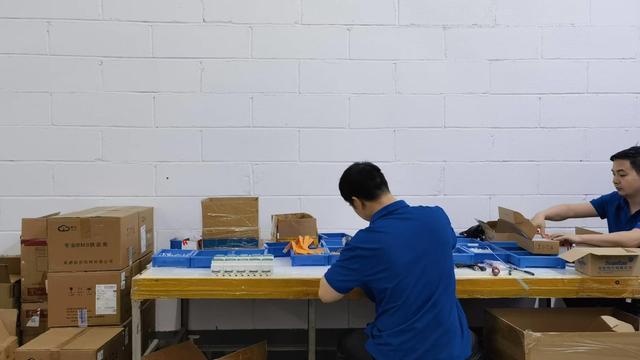
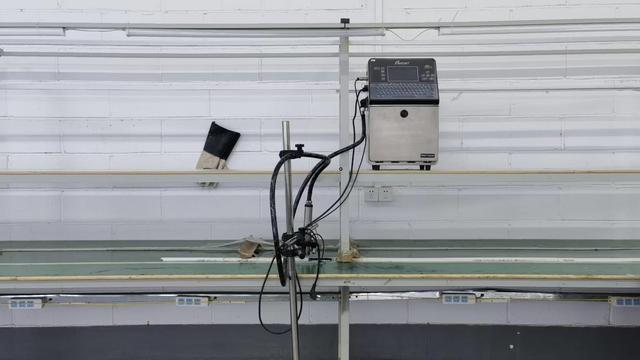
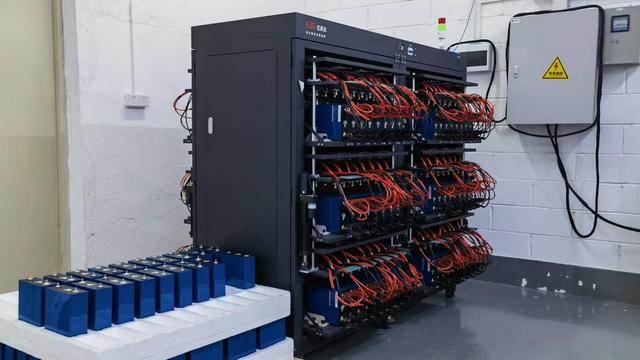
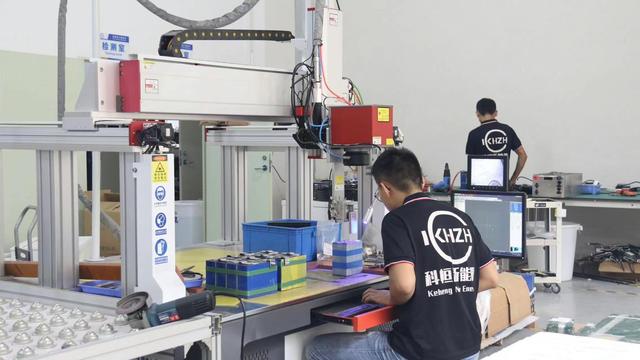
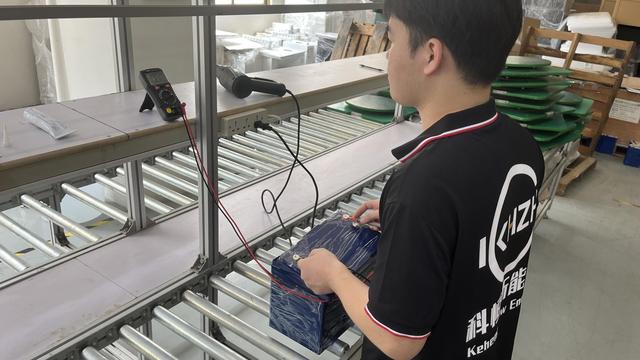
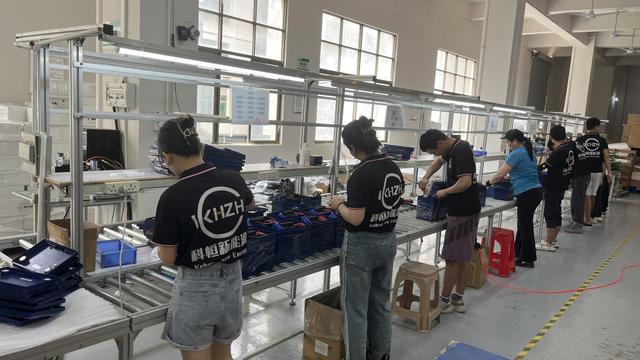
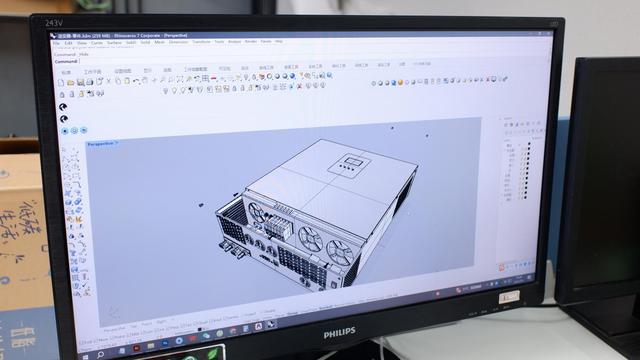
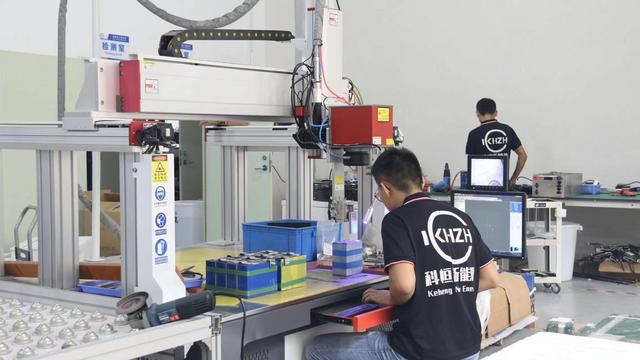
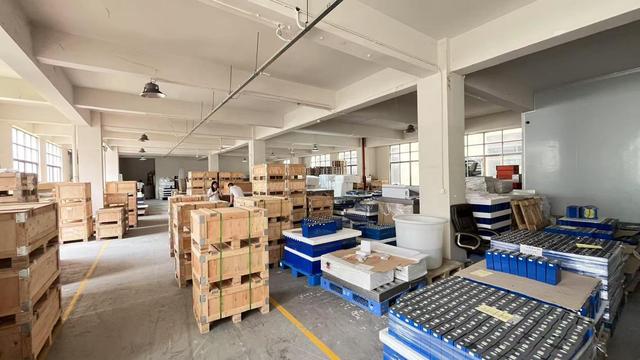
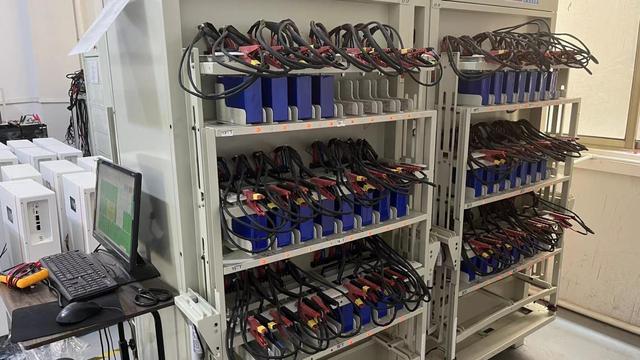
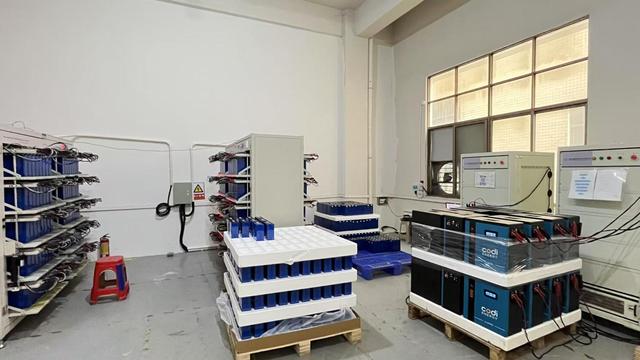
Our state-of-the-art production floors implement automation, precision testing, and quality assurance processes conforming to international standards.
The energy transition landscape is shifting from simple capacity expansion to intelligence-driven systems optimization. To stay ahead of utility integration challenges, engineering teams are incorporating key industry developments:
Procuring utility-grade and industrial energy transition hardware requires thorough technical due diligence. Enterprise buyers should carefully evaluate safety, standards compliance, and financial criteria:
1. Safety Standards and Certifications: Battery storage projects must satisfy strict local regulations to qualify for project financing and insurance. Ensure system components hold active certifications under UL9540 (for complete BESS), UL1973 (for battery packs), and UN38.3 (for shipping safety). Thermal runaway mitigation systems should also be verified through UL9540A testing.
2. Performance Guarantees: Evaluate manufacturers' warranties based on total energy throughput (typically measured in Megawatt-hours per Megawatt-hour of capacity) rather than cycle counts alone. Factors like operational temperatures, depth of discharge (DoD), and average C-rates significantly affect warranty terms.
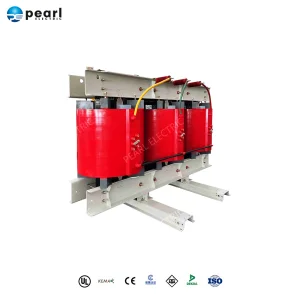
3. Integration with Existing Distribution Systems: High-power storage platforms require compatible transformation infrastructure. Combining step-down transformers with medium-voltage switchgear inside integrated cabinets reduces installation complexity and ensures smooth connection to the local grid.
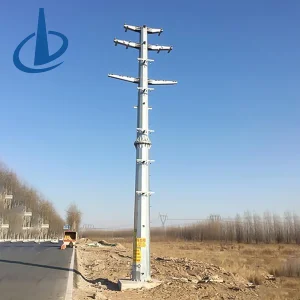
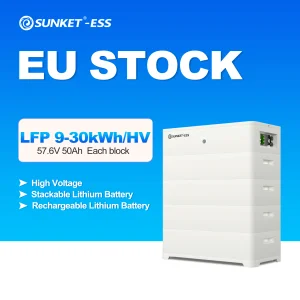
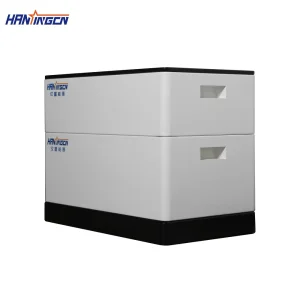
Complete your energy infrastructure with stacked residential batteries, high-voltage towers, high-capacity hybrid containers, and tailored modular systems.
 CCSC Energy