Engineered for seamless integration with predictive AI dispatch and industrial microgrid controllers.
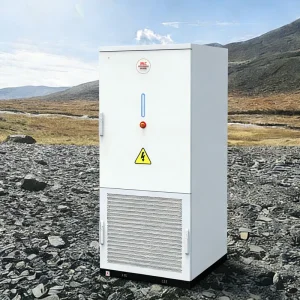
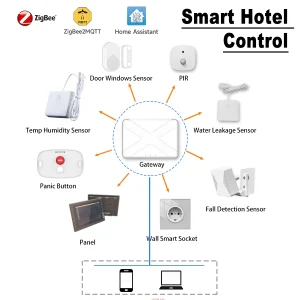
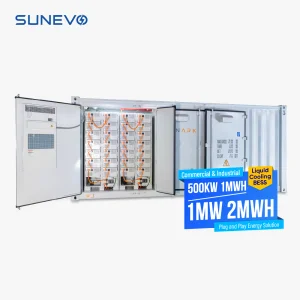
Modern electrical grids are facing unprecedented challenges due to the rapid integration of intermittent renewable energy sources like wind and solar. As traditional base-load power plants are phased out, grid operators and independent power producers (IPPs) are increasingly dependent on advanced Energy Forecasting Solutions (EFS). These software-hardware systems aggregate vast amounts of historical data, physical parameters, and numerical weather predictions (NWP) to forecast both generation capacity and load requirements with minute-level precision.
Without high-fidelity forecasting models, energy storage assets risk premature depletion, or worse, sudden grid destabilization causing cascading outages. EFS operates as the analytical brain of modern power architectures, orchestrating the dispatch algorithms of utility-scale Battery Energy Storage Systems (BESS), predicting thermal profiles, and maximizing the Levelized Cost of Storage (LCOS).
"By pairing machine learning forecasting models with local physical constraints, operators can reduce scheduled reserve requirements by up to 30%, saving millions in dispatch costs while securing critical grid backup assets."
Optimized architectures rely on three core pillars to translate raw environmental data into actionable energy intelligence.
Utilizing Deep Neural Networks (DNN) and Long Short-Term Memory (LSTM) networks to analyze historical meteorological trends, system degradation curves, and consumer demand shifts. The result is continuous micro-adjustments to state-of-charge limits.
Seamless execution interfaces connecting EMS algorithms with physical hardware (PCS, battery management controllers). Real-time telemetry translation enables rapid primary frequency response and dynamic grid stabilizing injections.
Ingesting multi-channel Numerical Weather Prediction feeds alongside local sky imaging and geostationary satellite telemetry. This mitigates sudden ramp-rate penalties imposed by transmission system operators (TSOs).
A deep dive into their manufacturing capability, system integration excellence, and global reach.
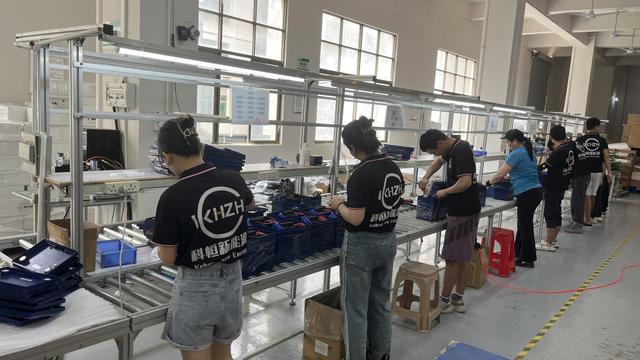
Hangzhou CCSC Energy Co., Ltd. is a professional Energy Storage System Manufacturer specializing in battery energy storage, renewable power integration, and smart energy solutions for residential, commercial, industrial, and utility-scale applications. Based in Hangzhou, China, the company focuses on developing advanced energy storage technologies that help customers improve energy efficiency, enhance power reliability, and support the transition toward sustainable energy systems.
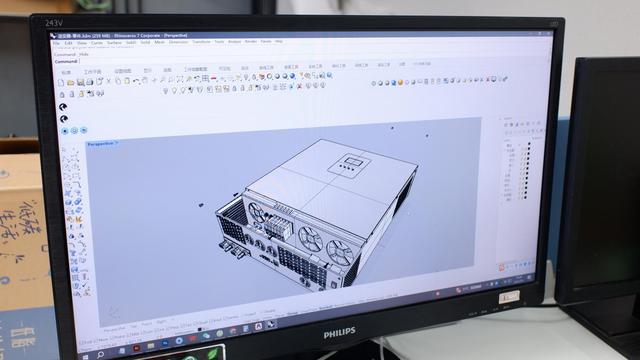
With expertise in energy storage engineering and system integration, CCSC Energy provides comprehensive solutions covering battery energy storage systems (BESS), renewable energy storage integration, commercial and industrial energy storage, backup power systems, microgrid applications, distributed energy infrastructure, and intelligent energy management platforms. Its solutions are designed to support a wide range of applications, including solar energy utilization, peak demand management, grid stabilization, emergency power supply, and energy cost optimization.
The company is committed to delivering safe, efficient, and scalable energy storage solutions tailored to the needs of modern energy users. Its engineering team works closely with customers, project developers, EPC contractors, and energy service providers to design systems that align with specific operational requirements, performance objectives, and regulatory standards. From project planning and system design to manufacturing and technical support, CCSC Energy offers comprehensive services throughout the project lifecycle.
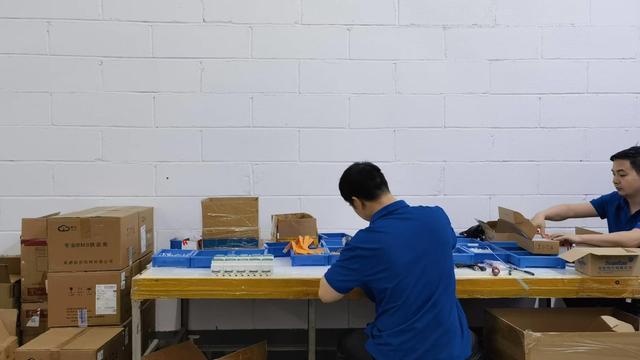
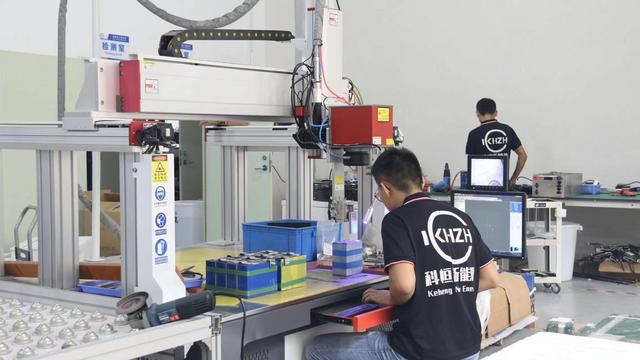
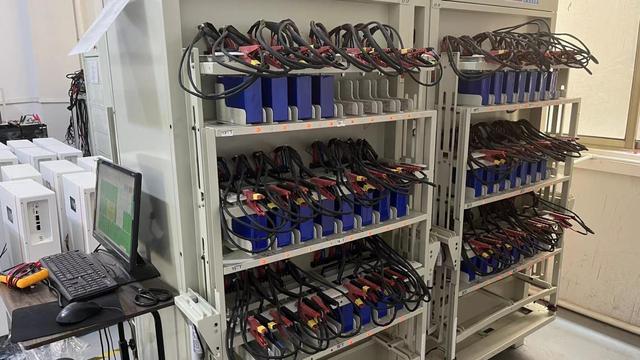
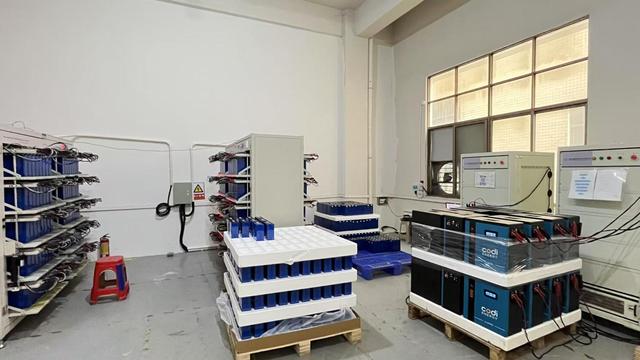
Equipped with advanced manufacturing facilities and stringent quality management processes, the company emphasizes product reliability, operational safety, and long-term performance. Continuous investment in research and development enables CCSC Energy to integrate intelligent monitoring technologies, advanced battery management systems, and smart energy control platforms into its solutions.
Serving customers across Asia, Europe, North America, South America, the Middle East, and other global markets, Hangzhou CCSC Energy Co., Ltd. is dedicated to providing innovative energy storage solutions that support renewable energy adoption, strengthen power resilience, and contribute to a more efficient and sustainable energy future.
Navigating global grid codes, standardizations, and data privacy mandates for secure integrations.
Implementing utility or commercial-level energy forecasting requires strict adherence to localized compliance structures. Different regions dictate unique grid connection regulations. For example, in North America, systems must align with IEEE 1547 standards for interconnecting distributed resources, and energy storage assemblies must pass rigorous UL 9540 and UL 9540A thermal runaway tests. In Europe, grid operators demand compliance with various national adaptations of the EN 50549 standard to handle grid disturbances and active power management.
From a software perspective, energy forecasting systems process sensitive telemetry. Data sovereignty is protected under strict regulatory framework agreements such as GDPR in the EU and localized cybersecurity standards for critical infrastructure (like NERC CIP in the US). A premium forecasting supplier integrates end-to-end transport layer security (TLS 1.3), AES-256 local database encryption, and localized APIs tailored to national meteorological offices to keep system parameters safe and accurate.
| Region | Electrical Safety & Grid Codes | Data Sovereignty & Security | Forecasting API Protocols |
|---|---|---|---|
| North America | IEEE 1547, UL 1741 SB, NFPA 855 | NERC CIP Compliance, SOC 2 Type II | DNP3, Modbus TCP, IEEE 2030.5 |
| European Union | EN 50549-1/2, CE, VDE-AR-N 4105 | GDPR, NIS 2 Directive | IEC 60870-5-104, RESTful Web APIs |
| APAC / Australia | AS/NZS 4777.2, IEC 62619 | AES-256 Storage, Local cloud servers | Modbus, proprietary JSON over HTTPS |
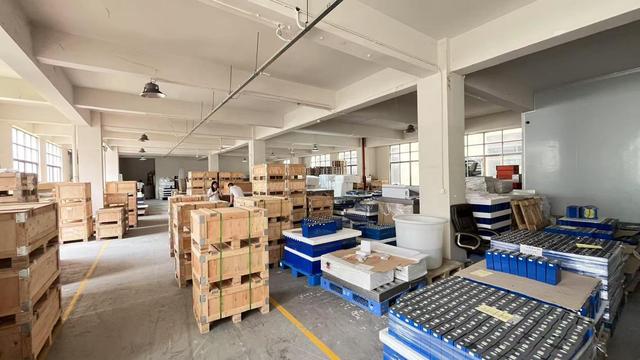
The global energy storage industry relies heavily on the industrial integration scale optimized in Chinese manufacturing clusters. By sourcing directly from integrated hubs like Hangzhou, global buyers gain a cost-to-performance ratio that is virtually unmatched elsewhere. This efficiency extends across the complete battery assembly lifecycle, from raw chemical refining to cell manufacturing and smart energy management system assembly.
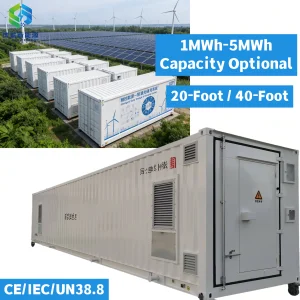
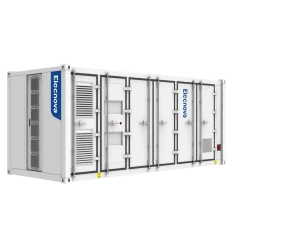
Rather than shipping discrete cells to localized integrators, factories like CCSC Energy assemble the complete structure, including power conversion systems (PCS), advanced fire suppression (Novec 1230 / Liquid Aerosol), liquid cooling modules, and integrated EMS in single prefabricated containers. This vertical configuration lowers logistics costs and significantly mitigates installation and commissioning errors at remote project sites.
Raw lithium cell processing, BMS microchips, and sheet metal fabrication are situated within single industrial corridors, avoiding complex inter-continental shipping fees.
Vertical logistics allow factories to deliver customized utility-scale containers within 12–16 weeks, compared to global averages of 24+ weeks.
Technology pathways that will define the next generation of grid-scale stability systems.
Traditional forced air cooling systems are quickly being replaced by active liquid cooling thermal management systems. Liquid cooling reduces interior cabinet temperature variance to less than 2°C, which extends battery lifespan and provides highly predictable cell discharge rates.
As microgrids proliferate, forecasting platforms are aggregating thousands of distributed storage units into single Virtual Power Plants. These unified networks dynamically bid on energy markets and stabilize local frequency fluctuations.
Instead of relying purely on cloud compute nodes, next-gen BESS controllers process local environmental changes and execute safety dispatch adjustments locally, eliminating latency risks.
Reliable, scalable infrastructure built to accommodate complex energy load balancing configurations.
Crucial procurement and technical insights answered by industry specialists.
Integrating localized Numerical Weather Prediction (NWP) systems prevents over-charging and deep-discharging cycles during unexpected meteorological changes. If the forecasting system foresees heavy solar output in 2 hours, it adjusts the state of charge (SoC) limit downward to leave headroom for cheap renewable energy. This reduces localized thermal stress, prevents battery degradation, and maximizes cycle life, lowering the overall LCOS by up to 15%.
To safely export to the North American market, BESS solutions must be certified to UL 9540 (energy storage systems) and must undergo UL 9540A testing to evaluate fire propagation behavior. Cells require UL 1973 certification. For the European Union, CE marking, compliance with low voltage directives (EN 62619, IEC 63056), and grid connection standards such as EN 50549-1 are mandatory.
Liquid cooling systems use fluid tubes running directly adjacent to battery cells to extract thermal energy, keeping the overall core temperature variations under 2°C. Air cooling is cheaper to install but relies on fans and ventilation, which can lead to localized hotspots of up to 5-8°C. This temperature variation can cause uneven cell degradation, shortening the lifespan of the entire pack.
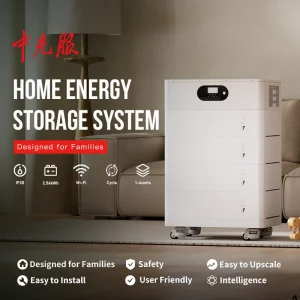
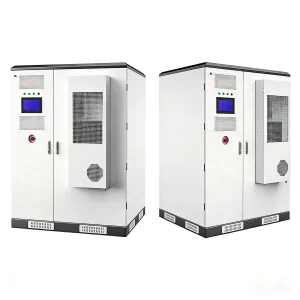
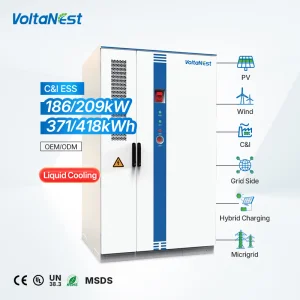
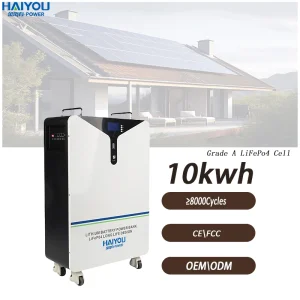
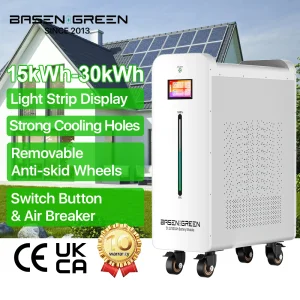
Yes, through advanced Virtual Power Plant (VPP) API platforms, both residential systems (like 10kWh home wall units) and large scale commercial units (like 261kWh cabinets) can be linked. They are managed using protocols like OpenADR or IEEE 2030.5 to dynamically respond to load-shedding requests from grid operators.
China hosts over 70% of the world's battery manufacturing capacity, creating a localized ecosystem of raw lithium processors, BMS microchip developers, and enclosure manufacturers. This density allows companies like Hangzhou CCSC Energy Co., Ltd. to easily customize structural casings, design high-voltage topologies, and quickly integrate local components without the long delays and high freight costs common in other countries.
 CCSC Energy