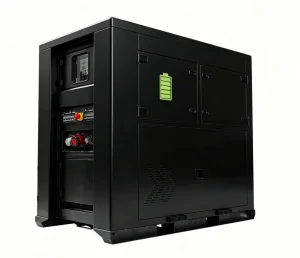
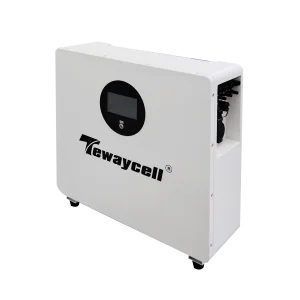
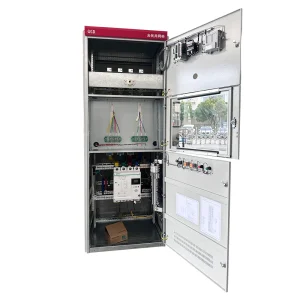
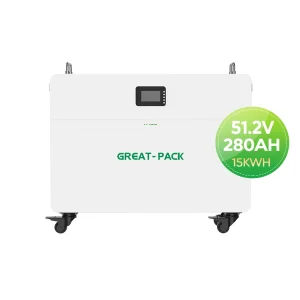
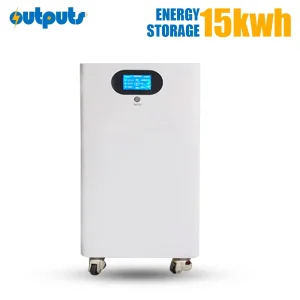
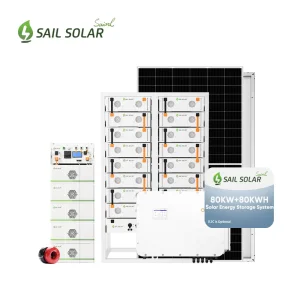
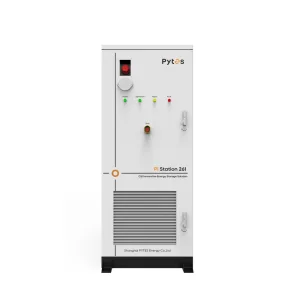
The global transition toward electrified mobility is placing unprecedented stress on traditional grid infrastructures. The synchronization of high-power Direct Current Fast Charging (DCFC) hubs and municipal transport depots requires localized, resilient, and responsive energy architecture. As a Tier-1 OEM/ODM EV Charging Solutions Manufacturer and Supplier, Hangzhou CCSC Energy Co., Ltd. addresses this transition through advanced system engineering. We integrate Lithium Iron Phosphate (LiFePO4) Battery Energy Storage Systems (BESS) directly with EV infrastructure.
By deploying localized energy storage buffers, C&I facility managers can mitigate high demand charges, avoid costly utility upgrade delays, and dynamically manage power flows. Our systems stabilize localized distribution networks while enabling clean, PV-coupled generation to power high-draw EV fleets directly.
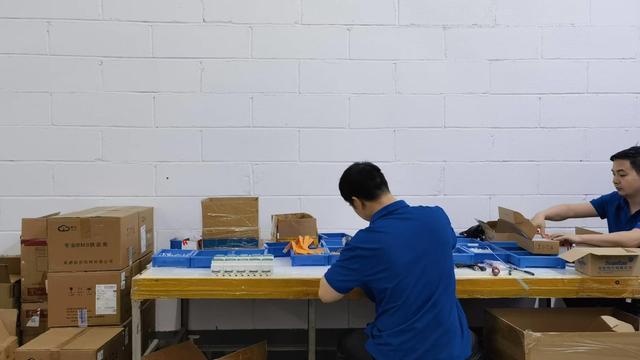
Intelligent control loops balance local generation, historical load curves, and active EV charging cycles. Real-time sub-millisecond dispatch prevents facility load limit breaches.
Proprietary Battery Management Systems (BMS) monitor cell voltages, state-of-charge (SoC), and thermal differentials across multi-megawatt configurations, preventing thermal runaway.
Native support for OCPP 2.0.1, Modbus TCP/IP, and CAN bus protocols guarantees reliable connectivity between CCSC hardware and third-party charger management systems.
Commercial logistics companies and parcel delivery hubs require rapid fleet turnover. However, simultaneous charging of 20 to 50 delivery vans via 120kW DC fast chargers exceeds the capacity of standard grid connections.
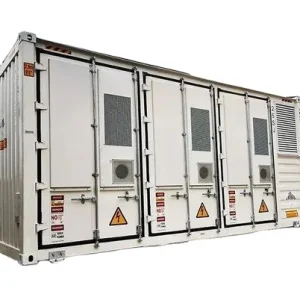
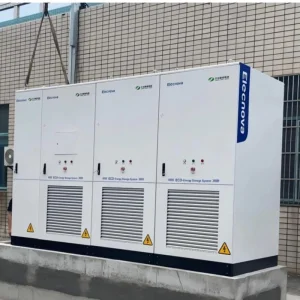
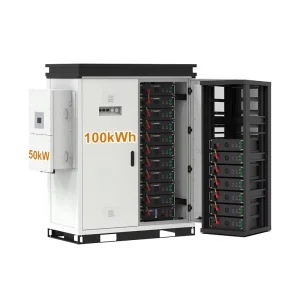
By integrating a containerized 1MWh to 2MWh battery energy storage system (BESS), the depot charges the buffer system at night during off-peak hours when tariffs are low. During high-intensity daytime schedules, the buffer supplies up to 500kW of supplemental power. This configuration reduces peak demands on the grid, protects local infrastructure, and saves thousands of dollars in monthly utility demand charges.
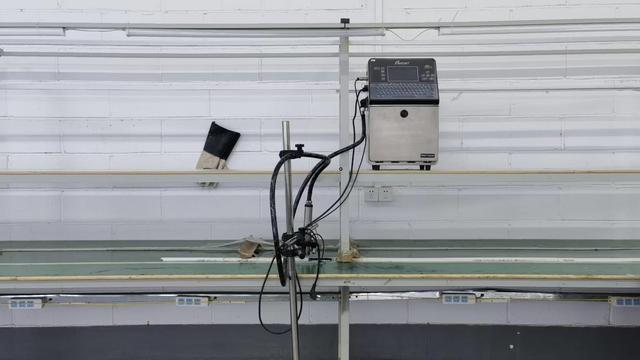
In remote, off-grid locations, highway rest areas, and mining sites, stable utility power is often unavailable. Expanding transmission lines to these locations can be cost-prohibitive.
CCSC Energy's solutions create a self-sustaining microgrid by pairing high-capacity LiFePO4 batteries with localized solar arrays. The integrated system utilizes an intelligent Power Conversion System (PCS) that shifts between on-grid and off-grid modes in under 3 milliseconds. This provides reliable EV charging and localized power backup for critical equipment, independent of central utility status.
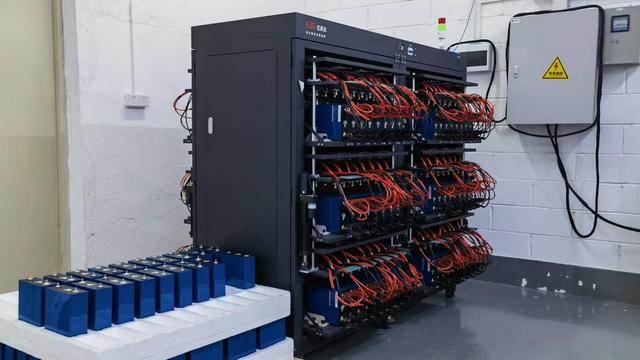
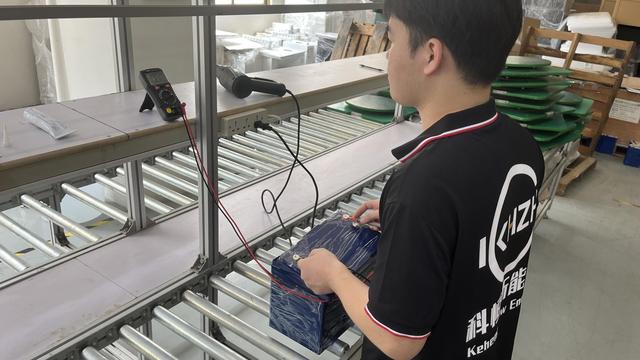
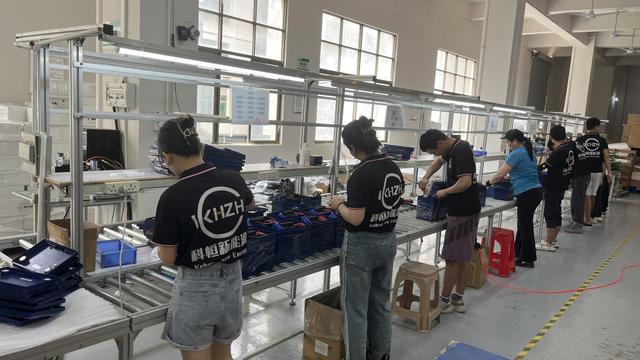
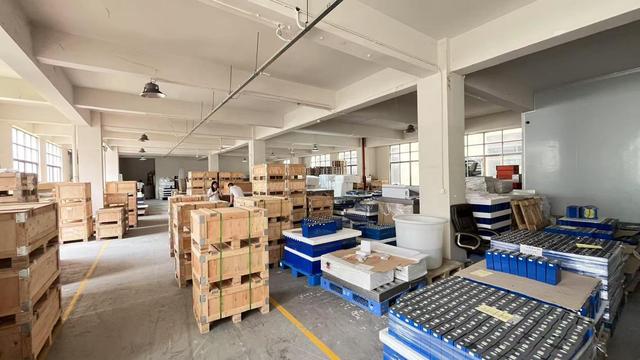
Located in the industrial innovation hub of Hangzhou, China, CCSC Energy leverages a mature, vertically integrated domestic supply chain to source components with high structural efficiency and precision.
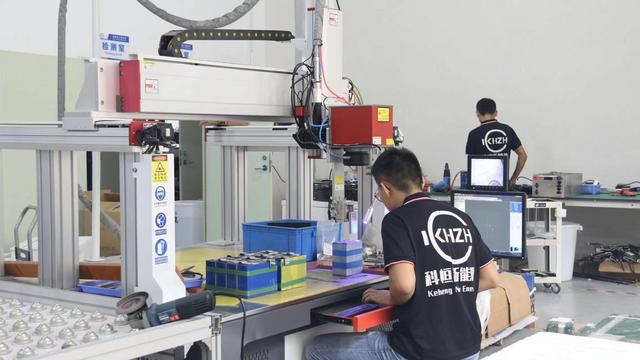
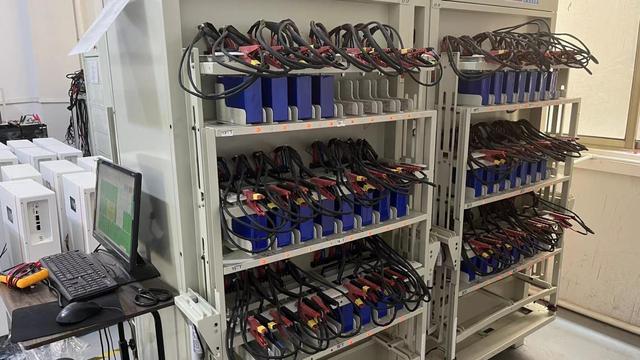
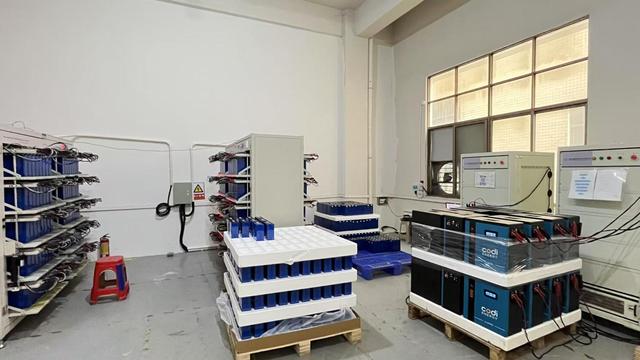
Our strategic partnerships with leading cell manufacturers ensure priority access to automotive-grade, high-capacity cells. By managing every stage of production—from cell sorting and module assembly to structural configuration and final system testing—we ensure consistent quality control and competitive pricing.
This end-to-end integration reduces lead times for bespoke projects and provides reliable access to vital subcomponents, including advanced thermal management parts, fire suppression enclosures, and custom BMS boards.
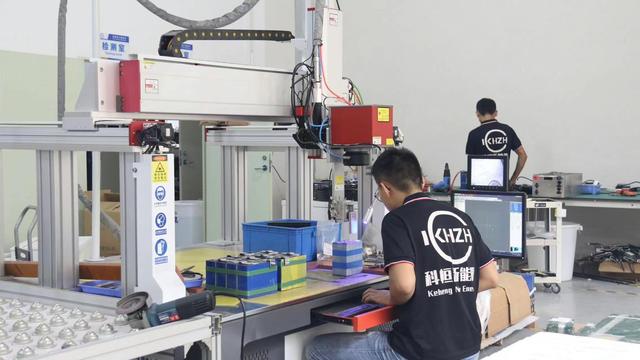
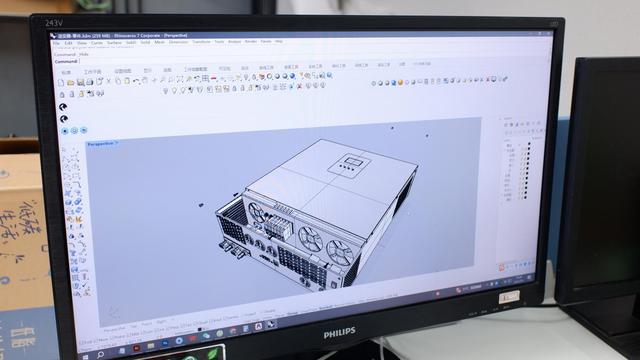
Our engineering team continuously updates our architectures to align with emerging trends, including Vehicle-to-Grid (V2G) integration and ultra-fast charging developments.
Transitioning storage systems to higher voltages to reduce current demands, limit heat generation, and improve round-trip conversion efficiency by up to 1.5% at the system level.
Developing customized systems that enable parked fleet vehicles to function as distributed energy storage assets, returning power to the facility or the grid during periods of peak demand.
Evaluating next-generation solid-state chemistry layouts to improve energy density, reduce thermal management requirements, and extend cycle life for industrial installations.
Our systems are designed, tested, and certified to meet the safety and connection standards required for integration into international utility networks.
A: BESS systems help manage peak loads by storing energy when rates are low and discharging it during high-draw charging periods. This protects localized transformers and reduces utility demand charges.
A: The integrated Power Conversion System (PCS) detects grid failures and switches to off-grid mode in under 3 milliseconds, maintaining uninterrupted operation for connected chargers and critical infrastructure.
A: We offer comprehensive customization options, including flexible battery capacities, containerized enclosure dimensions, customized BMS protocols, integrated fire protection systems, and co-branded software interfaces.
A: We provide both smart air-cooling and liquid-cooling solutions. Liquid-cooling systems maintain temperature differentials within ±2°C across cell matrices, extending operational life by up to 20% in high-temperature climates.
A: Our enclosures feature multi-tiered protection, including Aerosol fire suppression, clean-agent gas flooding, automatic isolation contactors, and real-time gas monitoring sensors.
A: Our high-voltage stacked systems match the DC operating voltage range of Solis and other hybrid inverters, optimizing conversion steps and reducing energy losses.
 CCSC Energy