CCSC Energy
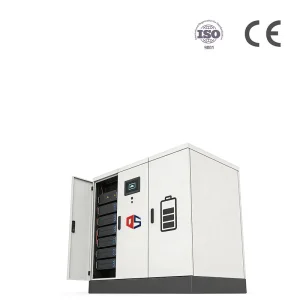

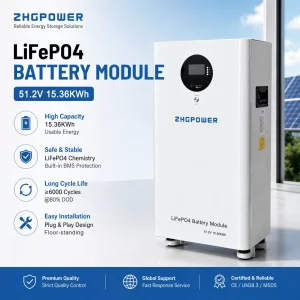
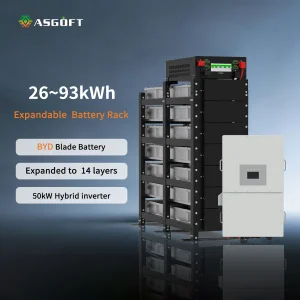
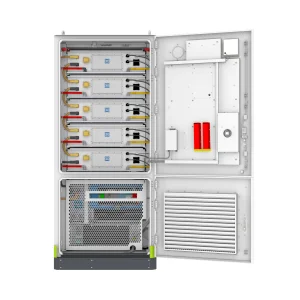
1. The Macro-Industrial Shift Toward Decentralized Energy Resilience
Navigating volatile utility rates, grid instability, and carbon neutrality pathways through custom OEM-engineered infrastructure.
In the contemporary global landscape, the centralization of power networks poses a severe vulnerability to commercial and industrial operations. Climate change-induced weather volatility, combined with rapidly aging grid infrastructure, has transformed power outages from minor inconveniences into multimillion-dollar balance sheet liabilities. Consequently, multinational corporations, industrial conglomerates, and utility operators are seeking custom OEM Energy Resilience Solutions to isolate themselves from transmission-level disruptions and establish permanent, localized, clean energy self-sufficiency.
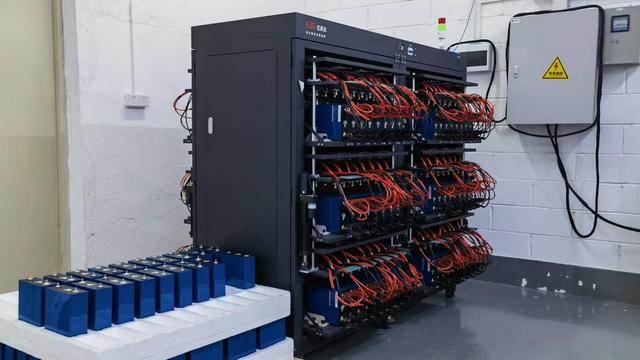
Energy resilience is not merely about surviving a power blackout; it represents a systematic methodology to optimize operating expenses (OpEx). Through the strategic implementation of behind-the-meter Battery Energy Storage Systems (BESS), industrial enterprises can actively mitigate expensive peak-demand charges, participate in dynamic demand response initiatives, and integrate variable onsite photovoltaic assets seamlessly. As a premier original equipment manufacturer (OEM), Hangzhou CCSC Energy Co., Ltd. stands at the forefront of this technological pivot, providing tailored turnkey infrastructure that converts power liabilities into highly predictable, dispatchable physical assets.
"For modern production facilities, sub-second voltage sags or short-duration micro-interruptions can cause catastrophic tooling recalibrations and extensive product spoilage. Real resilience requires active voltage control, dynamic peak shaving, and sub-cycle transit speeds."
Aligning Technology with User Intent & Search Quality Standards
In accordance with Google’s Search Quality Rater Guidelines, particularly the evaluation of E-E-A-T (Experience, Expertise, Authoritativeness, and Trustworthiness), this analysis addresses the core informational needs of procurement directors, senior electrical engineers, and commercial project developers. Rather than deploying generic market slogans, this paper provides real-world engineering comparisons, thermal management evaluation tables, and regional regulatory compliance specifications to establish authentic information gain.