Explore our certified OEM/ODM climate control integrated energy cabinets, battery management platforms, and smart grid sub-systems.
Architectural engineering insights into thermal management, thermal runaway mitigation, and energy storage HVAC optimization.
In modern industrial energy infrastructure, energy management, and battery energy storage system (BESS) deployments, thermal stability is the critical parameter governing operational longevity, volumetric energy density, and absolute safety. Global decarbonization targets have driven unprecedented expansion in renewable microgrids, utility-scale solar integration, and commercial peak-shaving units. Consequently, demand for specialized China wholesale climate control systems manufacturers and factories has shifted from basic environmental ventilation toward high-precision, closed-loop thermal liquid cooling and intelligent microclimate management systems.
Technical Consensus: Cell temperature deviations exceeding ±2.5°C across a high-voltage battery rack accelerate capacity degradation by up to 38% annually. Industrial-grade microclimate regulation systems prevent localized thermal runaway while sustaining optimal C-rate operational profiles.
Climate control systems designed for advanced BESS, commercial facilities, cleanrooms, and data center applications require structural integrity, advanced refrigerant engineering, multi-zone variable refrigerant flow (VRF), and real-time cloud analytics. Chinese manufacturing networks lead this transformation through integrated manufacturing ecosystems, automated thermal sensor alignment, robotic laser welding for fluid distribution channels, and advanced power electronics integration. This technical paper details the structural, operational, and global procurement paradigms engineered by Hangzhou CCSC Energy Co., Ltd., establishing technical standards for global B2B buyers, EPC contractors, and system integrators.
Engineering excellence in battery energy storage systems, custom OEM/ODM climate controls, and microgrid deployments.
Hangzhou CCSC Energy Co., Ltd. is a professional Energy Storage System Manufacturer specializing in battery energy storage, renewable power integration, climate control thermal management, and smart energy solutions for residential, commercial, industrial, and utility-scale applications. Based in Hangzhou, China, the company focuses on developing advanced energy storage technologies that help customers improve energy efficiency, enhance power reliability, and support the transition toward sustainable energy systems.
With deep expertise in energy storage engineering and system integration, CCSC Energy provides comprehensive solutions covering battery energy storage systems (BESS), renewable energy storage integration, commercial and industrial energy storage, backup power systems, microgrid applications, distributed energy infrastructure, and intelligent energy management platforms. Its solutions are designed to support a wide range of applications, including solar energy utilization, peak demand management, grid stabilization, emergency power supply, and energy cost optimization.
The company is committed to delivering safe, efficient, and scalable energy storage solutions tailored to the needs of modern energy users. Its engineering team works closely with customers, project developers, EPC contractors, and energy service providers to design systems that align with specific operational requirements, performance objectives, and regulatory standards. From project planning and system design to manufacturing and technical support, CCSC Energy offers comprehensive services throughout the project lifecycle.
Equipped with advanced manufacturing facilities and stringent quality management processes, the company emphasizes product reliability, operational safety, and long-term performance. Continuous investment in research and development enables CCSC Energy to integrate intelligent monitoring technologies, advanced battery management systems (BMS), liquid dynamic cold plates, and smart energy control platforms into its turnkey offerings.
Serving customers across Asia, Europe, North America, South America, the Middle East, and other global markets, Hangzhou CCSC Energy Co., Ltd. is dedicated to providing innovative energy storage solutions that support renewable energy adoption, strengthen power resilience, and contribute to a more efficient and sustainable energy future.
Scalable climate control and thermal regulation systems deployed across critical operational environments.
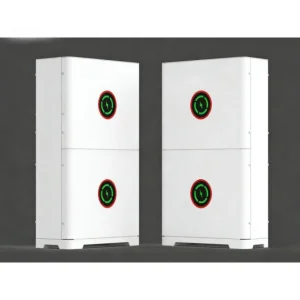
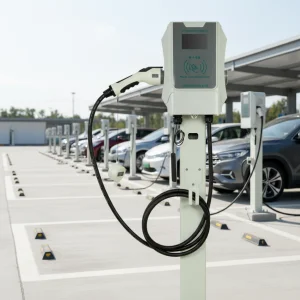
Integrated liquid-to-air thermal exchange cabinets engineered for peak shaving, demand charge management, and factory microgrids. Built-in variable-speed inverter compressors match cooling output dynamically to thermal loads during high-rate discharge cycles.
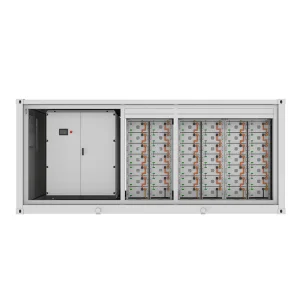
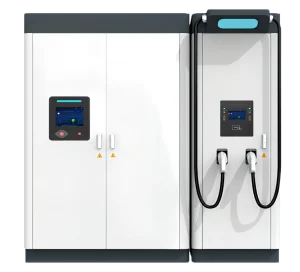
Heavy-duty, containerized HVAC and glycol liquid cooling units designed for multi-megawatt solar-plus-storage stations. Features N+1 redundant cooling loops, IP65 environmental isolation, and ambient operating limits ranging from -30°C to +55°C.
Corrosion-proof, high-altitude units with hydrophobic condensation barriers for desert, offshore, and high-altitude deployments. Optimized expansion valves compensate for low atmospheric pressure, preserving thermal rejection efficiency.
Why China's wholesale thermal management and climate control ecosystem provides structural cost and speed advantages.
The concentration of raw material refinement, automated component fabrication, and thermal dynamics expertise within China’s Yangtze River Delta manufacturing cluster creates an unmatched operational advantage. Hangzhou CCSC Energy Co., Ltd. leverages this localized supply web, short-circuiting supply chain latency while maintaining stringent quality assurance frameworks.
| Manufacturing Domain | Traditional Supply Chain | Hangzhou CCSC Industry 4.0 Standard | Strategic Buyer Advantage |
|---|---|---|---|
| Cold Plate Hydro-forming | Outsourced 3rd-party tooling (6-8 weeks) | In-house automated laser-welding & hydro-testing | 70% faster prototyping & custom routing |
| Refrigerant Loop Assembly | Manual pipe brazing & visual leak test | Robotic atmospheric helium mass spectrometer leak detection | Zero-leakage guarantee under high-pressure cycle |
| BMS & HVAC Control Integration | Discrete, siloed protocol converters | Native RS485 / CANbus / Ethernet Modbus firmware integration | Plug-and-play installation for global integrators |
| Quality & Compliance Testing | Batch sample testing (1 in 50 units) | 100% full-load thermal burn-in under stress chamber | Uncompromising field reliability and extended warranty |
By automating tube bending, heat exchanger core assembly, and electronic expansion valve (EEV) calibration, manufacturing precision reaches automotive-grade levels. This automated throughput lowers unit assembly costs while protecting systems against fluid line corrosion and thermal control drift over their 15 to 20-year design life.
Architectural comparison of air cooling vs. immersion/liquid cold plate architectures for high-power density applications.
As battery energy density advances toward 314Ah+ cells and ultrafast EV charging hubs demand power outputs reaching 180kW to 480kW, traditional forced-air climate cooling reaches its thermodynamic limits. CCSC Energy's technological roadmap prioritizes next-generation thermal fluids, direct-to-pack liquid cooling plates, and AI-driven thermal load forecasting.
Air cooling relies on convective heat transfer, requiring large duct channels, high parasitic fan power, and continuous maintenance of dust filters. Liquid cooling uses water-glycol mixtures circulated directly through aluminum cold plates installed beneath or between cell matrices. This contact delivers up to 25 times higher heat transfer coefficients, maintaining strict intra-cell temperature uniformity under 2C continuous discharge loads.
Modern microclimate systems no longer react passively to rising thermal sensors. CCSC Energy integrates predictive AI control modules that analyze ambient weather feeds, real-time power dispatch commands, and historical duty cycles. The system pre-cools thermal fluids prior to sudden peak discharge events, eliminating peak operating temperatures and conserving auxiliary power consumption.
In response to European F-gas directives and global climate targets, CCSC Energy is transitioning climate control refrigeration systems toward low Global Warming Potential (GWP) hydrofluoroolefins (HFOs) and natural refrigeration cycles such as R290 (Propane) and R1234yf, maintaining operational efficiency without regulatory liabilities.
A systematic engineering workflow designed for international buyers, EPC contractors, and private label distributors.
Global procurement teams submit CFD (Computational Fluid Dynamics) requirements, operating ambient profile ranges, continuous/peak C-rates, and structural footprint limitations. Our engineering team models fluid pressure drops and thermal distribution curves.
Within 15-20 days, functional prototype units undergo severe environmental chamber stress testing (vibration resistance, ingress protection verification, thermal shock cycling from -40°C to +85°C, and pressure decay testing).
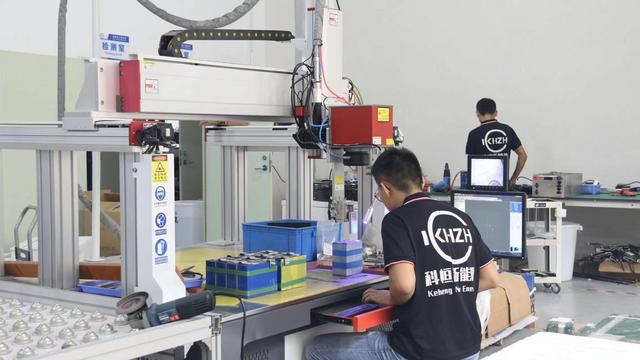
Upon design sign-off, production ramps via automated assembly lines. Every unit receives a digital barcode tracking component traceability, refrigerant charge precision, firmware versioning, and end-of-line test certificates.
Ensuring full regulatory compliance across European, North American, Asian, and Latin American energy markets.
Deploying energy systems globally requires compliance with regional safety certifications, grid connection norms, and environmental laws. Systems engineered by Hangzhou CCSC Energy Co., Ltd. are certified under stringent international testing protocols, minimizing friction during site commissioning and authority inspections.
Detailed insights for global procurement managers, system engineers, and project developers.
Liquid cooling offers significantly higher heat capacity than air, maintaining uniform cell temperatures (within ±2°C) even during 1C+ charging/discharging. This minimizes parasitic energy usage by up to 30% and dramatically extends overall system life.
Yes. Our climate control solutions feature wide operating ranges (-30°C to +55°C). We deploy integrated low-temperature PTC heaters for arctic startup and dual-circuit condenser fan systems for high-ambient desert environments.
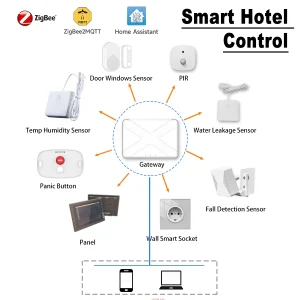
Units natively support RS485, CANbus, Modbus TCP/IP, and optional wireless modules like ZigBee / IoT gateways. This allows real-time telemetry streaming directly to your local BMS or cloud SCADA dashboard.
Standard model orders ship within 14 to 21 business days. Custom OEM/ODM engineering projects with bespoke enclosure footprints or specialized fluid manifolds typically complete prototyping in 3 weeks, followed by full volume batch execution.
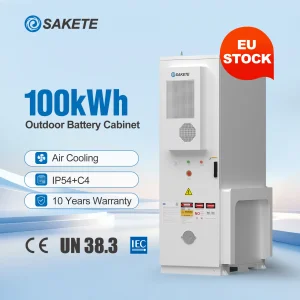
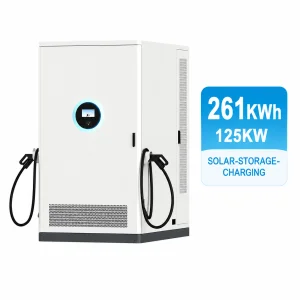
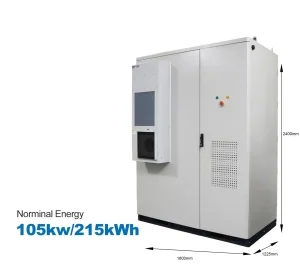
Complete product offerings ranging from containerized utility BESS to high-density storage modules.
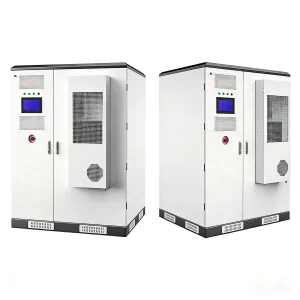
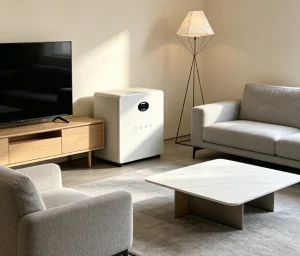
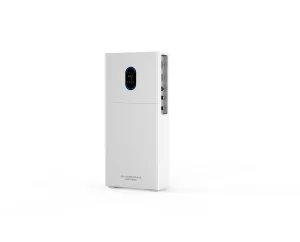
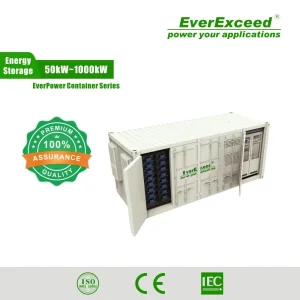
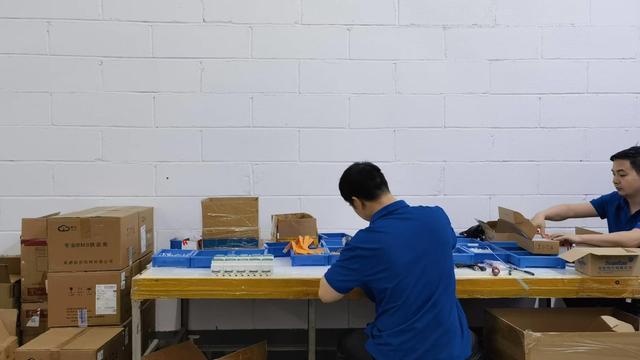
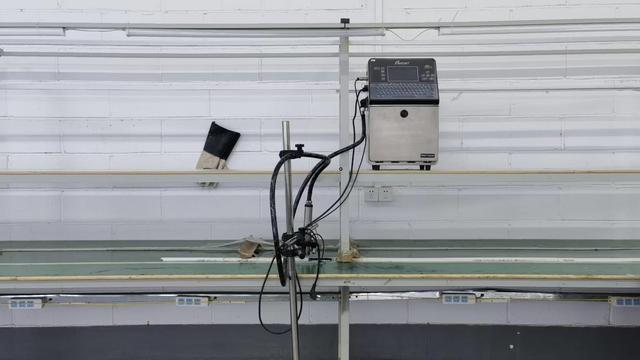
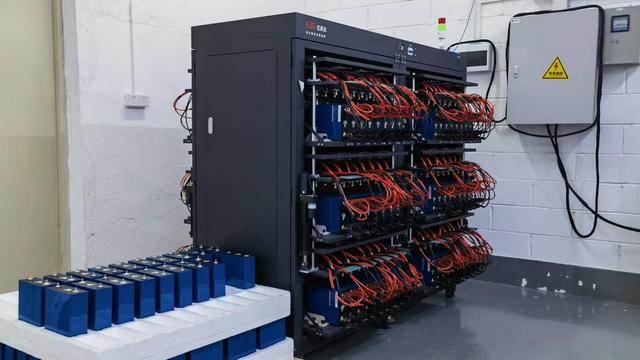
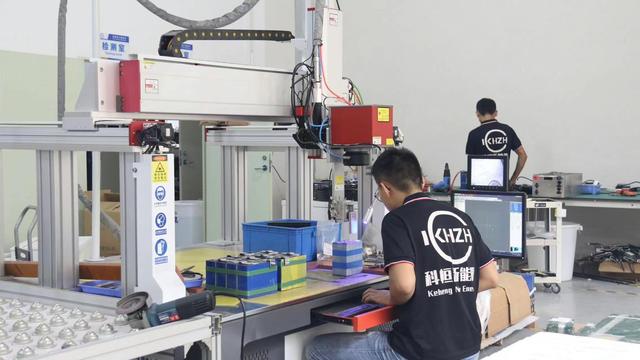
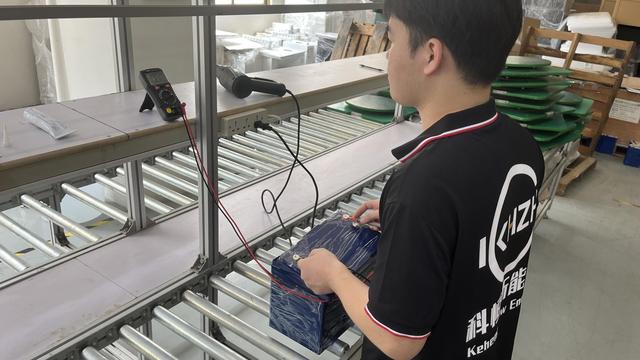
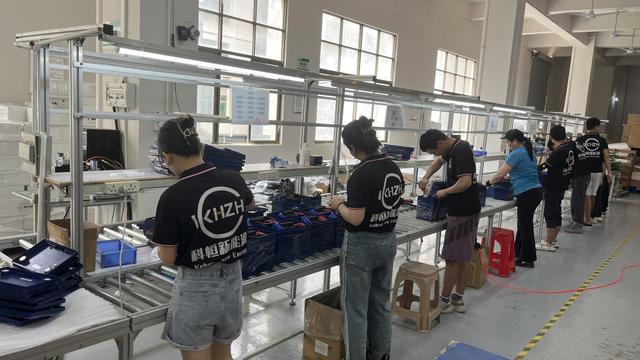
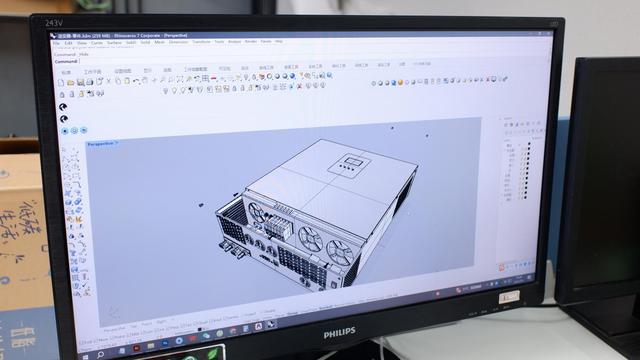
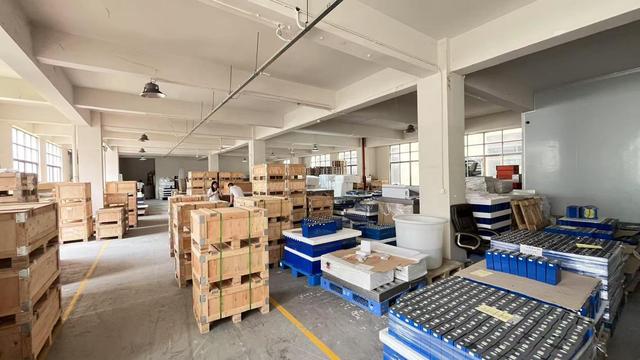
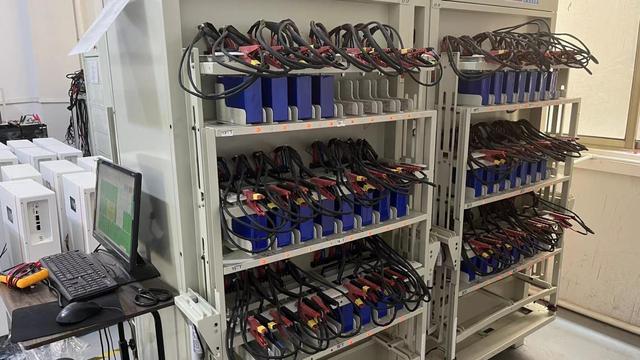
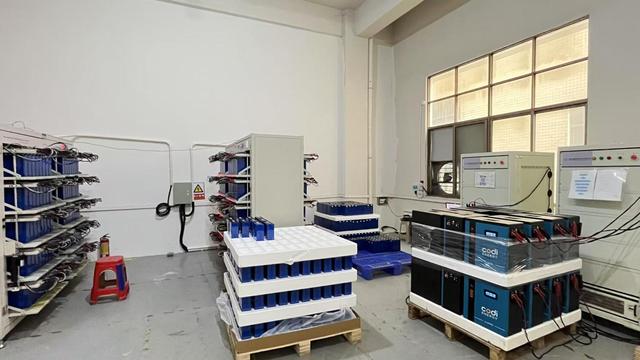
Inside our automated assembly lines, high-precision climate testing chambers, and quality inspection units.
 CCSC Energy