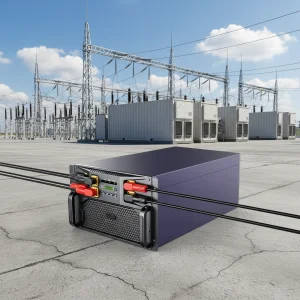
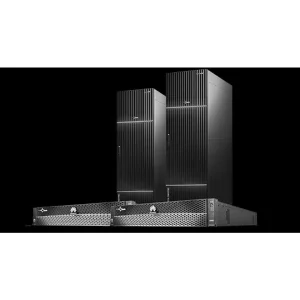
Engineered to deliver high power density, thermal safety, and intelligent grid integration for diverse industrial paradigms.
The global energy paradigm is undergoing an unprecedented structural transition. Modern industrial operations are confronted with a dual challenge: the mitigation of escalating demand charges under highly volatile dynamic tariffing structures, and the fulfillment of stringent Scope 1 and Scope 2 carbon footprint reductions. Intermittent renewable generation assets, such as photovoltaic systems and wind turbines, offer localized generation efficiency but threaten grid stability.
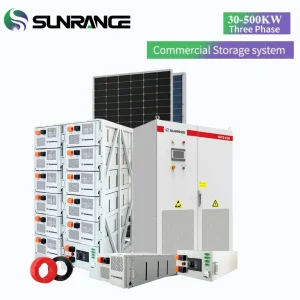
This has elevated Battery Energy Storage Systems (BESS) from simple backup power systems to central components of intelligent microgrids. In high-tariff markets across Europe and North America, peak shaving and load leveling are critical. For instance, a commercial facility utilizing dynamic tariffs can cycle its BESS during low-cost overnight hours (arbitrage) and discharge during peak demand windows to avoid high charges.
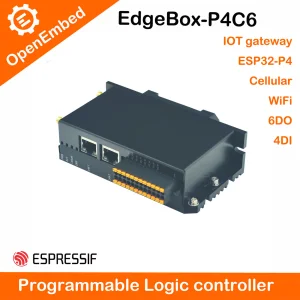
Furthermore, in critical infrastructure applications such as telecommunications and hyperscale data centers, energy storage systems function as the primary defense against power fluctuations, voltage sags, and grid failures. Integration with advanced Programmable Logic Controllers (PLCs) and Supervisory Control and Data Acquisition (SCADA) systems enables real-time millisecond-level automated dispatching. This mitigates operational downtime risks and protects sensitive hardware from voltage anomalies.
Hangzhou CCSC Energy Co., Ltd. is a professional Energy Storage System Manufacturer specializing in battery energy storage, renewable power integration, and smart energy solutions for residential, commercial, industrial, and utility-scale applications. Based in Hangzhou, China, the company focuses on developing advanced energy storage technologies that help customers improve energy efficiency, enhance power reliability, and support the transition toward sustainable energy systems.
With expertise in energy storage engineering and system integration, CCSC Energy provides comprehensive solutions covering battery energy storage systems (BESS), renewable energy storage integration, commercial and industrial energy storage, backup power systems, microgrid applications, distributed energy infrastructure, and intelligent energy management platforms. Its solutions are designed to support a wide range of applications, including solar energy utilization, peak demand management, grid stabilization, emergency power supply, and energy cost optimization.
The company is committed to delivering safe, efficient, and scalable energy storage solutions tailored to the needs of modern energy users. Its engineering team works closely with customers, project developers, EPC contractors, and energy service providers to design systems that align with specific operational requirements, performance objectives, and regulatory standards. From project planning and system design to manufacturing and technical support, CCSC Energy offers comprehensive services throughout the project lifecycle.
Equipped with advanced manufacturing facilities and stringent quality management processes, the company emphasizes product reliability, operational safety, and long-term performance. Continuous investment in research and development enables CCSC Energy to integrate intelligent monitoring technologies, advanced battery management systems, and smart energy control platforms into its solutions. Serving customers across Asia, Europe, North America, South America, the Middle East, and other global markets, Hangzhou CCSC Energy Co., Ltd. is dedicated to providing innovative energy storage solutions that support renewable energy adoption, strengthen power resilience, and contribute to a more efficient and sustainable energy future.
China's leadership in the global battery value chain is built on decades of investment in raw material refinement, cell manufacturing automation, and comprehensive systems engineering. For utility-scale buyers, sourcing energy management hardware from premium Chinese suppliers translates to benefits beyond raw cost reduction:
Co-developing the BMS, PCS, liquid-cooling loops, and safety systems in a single ecosystem minimizes integration compatibility risks.
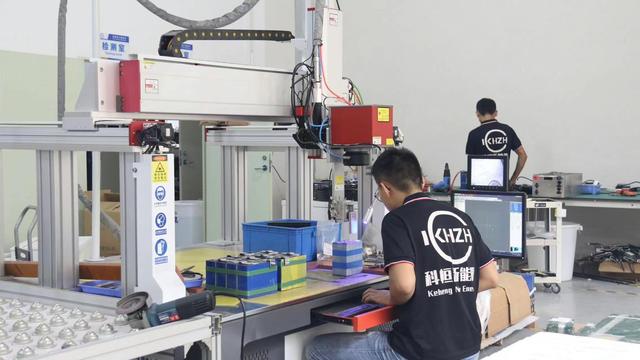
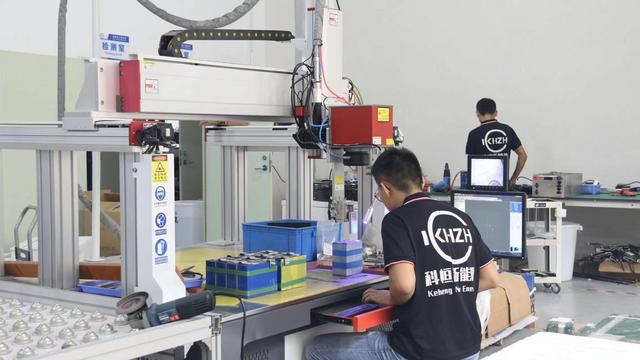
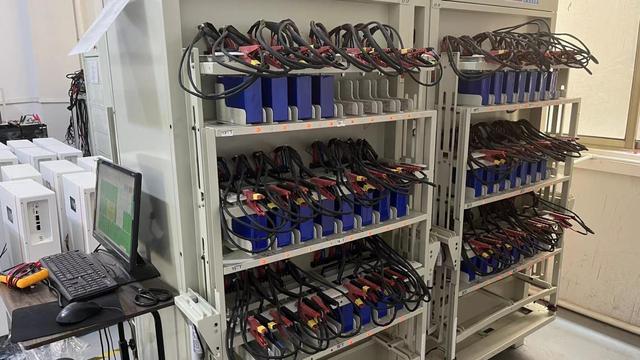
Automated cell sorting, high-speed modular laser welding, and high-power thermal aging chambers ensure rapid lead times even for multi-megawatt configurations.
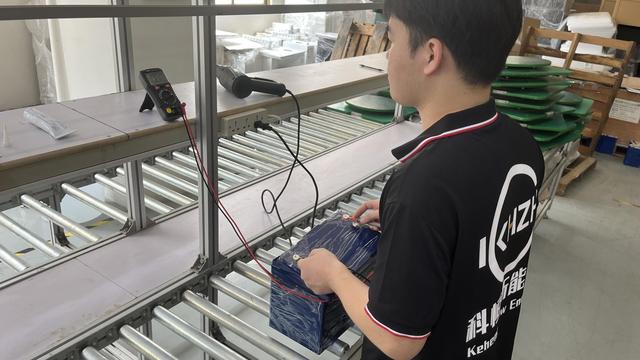
Modern factories utilize AI-driven optical inspection and rigorous automated charge-discharge cycles to meet UL, CE, and IEC standards.
Hangzhou CCSC Energy leverage these regional advantages, pairing native supply chain access with international engineering standards. This combination ensures that the delivered containerized solutions—ranging from 1MWh to 20MWh platforms—benefit from Tier-1 battery technology, advanced structural designs, and cost-effective system integration.
By raising system voltage, facilities reduce auxiliary power requirements, thin down standard DC cabling runs, and achieve higher energy density within the same spatial footprint. This yields up to a 1.5% increase in total round-trip efficiency (RTE) and lowers overall balance of system (BOS) capital costs.
Modern commercial energy storage solutions rely on active liquid cooling systems to maintain cell-to-cell temperature variations under 3°C. Keeping operational temperatures uniform extends cell cycle life, increases reliability, and reduces the likelihood of localized thermal runaway events.
Deploying edge microcontrollers equipped with local AI modeling (such as ESP32-P4 automated control nodes) enables real-time interaction with regional electricity networks. Distributed energy resources are consolidated to participate in grid frequency response, capacity markets, and localized energy trading.
Tailoring BESS architectures to meet site-specific thermal, mechanical, and electrical grid requirements.
Data centers operate under continuous high baseload profiles and zero-tolerance power interruption parameters. Containerized BESS solutions interface directly with UPS units to manage peak demand charges and serve as a reliable source of bridge power during utility transitions.
Recommended: 1MWh - 5MWh Containerized BESSOff-grid mining operations require reliable power generation to protect equipment and ensure worker safety. Integrating high-capacity solar systems with hybrid storage reduces reliance on diesel fuel, provides load step support for heavy machinery, and stabilizes local grids.
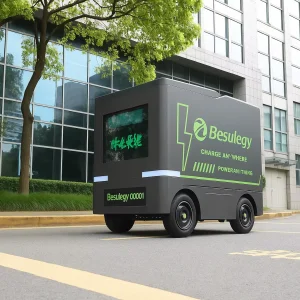
Recommended: Hybrid Storage & 150kW PCS UnitsThe growth of electric public transit and commercial delivery fleets requires high-power DC charging. Installing buffer batteries at charging depots prevents peak demand charges and limits localized voltage drop issues on the municipal grid.
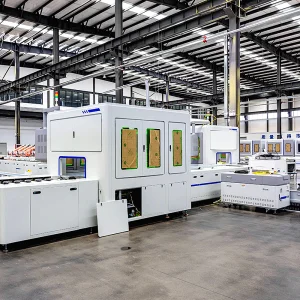
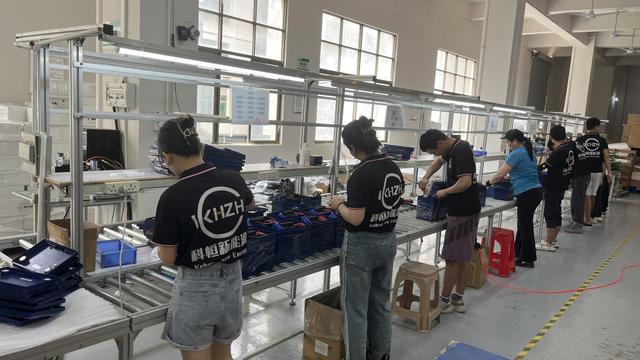
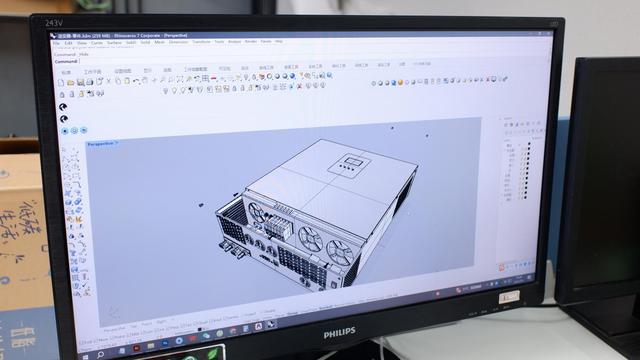
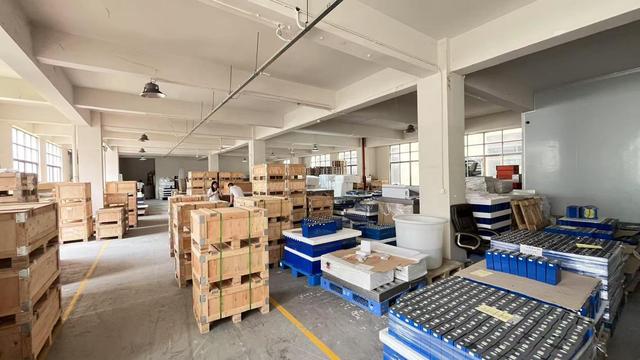
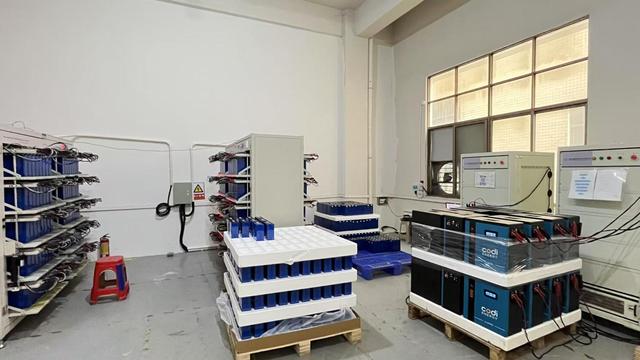
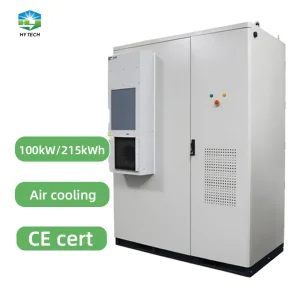
Recommended: 215kWh Cabinet + Smart DC Charger RobotA look inside our state-of-the-art production floors, quality assurance chambers, and automated assembly operations in Hangzhou, China.
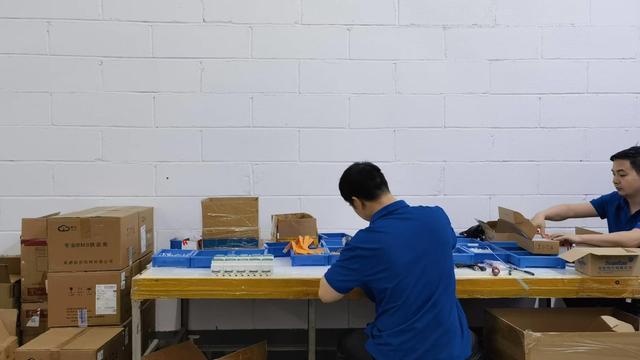
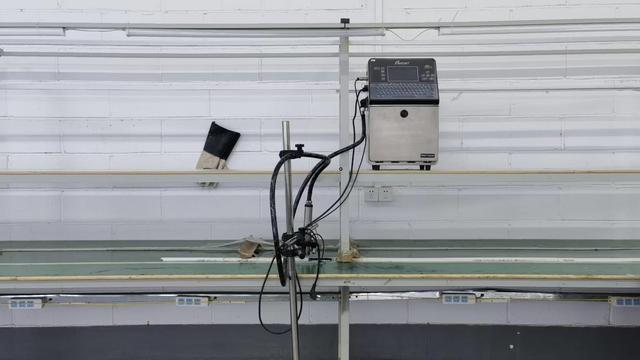
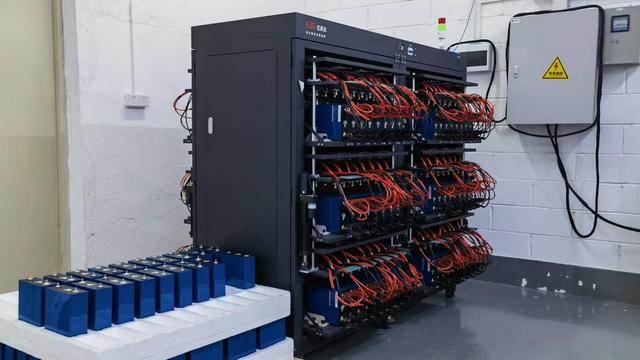
Deploying megawatt-level energy storage systems globally requires compliance with regional safety, performance, and environmental standards. Systems must meet local fire safety and grid connection codes before commissioning.
| Standard / Certification | Target Jurisdiction | Description & Safety Compliance Impact |
|---|---|---|
| UL 9540 / UL 9540A | North America | Evaluates thermal runaway fire propagation behavior in battery energy storage systems, ensuring appropriate cabinet spacing and ventilation design. |
| IEC 62619 / CE | Europe / International | Validates the safety of secondary lithium cells and battery packs in industrial settings, including drop tests and high-impact conditions. |
| UN 38.3 | Global Transport | Certifies that the cells and battery packs can be safely transported via maritime, air, or terrestrial logistics networks. |
| IEEE 1547 / G99 | US / UK Grid Codes | Specifies electrical grid connection safety, anti-islanding parameters, and high/low voltage ride-through limits. |
Hangzhou CCSC Energy Co., Ltd. addresses safety requirements through structural engineering. The systems feature integrated multi-tier fire suppression layouts (using Novec 1230 or Aerosol compounds), early gas detection (such as carbon monoxide and hydrogen sensors), and automatic breaker isolation. This design prevents thermal runaway from propagating beyond the initial affected block.
Technical answers to support project developers, system integrators, and EPC contractors during planning and execution.
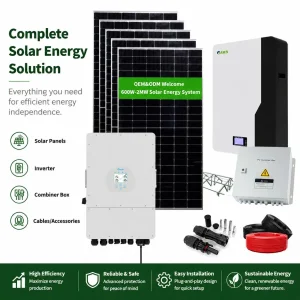
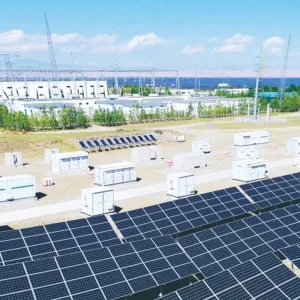
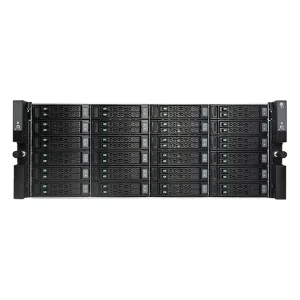
High-voltage battery racks, turnkey assembly lines, and specialized IT storage systems to complete your infrastructure project.
 CCSC Energy