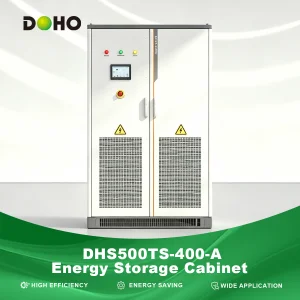
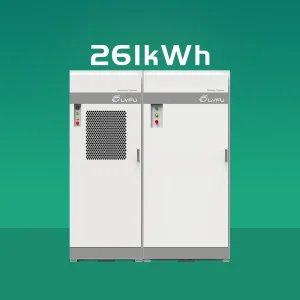
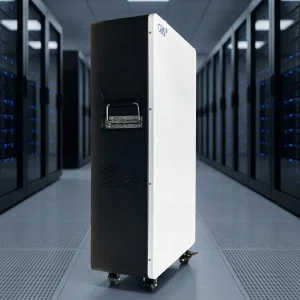
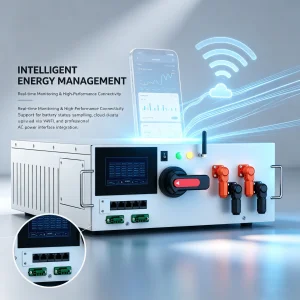
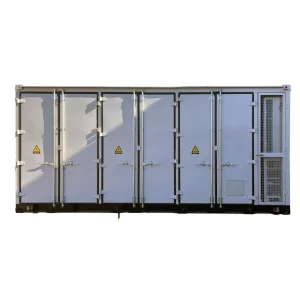
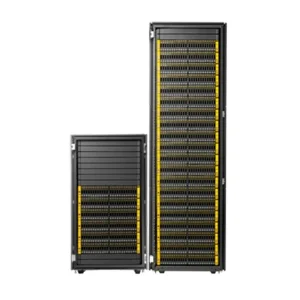
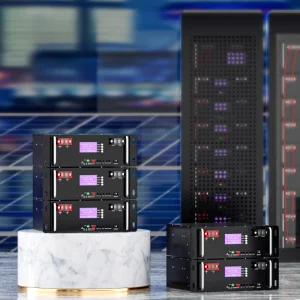
Explore our premium range of factory-assembled BESS kits, high-voltage battery modules, and intelligent thermal management cabinets designed for robust utility and commercial applications.
The global transition toward sustainable power sources has shifted from a regulatory compliance objective to a core macroeconomic survival strategy. As corporations worldwide work to align with net-zero mandates, the fundamental instability of renewable energy sources—such as wind and solar—remains a significant hurdle. Energy generation profiles rarely align perfectly with grid demand curves. This mismatch leads to grid volatility, high peak-demand charges, and lost revenue due to curtailment.
To address these challenges, modern grid operators, EPC contractors, and industrial developers rely on Battery Energy Storage Systems (BESS) combined with intelligent energy management platforms. These setups do more than store extra power; they actively stabilize the grid, manage load profiles, and optimize energy assets in real time.
In this evolving landscape, Chinese manufacturers have established themselves as key industry partners. By combining battery cell supply chains, sophisticated R&D, and cost-efficient manufacturing, companies like Hangzhou CCSC Energy Co., Ltd. provide scalable, reliable, and compliant energy storage solutions to international markets. These solutions are built to withstand both extreme environmental conditions and demanding operational schedules.
Understanding the strict standards and requirements that procurement teams prioritize when deploying large-scale utility and C&I BESS platforms.
Procurement departments look beyond initial capital expenditure (CAPEX) to focus on Levelized Cost of Storage (LCOS). Minimizing operational expenses (OPEX) requires advanced thermal management, high cycle counts (exceeding 6000–8000 cycles at 80% Depth of Discharge), and reliable local support networks.
Compliance with standards like UL9540A and NFPA 855 is essential. Modern storage cabinets feature multi-tiered safety systems, including aerosol or Novec 1230 fire suppression, cell-level deflagration detection, and automated isolate-and-purge ventilation to prevent thermal runaway propagation.
Deploying storage systems requires compliance with localized utility requirements, including IEEE 1547, G99, and CE directives. Our integrated Power Conversion Systems (PCS) feature grid-forming capabilities and black-start functions to support seamless grid synchronization.
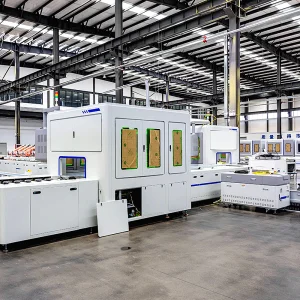
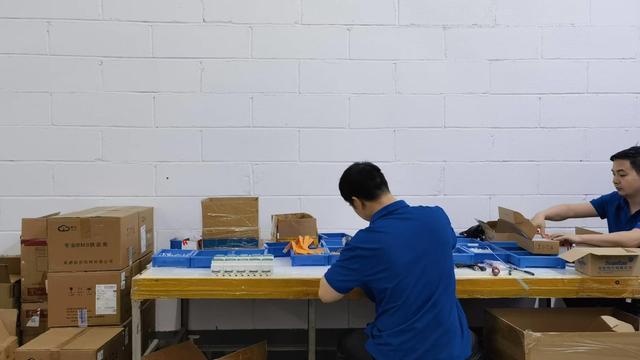
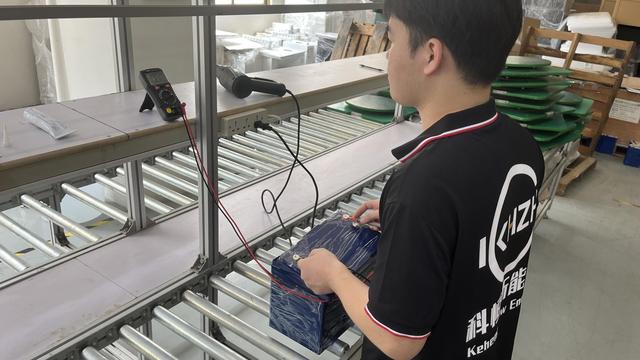
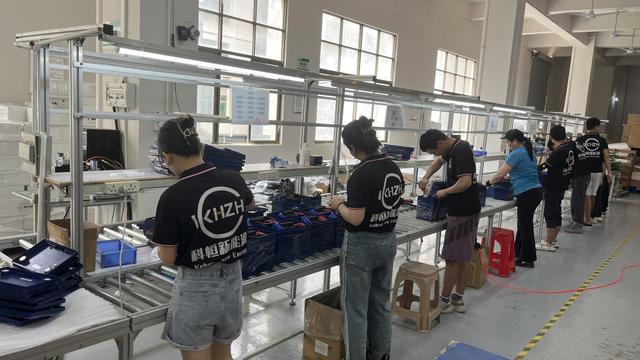
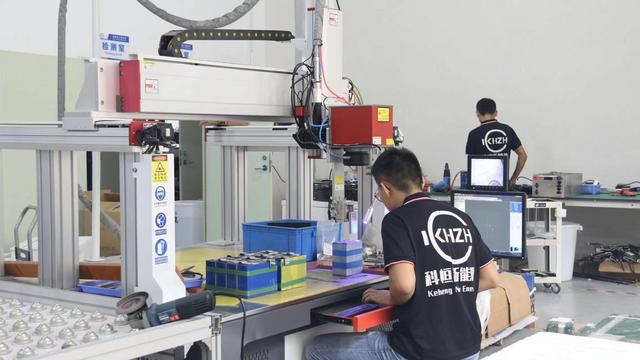
Faced with fluctuating raw material costs, developers prioritize partners that offer deep supply chain integration. Hangzhou CCSC Energy Co., Ltd. delivers fully integrated solutions—from battery pack assembly lines to pre-commissioned high-voltage outdoor cabinets. This comprehensive approach helps minimize deployment risks and shortens project lead times on site.
Thermal management is a critical factor in determining the performance, safety, and lifespan of a lithium-ion battery energy storage system. Operational cell temperatures must be kept within a narrow, stable window to prevent accelerated capacity fade or dangerous thermal runaway events.
Traditional air cooling systems rely on HVAC units to circulate conditioned air through battery racks. While cost-effective for smaller C&I systems and residential batteries, air cooling can result in internal temperature variations of up to 5°C to 8°C within large racks. These variations can cause uneven cell aging and reduce overall pack life.
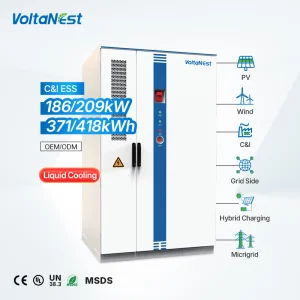
In contrast, liquid cooling systems route a water-glycol mixture directly through cold plates placed in contact with the cells. This method reduces cell-to-cell temperature variations to less than 3°C, ensuring uniform aging across the system. It also lowers parasitic energy usage and allows for a more compact layout, saving up to 40% in physical footprint. This space-saving design is especially valuable for commercial applications, as demonstrated by the Liquid Cooling 186kW/386kWh ESS Cabinet.
Utility-scale and industrial equipment is frequently installed in harsh environments, from coastal zones with high salt spray to deserts with extreme temperature swings. Enclosures must meet strict ingress protection standards (such as IP54 or NEMA 3R) to protect internal electronics from dust, moisture, and corrosion.
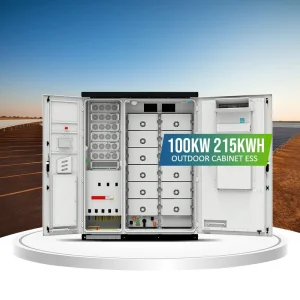
Premium outdoor cabinets are built with double-walled, insulated structural panels, anti-corrosive powder coatings, and intelligent climate control. Integrating multi-sensor systems—including hydrogen gas, carbon monoxide, and smoke detectors—allows the system to detect early signs of cell venting and initiate automated safety measures before issues escalate.
Our long-term development roadmap focuses on advancing energy density, optimizing battery management software, and integrating intelligent control systems.
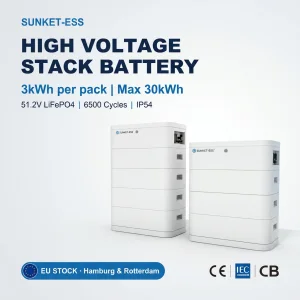
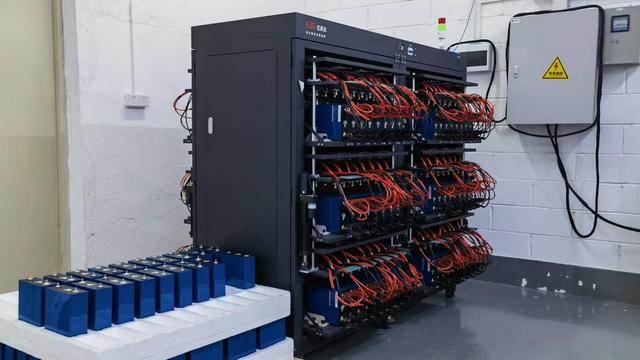
Deploying high-voltage LiFePO4 battery chemistry (51.2V base modules configured up to 1000V/1500V DC operating ranges) to minimize current-related transmission losses. Implementing master-slave BMS control topologies (64S, 128S, 256S, and higher) that balance cells in real time and communicate via Modbus TCP/IP or CAN protocols.
Integrating artificial intelligence into Energy Management Systems (EMS). This enables predictive dispatching, load forecasting based on weather data, dynamic peak-shaving, and automated participation in frequency response markets. The systems coordinate local loads, PV generation, and BESS reserves seamlessly.
Developing alternative chemistries, such as Sodium-ion (Na-ion), for low-temperature applications and projects where upfront cost is the primary factor. Additionally, we are researching solid-state electrolytes to eliminate flammable organic solvents, aiming for exceptionally high safety and longer lifecycle performance.
Industrial and commercial operations run on complex electrical grids. Unplanned power outages or voltage sags can disrupt production lines, leading to expensive downtime and damaged equipment. Integrating a dedicated BESS provides clean backup power, maintains power quality, and reduces energy costs.
Many commercial utilities charge industrial customers based on their peak power demand during billing cycles. By discharging when facility loads peak and recharging during low-demand, lower-tariff periods, a BESS helps businesses lower their utility bills. The system smooths out load spikes, helping companies avoid high demand charges.
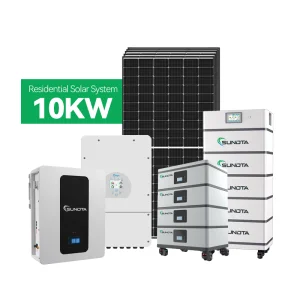
Integrating on-site solar arrays with a battery energy storage system helps facilities maximize their self-consumption of clean energy. Instead of exporting excess solar power to the grid at low feed-in tariffs, businesses can store it to offset expensive evening peak loads. If grid power fails, the BESS automatically transitions to off-grid mode, keeping critical operations running without interruption.
Hangzhou CCSC Energy Co., Ltd. is a professional Energy Storage System Manufacturer specializing in battery energy storage, renewable power integration, and smart energy solutions for residential, commercial, industrial, and utility-scale applications. Based in Hangzhou, China, the company focuses on developing advanced energy storage technologies that help customers improve energy efficiency, enhance power reliability, and support the transition toward sustainable energy systems.
With expertise in energy storage engineering and system integration, CCSC Energy provides comprehensive solutions covering battery energy storage systems (BESS), renewable energy storage integration, commercial and industrial energy storage, backup power systems, microgrid applications, distributed energy infrastructure, and intelligent energy management platforms. Its solutions are designed to support a wide range of applications, including solar energy utilization, peak demand management, grid stabilization, emergency power supply, and energy cost optimization.
The company is committed to delivering safe, efficient, and scalable energy storage solutions tailored to the needs of modern energy users. Its engineering team works closely with customers, project developers, EPC contractors, and energy service providers to design systems that align with specific operational requirements, performance objectives, and regulatory standards. From project planning and system design to manufacturing and technical support, CCSC Energy offers comprehensive services throughout the project lifecycle.
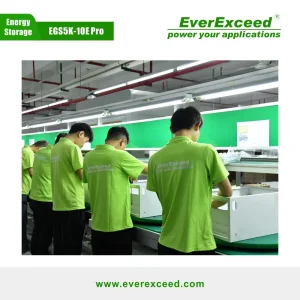
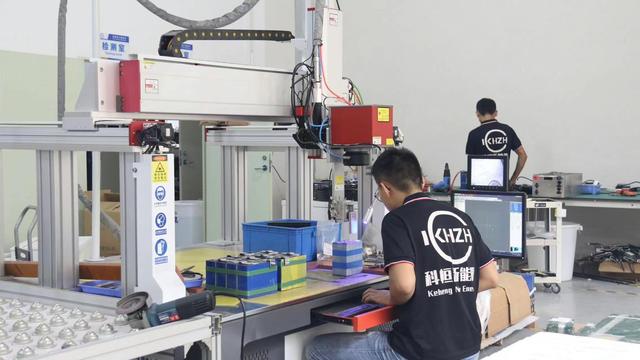
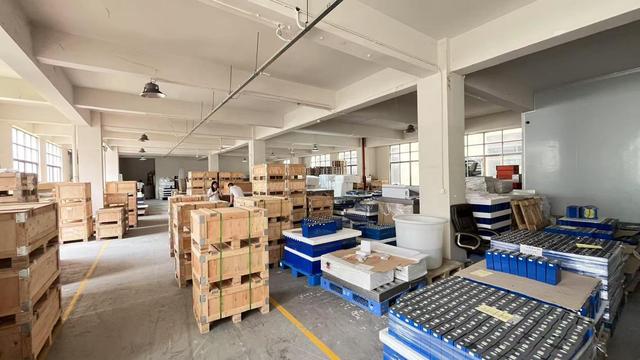
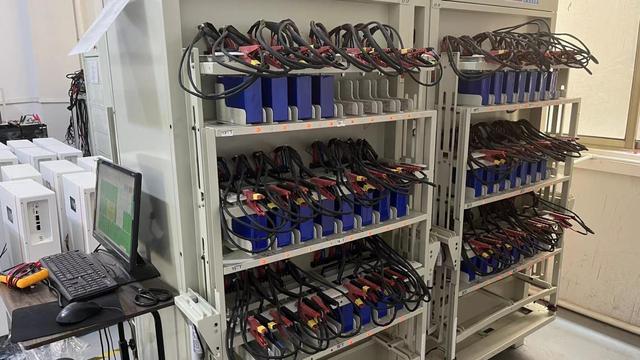
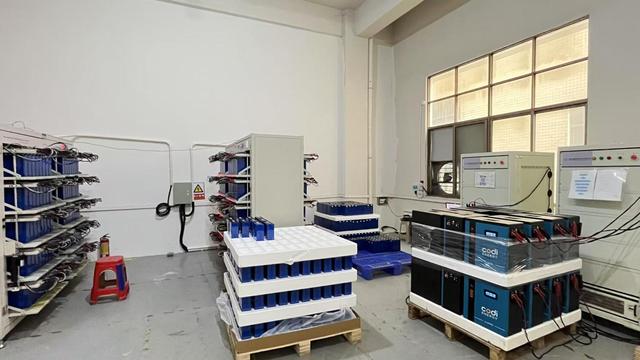
Equipped with advanced manufacturing facilities and stringent quality management processes, the company emphasizes product reliability, operational safety, and long-term performance. Continuous investment in research and development enables CCSC Energy to integrate intelligent monitoring technologies, advanced battery management systems, and smart energy control platforms into its solutions.
Serving customers across Asia, Europe, North America, South America, the Middle East, and other global markets, Hangzhou CCSC Energy Co., Ltd. is dedicated to providing innovative energy storage solutions that support renewable energy adoption, strengthen power resilience, and contribute to a more efficient and sustainable energy future.
Expert answers to the most common questions regarding renewable energy management solutions and global project deployment.
Liquid cooling keeps cell temperatures more uniform across the entire module, limiting cell-to-cell variance to under 3°C. By preventing localized hotspots, it helps ensure even cell aging, which can extend the overall battery pack life by up to 20% compared to standard air-cooled systems. It also reduces the space required for installation and operates with lower parasitic energy consumption.
Our storage systems support a range of communication standards, including Modbus TCP/IP, Modbus RTU, and CAN bus protocols. This allows them to integrate smoothly with third-party Energy Management Systems (EMS), Programmable Logic Controllers (PLCs), SCADA networks, and diverse power conversion systems (PCS).
Our cabinets are designed with a multi-layered safety approach. This includes a smart BMS for cell balancing and temperature monitoring, built-in structural fire barriers, and integrated fire suppression systems (such as aerosol or clean agent gas) designed to stop thermal events before they spread. These safety features comply with international testing standards, including UL9540A.
Peak-shaving systems monitor building loads in real time. When demand approaches a preset limit, the BESS discharges to support the load locally, preventing high demand peaks from drawing grid power. This helps businesses avoid costly peak-demand charges and manage their energy expenses more predictably.
Our grade-A LiFePO4 cells are rated for up to 6,000 to 8,000 charge cycles at 80% depth of discharge (DoD) under normal operating conditions. This equates to 15 to 20 years of daily cycling when operated within specified temperature limits and managed by our integrated BMS.
Yes. When configured with a grid-tied/off-grid hybrid inverter or a bi-directional Power Conversion System (PCS) with black-start capabilities, the BESS can isolate from the main grid during an outage and establish a local microgrid. This ensures continuous, reliable backup power for critical building loads.
Explore our complete catalog of high-capacity storage containers, smart master control boxes, and integrated backup power cabinets for heavy industrial operations.
 CCSC Energy