CE Certified Transformative Energy Solutions Manufacturer & Factories

Accelerating the Global Clean Energy Transition with High-Capacity Battery Energy Storage Systems (BESS), Smart Microgrids, and Tier-1 Industrial Integrations.

Primary Product Lineups

High-Efficiency Energy Storage & Charging Solutions

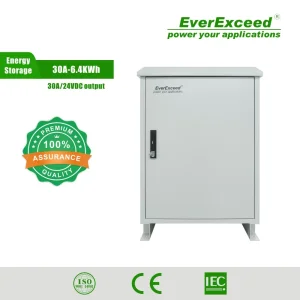
High-Performance 241 Kwh Energy Storage Solution
Commercial BESS

High-Performance 241 Kwh Energy Storage Solution for Commercial Use

View Technical Details
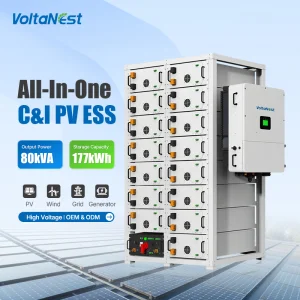
VoltaNest Commercial Industrial Energy Storage System
Multi-Capacity All-in-One

VoltaNest 80kW 100KW 125KW 180kWh 177KWH 209KWH 241KWH 200KWH Rack All In One Commercial & Industrial Energy Storage System

View Technical Details
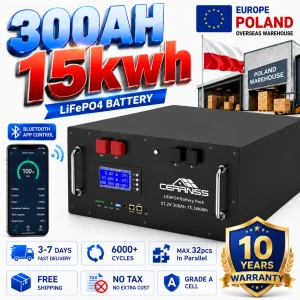
CERRNSS Home Energy Storage Lithium Ion Battery
Residential LiFePO4

CERRNSS Home Energy Storage Lithium Ion Battery 20kwh 30kwh 15kwh 51.2V 200ah 280ah 300ah 400ah Lifepo4 Battery 48v 100 Ah

View Technical Details
100KW Energy Storage LiFePO4 Battery Solar ESS
High Voltage BMS

100KW 215KWH High Voltage Energy Storage Systems LiFePO4 Battery Cabinet Solar ESS Smart BMS Commercial Power Backup PCS Grid

View Technical Details
Efficient Storage Solutions for Energy Systems
Advanced ESS Commercial

Efficient Storage Solutions for Advanced Commercial Energy Systems

View Technical Details
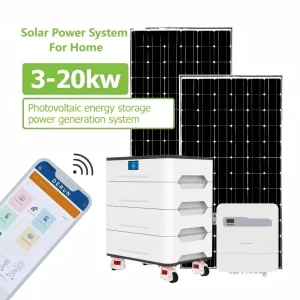
Stackable Hybrid Grid Home Energy Storage System
Stackable Hybrid Grid

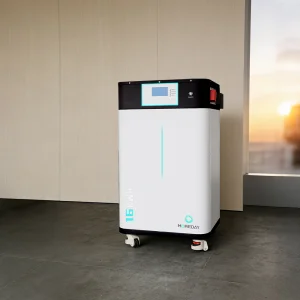
Stackable Split Hybrid Grid Home Energy Storage System with LiFePO4 Battery and Rolling Wheels Design

View Technical Details
11kw Type2 DLB AC EV Charging Station
EV Charger IP55 Solar

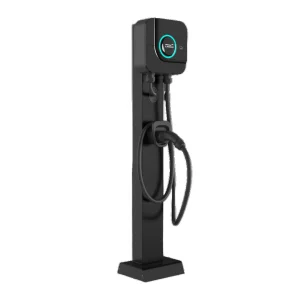
202605 New 11KW Type2 DLB AC EV Charging Station CE IP55 Floor-standing PV Compatibility Solar

View Technical Details
High Voltage Battery Container Bess
Containerized Grid Stabilization

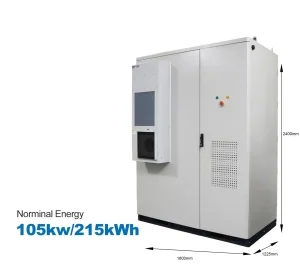
Storage 105kw 215kwh Ess High Voltage Commercial Industrial Cabinet Battery Container 105kw System Bess Solar Energy

View Technical Details

Leading the Next Generation of Industrial & Utility BESS Engineering

Hangzhou CCSC Energy Co., Ltd. is a prominent manufacturer specializing in design, engineering, and manufacturing of battery energy storage systems (BESS), renewable power integration nodes, and smart microgrid control interfaces. Operating from our advanced facilities in Hangzhou, China, our engineered solutions support residential, commercial, industrial (C&I), and utility-scale projects worldwide. We focus on integrating safe battery chemistry with smart software control to help operators lower overall energy cost structures, stabilize network grids, and optimize renewable assets.

To support multi-megawatt installations and localized power systems, we offer structured solutions like Battery Energy Storage Systems (BESS), microgrid management tools, and intelligent Energy Management Systems (EMS). As global commercial grids require deeper load-leveling capabilities, CCSC Energy design frameworks prioritize thermal reliability and power conversion efficiency to meet strict certification frameworks, including CE (LVD, EMC), UN38.3, and local grid standards.

  • CE (LVD & EMC) and UN38.3 system compliance for global projects.
  • Intelligent cell-balancing systems and multi-tier BMS protective designs.
  • Direct engineering integration with Tier-1 PCS (Power Conversion System) protocols.
Compliance & E-E-A-T Leadership

Our safety engineering methodologies utilize redundant monitoring paths. Every system, from residential modules to containerized 1MWh utility arrays, undergoes thermal analysis, short-circuit mitigation reviews, and high-voltage insulation tests. This disciplined engineering focus minimizes field failures and delivers reliable long-term performance.

Global BESS Landscape & Industry Analysis

The Global Demand for Transformative Energy Solutions

Industrial and commercial enterprises are shifting from basic backup energy options to integrated energy assets. Commercial peak demand charges, carbon reduction mandates, and localized grid stability issues drive this global transition.

European Energy Infrastructure

Unstable energy pricing and strict regulatory updates require European C&I businesses to deploy behind-the-meter storage. CE-certified systems protect installations against grid frequency shifts while enabling active participation in localized demand response programs.

North American Grid Support

Microgrids in North America rely on flexible BESS configurations to handle peak demand issues and severe weather events. Modern architectures integrate battery storage with existing PV panels to improve overall local microgrid uptime.

APAC Manufacturing Shifts

As industrial production in the APAC region continues to grow, maintaining a reliable power supply is essential. Peak-shaving storage systems reduce electricity expenses by shifting grid consumption away from peak-pricing periods.

>6000 LFP Cell Cycle Life (80% DoD)
<3 ms BMS Over-current Response Time
100% CE Safety Compliant Testing
1MWh+ Scalable Container Solutions

Advanced Manufacturing & Supply Chain Coordination in Hangzhou

Hangzhou is a key region for electronics and smart manufacturing in China. Operating here allows CCSC Energy to manage production costs, source high-purity raw materials, and maintain strict quality standards across our BESS and industrial charging hardware lines.

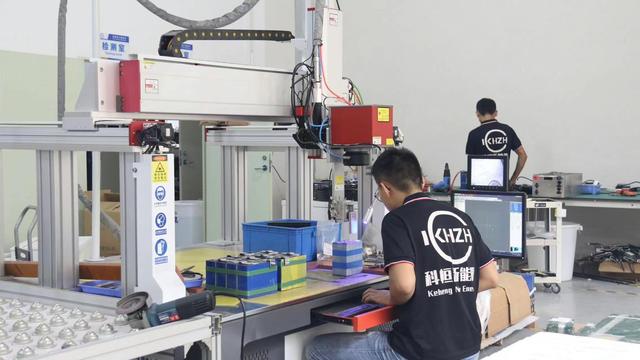
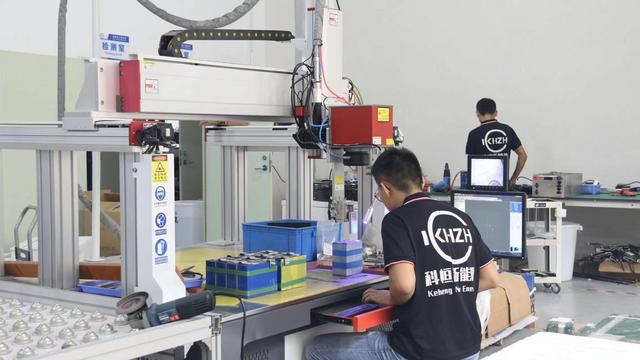
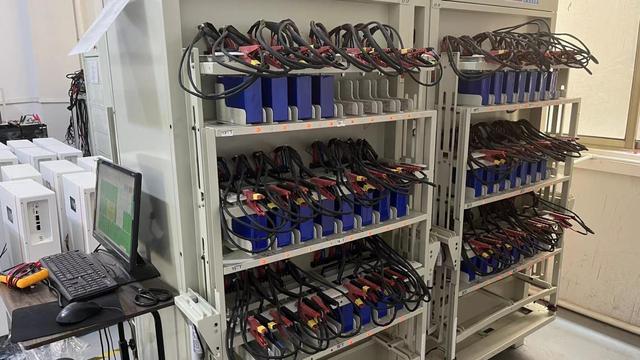
Our manufacturing processes use automated prismatic cell sorting, optical inspection of laser-welded busbars, and multi-tier Environmental Stress Screening (ESS). Automated testing of cell capacity and resistance helps ensure uniform performance across entire battery banks, preventing cell mismatch and extending system life.

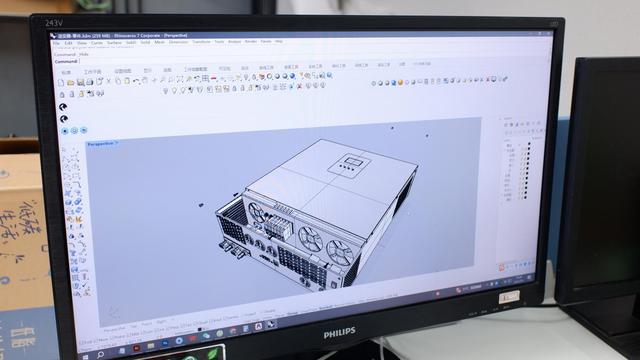
Furthermore, our integrated supply chain enables rapid prototyping and system customization. We can adjust battery pack designs to fit specific cabinet layouts or meet unique cooling requirements, helping global clients shorten project delivery schedules.

"Reliable energy storage manufacturing depends on precise assembly and process management. We test cell performance and balance BMS boards during production to deliver consistent system operation for utility and industrial projects."

Factory Operations & Technology Integration

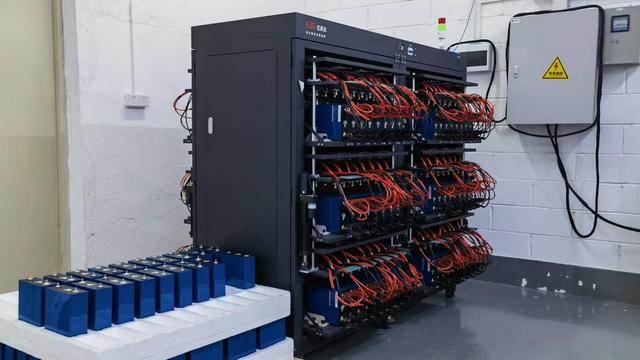
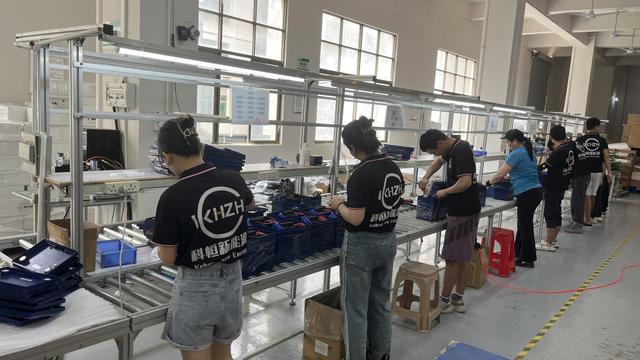
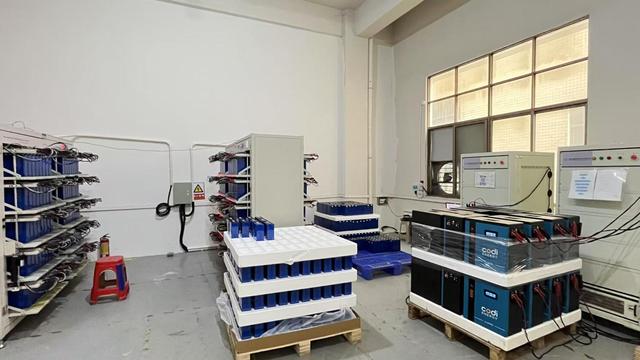
Our facilities are organized to support system reliability and safety. Production workflows include cleanroom environments for module assembly, automated torque-controlled fasteners, and full-load burn-in testing chambers to verify systems under simulated load profiles.

  • Cleanroom module assembly keeps dust and contaminants out of cell connections.
  • Automated cell sorting groups units with matching internal resistance and voltage values.
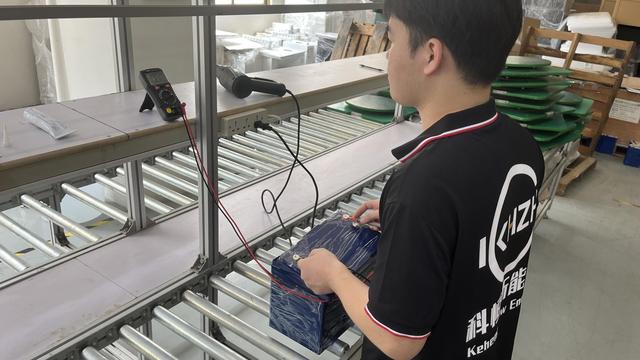
  • Comprehensive high-voltage insulation tests verify system safety before shipment.
  • Active temperature monitoring in burn-in chambers confirms thermal performance under load.
Manufacturing Operations & Systems Control

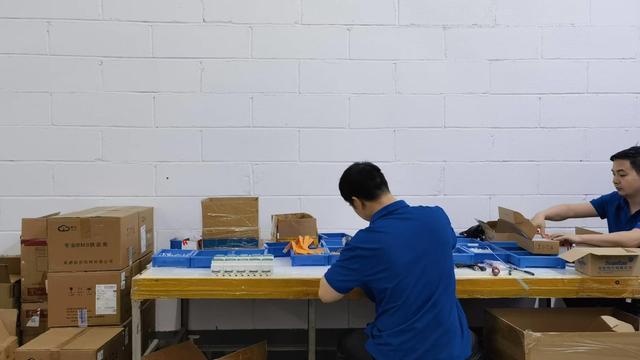
A Look Inside Our Advanced Production Facilities

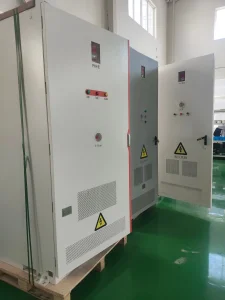
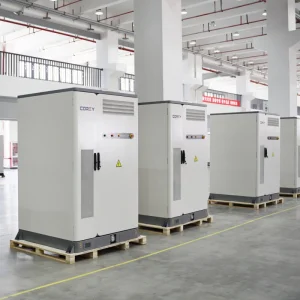
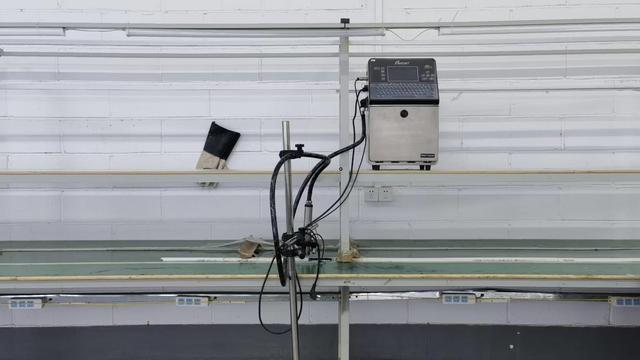
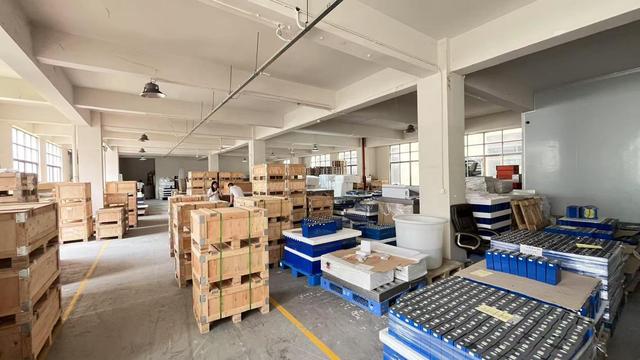
Take a look inside our cleanroom assembly areas, automated testing stations, and final packaging bays. We monitor key assembly metrics to maintain quality standards across our commercial and industrial BESS products.

Technical Deep Dive

Under the Hood: BESS Architecture & System Integration

Prismatic LiFePO4 Chemistry

Lithium Iron Phosphate (LFP) is used for industrial storage due to its chemical stability and cycle life. It has a higher thermal runaway threshold compared to NCM formulations. Our systems utilize 280Ah and 300Ah prismatic cells, supporting over 6,000 charge cycles at 80% Depth of Discharge (DoD) for reliable long-term operations.

Multi-Tier BMS Design

The Battery Management System (BMS) manages cells by balancing voltages, monitoring temperatures, and preventing overcurrent conditions. The master-slave controller interface manages current flows during peak demand, protecting cells against fast voltage spikes.

Modbus TCP/IP Protocols

For communication with site controllers, our systems support Modbus TCP/IP and CAN bus interfaces. This allows developers to integrate our batteries with external PCS hardware and energy monitoring platforms to track system performance in real time.

Targeted Utility & Commercial Application Scenarios

Deploying storage systems requires adapting the configuration to local grid demands and load profiles. We design BESS layouts around specific operational goals to improve project return on investment.

Peak Shaving & Demand Charge Reduction

For commercial facilities, peak demand charges can represent a significant portion of monthly electricity bills. By charging during low-cost utility periods and discharging during peak times, BESS systems help flatten the site's grid draw and lower utility costs.

Solar Integration & Clean Energy Maximization

Many businesses struggle with intermittent PV generation. Integrating solar power with LFP storage allows sites to store daytime excess energy and use it when local solar generation drops. This configuration helps improve self-consumption rates and provides steady power to local loads.

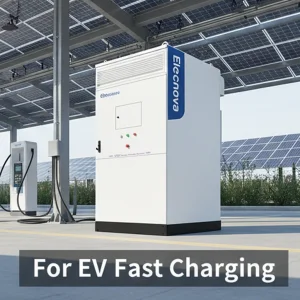
EV Charging Integration & DLB Optimization

Connecting high-power EV charging stations to local distribution grids can cause voltage stability issues and trigger grid upgrades. Dynamic Load Balancing (DLB) systems route stored energy to chargers during peak periods, avoiding grid overloads and keeping charger networks operational.

Use Cases & System Sizing

Factory Peak Shaving: 241kWh - 1MWh systems manage industrial machines and startup currents.

Residential Backup: 10kWh - 30kWh units store residential solar energy and provide backup power during outages.

EV Chargers: 11kW and 22kW charging stations with DLB adjust output based on real-time building electrical loads.

Procurement & Project Engineering

The Strategic B2B Procurement Checklist for BESS

Industrial buyers, EPC contractors, and system engineers should review key technical parameters when selecting a BESS manufacturer. This checklist outlines essential criteria for system longevity and safety.

1. Safety Certifications

Ensure systems comply with safety standards like CE LVD (EN 62477-1, EN 62619) and EMC (EN 61000 series). These certifications confirm that the storage hardware meets essential thermal and electrical safety criteria.

2. C-Rate Specifications

Verify that the battery's charge and discharge ratios match the project requirements. A 0.5C system is suitable for peak shaving, while high-power applications may need 1C or higher configurations to handle rapid energy demands.

3. Thermal Management

Review the cooling design. Air-cooled cabinets work well in moderate environments, while liquid-cooled systems are better suited for high ambient temperatures and high-duty-cycle operations, helping maintain stable cell temperatures.

Technical FAQ

Engineering Answers: Design, Safety, and Integration

What criteria does CCSC Energy use to select and match LFP cells?

We use automated testing systems to group cells with closely matching parameters. Cells are sorted based on internal resistance differences of less than 0.5mΩ and open-circuit voltage variations below 2mV. Grouping cells with similar profiles helps prevent uneven charge states during operations, protecting capacity and extending overall system life.

What are the differences between liquid-cooled and air-cooled BESS designs?

Air-cooled cabinets use fans and direct airflow to manage heat. They are simpler and suitable for smaller, standard duty cycles. Liquid cooling systems pump coolant through plates adjacent to the cells. This provides more uniform cooling, keeping cell temperature differences within ±2°C, which helps prevent thermal runaway in high-capacity and high-duty-cycle setups.

How does the BESS communicate with local PCS and grid controllers?

Our BMS uses Modbus TCP/IP, Modbus RTU, and CAN bus protocols. This enables integration with major Power Conversion Systems (PCS) and energy management software. It allows operators to remotely monitor cell voltages, temperatures, State of Charge (SoC), and State of Health (SoH) via their SCADA networks.

What built-in safety features prevent thermal runaway in your BESS cabinets?

We employ a multi-layered safety design: First, LFP chemistry has high thermal stability. Second, the BMS monitors cells and can isolate packs if it detects overvoltage, overcurrent, or abnormal temperatures. Third, cabinets can be equipped with fire suppression options like aerosol or Novec 1230 systems to help contain issues quickly.

How does the dynamic load balancing (DLB) feature work on EV chargers?

Our DLB system monitors the building's main power feed. When total building electricity consumption increases, the DLB system reduces the EV charger output to stay within safe electrical limits. When building demand drops, the system increases charger power, protecting the facility's electrical infrastructure without requiring grid upgrades.

What certifications are required for exporting storage systems to the EU and Americas?

Exporting to the EU requires CE marking, including compliance with LVD (EN 62619 for lithium batteries) and EMC directives. Shipping battery assemblies internationally also requires UN38.3 certification to confirm safety compliance during transport.

What is the expected lifespan and warranty on your commercial BESS cabinets?

Our prismatic LFP cells are rated for >6,000 cycles at 80% Depth of Discharge before capacity drops to 80% of its initial rating. Under normal operating conditions, this translates to an expected operational life of 10 to 15 years, backed by our standard manufacturer warranties.

Can these battery cabinets operate in cold climates below 0°C?

Charging lithium batteries at temperatures below freezing can cause lithium plating on the anodes, reducing battery life. To prevent this, our outdoor cabinets feature internal heating pads that warm the cells to safe charging temperatures before current starts flowing.

Additional BESS Models

Industrial Systems & Residential Units

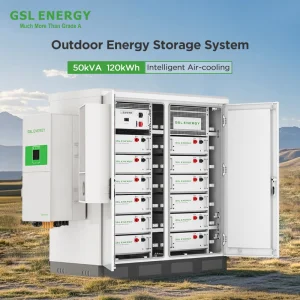
GSL ENERGY Bess Solar Battery Energy Storage System
120kWh Inverter Integrated

GSL ENERGY Bess Solar Battery Energy Storage System 120kwh Build in Inverter High Voltage Lithium Ion Battery for Peak Shaving

View Technical Details
Windsun101 Energy Storage Modbus TCP IP
Modbus Integration Smart EMS

Windsun101 Energy Storage Solution for Modbus TCP/IP Communication Integration

View Technical Details
Plannano Liquid Cooling BESS
Liquid Cooling BESS

Plannano Commercial Liquid Cooling and Air Cooling Manufacturer Direct Sales Bess Industrial and Commercial Energy Storage System Solar Energy Storage Equipment

View Technical Details
2026 BOX-E 1MWH Outdoor Battery Container
1MWH Container Utility ESS

2026 BOX-E 1MWH Outdoor LiFePO4 Battery Distributed Energy Storage Container Energy Storage Container

View Technical Details
Reliable PV Energy Storage System
Residential PV Multi-kW

Reliable 6kw 8kw 10kw 12kw 20kw Residential PV Energy Storage System

View Technical Details
10kWh 10kW LiFePO4 Home Battery Storage
10kWh Capacity 6000+ Cycles

10kWh 10kW LiFePO4 Home Battery Storage 6000+ Cycles Off-Grid Peak Shaving Solar

View Technical Details
New Lithium Battery Solar Power Storage Solution
Off-Grid Household ESS

New Lithium Battery Power Storage Solar Power Household off Grid Energy Storage Solution

View Technical Details
Premium JY Future Wall-Mounted Energy Storage
Wall-Mounted Premium Design

Premium Jy Future Residential Wall-Mounted Energy Storage Battery/Solar Power System/Energy Storage System

View Technical Details