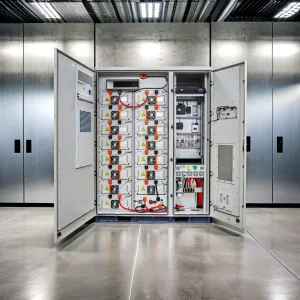
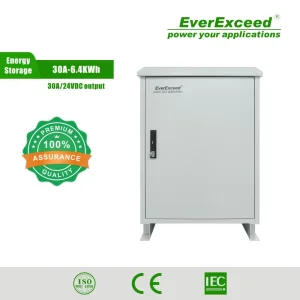
Explore our leading-edge commercial, industrial, and residential off-grid energy storage technologies engineered to deliver high cycles, thermal stability, and seamless power conversion compatibility.
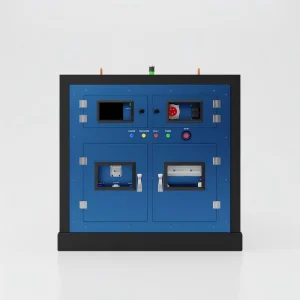
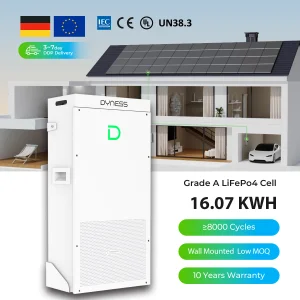
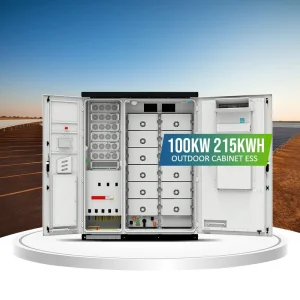
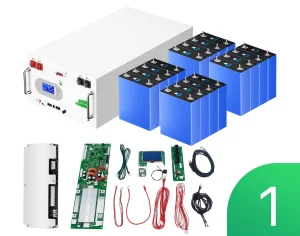
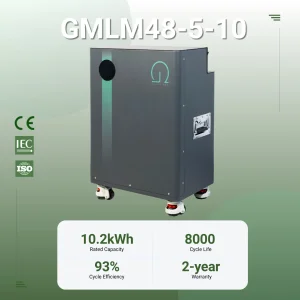
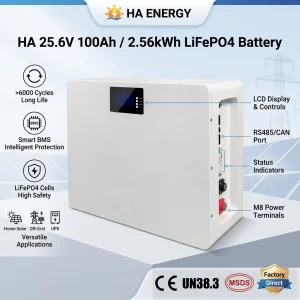
Empowering Sustainable Transition Through Technical Precision and Global Standards Compliance
Hangzhou CCSC Energy Co., Ltd. is a professional Energy Storage System Manufacturer specializing in battery energy storage, renewable power integration, and smart energy solutions for residential, commercial, industrial, and utility-scale applications. Based in Hangzhou, China, the company focuses on developing advanced energy storage technologies that help customers improve energy efficiency, enhance power reliability, and support the transition toward sustainable energy systems.
With expertise in energy storage engineering and system integration, CCSC Energy provides comprehensive solutions covering battery energy storage systems (BESS), renewable energy storage integration, commercial and industrial energy storage, backup power systems, microgrid applications, distributed energy infrastructure, and intelligent energy management platforms. Its solutions are designed to support a wide range of applications, including solar energy utilization, peak demand management, grid stabilization, emergency power supply, and energy cost optimization.
The company is committed to delivering safe, efficient, and scalable energy storage solutions tailored to the needs of modern energy users. Its engineering team works closely with customers, project developers, EPC contractors, and energy service providers to design systems that align with specific operational requirements, performance objectives, and regulatory standards. From project planning and system design to manufacturing and technical support, CCSC Energy offers comprehensive services throughout the project lifecycle.
Equipped with advanced manufacturing facilities and stringent quality management processes, the company emphasizes product reliability, operational safety, and long-term performance. Continuous investment in research and development enables CCSC Energy to integrate intelligent monitoring technologies, advanced battery management systems, and smart energy control platforms into its solutions.
Serving customers across Asia, Europe, North America, South America, the Middle East, and other global markets, Hangzhou CCSC Energy Co., Ltd. is dedicated to providing innovative energy storage solutions that support renewable energy adoption, strengthen power resilience, and contribute to a more efficient and sustainable energy future.
Analyzing the structural shift toward high-capacity liquid-cooled chemistries, system safety standards, and local deployment dynamics.
Traditional off-grid inverters function on standard grid-following grid profiles. The industry is rapidly shifting toward grid-forming inverters (GFM), which establish local voltage and frequency reference sources. CCSC Energy integrates GFM functionality inside its utility-scale BESS portfolios, facilitating immediate response during high-stress generator transitions and eliminating transient voltage drops.
Thermal management dictates overall cell degradation rates and safety. Liquid-cooled systems maintain cell temperature variations within a narrow limit of ≤2.5°C across the system. This increases the operational lifecycle by up to 20% compared to traditional air cooling. Active liquid-chilled designs mitigate thermal runaway propagation risks in high-temperature equatorial climates.
Lithium Iron Phosphate (LFP) remains the safest chemistry for stationary storage applications due to its high thermal runaway onset point (~270°C). By utilizing specialized A-grade cells, CCSC Energy's system integrations deliver consistent energy outputs while avoiding thermal-related degradation under heavy continuous load profiles.
Enterprise buyers, municipal engineers, and utility operators face rigorous compliance requirements when sourcing energy storage hardware from China. CCSC Energy simplifies international integration through system-level alignment with critical regulatory protocols.
Key Compliance Verification Checklist:
When purchasing containerized off-grid BESS platforms, evaluating initial capital expenditure (CapEx) alone is insufficient. Procurement managers focus on the Levelized Cost of Storage (LCOS), which includes:
| Metric | Impact Factor | CCSC Advantage |
|---|---|---|
| Cell Degradation | Capacity retention over time | A-grade LiFePO4 cells (≥6000 cycles to 80% SOH) |
| Round-Trip Efficiency | Auxiliary power losses (cooling) | RTE up to 92% (PCS & Battery optimization) |
| Integration Costs | Field installation labor hours | Pre-assembled container designs, plug-and-play BESS |
How CCSC Energy leverages Hangzhou's high-tech manufacturing ecosystem to build reliable, high-yield energy storage solutions.
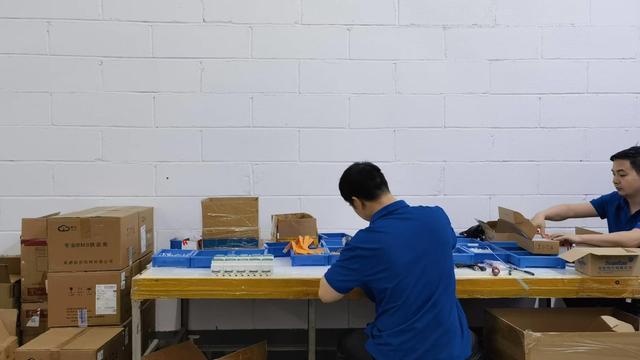
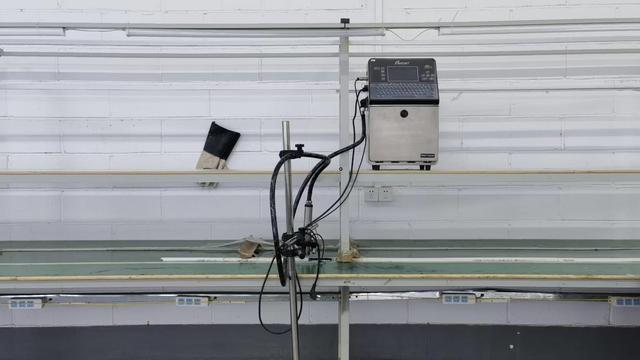
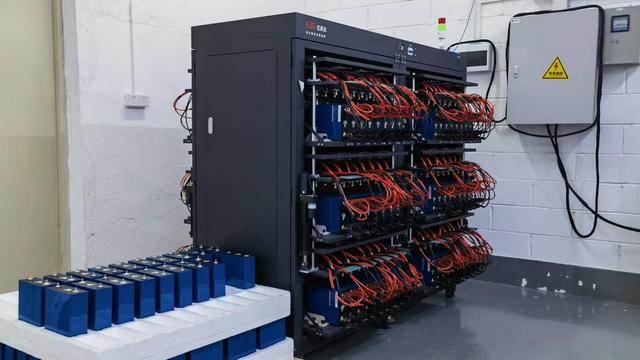
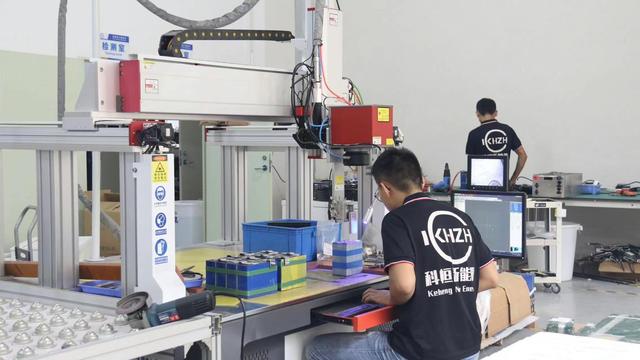
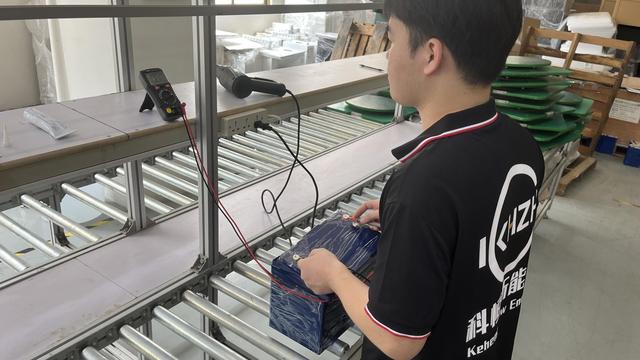
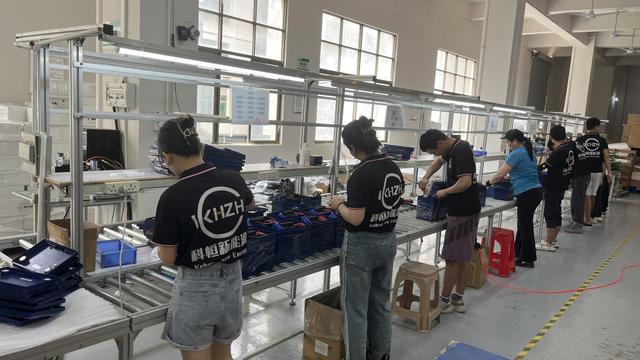
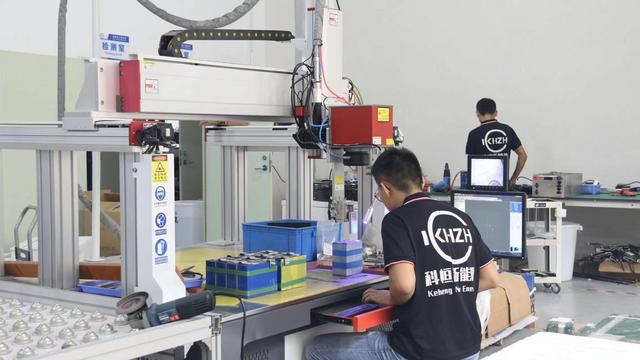
The manufacturing hub of CCSC Energy in Hangzhou operates on advanced Factory 4.0 paradigms. Through end-to-end trace systems, every LFP cell is monitored from the raw cathode processing stage through formation, testing, module stack configuration, and container integration. This process ensures that the cells within our multi-megawatt systems maintain matching internal resistance and charge/discharge curves.
We manage supply chain disruptions by sourcing components through our established, localized ecosystem. The proximity to raw battery materials, thermal cooling systems, and specialized power electronics developers in Zhejiang province allows CCSC Energy to guarantee delivery times and offer competitive pricing.
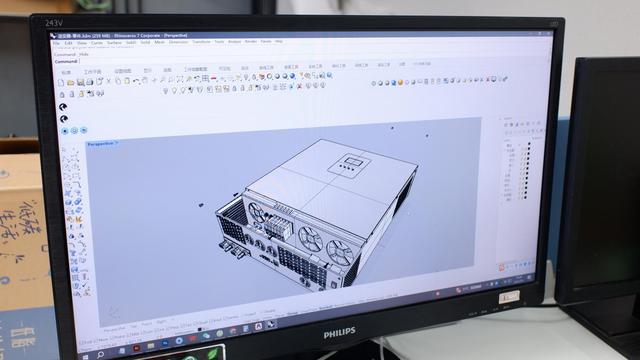
CCSC Energy’s engineering team works closely with project developers, EPC contractors, and energy service providers to design systems that align with specific operational requirements, performance objectives, and regulatory standards. From project planning and system design to manufacturing and technical support, CCSC Energy offers comprehensive services throughout the project lifecycle.
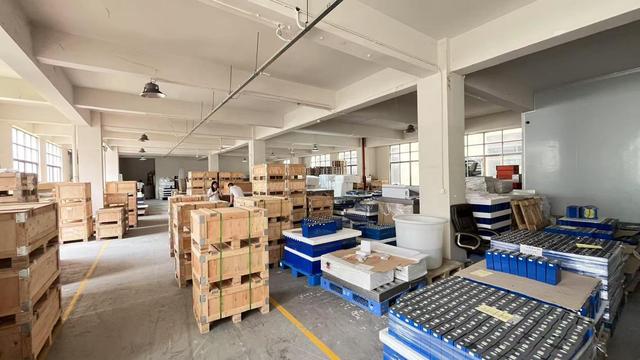
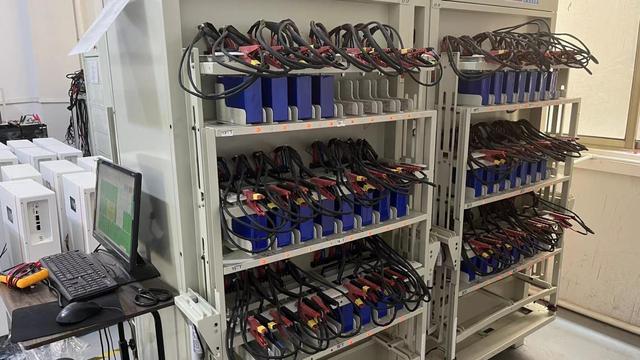
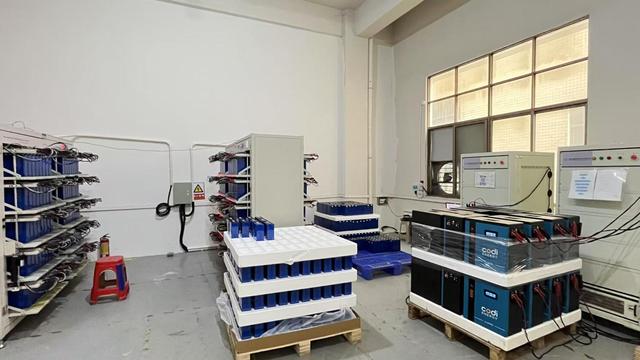
Grid instability, peak demand surcharges, and decarbonization mandates are driving commercial enterprises to deploy modular off-grid infrastructure.
Commercial facilities face high demand charges based on peak usage intervals. A local BESS discharges during peak operational periods to reduce grid reliance, lowering operational electricity costs.
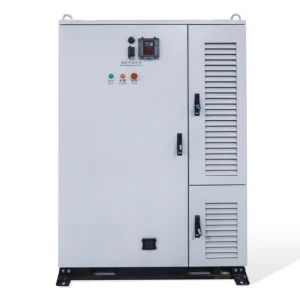
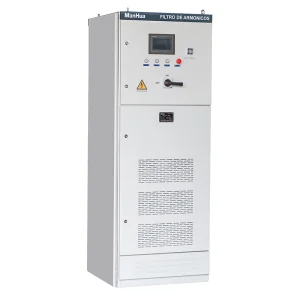
Heavy machinery creates voltage sags and harmonic distortion. Integrating active filter power distribution cabinets helps stabilize frequencies and mitigate harmonics, protecting sensitive control systems.
In areas with unstable grids, a hybrid configuration (solar + BESS + backup generators) ensures continuous uptime for data centers, processing plants, and cold-chain storage facilities.
See how our systems perform across diverse operational environments worldwide.
Challenge: High fuel import costs and environmental risks associated with traditional diesel generators.
Solution: Installed a 5MWh Containerized Liquid-Cooled BESS coupled with a 2MW solar array. System-level Energy Management Software (EMS) automated scheduling, reducing fuel reliance by 72% and providing grid-forming stability to the community microgrid.
Challenge: Rising grid demand tariffs during early morning factory starts.
Solution: Deployed a 500kW PCS coupled with a 1MWh LFP battery container. The EMS monitors grid power thresholds, discharging battery energy to cover initial startup surges. This configuration lowered monthly peak demand charges by 34%.
Challenge: Electric vehicle fast-charging requirements at a remote logistics yard lacking high-voltage grid connections.
Solution: Utilized the Remote-Controlled 256kWh Mobile BESS. Integrated with a 120kW DC fast charger, this configuration provides off-grid fast charging, monitored via web interface.
Technical breakdowns regarding compliance, performance limits, and configuration pathways.
Explore additional commercial panels, high-voltage cabinets, and containerized configurations designed for robust energy infrastructure applications.
 CCSC Energy