As the economic engine of Canada, Toronto and the wider Ontario region are undergoing an unprecedented structural transition in grid infrastructure. The Independent Electricity System Operator (IESO) faces escalating pressure from rising peak demands, electric vehicle (EV) fleet charging expansions, and rigorous corporate decarbonization targets. To alleviate these strains, municipal and provincial regulators are leveraging advanced battery energy storage systems (BESS) as primary pillars of energy security and price stability.
For industrial operators, commercial facility managers, and residential developers in the Greater Toronto Area (GTA), energy storage has shifted from an optional sustainability metric to a financial necessity. With Ontario’s complex Global Adjustment (GA) pricing mechanism impacting Class A commercial accounts, the ability to shave peak demand load is highly lucrative. Residential zones are simultaneously adjusting to the newly implemented Ultra-Low Overnight (ULO) electricity rates, incentivizing homeowners to store low-cost off-peak energy at night and discharge it during high-tariff evening hours.
Integrating a battery energy storage system in Toronto presents unique mechanical and electrical engineering challenges. Batteries must operate reliably under Ontario's diverse climate conditions, where temperatures fluctuate from sweltering 35°C summers down to sub-zero winters hitting -25°C. At these lower limits, conventional lithium chemistry experiences severe charge-acceptance degradation and potential cell plating if not thermally mitigated.
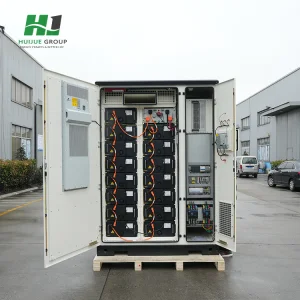
Advanced BESS units engineered for Toronto climates feature integrated thermal management loops. For large-scale outdoor applications (such as 20ft and 40ft containers), liquid cooling technology ensures uniform cell temperatures, preventing hot spots and prolonging battery cycle life to over 8,000–12,000 cycles. Residential split packs and stackable setups utilize smart internal heating arrays, ensuring that charging is only initiated when cells have warmed safely above freezing thresholds.
Full support for CAN bus, RS485, and Modbus TCP protocols. Fully compatible with ESA (Electrical Safety Authority) grid-tied codes in Ontario, permitting seamless transition between off-grid isolation and net-metered power export.
Engineered for Toronto's extreme winters and humid summers. Liquid-cooled and double-walled insulated outdoor NEMA 3R/IP65 cabinets guarantee optimal operating parameters, minimizing degradation and maintaining consistent performance.
Real-time harmonic compensation, power factor correction, and Peak Shaving algorithms optimize the building's energy profile, saving thousands in demand charges while supporting utility grid stabilization schemes.
When sourcing BESS platforms for projects in Toronto, North American developers look closely at cost, quality control, engineering agility, and supply-chain speed. Hangzhou CCSC Energy Co., Ltd., based in China's high-tech manufacturing corridor, leverages Factory 4.0 automation to provide these exact metrics.
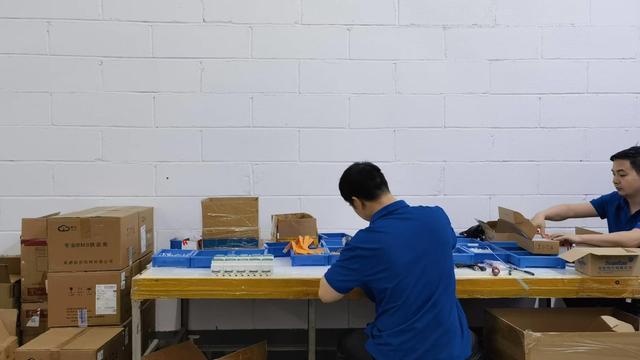
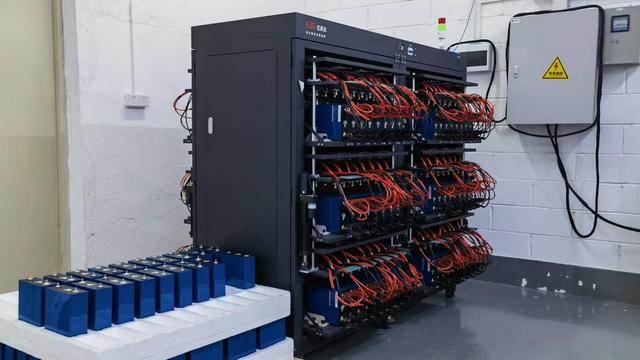
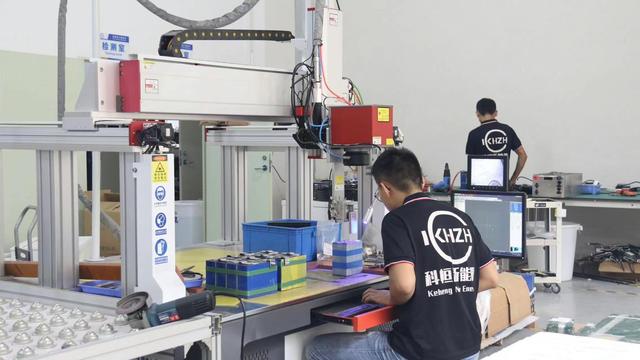
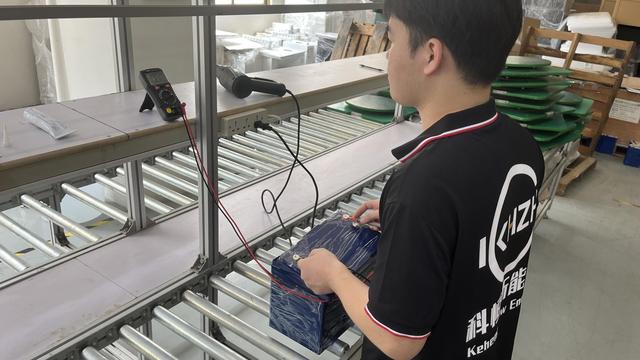
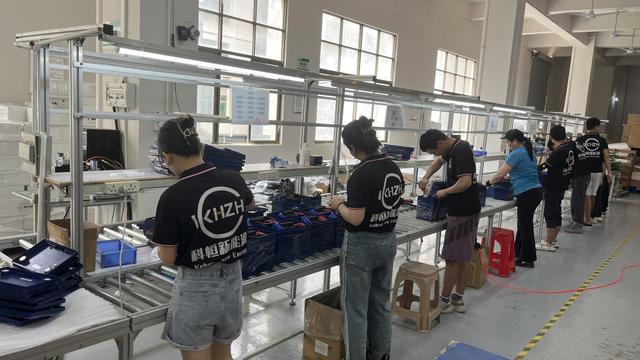
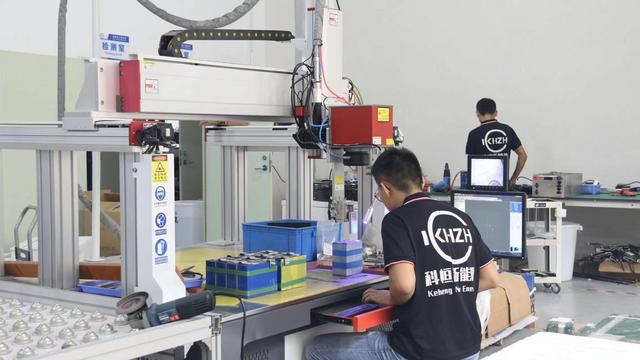
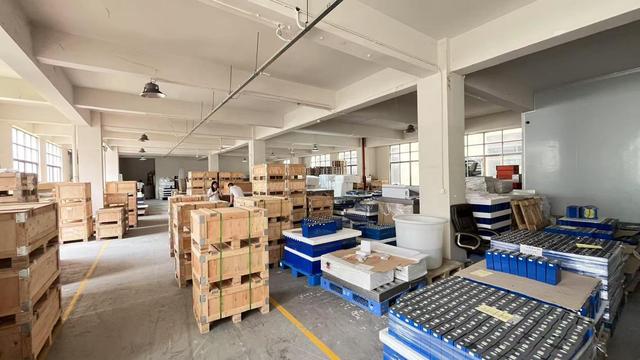
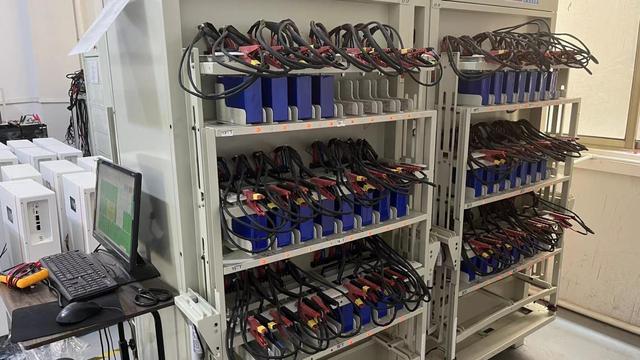
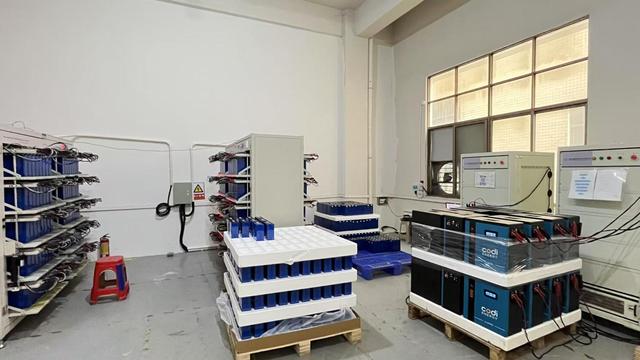
Our production facilities utilize automated cell testing and sorting, robotic laser welding of busbars, and fully simulated temperature and load cycling before packing. By keeping core manufacturing internal, we ensure that every cell module achieves uniform voltage, internal resistance, and thermal profiles. This precision manufacturing scales down failure rates to parts-per-million levels—far exceeding the capabilities of localized assembly plants.
Moreover, China’s complete ecosystem for lithium-iron-phosphate (LiFePO4) processing ensures direct access to the highest-grade raw materials. Hangzhou CCSC Energy secures Tier-1 grade-A cells (including 280Ah and 314Ah variations) at optimal price points, allowing us to pass significant cost savings down to Toronto solar developers, EPC contractors, and electrical wholesalers. This vertically integrated supply chain shortens lead times, even for customized containerized systems and high-voltage stackable solutions.
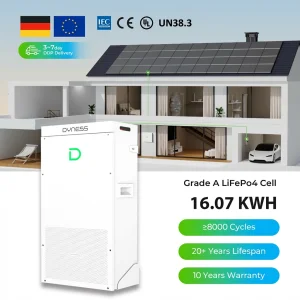
Hangzhou CCSC Energy designs products for multi-market compatibility. Whether deploying a grid-compatible 20ft battery container for a suburban wind project near Lake Ontario, or setting up a stackable wall-mounted backup unit for a home in Scarborough, our hardware adapts to localized electrical regulations. The systems support North American standard split-phase 120V/240V configurations, three-phase 208V/480V networks, and strict CSA C22.2 No. 107.1 requirements for power conversion equipment.
Hangzhou CCSC Energy Co., Ltd. is a professional Energy Storage System Manufacturer specializing in battery energy storage, renewable power integration, and smart energy solutions for residential, commercial, industrial, and utility-scale applications. Based in Hangzhou, China, the company focuses on developing advanced energy storage technologies that help customers improve energy efficiency, enhance power reliability, and support the transition toward sustainable energy systems.
With expertise in energy storage engineering and system integration, CCSC Energy provides comprehensive solutions covering battery energy storage systems (BESS), renewable energy storage integration, commercial and industrial energy storage, backup power systems, microgrid applications, distributed energy infrastructure, and intelligent energy management platforms. Our solutions support a wide range of applications, including solar energy utilization, peak demand management, grid stabilization, emergency power supply, and energy cost optimization.
Equipped with advanced manufacturing facilities and stringent quality management processes, the company emphasizes product reliability, operational safety, and long-term performance. Continuous investment in research and development enables CCSC Energy to integrate intelligent monitoring technologies, advanced battery management systems, and smart energy control platforms into its solutions.
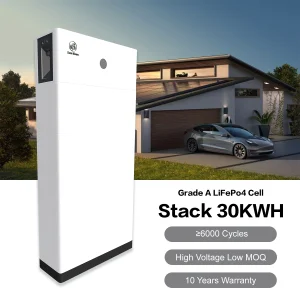
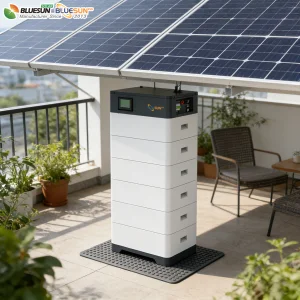
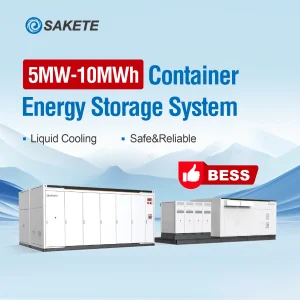
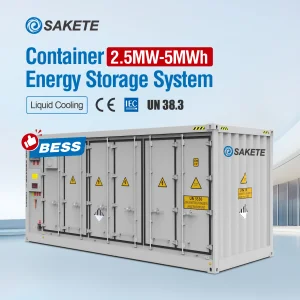
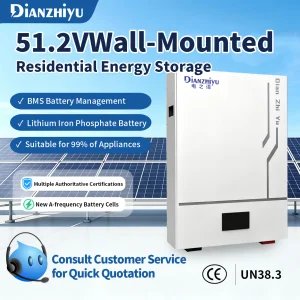
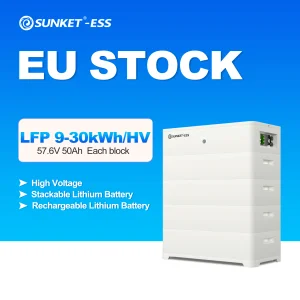
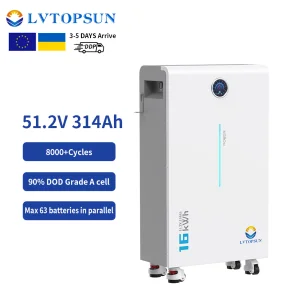
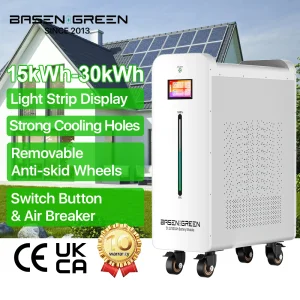
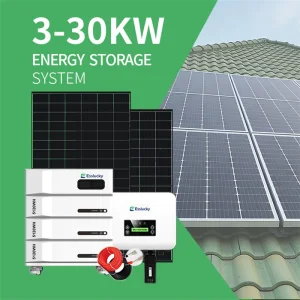
System designers and project managers must confirm that imported battery energy storage configurations are fully compliant with both localized guidelines and broader international requirements. Safety remains paramount for urban indoor settings, retail complexes, and commercial high-rises in Ontario.
Key standards that our manufacturing pipeline adheres to include:
Hangzhou CCSC Energy works closely with partners to supply complete documentation packages. Our systems are equipped with multi-tiered protection strategies, including cell-level fuses, module-level BMS checks, system-level master circuit breakers, and integrated aerosol-based fire suppression modules that activate autonomously in the event of thermal anomalies.
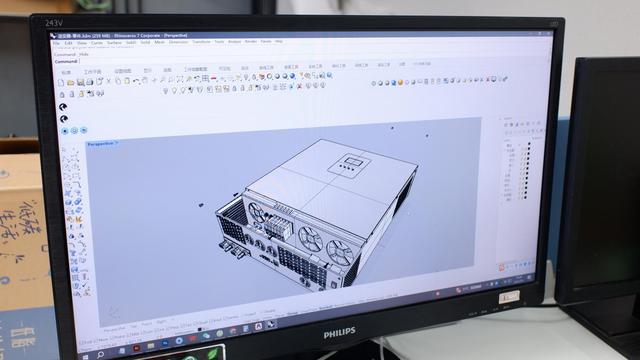
Our engineering team can customize high-voltage lithium battery stacks, liquid-cooled industrial containers, and active power quality correction equipment tailored to Ontario's local grid standards.
Send Inquiry Now CCSC Energy