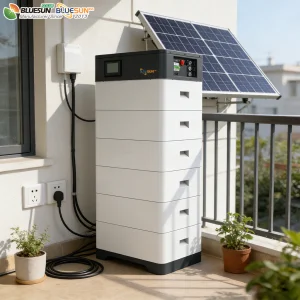
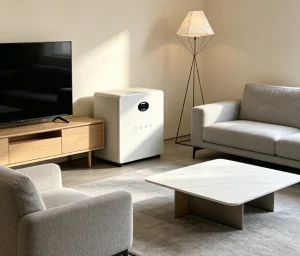
Optimized for local distributed microgrids in Mexico City and critical backup power architectures.
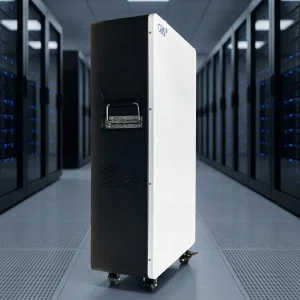
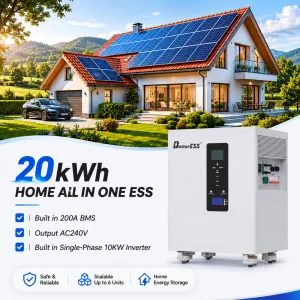
As the primary economic powerhouse and industrial engine of the country, the Valle de México metropolitan area is undergoing a profound energy transformation. Underpinned by the rapid expansion of logistics centers, automotive manufacturing, pharmaceutical hubs, and high-density residential developments, the local grid infrastructure is under unprecedented strain. The state utility operator, Comisión Federal de Electricidad (CFE), continues to struggle with regional transmission congestion, transformer overloads, and seasonal power quality fluctuations, leaving local businesses exposed to severe voltage sags and unexpected blackouts.
Unlike flat, low-lying regions, Mexico City's unique high-altitude geography (averaging 2,240 meters above sea level) severely impacts the operating parameters of conventional electrical infrastructure. Transmitting and transforming power at this elevation causes rapid heat accumulation in systems with insufficient heat dissipation, requiring significant de-rating of standard imported inverters and energy storage units. Consequently, off-grid power storage solutions cannot be designed as generic, one-size-fits-all installations; they must be engineered with advanced thermal modeling and component calibrations specifically tailored to Mexico's atmospheric and grid realities.
In addition to local grid strains, Mexico's commercial electricity tariffs for industrial consumers are structured around complex peak-demand pricing. Large industrial facilities are subjected to hefty "demanda facturable" (demand-charge billings), where a single 15-minute spike in power usage can dictate up to 60% of the entire monthly energy invoice. Integrating high-capacity BESS (Battery Energy Storage Systems) allows factory managers to execute precise peak-shaving maneuvers, discharging stored battery power during peak pricing hours and charging the cells during low-demand night hours or via co-located rooftop solar systems.
Building resilient off-grid energy storage platforms for Mexico City demands a rigorous understanding of altitude-induced physical phenomena. As atmospheric pressure decreases, two primary parameters are compromised: dielectric insulation strength and convective air cooling capacity.
Thinner air transfers less heat away from power electronics. Our smart air-cooled and liquid-cooled ESS systems incorporate variable-speed active cooling loops designed to maintain cell temperatures within the optimal 20°C to 28°C range, avoiding the accelerated aging associated with thermal stress.
Dual-redundant CAN bus interfaces link our LFP battery banks to smart commercial inverters, enabling microsecond monitoring of state-of-health (SoH), cell balancing, and fast disconnect operations during over-voltage or under-voltage anomalies.
For installations in mountain valleys and volcanic outskirts of Mexico City, we supply battery enclosures with high-voltage insulation spacing and specialized anti-dust filters, conforming to IP54 ratings to prevent environmental contamination.
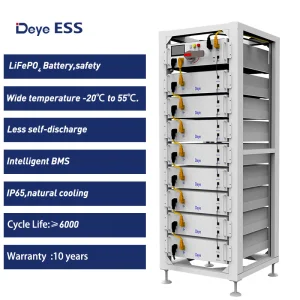
Standard Lithium Iron Phosphate (LiFePO4) chemistry represents the gold standard for these deployments. Possessing a high thermal runaway threshold (up to 270°C) compared to Ternary NCM batteries, LFP batteries offer superior safety parameters when subjected to mechanical vibration or high ambient operating temperatures. Additionally, they guarantee up to 6000 deep discharge cycles (at 80% Depth of Discharge), providing a lifetime of over 15 years in cycling environments.
Engineered with robust thermal controls, built-in smart BMS, and heavy-duty IP54 weatherproofing.
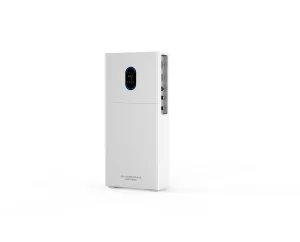
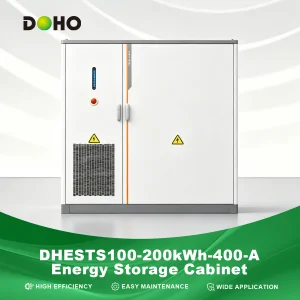
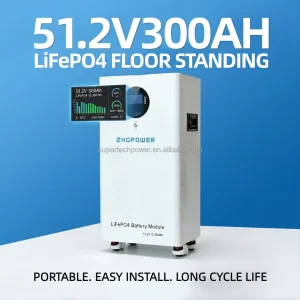
The global push toward decarbonization, coupled with localized infrastructural deficits, has positioned off-grid BESS as a cornerstone of modern industrial planning. Three mega-trends are shaping the off-grid market today:
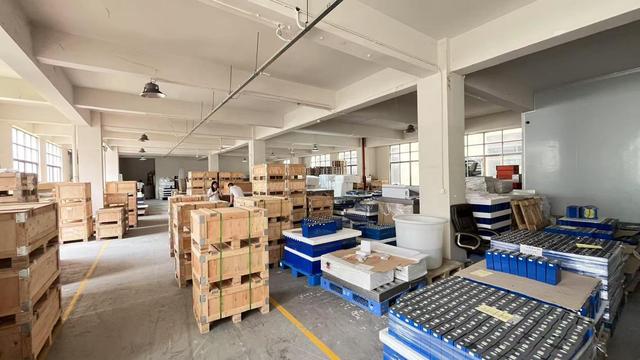
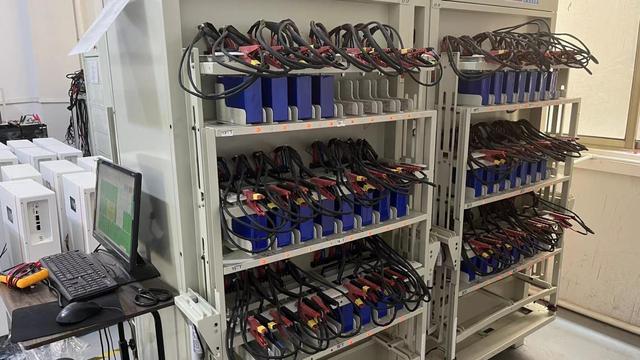
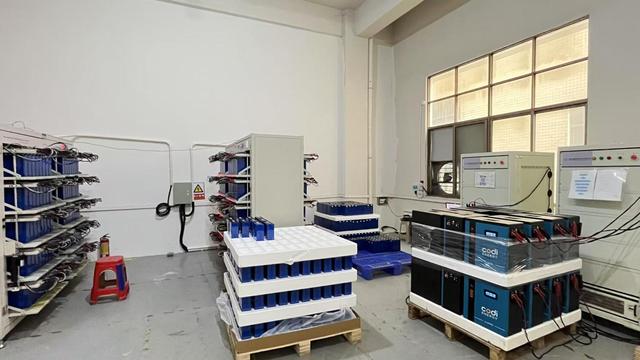
The global energy storage value chain is heavily anchored in the high-tech industrial parks of China. Hangzhou CCSC Energy Co., Ltd. represents the cutting edge of this manufacturing revolution. By leveraging China's dense raw material ecosystem, advanced automated cell stacking technologies, and automated quality testing protocols, CCSC Energy guarantees top-tier performance at highly competitive capital costs.
Hangzhou CCSC Energy Co., Ltd. is a professional Energy Storage System Manufacturer specializing in battery energy storage, renewable power integration, and smart energy solutions for residential, commercial, industrial, and utility-scale applications. Based in Hangzhou, China, the company focuses on developing advanced energy storage technologies that help customers improve energy efficiency, enhance power reliability, and support the transition toward sustainable energy systems.
With expertise in energy storage engineering and system integration, CCSC Energy provides comprehensive solutions covering battery energy storage systems (BESS), renewable energy storage integration, commercial and industrial energy storage, backup power systems, microgrid applications, distributed energy infrastructure, and intelligent energy management platforms. Its solutions are designed to support a wide range of applications, including solar energy utilization, peak demand management, grid stabilization, emergency power supply, and energy cost optimization.
CCSC Energy’s engineering team works closely with global project developers, EPC contractors, and energy service providers to design systems that align with specific operational requirements, performance objectives, and regulatory standards. From project planning and system design to manufacturing and technical support, CCSC Energy offers comprehensive services throughout the project lifecycle. Equipped with advanced manufacturing facilities and stringent quality management processes, the company emphasizes product reliability, operational safety, and long-term performance. Continuous investment in research and development enables CCSC Energy to integrate intelligent monitoring technologies, advanced battery management systems, and smart energy control platforms into its solutions.
When procuring multi-megawatt battery systems, engineers and procurement executives focus on four key performance metrics:
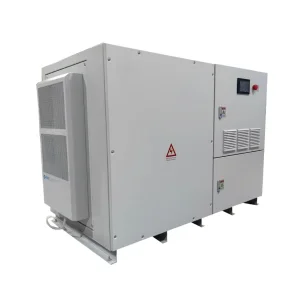
Designed for heavy industrial loads, peak shaving, high-voltage operation, and extreme environment resilience.
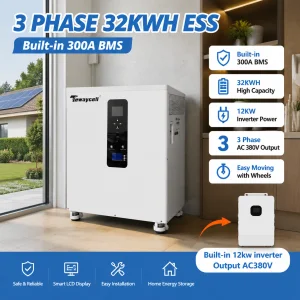
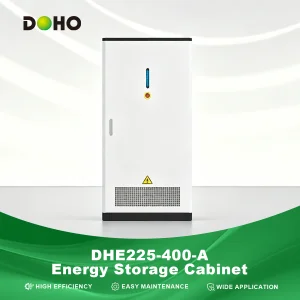
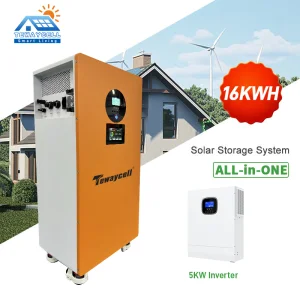
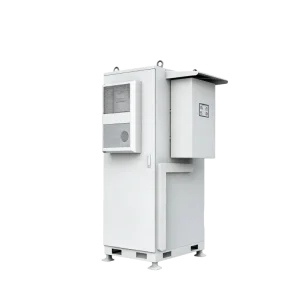
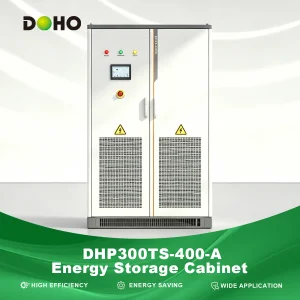
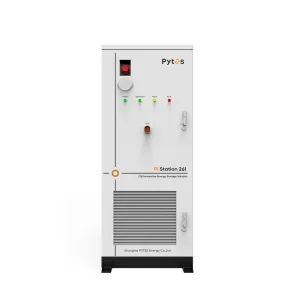
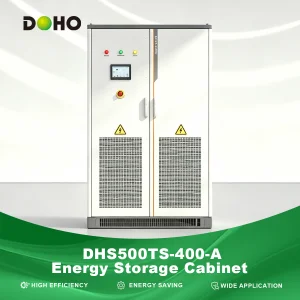
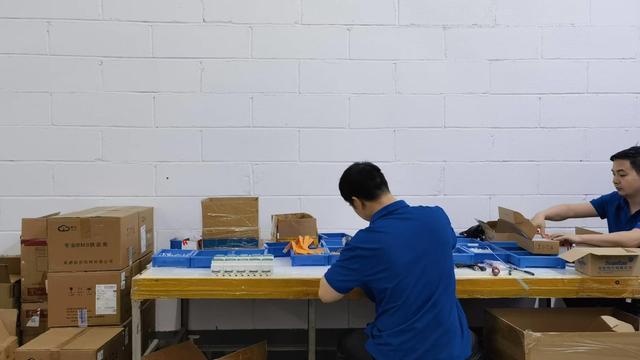
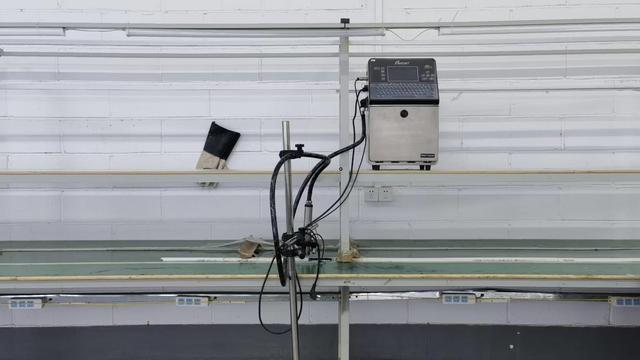
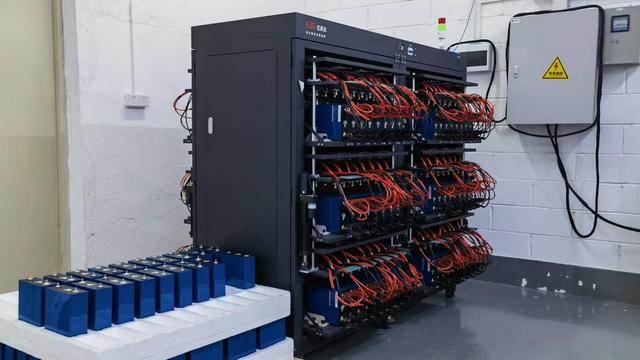
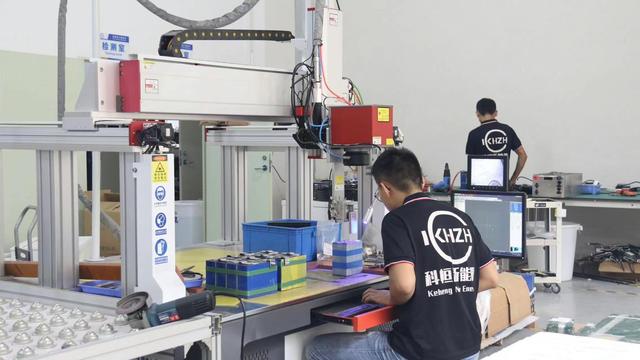
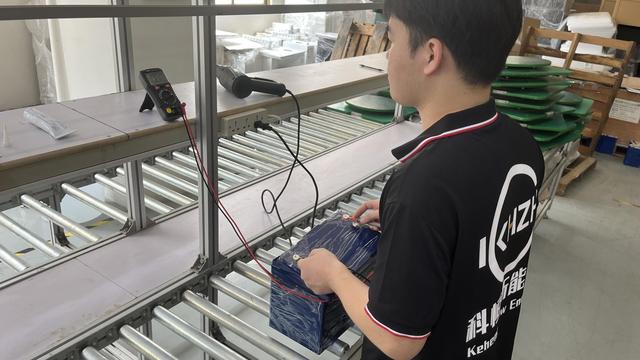
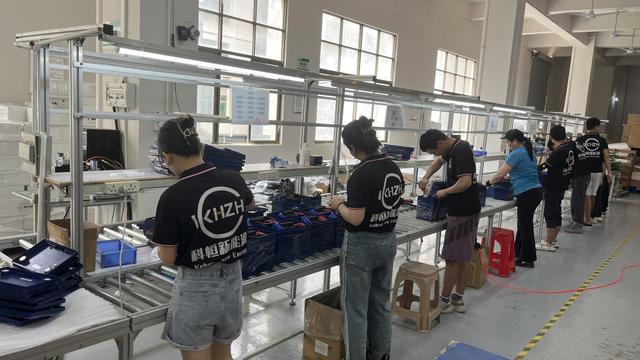
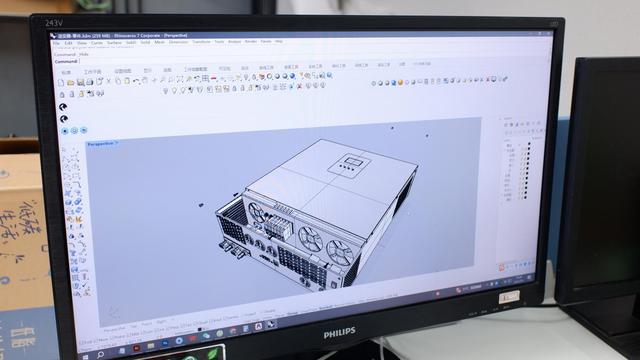
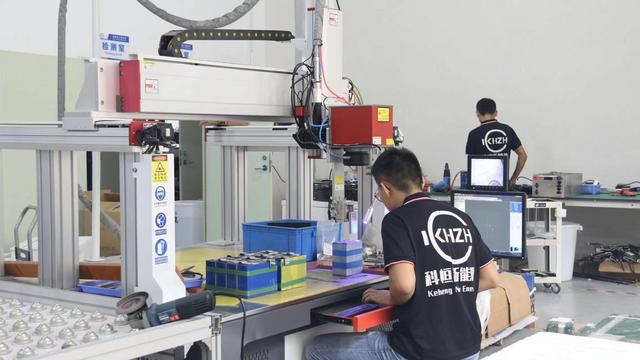
Inside Hangzhou CCSC Energy's modern production floors, testing chambers, and global deployment operations.
Essential insights for project managers, design engineers, and commercial solar installers.
Get in touch with our technical sales engineers for free system capacity sizing and localized energy payback analysis.
Send Inquiry Now CCSC Energy