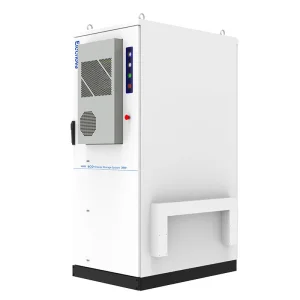
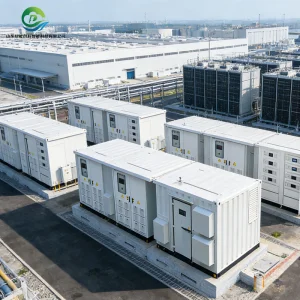
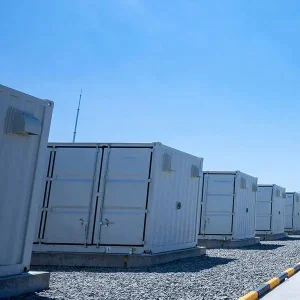
Premium BESS configurations engineered to meet the unique grid compliance and load demands of the Massachusetts area.
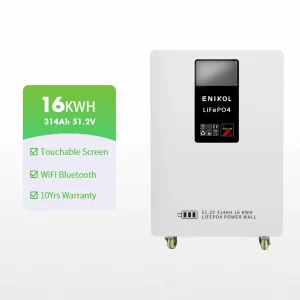
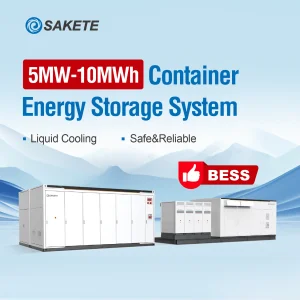
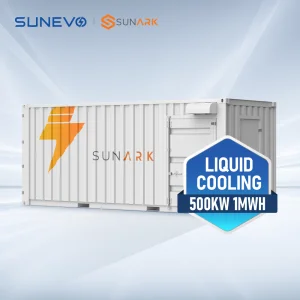
The Greater Boston area and the state of Massachusetts are undergoing one of the most aggressive energy transitions in North America. Rapid developments in clean tech ecosystems, coupled with ambitious state-level mandates, have driven Boston to become a premier hotspot for Microgrid Energy Storage Systems (BESS). Heavy policy enforcement, such as Boston’s **Building Energy Reduction and Disclosure Ordinance (BERDO)**, requires large buildings to dramatically reduce emissions, pushing building operators to look for decentralized energy architectures.
Additionally, Massachusetts faces highly complex electric tariffs. Commercial and industrial entities are exposed to high capacity charges (ICAP) under the ISO New England (ISO-NE) framework. Integrating containerized BESS allows facilities to execute **peak shaving**, avoiding exorbitant peak demand rates. Our Microgrid Energy Storage Systems act as a safeguard, shielding biomedical hubs, university campuses, and cold storage facilities throughout Boston from power disruptions while delivering continuous economic return through localized energy dispatch.
With programs like the **Solar Massachusetts Renewable Target (SMART)** offering lucrative add-ons for co-located energy storage, the deployment of modular, high-capacity lithium iron phosphate (LiFePO4) systems has transitioned from an environmental luxury to a critical operational necessity.
Minimize exposure to ISO-NE capacity market pricing by dispatching battery systems dynamically during peak periods.
Engineered setups complying with city codes and strict safety benchmarks mandated by the Boston Fire Department.
How procurement teams evaluate tier-1 battery storage factories for scale, longevity, and technological superiority.
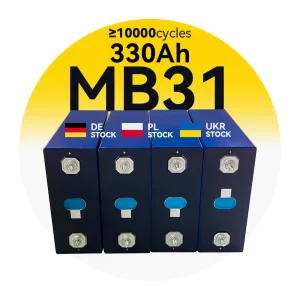
Sourcing high-purity LFP chemistry yields exceptional battery life. Liquid cooling configurations stabilize cell degradation rates, maximizing ROI over decades.
From commercial 50kW configurations to outdoor container installations ranging up to 10MWh, offering simplified plug-and-play expansions.
Pre-configured systems built to comply with UL 9540A, UN38.3, and CE certifications, streamlining approval by regional utility bodies.
From single cells to modular NAS servers and container systems designed for continuous, resilient deployment.
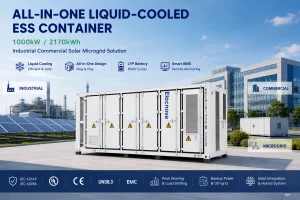
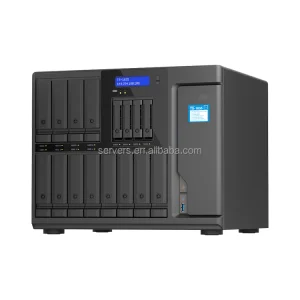
Unlocking optimal efficiency, maximum safety, and operational longevity in urban microgrids.
In high-density battery energy storage, thermal management dictates the lifetime degradation curve. While air cooling suffices for light residential duty, utility-scale containers (e.g., 2MWh to 5MWh systems) deployed in seasonal climates like Massachusetts require liquid cooling solutions. Liquid-cooling systems distribute coolant directly across cell plates, keeping internal temperature variations under 3°C. Minimizing localized hot-spots prevents cascading thermal runway incidents, and increases system capacity retention by up to 20% over 15 years.
Transitioning from 1000V DC inputs to 1500V DC topologies represents a massive shift in system engineering efficiency. By raising the DC voltage, current transmission losses are dramatically reduced, yielding superior auxiliary power management and a more compact footprint. Balance of Plant (BoP) costs are lowered because fewer combiner boxes and cable runs are required, which simplifies installation and commissioning in high-density urban areas like Boston.
Modern microgrids require smart energy management systems (EMS) that operate on advanced predictive logic. By analyzing weather patterns, spot price fluctuations on the ISO-NE market, and historical local load cycles, the EMS can forecast battery dispatch schedules. Our systems support seamless black-start capabilities, islanding, and active grid-forming controls, ensuring that medical, research, and data centers remain active during unexpected grid drops.
A premier Energy Storage System Manufacturer specializing in global, utility-scale battery integration.
Hangzhou CCSC Energy Co., Ltd. is a professional Energy Storage System Manufacturer specializing in battery energy storage, renewable power integration, and smart energy solutions for residential, commercial, industrial, and utility-scale applications. Based in Hangzhou, China, the company focuses on developing advanced energy storage technologies that help customers improve energy efficiency, enhance power reliability, and support the transition toward sustainable energy systems.
With expertise in energy storage engineering and system integration, CCSC Energy provides comprehensive solutions covering battery energy storage systems (BESS), renewable energy storage integration, commercial and industrial energy storage, backup power systems, microgrid applications, distributed energy infrastructure, and intelligent energy management platforms. Its solutions are designed to support a wide range of applications, including solar energy utilization, peak demand management, grid stabilization, emergency power supply, and energy cost optimization.
The company is committed to delivering safe, efficient, and scalable energy storage solutions tailored to the needs of modern energy users. Its engineering team works closely with customers, project developers, EPC contractors, and energy service providers to design systems that align with specific operational requirements, performance objectives, and regulatory standards. From project planning and system design to manufacturing and technical support, CCSC Energy offers comprehensive services throughout the project lifecycle.
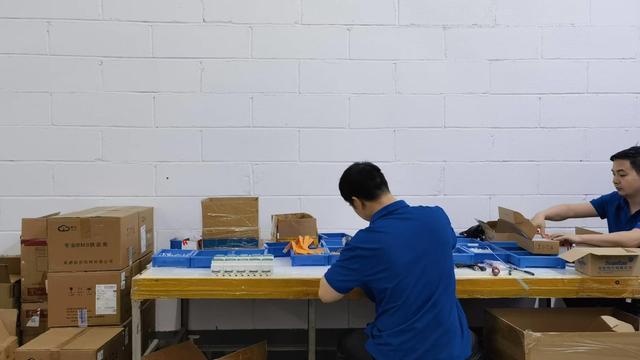
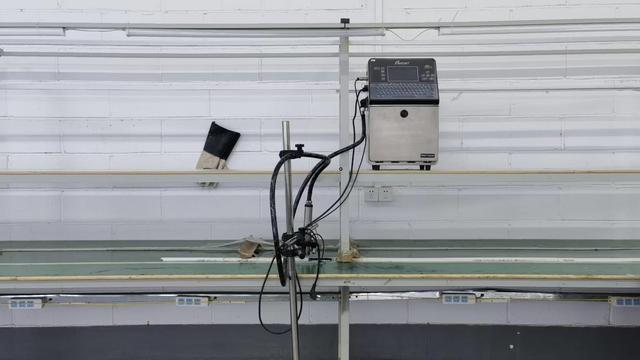
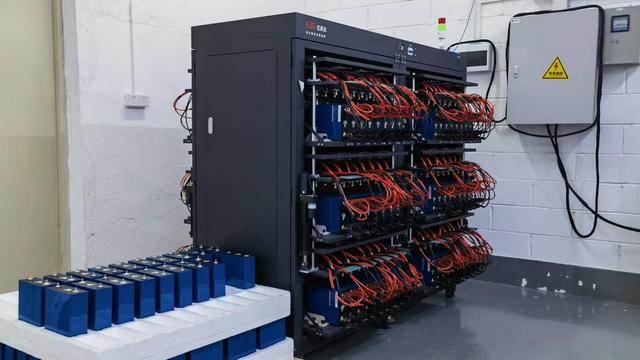
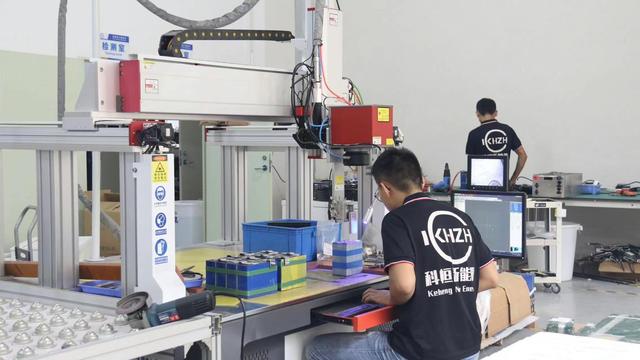
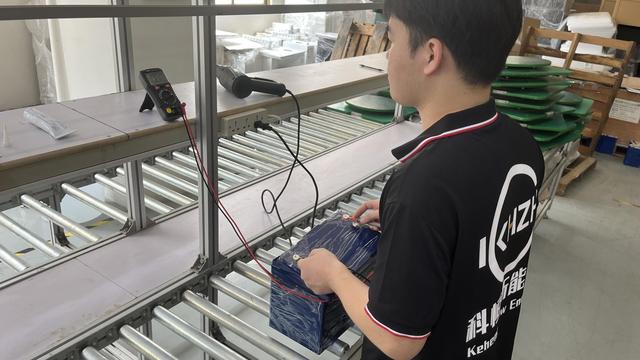
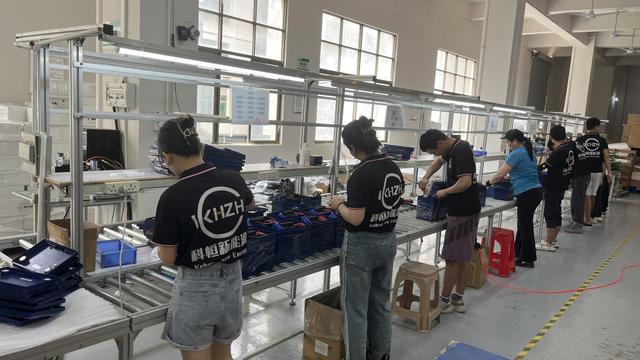
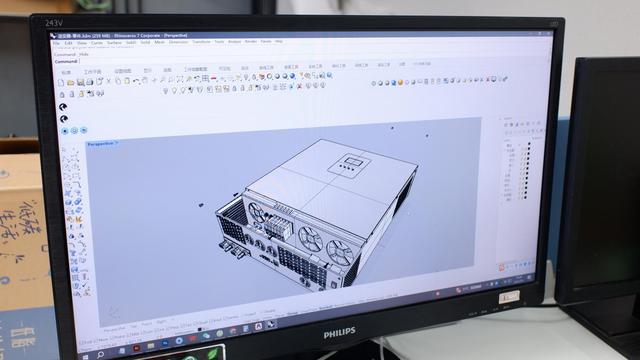
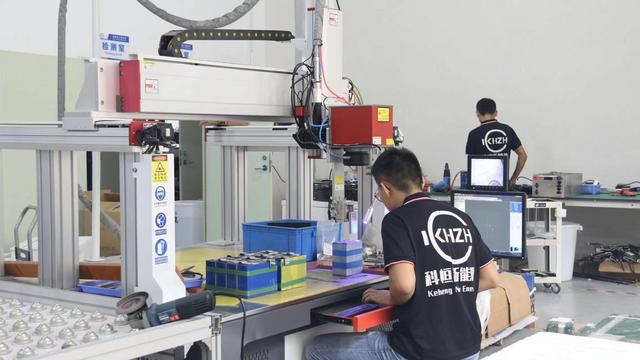
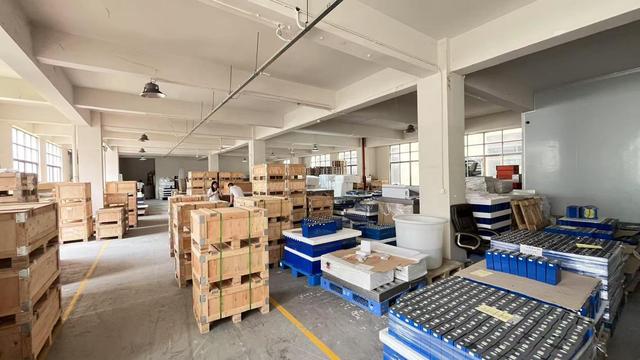
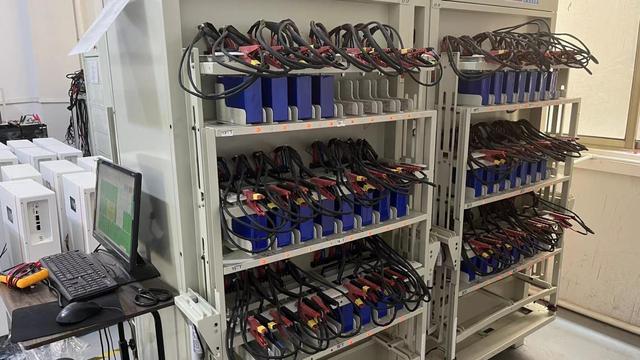
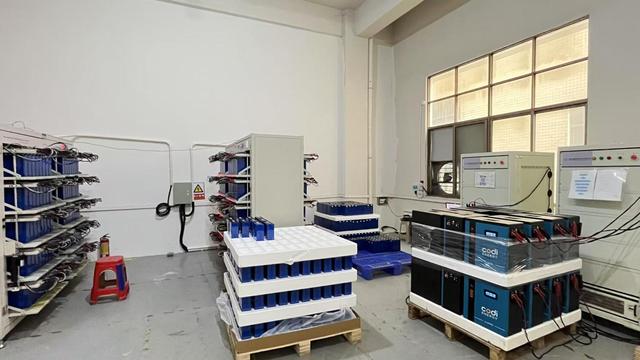
Equipped with advanced manufacturing facilities and stringent quality management processes, the company emphasizes product reliability, operational safety, and long-term performance. Continuous investment in research and development enables CCSC Energy to integrate intelligent monitoring technologies, advanced battery management systems, and smart energy control platforms into its solutions.
Serving customers across Asia, Europe, North America, South America, the Middle East, and other global markets, Hangzhou CCSC Energy Co., Ltd. is dedicated to providing innovative energy storage solutions that support renewable energy adoption, strengthen power resilience, and contribute to a more efficient and sustainable energy future.
Installing high-energy commercial storage inside the city boundaries of Boston requires navigating complex, multi-tiered regulatory procedures. The Boston Fire Department (BFD) enforces strict requirements based on **NFPA 855** (Standard for the Installation of Stationary Energy Storage Systems). These standards require detailed thermal runaway analysis, fire suppression gas mitigation, and precise spatial layout planning to prevent fires from spreading.
Additionally, developers must navigate local electrical permitting via the **Boston Inspectional Services Department (ISD)**. They must also coordinate with utilities like Eversource or National Grid for interconnection approvals, adhering to **IEEE 1547** protocols for distributed energy resources. By working with a factory partner like CCSC Energy, engineers receive system drawings and safety documentation that comply with UL 9540 standards. This makes navigating municipal compliance pathways smooth and efficient.
Comprehensive compliance for energy storage systems and cell-level thermal runaway testing, simplifying municipal approvals.
Standardized electrical designs that align with IEEE 1547 and Massachusetts utility interconnection requirements.
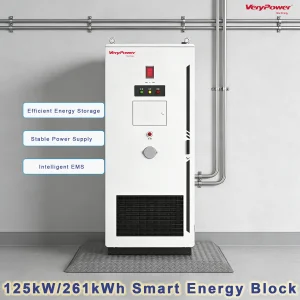
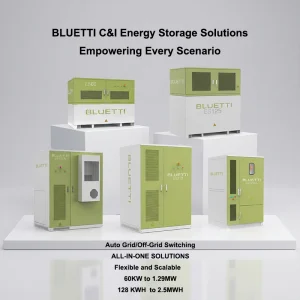
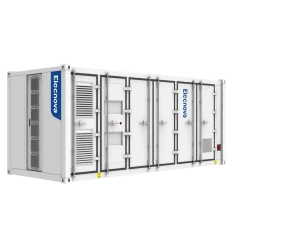
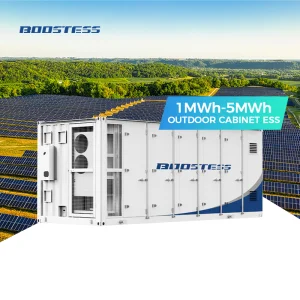
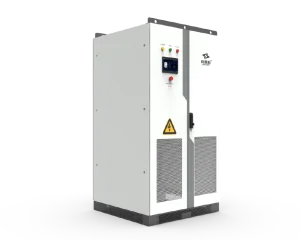
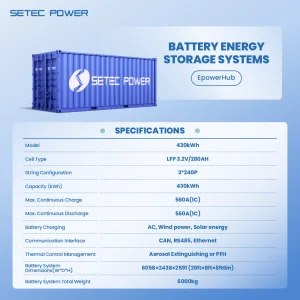
Explore our full line of robust containerized systems, off-grid hardware, and prefabricated microgrid components.
Resolving the most frequent queries regarding technical features, compliance, and deployment dynamics.
Collaborate with our engineering team to design custom, UL-compliant BESS solutions for peak-shaving, microgrid resilience, and high-ROI operations.
Send Inquiry Now CCSC Energy