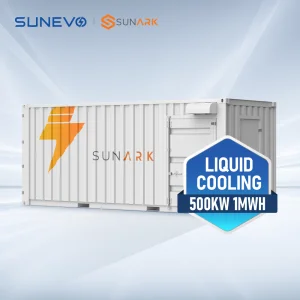
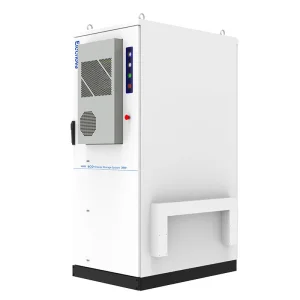
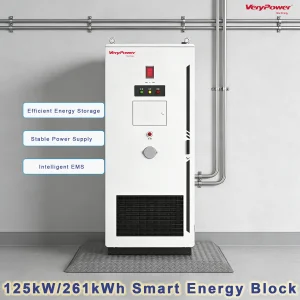
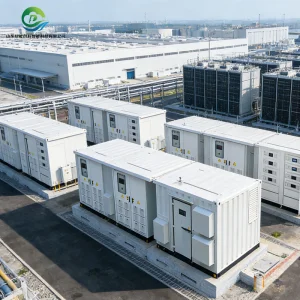
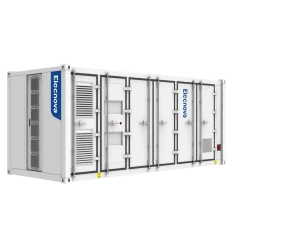
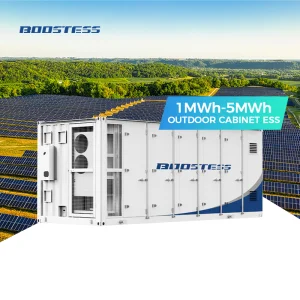
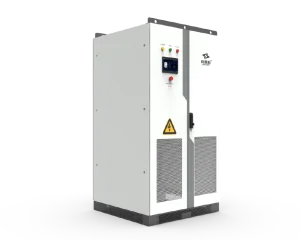
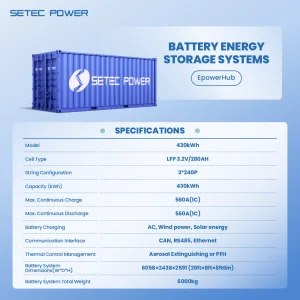
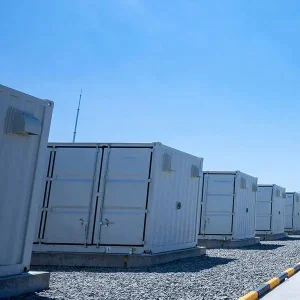
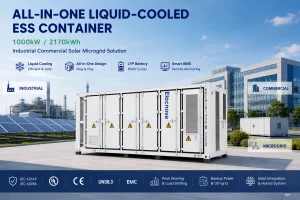
Premium BESS models optimized for utility integration, high cycle life, and thermal tolerance in the GCC zone.
The United Arab Emirates is aggressively transforming its energy landscape. Under the guidance of the UAE Net Zero 2050 Strategic Initiative and the Abu Dhabi Climate Change Strategy, the shift from traditional centralized fossil-fuel combustion grids toward distributed hybrid networks is accelerating. Clean energy platforms, such as utility-scale solar farms and localized microgrid installations, are the primary vectors of this change. However, due to the inherent intermittency of solar irradiation, utility networks require high-performance Energy Storage Systems (ESS) to guarantee operational stability, power quality, and resilience.
Operating high-capacity battery solutions in the Arabian Desert presents severe architectural challenges. Extreme ambient temperatures rising beyond 50°C, combined with airborne particulate matter (fine sand and saline dust) and extreme humidity in coastal regions like Jebel Ali and Abu Dhabi Industrial Zone (ICAD), will cause rapid capacity fade, thermal runaway, and mechanical wear in poorly engineered systems. Hangzhou CCSC Energy Co., Ltd. addresses these challenges by developing ruggedized, liquid-cooled, and micro-climate controlled containerized microgrid systems built to withstand the Middle East's harsh operating conditions.
In accordance with DEWA (Dubai Electricity and Water Authority) Distributed Renewable Resources Generation Standards, industrial plants, warehouse facilities, and farming complexes are incentivized to establish on-site solar systems. A major challenge remains: high demand charges during peak hours. Commercial and Industrial (C&I) sectors utilize battery microgrids to perform dynamic peak shaving, offset electricity usage, and establish critical backup infrastructure. The reduction of diesel dependencies in offshore oil rigs, desert defense facilities, and agricultural fields in Al Ain has turned microgrid energy storage from a sustainability goal into a highly profitable investment.
Dual-loop glycol cooling maintains battery cell temperatures within ±2°C variations, mitigating high ambient thermal stress up to 55°C.
Double-walled galvanized steel cabins equipped with active sand separator louvers and dust mitigation systems for desert environments.
Integrated energy management algorithms calculate weather patterns and load profiles to maximize utility peak shaving ROI.
In hot desert regions, the rate of chemical degradation inside lithium-ion battery cells accelerates exponentially if active internal temperatures exceed 35°C. Conventional BESS installations that rely on air-conditioned containers suffer from excessive thermal gradients within the racks, leading to uneven cell aging, unbalanced State of Charge (SoC), and ultimately premature capacity failure. This makes standard air cooling unsuitable for high-capacity applications in the UAE.
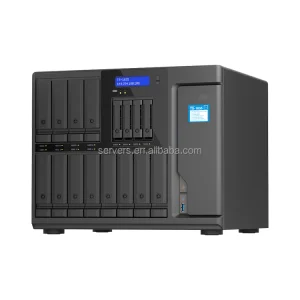
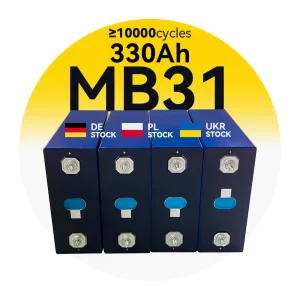
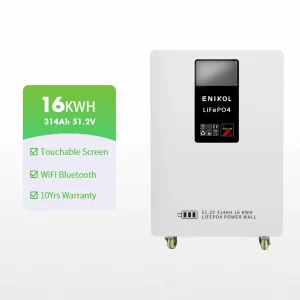
A selected range of heavy-duty structures, high-capacity components, and microgrid units optimized for integration into the UAE industrial distribution network.
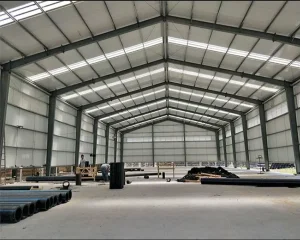
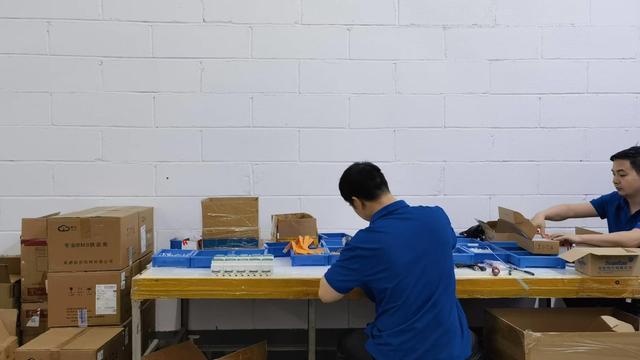
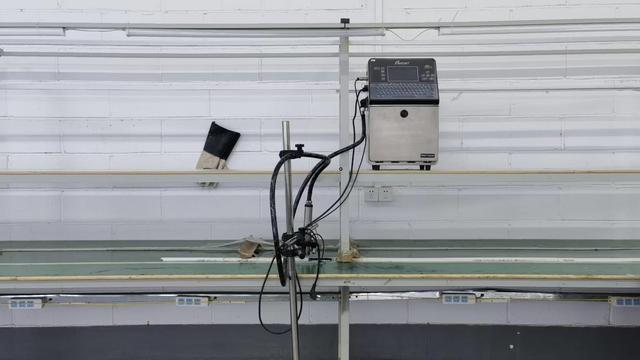
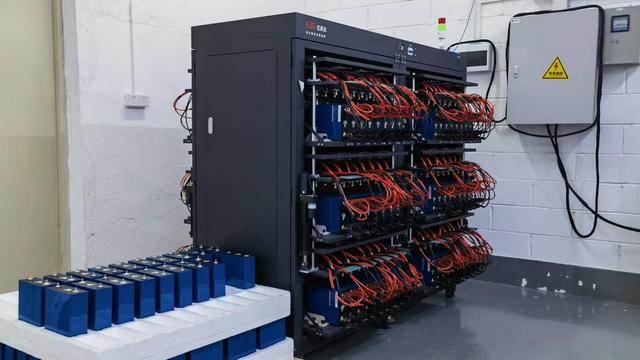
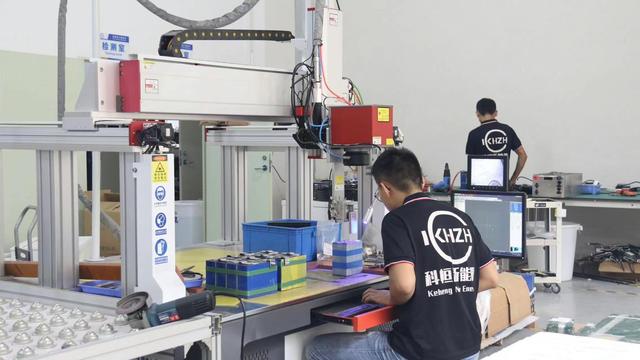
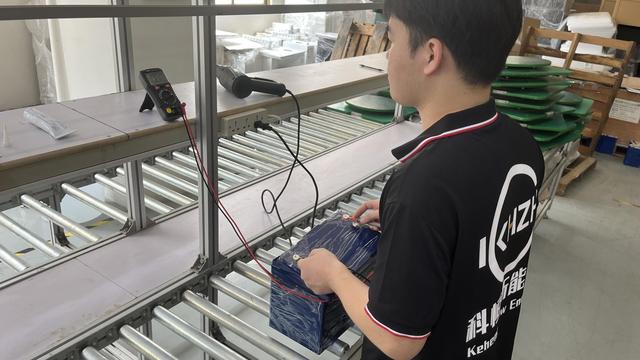
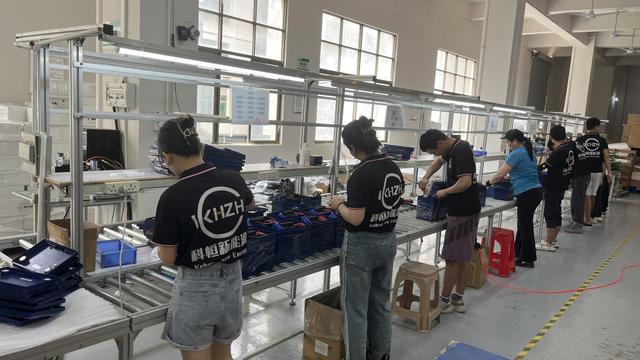
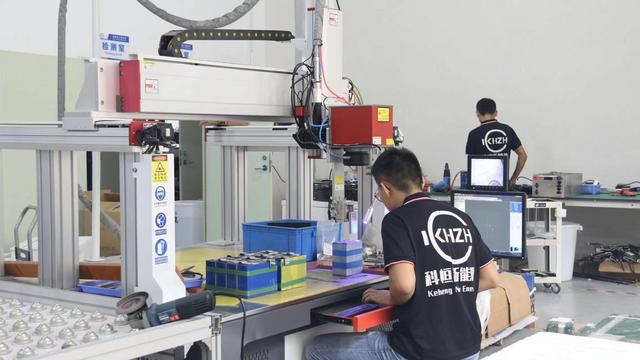
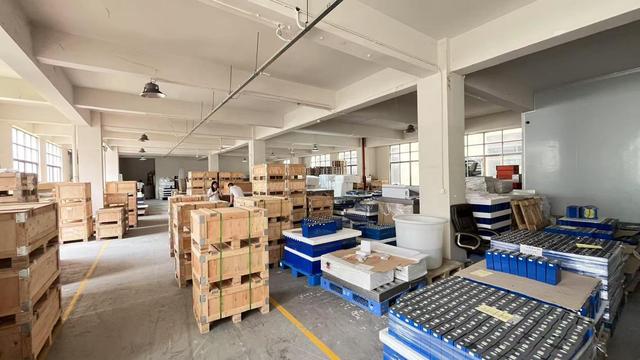
Discover our international production standards, advanced facilities, and supply chain capabilities delivering quality worldwide.
Hangzhou CCSC Energy Co., Ltd. is a professional Energy Storage System Manufacturer specializing in battery energy storage, renewable power integration, and smart energy solutions for residential, commercial, industrial, and utility-scale applications. Based in Hangzhou, China, the company focuses on developing advanced energy storage technologies that help customers improve energy efficiency, enhance power reliability, and support the transition toward sustainable energy systems.
With expertise in energy storage engineering and system integration, CCSC Energy provides comprehensive solutions covering battery energy storage systems (BESS), renewable energy storage integration, commercial and industrial energy storage, backup power systems, microgrid applications, distributed energy infrastructure, and intelligent energy management platforms. Its solutions are designed to support a wide range of applications, including solar energy utilization, peak demand management, grid stabilization, emergency power supply, and energy cost optimization.
The company is committed to delivering safe, efficient, and scalable energy storage solutions tailored to the needs of modern energy users. Its engineering team works closely with customers, project developers, EPC contractors, and energy service providers to design systems that align with specific operational requirements, performance objectives, and regulatory standards. From project planning and system design to manufacturing and technical support, CCSC Energy offers comprehensive services throughout the project lifecycle.
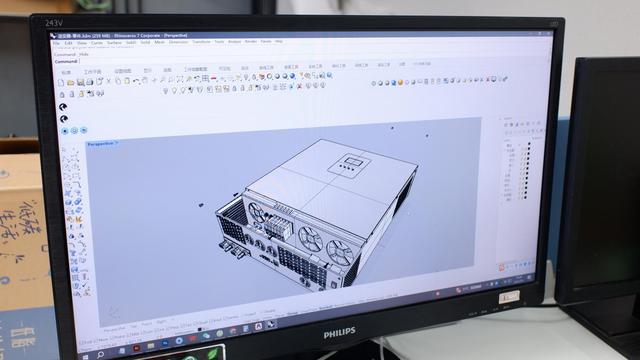
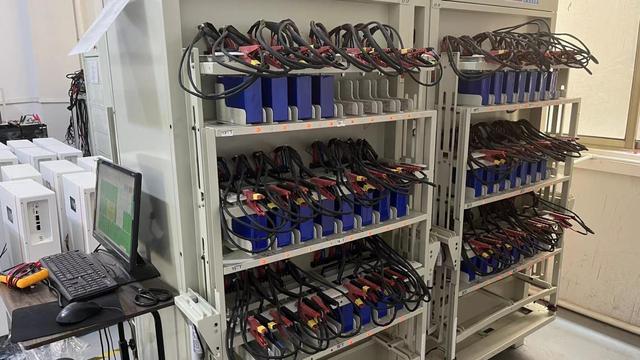
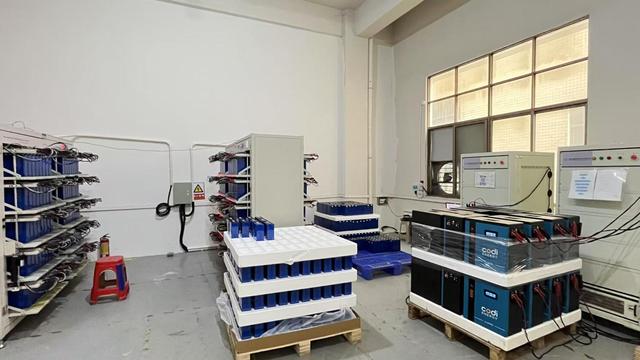
Equipped with advanced manufacturing facilities and stringent quality management processes, the company emphasizes product reliability, operational safety, and long-term performance. Continuous investment in research and development enables CCSC Energy to integrate intelligent monitoring technologies, advanced battery management systems, and smart energy control platforms into its solutions.
Serving customers across Asia, Europe, North America, South America, the Middle East, and other global markets, Hangzhou CCSC Energy Co., Ltd. is dedicated to providing innovative energy storage solutions that support renewable energy adoption, strengthen power resilience, and contribute to a more efficient and sustainable energy future.
Purchasing utility-scale energy storage assets involves navigating complex technical specifications and regulatory frameworks. For Middle Eastern grid systems, compliance with regional distribution network operators is essential. In Dubai, projects must align with the Dubai Electricity and Water Authority (DEWA) Guidelines. In Abu Dhabi, compliance with the Department of Energy (DoE) standards is required before connecting to the distribution grid.
We work closely with GCC-based Engineering, Procurement, and Construction (EPC) companies to provide end-to-end integration support. Our services cover initial layout planning, Factory Acceptance Testing (FAT), and site integration (SAT). This ensures that BESS modules connect smoothly with local SCADA networks, hybrid solar arrays, and auxiliary generator sets.
Explore our complete range of liquid-cooled systems, smart inverters, and high-voltage energy storage systems designed for residential, commercial, and utility applications.
The energy storage sector is moving toward higher energy density, increased safety, and more advanced artificial intelligence integration. Over the next five years, BESS platforms will transition from monitoring basic operational metrics to utilizing predictive algorithms that coordinate with local electricity markets.
Answers to common questions regarding logistics, integration, and thermal management for battery energy storage systems in the Middle East.
Contact our sales and engineering team for detailed technical layouts, compliance reports, and competitive pricing for your UAE microgrid projects.
 CCSC Energy