Engineered for high ambient stability, remote optimization, and seamless grid-tie compliance.
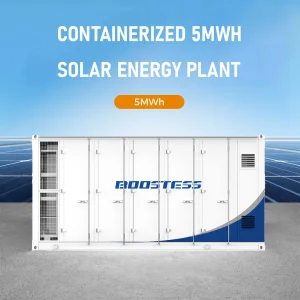
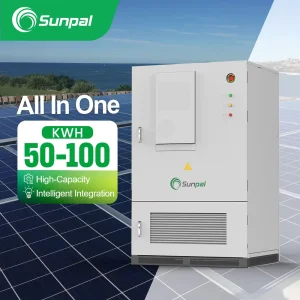
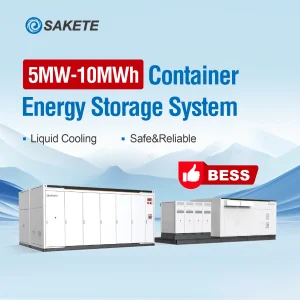
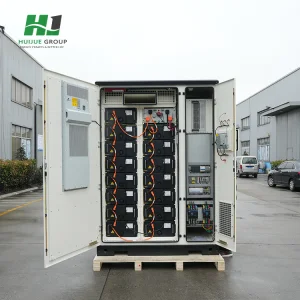
The power network of Ghana, managed by the Volta River Authority (VRA), Electricity Company of Ghana (ECG), and the Ghana Grid Company (GRIDCo), is facing a period of rapid modernization alongside significant transmission stress. Often referred to under the localized colloquialism of "Dumsor" (persistent, irregular power cuts), grid instability remains one of the largest bottlenecks to domestic commercial productivity and heavy industrial processes.
Integrating Grid-Tied Battery Energy Storage Systems (BESS) into Ghana's infrastructure is no longer merely a pathway to green sustainability; it is a critical commercial buffer. Grid-tied BESS enables high-capacity users, grid operators, and IPPs (Independent Power Producers) to store excess generation during off-peak windows and release it seamlessly during peak demand, mitigating high time-of-use tariffs while regulating local line voltage.
Across Ghana's core industrial regions, such as the Tema Free Zone, Kumasi, and Takoradi port hubs, operations are highly sensitive to power quality. Cocoa processing plants, heavy steel fabrication, food preservation, and plastics manufacturing face severe losses from sudden outages or voltage drops.
Furthermore, the mining industry (representing gold extraction in regions like Obuasi and Tarkwa) is heavily reliant on diesel generator sets, which are exposed to international fuel price volatility. By deploying utility-scale grid-tied energy storage, C&I clients can reduce their peak-demand charges, execute peak shaving, and blend solar PV generation with grid assets safely, creating hybrid power grids that drastically reduce reliance on diesel backup.
Mitigates expensive demand surcharges imposed by ECG during evening hours by using pre-charged battery capacity.
Protects delicate industrial computers and motors from unexpected grid blackouts with millisecond switching.
For a grid-tied energy storage system to operate efficiently in Ghana, local ambient variables must be accounted for in system engineering:
Standard Lithium-Ion configurations can experience thermal runaway or fast cycle decay in tropical conditions. The technical design specifications required for reliable operations in Ghana include:
Unlike standard air-cooling, liquid-cooling technology provides highly uniform cell temperatures, preventing hot spots and increasing operational life by up to 20% in warm West African climates.
Using ultra-stable LiFePO4 cells offers a high thermal runway threshold (up to 600°C), making it the safest battery technology for high-temperature and remote C&I deployments.
As a premier global manufacturing powerhouse, the Chinese energy supply chain offers unmatched scale, quality control, and component-level cost efficiency. By leveraging these strengths, Hangzhou CCSC Energy Co., Ltd. provides reliable, state-of-the-art energy systems directly from our advanced facilities to the Ghanaian market.
Hangzhou CCSC Energy Co., Ltd. is a professional Energy Storage System Manufacturer specializing in battery energy storage, renewable power integration, and smart energy solutions for residential, commercial, industrial, and utility-scale applications. Based in Hangzhou, China, the company focuses on developing advanced energy storage technologies that help customers improve energy efficiency, enhance power reliability, and support the transition toward sustainable energy systems.
With expertise in energy storage engineering and system integration, CCSC Energy provides comprehensive solutions covering battery energy storage systems (BESS), renewable energy storage integration, commercial and industrial energy storage, backup power systems, microgrid applications, distributed energy infrastructure, and intelligent energy management platforms. Its solutions are designed to support a wide range of applications, including solar energy utilization, peak demand management, grid stabilization, emergency power supply, and energy cost optimization.
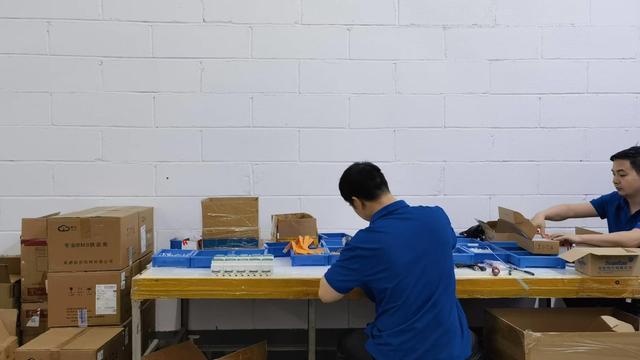
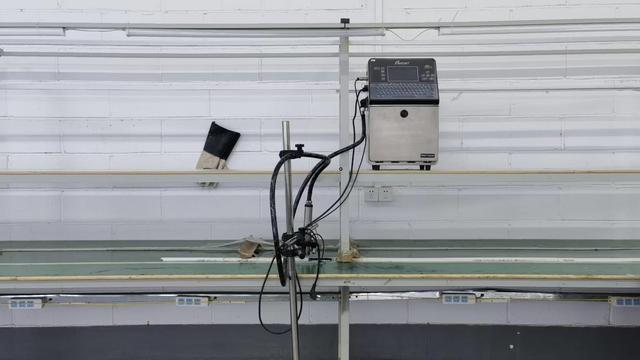
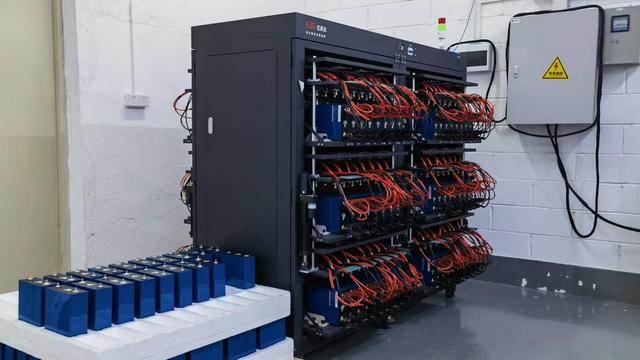
The company is committed to delivering safe, efficient, and scalable energy storage solutions tailored to the needs of modern energy users. Its engineering team works closely with customers, project developers, EPC contractors, and energy service providers to design systems that align with specific operational requirements, performance objectives, and regulatory standards. From project planning and system design to manufacturing and technical support, CCSC Energy offers comprehensive services throughout the project lifecycle.
Equipped with advanced manufacturing facilities and stringent quality management processes, the company emphasizes product reliability, operational safety, and long-term performance. Continuous investment in research and development enables CCSC Energy to integrate intelligent monitoring technologies, advanced battery management systems, and smart energy control platforms into its solutions.
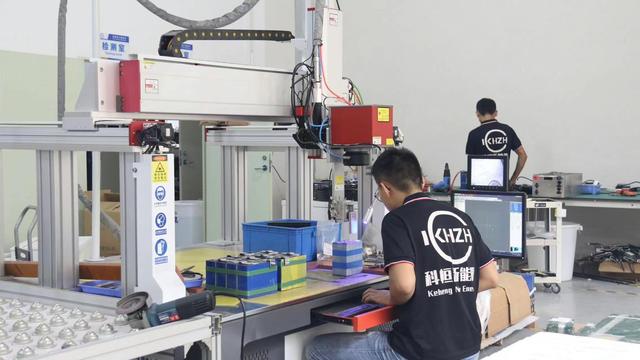
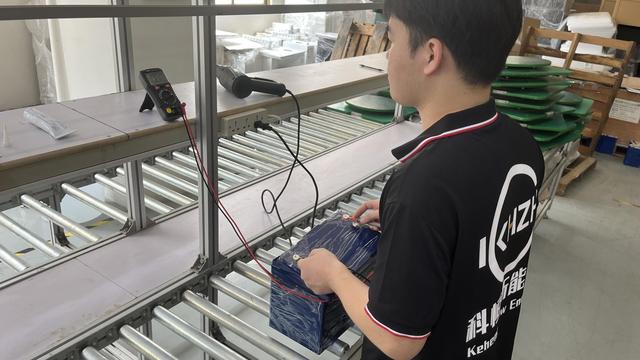
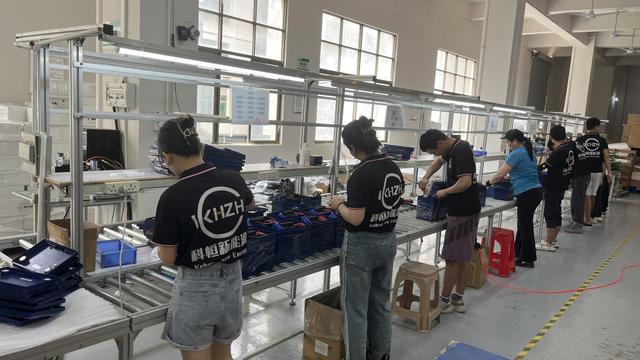
Serving customers across Asia, Europe, North America, South America, the Middle East, and other global markets, Hangzhou CCSC Energy Co., Ltd. is dedicated to providing innovative energy storage solutions that support renewable energy adoption, strengthen power resilience, and contribute to a more efficient and sustainable energy future.
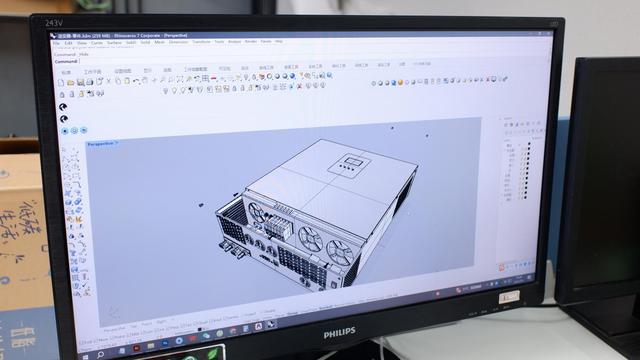
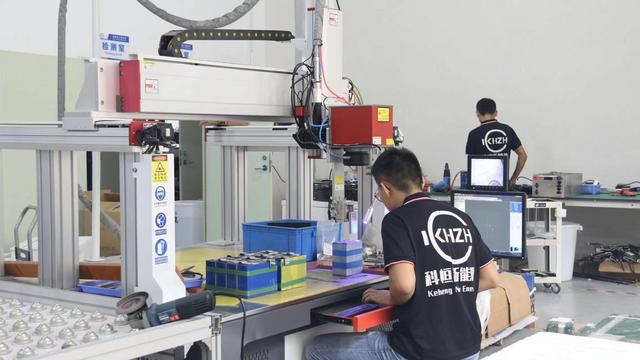
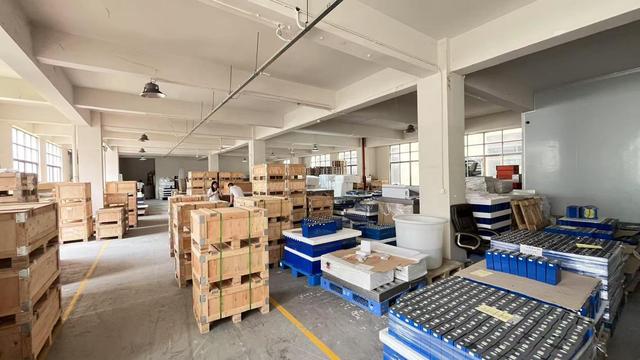
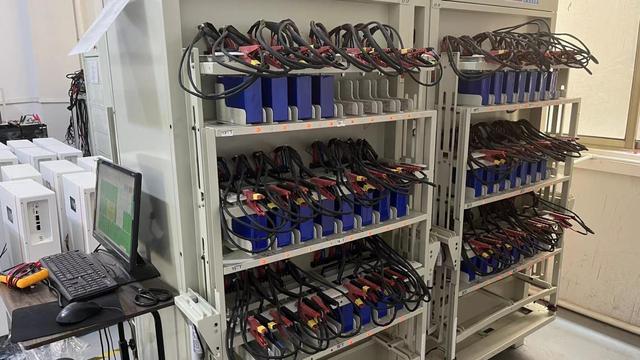
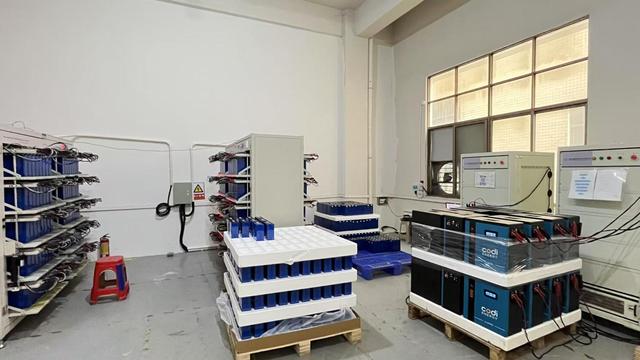
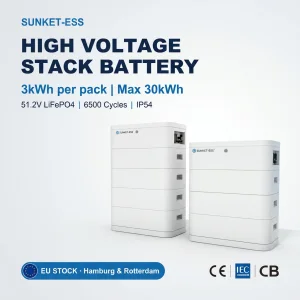
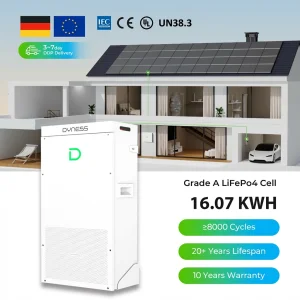
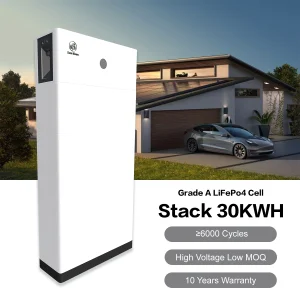
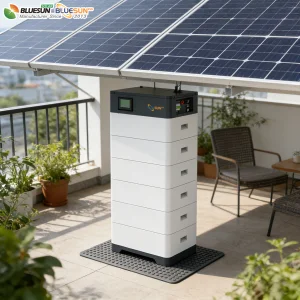
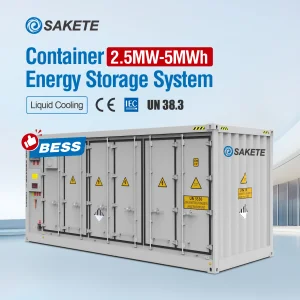
Explore our highly integrated systems, optimized from residential backups to containerized wind/solar grid stabilization projects.
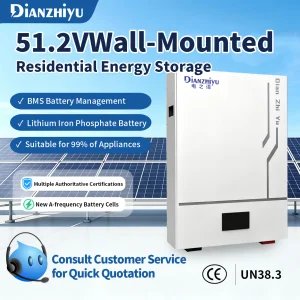
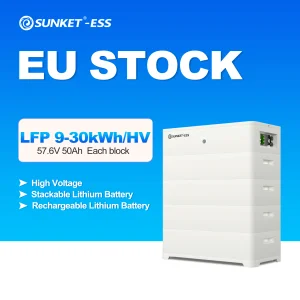
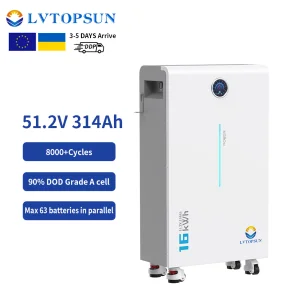
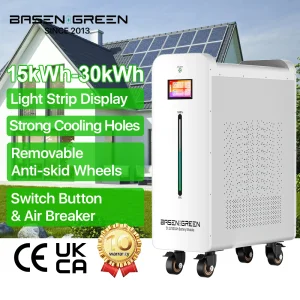
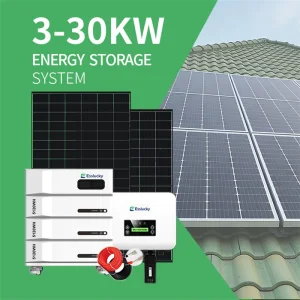
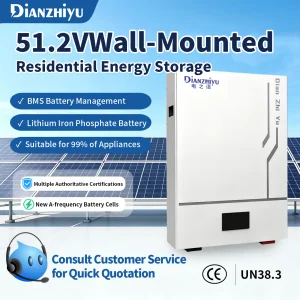
Connecting energy storage systems to GRIDCo or ECG infrastructures requires absolute compliance with national electrical grid standards. Any utility-tied hardware must align with the Ghanaian Energy Commission Grid Code rules regarding voltage deviations, frequency stability, and reactive power contribution.
Our factory BESS systems are fully integrated with smart communication capabilities (CAN Bus, Modbus, and RS485 protocols), allowing full compatibility with local utility monitoring nodes. Furthermore, our units boast international compliance flags (including IEC 62619, CE, UN38.3, UL 9540A), guaranteeing a seamless approval pathway from local electrical inspectors.
By establishing close partnerships with local EPC contractors and installation engineers across Accra, Kumasi, and Takoradi, Hangzhou CCSC Energy Co., Ltd. ensures that on-ground system commissioning is supported by technical experts who understand the realities of West Africa's climate and utility parameters.
Key technical and financial questions answered by our system engineering team.
Our containerized and C&I cabinet BESS systems utilize intelligent temperature control architectures. Liquid-cooled variants ensure cell temperature variance is maintained under 3°C, preventing local cell degradation, while outdoor IP65-rated split battery models incorporate physical shielding designed to isolate internal cell modules from direct tropical radiation.
Yes. Our inverters and energy management components conform to standard IEC 61727 (Utility Interface of Utility-Connected Photovoltaic Systems) and IEC 62116 (Active Islanding Prevention Measures), which are accepted globally and fulfill the safety requirements for grid integration set out by the Energy Commission of Ghana.
Our LFP chemistry batteries are engineered for 6,000 to 12,000 cycles (depending on standard charge/discharge parameters and operational depth of discharge). In typical C&I peak-shaving applications where the system undergoes 1 to 1.5 cycles per day, the expected operating lifetime exceeds 10 to 15 years, covered by our comprehensive manufacturer warranty.
Yes, our Smart Energy Management Systems (EMS) dynamically track current load requirements at the grid connection point. If generation exceeds consumption, the EMS limits solar inverter output or routes excess power into battery storage, preventing unauthorized power feedback into ECG lines.
 CCSC Energy