Engineered for high thermal resilience, peak shaving capabilities, and seamless integration with the Australian national electricity market (NEM).
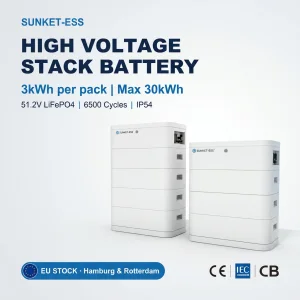
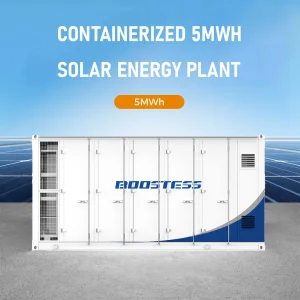
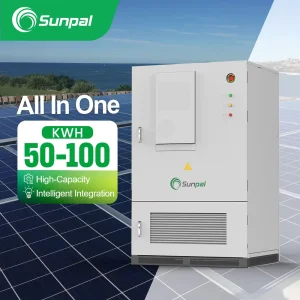
The transition of New South Wales (NSW) away from coal-fired generation has triggered unprecedented challenges in grid stability, frequency regulation, and power quality. For commercial, industrial (C&I), and utility stakeholders in Sydney, managing electricity costs requires more than simple solar generation; it demands intelligent, highly responsive grid-tied energy storage systems (BESS). With rising peak network charges (kVA demand tariffs) imposed by distributors like Ausgrid, Endeavour Energy, and Essential Energy, local enterprises are turning to containerized and cabinet-based lithium-ion systems to shave load peaks and secure power continuity.
Our grid-tied energy storage solutions are built to satisfy the complex regulatory landscape of the Australian National Electricity Market (NEM). By integrating battery systems that offer microsecond-level response times, businesses in Western Sydney’s industrial hubs and Central Business Districts can participate in Virtual Power Plants (VPPs) and Frequency Control Ancillary Services (FCAS), converting an operational cost center into a resilient, revenue-generating asset.
Securing grid connection approvals in the Sydney metropolitan area requires strict adherence to DNSP network codes. Essential design attributes include:
Understanding the hardware, thermodynamic engineering, and control system topology that drives modern utility-grade storage.
Utilizing high-capacity, Tier-1 LiFePO4 cells. Advanced aerosol fire suppression, multi-layered physical barrier partitions, and cell-level temperature monitoring ensure safety parameters exceed UL 9540A requirements.
For Sydney’s extreme summer heatwaves (often exceeding 40°C in Western Sydney), our liquid-cooled containers preserve cell lifespan and minimize capacity degradation, maintaining a delta-T of less than 3°C across the pack.
Smart Energy Management Systems equipped with Modbus TCP/IP, CAN bus, and DNP3 protocols. Seamlessly communicates with local third-party VPP aggregators for automated demand-response dispatches.
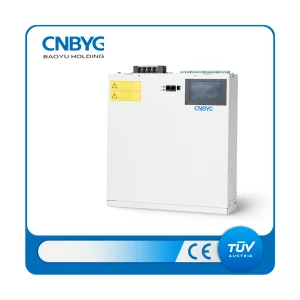
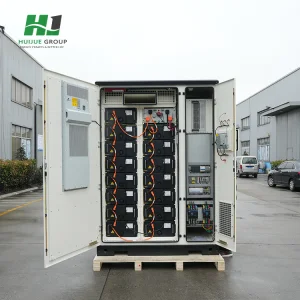
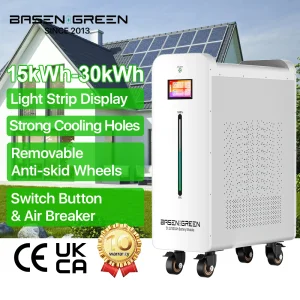
Addressing grid stress and reducing high energy costs for critical Sydney infrastructure.
For cold storage, manufacturing plants, and large shopping centers in New South Wales, demand charges can constitute up to 50% of the total monthly electricity bill. A grid-tied BESS system monitors the utility supply connection point. When electricity consumption spikes near a predetermined peak load limit, the BESS discharges instantly to absorb the peak, capping demand fees and shifting energy consumption from expensive peak hours to low-cost off-peak windows.
Commercial-scale solar installations face grid constraints, output curtailment, and negative export tariffs during peak midday solar generation. Integrating our grid-tied energy storage systems allows operators to store excess solar energy and release it back to the grid when prices are high, or use it for self-consumption during the late afternoon peak, stabilizing generation profiles.
Sydney is the primary data center hub of the Southern Hemisphere. Power reliability is critical. Our industrial energy storage containers provide double protection:
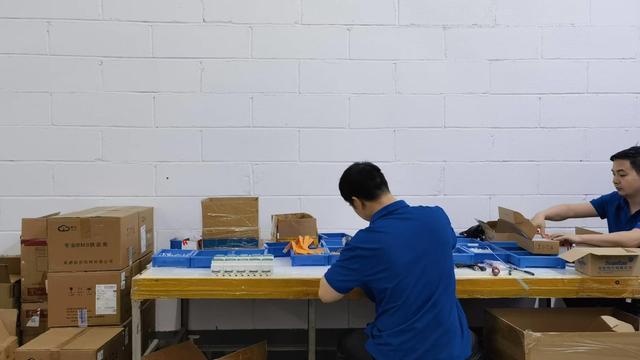
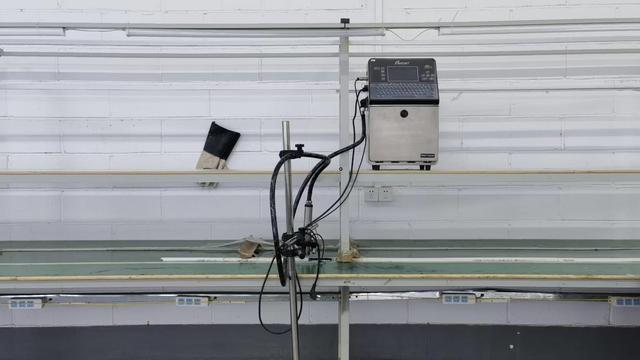
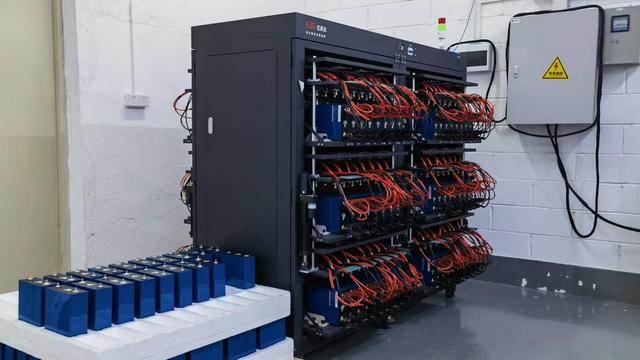
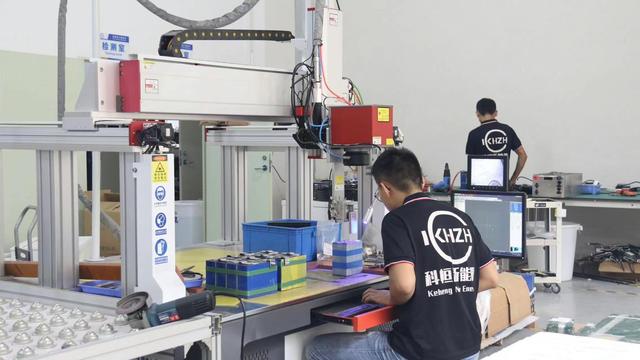
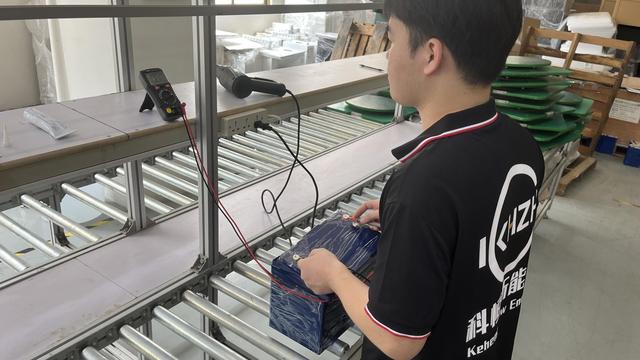
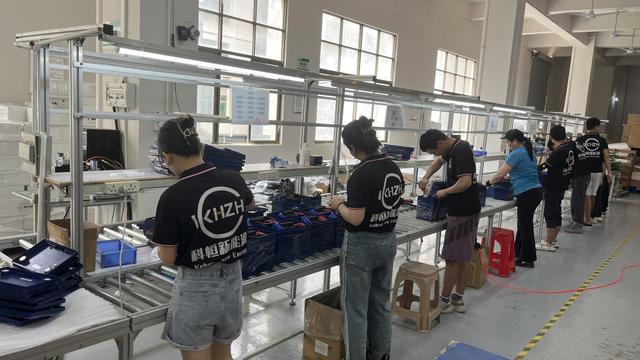
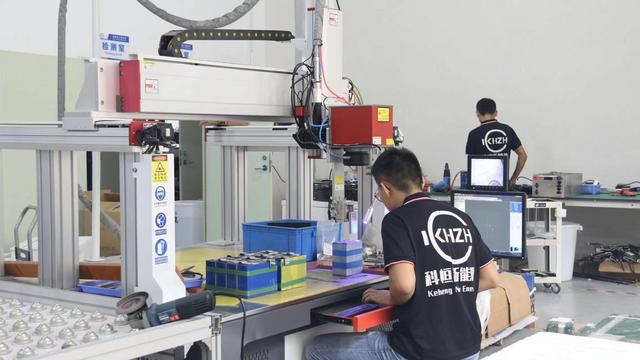
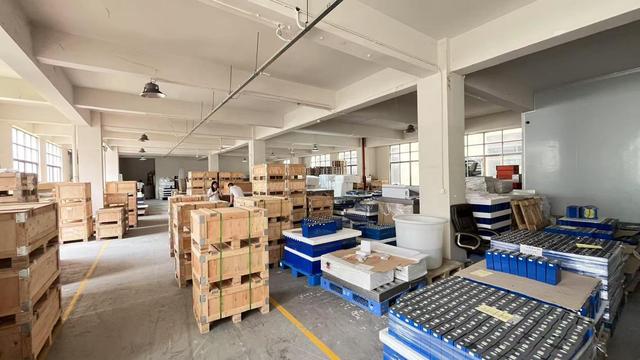
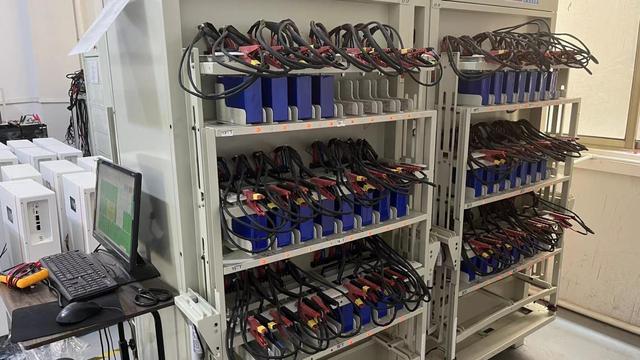
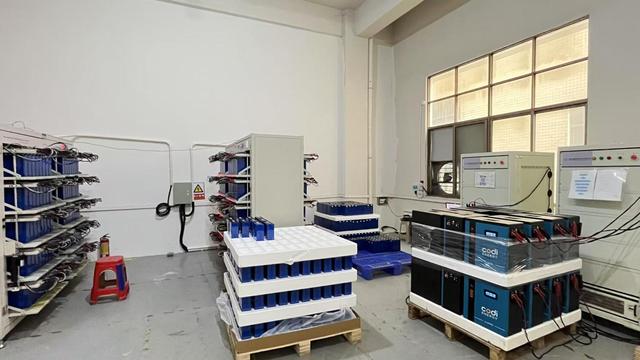
Operating out of our advanced production facility in Hangzhou, China, CCSC Energy leverages Factory 4.0 processes to guarantee product reliability. By implementing fully automated cell-sorting, module assembly, and high-voltage testing lines, we eliminate human assembly errors and maintain absolute manufacturing consistency. Each battery module undergoes extensive charge-discharge thermal cycling, diagnostic insulation checks, and vibration testing before enclosure assembly.
Our direct access to the global lithium-ion supply chain enables us to source premium Tier-1 A-grade LFP cells. Combined with our vertically integrated R&D processes, this translates to shorter production lead times, superior pricing structures, and highly customized engineering capabilities for Sydney exporters and EPC contractors who demand custom mechanical, thermal, or electrical configurations.
Hangzhou CCSC Energy Co., Ltd. is a professional Energy Storage System Manufacturer specializing in battery energy storage, renewable power integration, and smart energy solutions for residential, commercial, industrial, and utility-scale applications. Based in Hangzhou, China, the company focuses on developing advanced energy storage technologies that help customers improve energy efficiency, enhance power reliability, and support the transition toward sustainable energy systems.
With expertise in energy storage engineering and system integration, CCSC Energy provides comprehensive solutions covering battery energy storage systems (BESS), renewable energy storage integration, commercial and industrial energy storage, backup power systems, microgrid applications, distributed energy infrastructure, and intelligent energy management platforms. Its solutions are designed to support a wide range of applications, including solar energy utilization, peak demand management, grid stabilization, emergency power supply, and energy cost optimization.
The company is committed to delivering safe, efficient, and scalable energy storage solutions tailored to the needs of modern energy users. Its engineering team works closely with customers, project developers, EPC contractors, and energy service providers to design systems that align with specific operational requirements, performance objectives, and regulatory standards. From project planning and system design to manufacturing and technical support, CCSC Energy offers comprehensive services throughout the project lifecycle.
Equipped with advanced manufacturing facilities and stringent quality management processes, the company emphasizes product reliability, operational safety, and long-term performance. Continuous investment in research and development enables CCSC Energy to integrate intelligent monitoring technologies, advanced battery management systems, and smart energy control platforms into its solutions.
Serving customers across Asia, Europe, North America, South America, the Middle East, and other global markets, Hangzhou CCSC Energy Co., Ltd. is dedicated to providing innovative energy storage solutions that support renewable energy adoption, strengthen power resilience, and contribute to a more efficient and sustainable energy future.
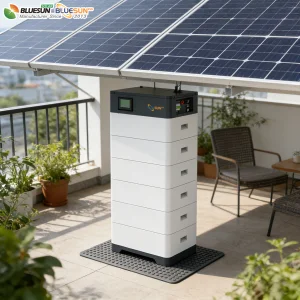
Explore our highly integrated systems designed for various residential, commercial, and microgrid deployments in Sydney.
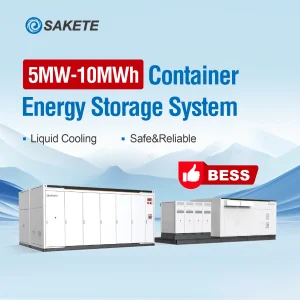
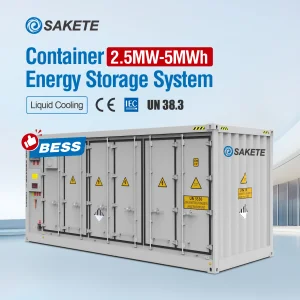
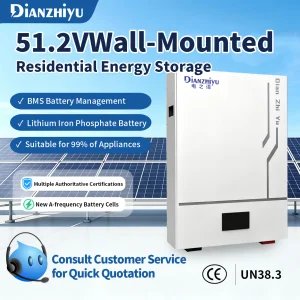
Providing direct answers to essential engineering, grid connection, and regulatory queries for the Australian market.
 CCSC Energy