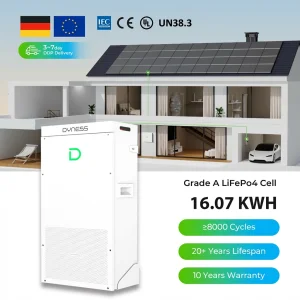
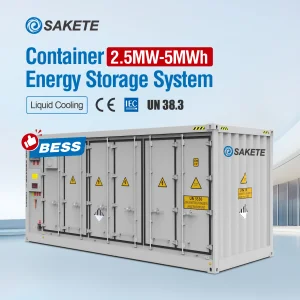
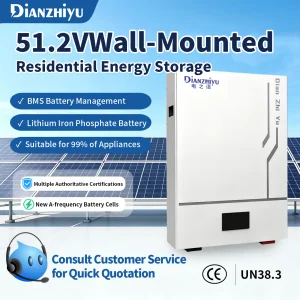
Highly efficient, tier-1 lithium storage solutions specifically manufactured to endure high-altitude grid conditions and frequent load shifts in Nepal.
Nepal’s energy sector is undergoing a profound structural shift. Historically dependent on Run-of-River (RoR) hydropower plants, the domestic electrical grid of the Nepal Electricity Authority (NEA) experiences severe seasonal generation variations. While there is surplus power during the wet monsoon season, the dry winter season witnesses a significant fall in output, requiring imports from neighboring countries or reliance on standby diesel generators for local commercial and industrial (C&I) sectors.
In industrial belts such as the Birgunj-Pathlaiya corridor, Biratnagar, and Bhairahawa, power quality issues—including micro-outages, voltage sags, and frequency fluctuations—threaten automated production lines. Integrated Grid-Tied Energy Storage Systems (BESS) serve as the ultimate system balancer. By absorbing surplus power during peak generation or low-tariff hours and releasing it during peak demand, industrial installations can achieve energy self-sufficiency, optimize peak-load pricing, and guarantee power quality.
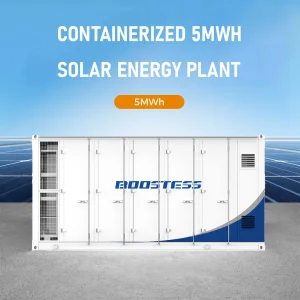
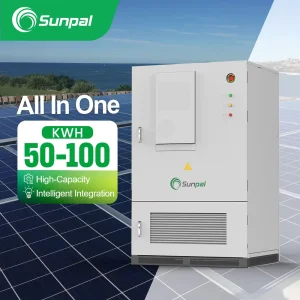
From containerized megawatt systems for large remote mining operations to compact wall-mounted configurations for commercial offices in Pokhara and Lalitpur.
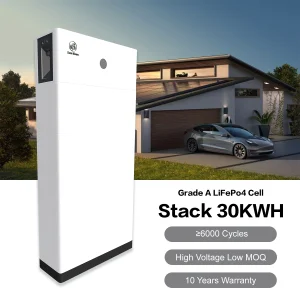
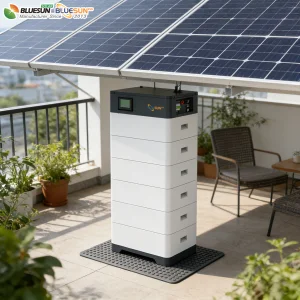
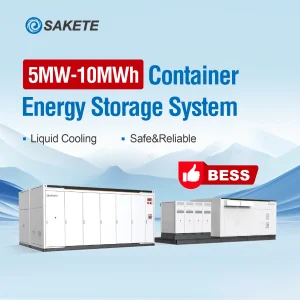
Integrating solar generation, power distribution networks, and battery packs requires engineered solutions designed for remote logistics, high elevation, and variable temperatures.
Many industrial operations in Nepal suffer from low power factor penalties and harmonic distortions caused by non-linear inductive machinery. By deploying an Active Harmonic Filter (AHF) and Static Var Generator (SVG) combined with BESS, factories can dynamically stabilize grid voltage, optimize load profiles, and eliminate utility penalties.
Altitudes in Kathmandu (1,400m) and northern Himalayan districts demand thermal and insulation modifications. At higher altitudes, air density decreases, lowering cooling efficiency. Our engineering team incorporates advanced liquid cooling systems and high-altitude electrical insulation clearances to maintain BESS integrity.
Our cloud-connected Energy Management System (EMS) supports CAN, RS485, and Modbus TCP protocols. This allows real-time operational visibility from Kathmandu or overseas headquarters. Pre-programmed profiles manage peak-shaving, load-shifting, and black-start commands automatically.
Hangzhou CCSC Energy Co., Ltd. is a professional Energy Storage System Manufacturer specializing in battery energy storage, renewable power integration, and smart energy solutions for residential, commercial, industrial, and utility-scale applications. Based in Hangzhou, China, the company focuses on developing advanced energy storage technologies that help customers improve energy efficiency, enhance power reliability, and support the transition toward sustainable energy systems.
With expertise in energy storage engineering and system integration, CCSC Energy provides comprehensive solutions covering battery energy storage systems (BESS), renewable energy storage integration, commercial and industrial energy storage, backup power systems, microgrid applications, distributed energy infrastructure, and intelligent energy management platforms. Its solutions are designed to support a wide range of applications, including solar energy utilization, peak demand management, grid stabilization, emergency power supply, and energy cost optimization.
The company is committed to delivering safe, efficient, and scalable energy storage solutions tailored to the needs of modern energy users. Its engineering team works closely with customers, project developers, EPC contractors, and energy service providers to design systems that align with specific operational requirements, performance objectives, and regulatory standards. From project planning and system design to manufacturing and technical support, CCSC Energy offers comprehensive services throughout the project lifecycle.
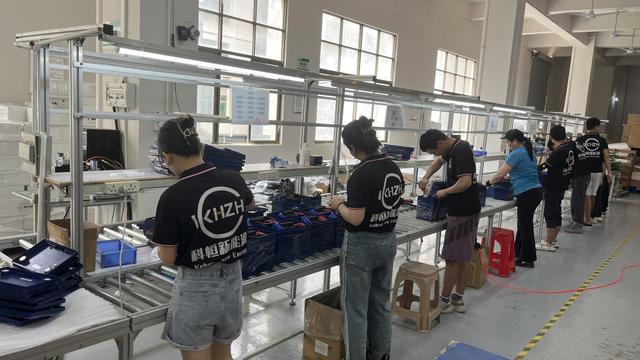
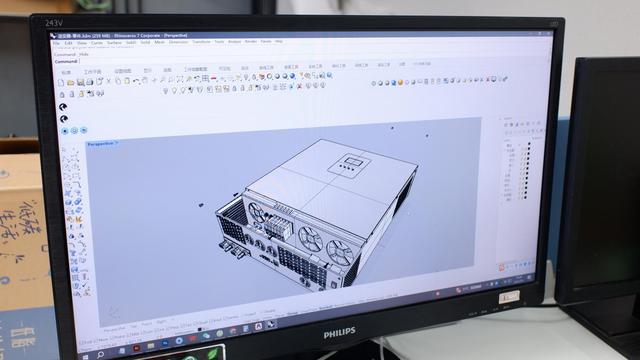
Equipped with advanced manufacturing facilities and stringent quality management processes, the company emphasizes product reliability, operational safety, and long-term performance. Continuous investment in research and development enables CCSC Energy to integrate intelligent monitoring technologies, advanced battery management systems, and smart energy control platforms into its solutions.
Serving customers across Asia, Europe, North America, South America, the Middle East, and other global markets, Hangzhou CCSC Energy Co., Ltd. is dedicated to providing innovative energy storage solutions that support renewable energy adoption, strengthen power resilience, and contribute to a more efficient and sustainable energy future.
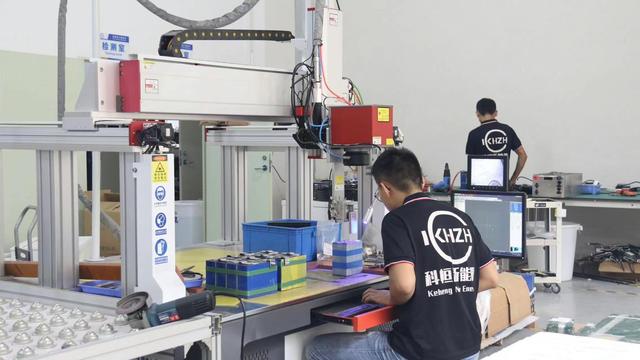
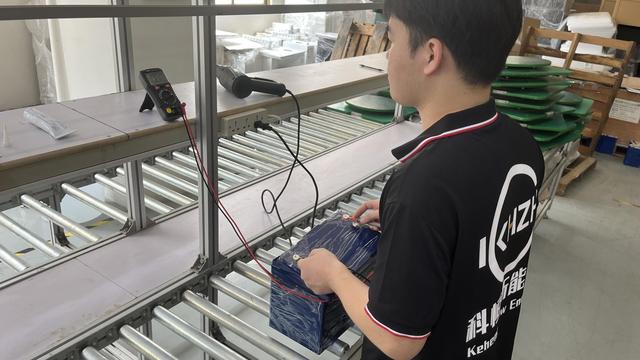
All lithium battery packs are assembled using Class-A LiFePO4 cells. Systems undergo comprehensive end-of-line (EOL) testing including high-rate charge/discharge tests, thermal cycle validation, and BMS protection response mapping prior to shipment.
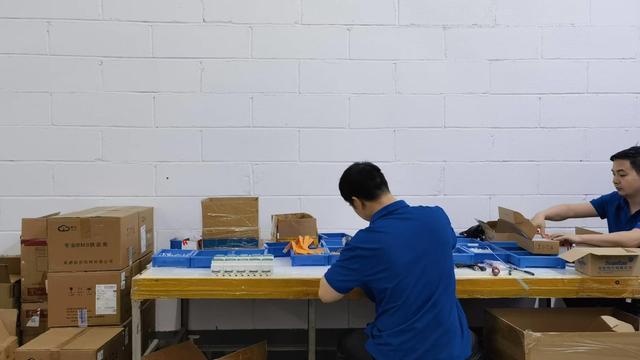
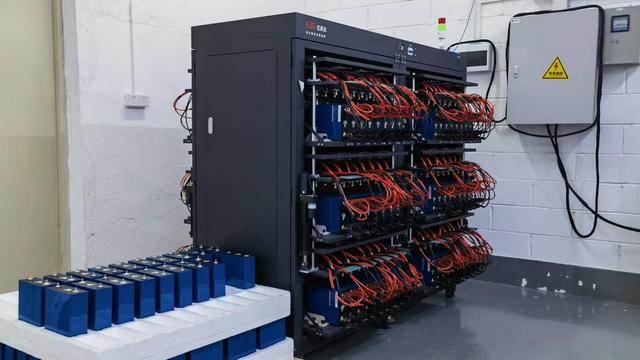
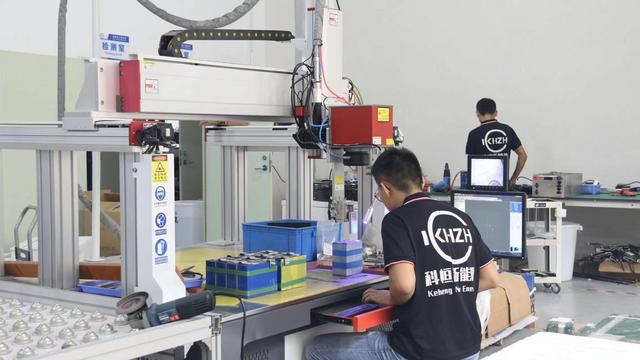
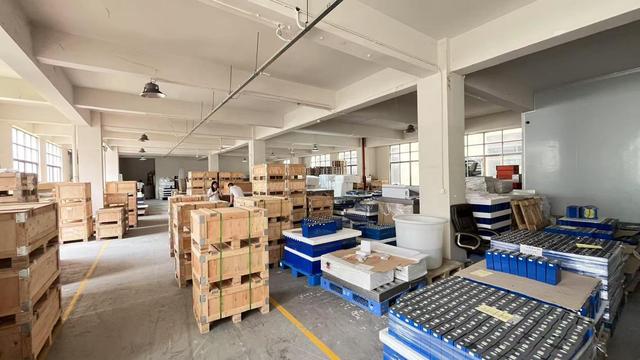
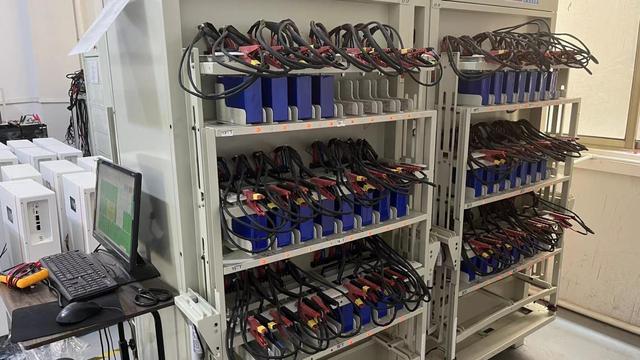
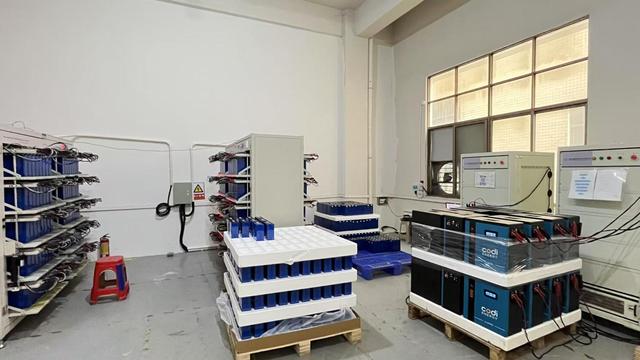
Sourcing heavy industrial BESS containers and high-voltage battery cabinets for deployment in Nepal presents unique logistical considerations. As a landlocked country, transport routes must be planned carefully to ensure equipment safety and minimize customs delays at border checkpoints.
For large-scale battery containers (20ft and 40ft BESS), cargo is typically shipped via ocean freight from Chinese ports (such as Shanghai or Ningbo) to the Port of Kolkata or Haldia in India. From there, systems are transported by road or rail via the Birgunj Inland Clearance Depot (ICD) directly into Nepal.
For urgent commercial battery modules and micro-grid control cabinets, overland routes through the Keyrung (Rasuwa Gadhi) or Tatopani border crossing points offer shorter transit times directly from Tibet into Nepal.
The Government of Nepal periodically offers customs duty subsidies and VAT exemptions for registered renewable energy imports, particularly solar batteries and grid-tied inverters certified by the Alternative Energy Promotion Centre (AEPC). CCSC Energy provides all necessary documentation, including UN38.3 test reports, MSDS, CE/IEC certificates, and origin declarations, to facilitate smooth customs clearance.
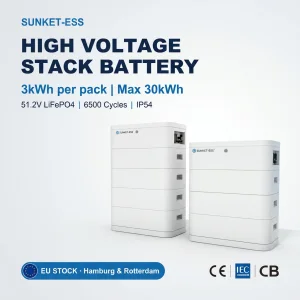
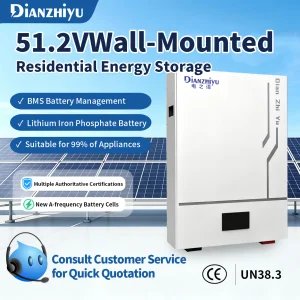
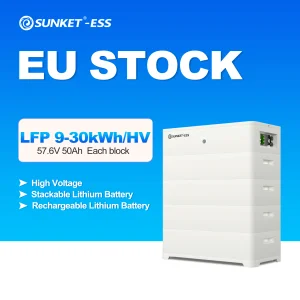
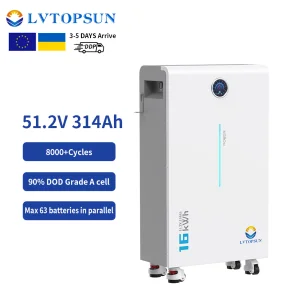
Deploy reliable, high-performance battery systems with long design lives, suitable for grid-tied and hybrid setups across Nepal.
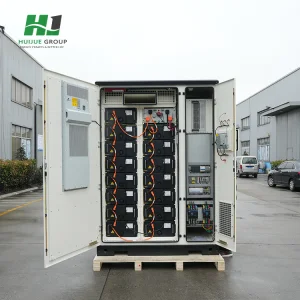
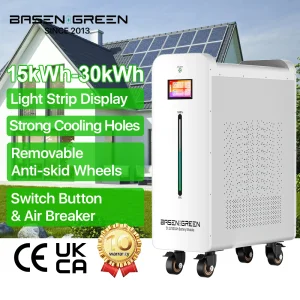
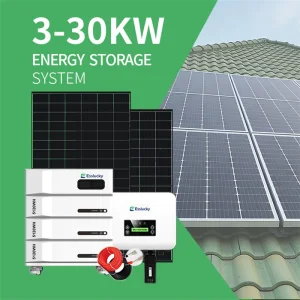
To match the modernizing infrastructure goals of Nepal’s Ministry of Energy, Water Resources and Irrigation, energy storage must progress toward higher round-trip efficiencies, longer lifecycles, and advanced digitalization.
By aggregating multiple solar arrays and distributed battery systems across regional networks, operators can form a Virtual Power Plant (VPP). This structure allows participating C&I installations to inject power back into the NEA grid during system drops, generating a secondary revenue stream through net-metering schemes.
Liquid-cooling systems ensure uniform temperatures across battery cells (typically keeping variance within ±2°C). This thermal stability helps extend the operational lifespan of energy storage installations, particularly in warmer lowland industrial zones like the Terai plains.
Integrating machine learning into local EMS platforms enables predictive energy dispatching based on weather forecasts, historical load patterns, and real-time NEA tariff schedules. This active optimization helps maximize investment returns for commercial BESS users.
Clear, technically accurate answers to common engineering, logistics, and operational questions regarding commercial energy storage systems.
High elevations (above 1,500m) feature less dense air, which reduces natural convection and cooling efficiency. For electronics, altitude-induced voltage derating is typically applied. CCSC Energy designs customized enclosure ventilation and liquid-cooling pathways for highland deployment to ensure stable operating temperatures for our LiFePO4 modules.
Yes. Our systems feature high-performance hybrid grid-tied inverters and power conversion systems (PCS) with wide input voltage tolerances. We also offer options for integrating Active Harmonic Filters (AHF) and Static Var Generators (SVG) to protect sensitive machinery from voltage sags and harmonics.
Our standard LiFePO4 cells are rated for up to 6,000 to 12,000 cycles at 80% Depth of Discharge (DoD) under controlled temperatures. We offer a standard 10-year warranty on industrial-grade modules, backed by active remote monitoring through our cloud-based EMS platform.
We coordinate shipping through major shipping lines to the port of Kolkata, India. From there, cargo is routed by rail or road container trailer to the dry ports at Birgunj, Biratnagar, or Chobhar (Kathmandu) in Nepal. We provide comprehensive documentation to assist with customs clearance and local compliance.
Yes. Our BESS configurations can be equipped with grid-forming inverters. During a utility grid failure, the system can initiate a black-start, creating a localized grid to power critical operations or factory lines independently.
Return on investment is calculated based on three primary factors: peak-shaving savings (reducing maximum demand charges from the NEA), solar self-consumption optimization, and diesel fuel displacement. Many of our industrial clients project full system payback within 4 to 6 years of continuous operation.
 CCSC Energy