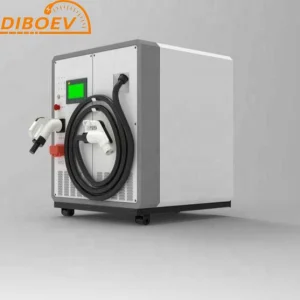
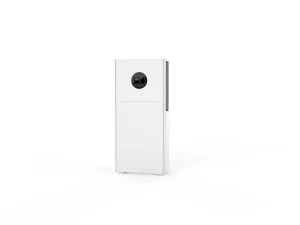
Cutting-edge thermal management, safety-first battery systems, and dynamic fast-charging nodes for critical commercial infrastructures.
Understanding the technical drivers behind the rapid deployment of integrated battery systems in the Iberian energy market.
In Spain, commercial and industrial enterprises operate under complex electricity access tariffs (specifically 2.0TD, 3.0TD, and 6.XTD for high-voltage networks). The término de potencia—a fixed cost charged based on the contracted maximum capacity—represents a substantial operational expense. Installing high-power DC fast-charging terminals (50kW to 350kW) without localized battery storage can skyrocket these contracted capacity charges.
By deploying integrated Battery Energy Storage Systems (BESS) co-located with EV chargers, Spanish enterprises can bypass network upgrades. Peak-shaving algorithms intelligently feed stored battery power into the charging terminal during transient vehicle connections, enabling ultra-fast charging under moderate, cost-optimized network contracts.
Spain has achieved phenomenal photovoltaic (PV) generation capacity. However, high solar penetration has triggered midday price cannibalization on the wholesale market (OMIE pool price drop) and rising grid curtailments. C&I solar self-consumption (Autoconsumo Industrial) is highly efficient, but grid export restrictions limit its financial viability.
Integrating battery systems allows local storage of midday solar overproduction. This green energy can then be dispatched to charge fleet vehicles during late afternoon peak tariff windows, converting potential solar curtailment into direct mobility fuel with near-zero transmission losses.
How co-located battery infrastructures stabilize regional transmission networks and open new revenue streams.
Modern integration setups rely on advanced grid-forming converters instead of basic grid-following topologies. These control systems maintain voltage and frequency stability, providing virtual inertia to isolated microgrids or weak distribution networks across industrial zones in regions like Andalusia or Aragon.
With real-time energy price volatility, dual-purpose battery storage can participate in ancillary services, such as Fast Frequency Response (FFR) and arbitrage. Systems charge from the grid when energy prices drop below zero and discharge during maximum demand, creating a highly profitable multi-use setup.
Transitioning from traditional 400V low-voltage battery architectures to high-voltage (800V to 1000V DC) bus configurations dramatically reduces I²R copper losses. It simplifies the integration of fast chargers and high-output solar arrays, securing high round-trip system efficiency.
As a global pioneer in professional energy storage manufacturing based in the technology cluster of Hangzhou, China, Hangzhou CCSC Energy Co., Ltd. delivers unparalleled vertical integration benefits to European and global markets.
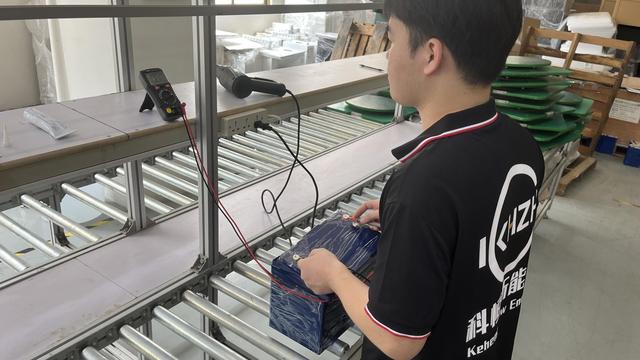
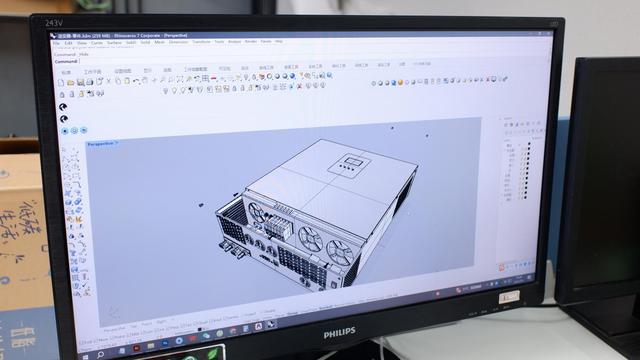
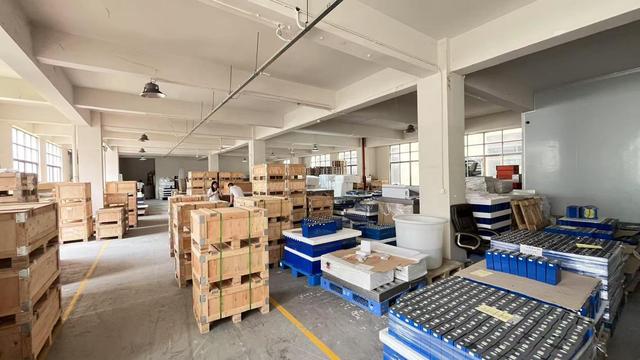
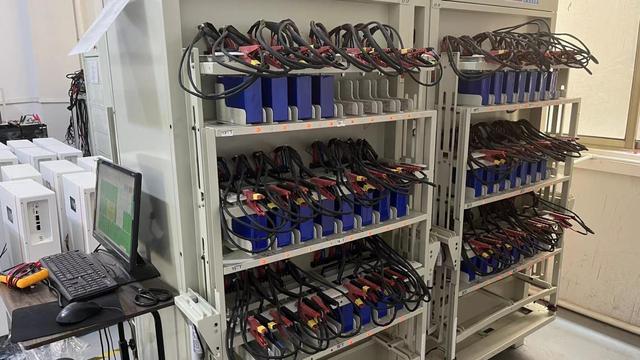
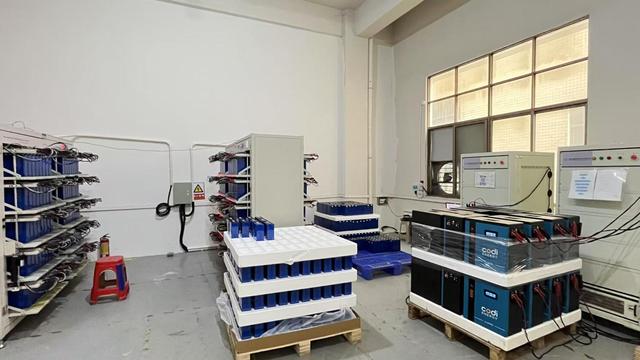
By sourcing raw components and tier-1 lithium iron phosphate (LiFePO4) cells within Zhejiang's advanced supply chain cluster, CCSC Energy guarantees rapid structural customization and superior quality management. From initial project engineering and advanced BMS software design to structural thermal modeling (air-cooling and liquid-cooling), we ensure robust products that strictly comply with Spanish and European certification standards, including CE, UNE 217001, UNE 217002, and EN 50549.
Real-world applications of integrated EV charging and battery storage across Spain’s key logistics and metropolitan zones.
Heavy transport routes linking Mediterranean ports to Central Europe require high-power DC charging stations. Our containerized liquid-cooled systems (up to 216kWh or megawatt scales) buffer grid power, allowing multi-megawatt freight charging without overloading rural grid points.
Urban industrial parks face strict caps on grid capacity expansions. Co-locating 100kWh–200kWh battery units with wallboxes allows logistics vehicles and employee transport networks to fast-charge during shifts without crossing threshold limits, avoiding heavy penalty tariffs.
In areas like inland Spain or the Balearic Islands, rural grid connections can be limited. Integrating all-in-one ESS with hybrid PV allows local businesses and hospitality providers to offer EV charging services powered directly by off-grid solar-battery setups.
Evaluating the performance metrics of different integrated systems in standard Spanish climate conditions.
| System Architecture | Cooling Technology | Optimal Discharge Rate | Round-Trip Efficiency (RTE) | Recommended Use Case |
|---|---|---|---|---|
| Air-Cooled Containerized ESS (60-100kWh) | Forced Air Ventilation | 0.5C - 1C | > 86% | Intermittent fleet depots, mild climates |
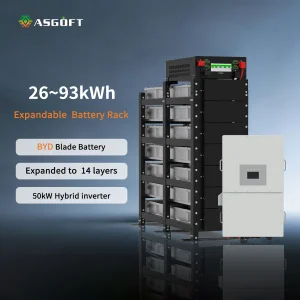
| Liquid-Cooled Modular BESS (100-216kWh) | Liquid Glycol Loop | 1C - 2C | > 92% | High-frequency public fast charging, hot climates |
| All-in-One Cabinet (30-40kWh ESS + 40kW Charger) | Hybrid Cooling | 1C | > 88% | C&I offices, medium commercial fleets |
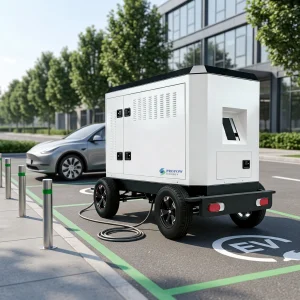
| Off-Grid Solar-Storage Trailer System | Active Fan Cooling | 0.5C | > 85% | Temporary event sites, remote highway assistance |
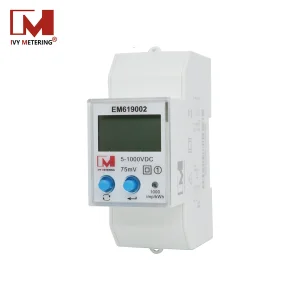
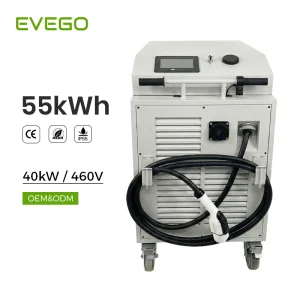
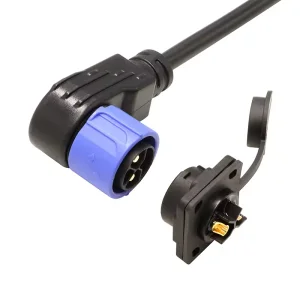
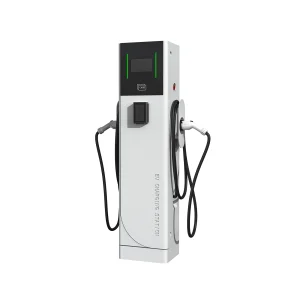
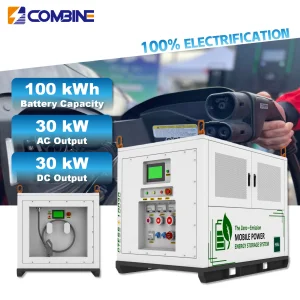
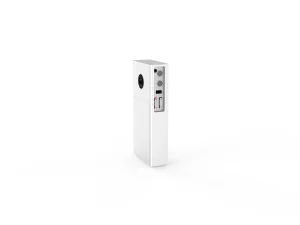
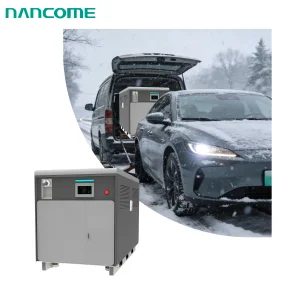
Explore our complete range of certified energy storage products, diagnostic tools, and EV infrastructure hardware.
Evaluating the safety standards, design trends, and certification frameworks for European clean energy projects.
European EPC (Engineering, Procurement, and Construction) contractors must demand strict structural and safety compliance when sourcing high-power equipment:
The integration of charging networks and stationary battery storage is evolving rapidly, driven by three key technological shifts:
Expert answers on grid regulations, thermal design, and system engineering for Spanish projects.
Hangzhou CCSC Energy Co., Ltd. is a professional Energy Storage System Manufacturer specializing in battery energy storage, renewable power integration, and smart energy solutions for residential, commercial, industrial, and utility-scale applications. Based in Hangzhou, China, the company focuses on developing advanced energy storage technologies that help customers improve energy efficiency, enhance power reliability, and support the transition toward sustainable energy systems.
With expertise in energy storage engineering and system integration, CCSC Energy provides comprehensive solutions covering battery energy storage systems (BESS), renewable energy storage integration, commercial and industrial energy storage, backup power systems, microgrid applications, distributed energy infrastructure, and intelligent energy management platforms. Its solutions are designed to support a wide range of applications, including solar energy utilization, peak demand management, grid stabilization, emergency power supply, and energy cost optimization.
The company is committed to delivering safe, efficient, and scalable energy storage solutions tailored to the needs of modern energy users. Its engineering team works closely with customers, project developers, EPC contractors, and energy service providers to design systems that align with specific operational requirements, performance objectives, and regulatory standards. From project planning and system design to manufacturing and technical support, CCSC Energy offers comprehensive services throughout the project lifecycle.
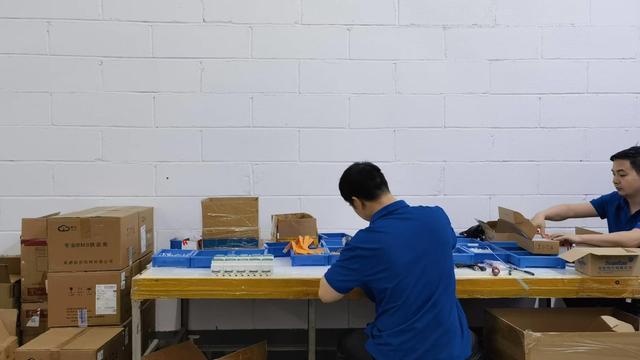
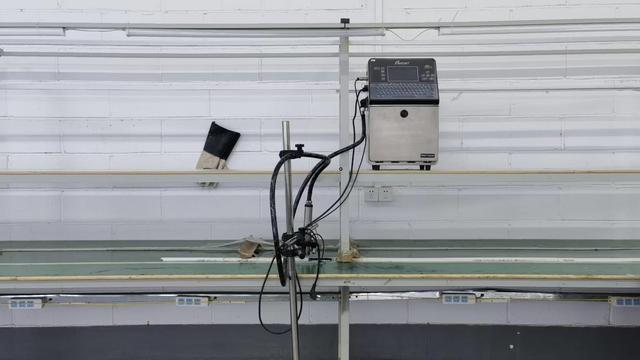
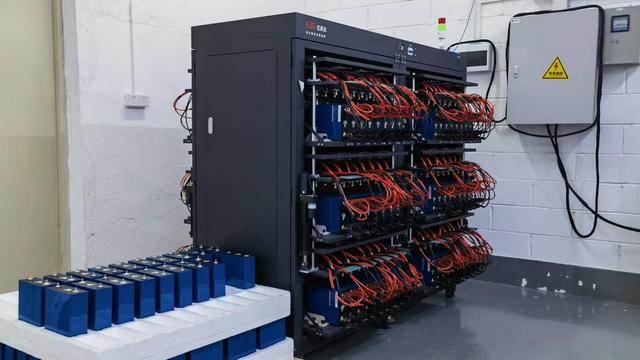
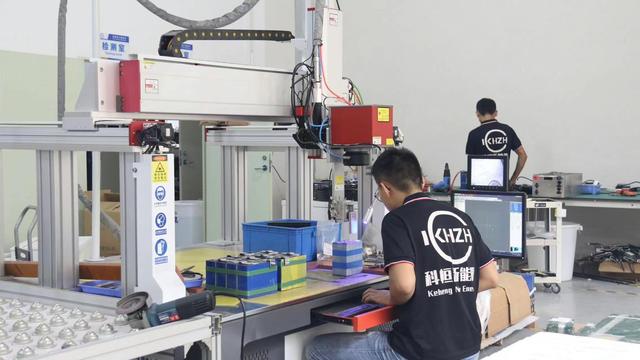
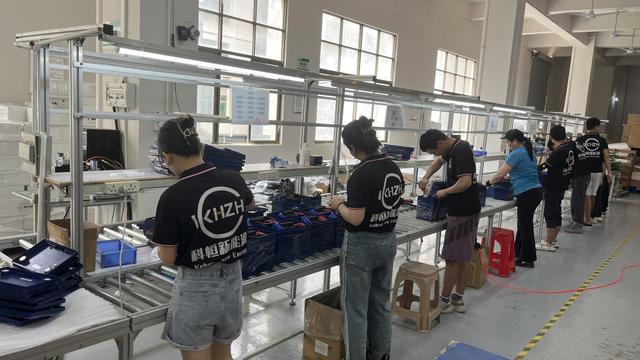
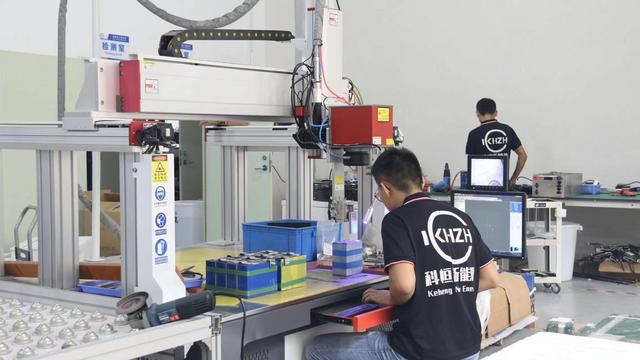
Equipped with advanced manufacturing facilities and stringent quality management processes, the company emphasizes product reliability, operational safety, and long-term performance. Continuous investment in research and development enables CCSC Energy to integrate intelligent monitoring technologies, advanced battery management systems, and smart energy control platforms into its solutions. Serving customers across Asia, Europe, North America, South America, the Middle East, and other global markets, Hangzhou CCSC Energy Co., Ltd. is dedicated to providing innovative energy storage solutions that support renewable energy adoption, strengthen power resilience, and contribute to a more efficient and sustainable energy future.
Connect with our technical engineers today for customized layouts, system engineering support, and bulk export quotes.
Send Inquiry Now CCSC Energy