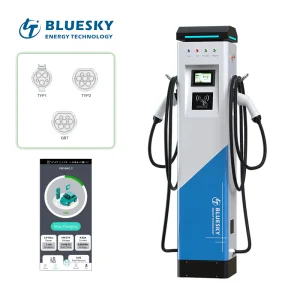
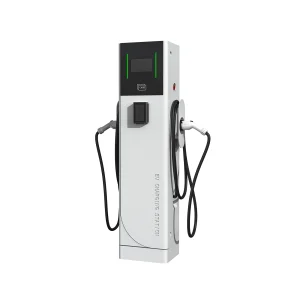
Pre-configured configurations engineered to meet the high voltage requirements and localized load conditions of Milanese infrastructures.
System Operating Reliability
Local European Standards Compliant
Uninterruptible UPS Switchover Time
Lifecycle Charge-Discharge Cycles
Milan, as Italy’s primary economic powerhouse and industrial capital, is facing unprecedented pressure on its urban distribution grid. The Lombardy electrical infrastructure is heavily constrained by historical layout limitations, where upgrading sub-stations and grid lines to meet the surging demands of electric vehicles (EVs) in commercial districts is either cost-prohibitive or physically impossible. ATM Milano's ambitious plans to transition the city's bus fleet to fully electric vehicles by 2030, coupled with local legislative bans on internal combustion engines, demand localized high-power infrastructure.
In central Milan (Area C and Area B zones), installing ultra-fast DC chargers (150kW to 360kW) without localized energy storage can lead to severe grid voltage drops, high demand charges ("corrispettivo di potenza"), and delays in commissioning. By integrating Battery Energy Storage Systems (BESS) directly at the charging node, operators can bypass local power capacity limits, store inexpensive off-peak energy, and support sustained high-speed charging without relying on grid upgrades.
Combining Solar Photovoltaic (PV), Energy Storage (BESS), and Dynamic EV Chargers into a Single Integrated Ecosystem.
Intelligent control algorithms dynamically buffer grid supply. When the cumulative EV charging load exceeds a pre-defined threshold, the energy storage system instantly discharges to cover the excess load, shielding the customer from high utility peak-demand charges.
Real-time coordination between EV charger outputs, current building loads, and the state-of-charge (SoC) of the battery bank. Energy is allocated dynamically based on vehicle demand priorities, assuring that vehicles are charged on schedule without ever tripping local breakers.
Advanced inverters support bidirectional energy transfer (V2G/V2H), allowing parked fleets to act as distributed virtual power plants (VPPs) that can provide ancillary frequency response services back to Terna, Italy's national grid operator.

On a global scale, the integration of energy storage and EV charging has graduated from a niche pilot design to a commercial necessity. Under the EU's Alternative Fuels Infrastructure Regulation (AFIR), member states must deploy charging infrastructure with defined power pools along the trans-European transport network (TEN-T) corridors, requiring substantial electrical capacity. The application of high-voltage battery storage systems acts as the primary enabler for meeting these requirements rapidly.
Additionally, with strict ESG metrics and corporate decarbonization mandates across European markets, industrial facilities are pairing rooftop solar arrays with localized lithium-iron-phosphate (LiFePO4) storage chemistry. This combined approach maximizes the Levelized Cost of Storage (LCOS) and enables 100% clean-energy charging, mitigating the carbon intensity associated with conventional grid-mix electricity.
Ensuring complete compliance with Italian grid connection codes, environmental conditions, and municipal regulations.
All integrated battery storage solutions and commercial hybrid systems are designed, assembled, and certified to meet the strict Italian electrotechnical committee standards. This includes low-voltage (CEI 0-21) and medium-voltage (CEI 0-16) requirements, guaranteeing seamless grid parallel operation and swift utility sign-off from Unareti or E-Distribuzione.
Our battery system containers utilize advanced liquid cooling systems and integrated multi-point aerosol fire suppression setups. They comply strictly with the Italian Fire Brigade (Vigili del Fuoco - VVF) guidelines for electrical energy storage systems, utilizing robust physical cell-to-cell thermal barriers.
Milan experiences seasonal extremes, from hot, humid summers to foggy, freezing winter nights. Our thermal management suites (available in both air-cooled and liquid-cooled configurations) maintain battery core temperatures within the optimal 20-30°C window to maximize system longevity and efficiency.
Tailored configurations deployed for specific logistical, urban, and commercial challenges across Lombardy.
Located near Linate Airport or the industrial rings of Milan, last-mile logistics providers are rapidly converting their delivery fleets to electric vans. Our 100kWh to 216kWh containerized EV charging energy storage systems are deployed to support continuous high-speed fleet charging overnight without taxing the municipal medium-voltage grid.
Commercial office parks in Porta Nuova and large shopping centers on the outskirts of Milan deploy integrated battery systems to capture solar energy produced during peak production hours. This stored power is then distributed to executive charging stalls during high-demand daytime intervals, keeping power draw below critical grid trip levels.
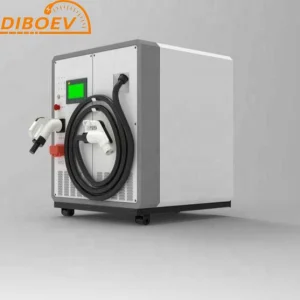
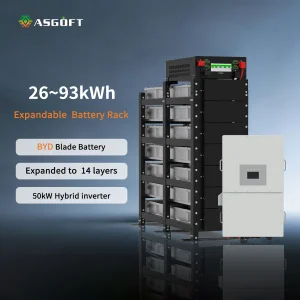
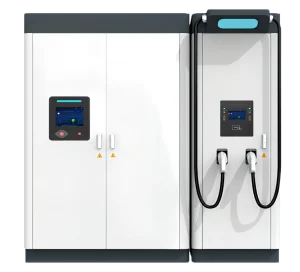
Large battery cabinets linked to multi-gun DC fast charging stations allow transport providers to handle heavy-vehicle fast charging schedules. By utilizing battery buffering, depots can run 150kW+ chargers on standard grid connections, managing charging priorities dynamically through cloud energy monitoring software.
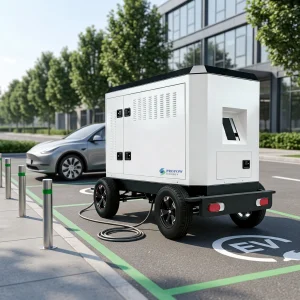
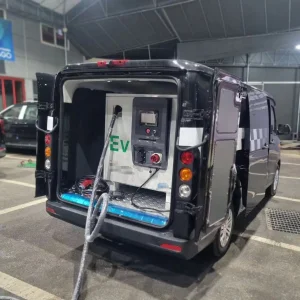
For Milan Design Week, trade shows at Fiera Milano, or construction zones, our mobile energy storage trailer systems provide instant high-power DC charging capabilities where grid access is completely absent or restricted, eliminating the need for polluting diesel generator units.
As EV charging capacity needs evolve from 150kW to high-power megawatt charging systems (MCS), the engineering underpinnings of storage systems must follow suit. The market is shifting from standard 400V battery architectures to high-voltage 800V and 1000V systems. This change decreases line current, reduces cabling weight and thermal losses, and enables ultra-fast charging rates.
Our long-term R&D roadmap focuses on the adoption of high-voltage LiFePO4 chemistry and liquid cooling configurations to maximize safe, continuous charging. Furthermore, our systems integrate advanced AI-driven Energy Management Systems (EMS) that interface directly with wholesale power market systems. By predicting day-ahead spot market prices in Italy (MGP), the EMS charges the BESS during negative or low-price pricing slots and discharges during high-price peaks, producing an additional revenue stream for system owners.
Future iterations of our integration solutions will incorporate next-generation solid-state battery technology to minimize footprint in high-density urban areas of Milan while eliminating thermal runaway risks.
Industrial grade systems, off-grid enclosures, and hybrid components configured for reliable, long-term deployment in Milan and Lombardy.
Hangzhou CCSC Energy Co., Ltd. is a professional Energy Storage System Manufacturer specializing in battery energy storage, renewable power integration, and smart energy solutions for residential, commercial, industrial, and utility-scale applications. Based in Hangzhou, China, the company focuses on developing advanced energy storage technologies that help customers improve energy efficiency, enhance power reliability, and support the transition toward sustainable energy systems.
With expertise in energy storage engineering and system integration, CCSC Energy provides comprehensive solutions covering battery energy storage systems (BESS), renewable energy storage integration, commercial and industrial energy storage, backup power systems, microgrid applications, distributed energy infrastructure, and intelligent energy management platforms. Its solutions are designed to support a wide range of applications, including solar energy utilization, peak demand management, grid stabilization, emergency power supply, and energy cost optimization.
The company is committed to delivering safe, efficient, and scalable energy storage solutions tailored to the needs of modern energy users. Its engineering team works closely with customers, project developers, EPC contractors, and energy service providers to design systems that align with specific operational requirements, performance objectives, and regulatory standards. From project planning and system design to manufacturing and technical support, CCSC Energy offers comprehensive services throughout the project lifecycle.
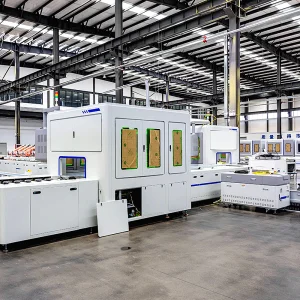
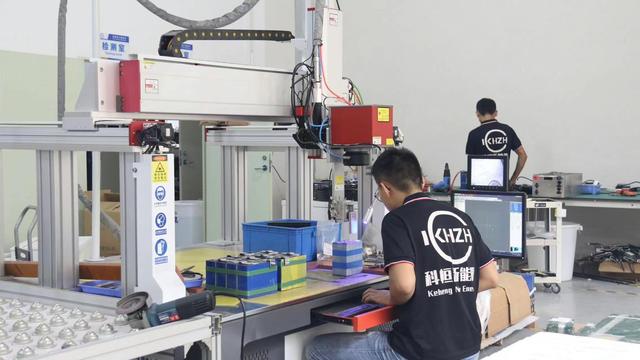
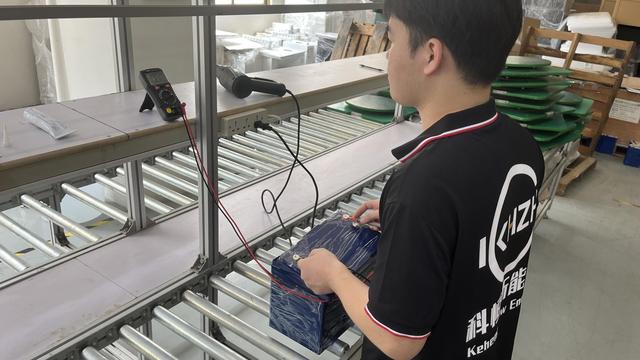
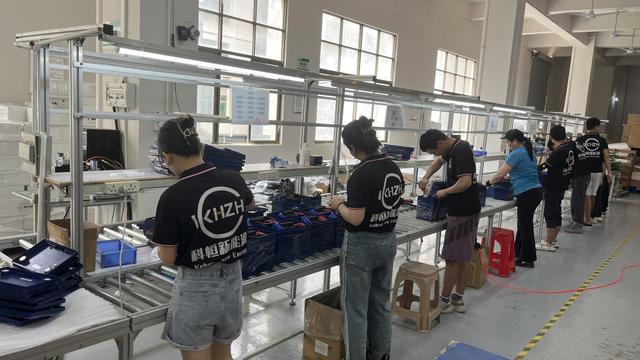
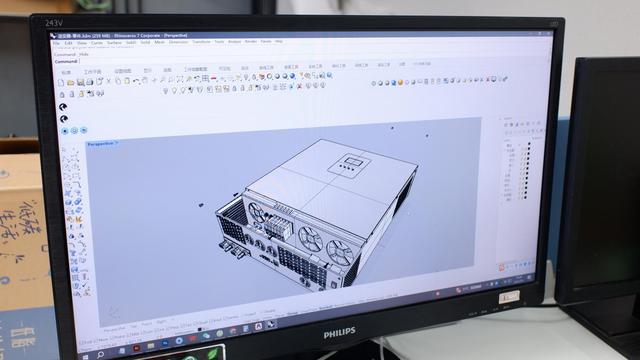
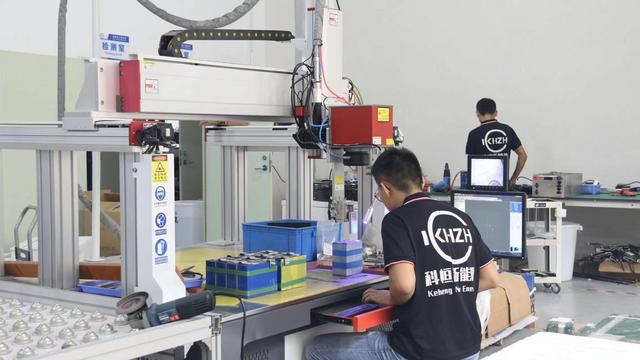
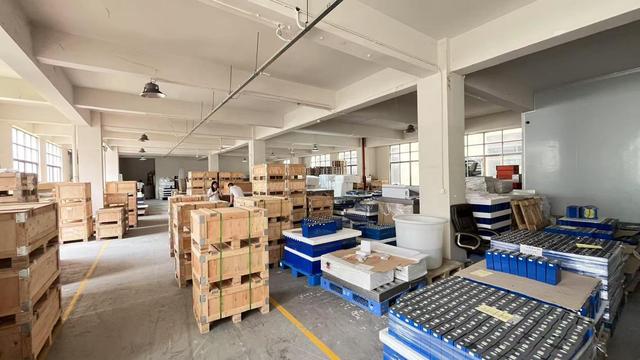
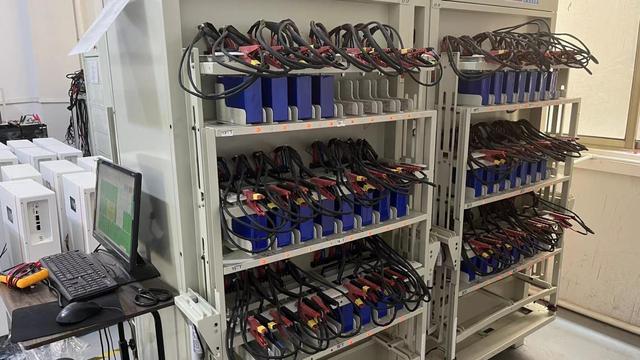
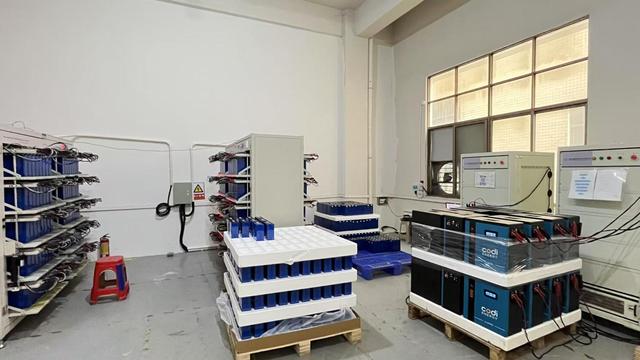
Equipped with advanced manufacturing facilities and stringent quality management processes, the company emphasizes product reliability, operational safety, and long-term performance. Continuous investment in research and development enables CCSC Energy to integrate intelligent monitoring technologies, advanced battery management systems, and smart energy control platforms into its solutions.
Serving customers across Asia, Europe, North America, South America, the Middle East, and other global markets, Hangzhou CCSC Energy Co., Ltd. is dedicated to providing innovative energy storage solutions that support renewable energy adoption, strengthen power resilience, and contribute to a more efficient and sustainable energy future.
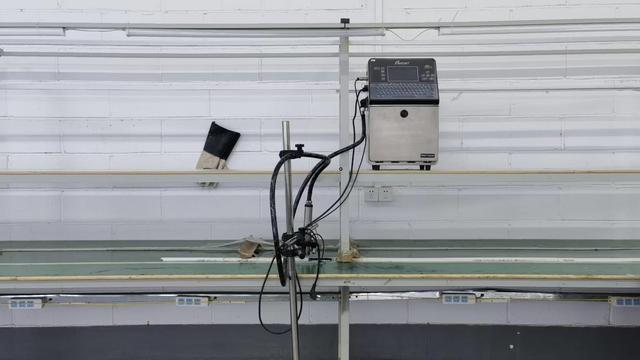
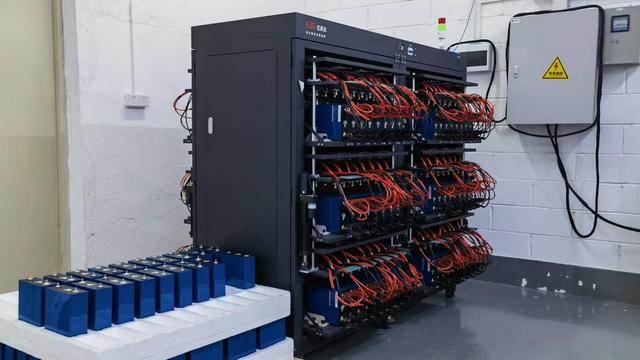
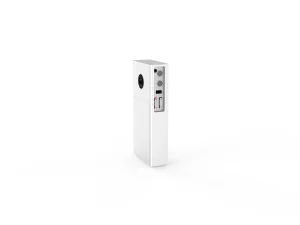
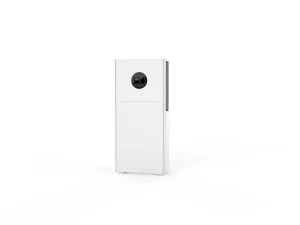
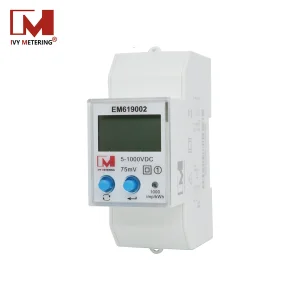
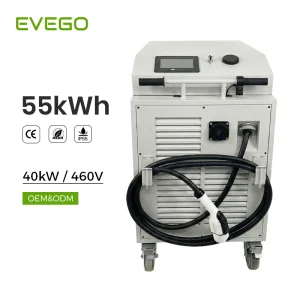
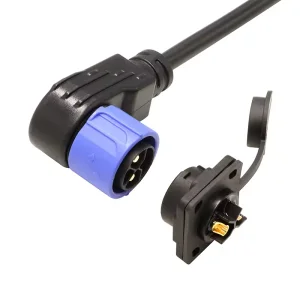
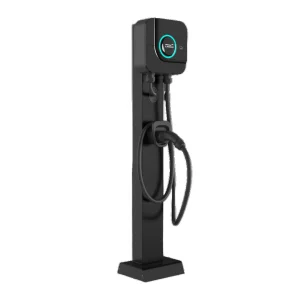
Choose from our specialized line of certified controllers, meters, portable systems, and wall-boxes engineered for Lombardy utility standards.
Understanding the critical compliance, design parameters, and integration specifications for Italian grid operators.
Partner with a top manufacturer of certified battery energy storage systems, backup power modules, and intelligent microgrid controllers. Get in touch with our technical sales team for comprehensive project engineering support.
Send Inquiry Now CCSC Energy