The global transition to decentralized clean energy requires robust, high-performance grid-tied power electronics and battery systems. As grid operator requirements tighten around the world—specifically under rules like IEEE 1547 in North America and EN 50549 in Europe—developers and engineering procurement contractors (EPCs) must specify system components that offer unparalleled safety, dynamic power support, and micro-second response capabilities.
Information Gain Insight: Modern grid-tied solutions must do more than export active power. Real value in today's tariff structures lies in ancillary services: dynamic voltage support, reactive power control (VAR compensation), frequency regulation, and black-start capabilities during transmission outages.
China has established a dominant global footprint in renewable energy supply chains, maturing from a low-cost component manufacturer into an industry leader in R&D, safety standards, and systems engineering. Selecting a top-tier Chinese exporter offers key advantages:
Historically, commercial and utility systems operated at 600V or 1000V DC. Shifting to 1500V DC reduces cabling losses, shrinks balance-of-system (BOS) footprints, and allows for higher-capacity inverter blocks, driving down per-watt installation costs.
High C-rate charge and discharge profiles generate localized thermal stress inside battery modules. Advanced liquid-cooling thermal management systems maintain cells within an optimal ±2°C temperature window, extending battery cycle life by up to 20% compared to traditional forced-air ventilation.
As traditional synchronous generators (coal/gas plants) retire, grid operators rely on inverter-based resources (IBRs) to maintain system strength. China's top-tier R&D centers are spearheading grid-forming control algorithms, mimicking virtual inertia to stabilize weak grids.
Grid-tied solutions are not one-size-fits-all. System topologies must adapt to distinct commercial, industrial, and utility-scale application demands:
For factories and commercial complexes facing demand charges. By storing off-peak power and discharging during high-tariff periods, C&I systems lower demand charges and stabilize local grids.
Utility-scale PV and wind farms face curtailment due to grid bottlenecks. Colocating co-located BESS stores excess energy for dispatch during peak demand, maximizing project ROI.
In islands, mining sites, and remote agricultural operations. Intelligent energy management controllers coordinate solar, storage, and backup diesel generators to ensure 24/7 runtime.
Procuring utility-scale energy infrastructure from overseas requires careful planning. Professional procurement teams evaluate several key parameters during vendor qualification:
Hangzhou CCSC Energy Co., Ltd. is a professional Energy Storage System Manufacturer specializing in battery energy storage, renewable power integration, and smart energy solutions for residential, commercial, industrial, and utility-scale applications. Based in Hangzhou, China, the company focuses on developing advanced energy storage technologies that help customers improve energy efficiency, enhance power reliability, and support the transition toward sustainable energy systems.
With expertise in energy storage engineering and system integration, CCSC Energy provides comprehensive solutions covering battery energy storage systems (BESS), renewable energy storage integration, commercial and industrial energy storage, backup power systems, microgrid applications, distributed energy infrastructure, and intelligent energy management platforms. Its solutions are designed to support a wide range of applications, including solar energy utilization, peak demand management, grid stabilization, emergency power supply, and energy cost optimization.
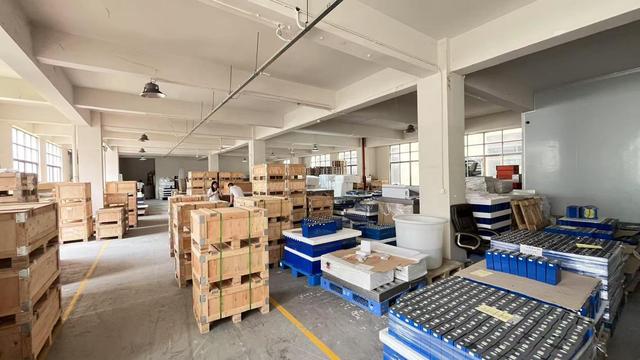
The company is committed to delivering safe, efficient, and scalable energy storage solutions tailored to the needs of modern energy users. Its engineering team works closely with customers, project developers, EPC contractors, and energy service providers to design systems that align with specific operational requirements, performance objectives, and regulatory standards. From project planning and system design to manufacturing and technical support, CCSC Energy offers comprehensive services throughout the project lifecycle.
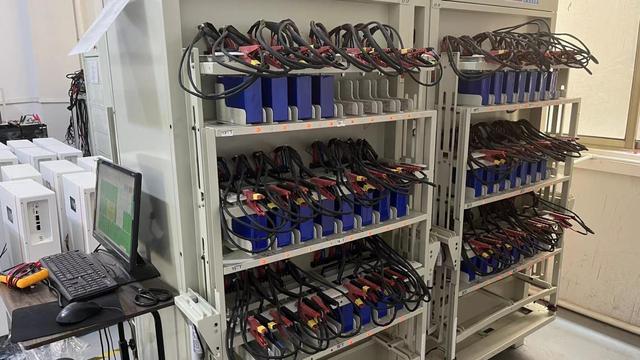
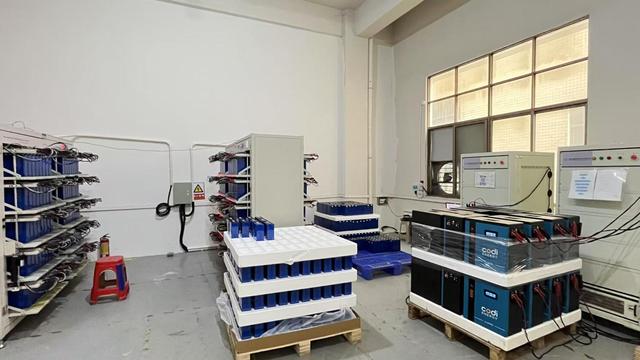
Equipped with advanced manufacturing facilities and stringent quality management processes, the company emphasizes product reliability, operational safety, and long-term performance. Continuous investment in research and development enables CCSC Energy to integrate intelligent monitoring technologies, advanced battery management systems, and smart energy control platforms into its solutions.
Serving customers across Asia, Europe, North America, South America, the Middle East, and other global markets, Hangzhou CCSC Energy Co., Ltd. is dedicated to providing innovative energy storage solutions that support renewable energy adoption, strengthen power resilience, and contribute to a more efficient and sustainable energy future.
A pure grid-tied inverter synchronizes with the utility grid to export solar energy but shuts down during blackouts for safety (anti-islanding). A hybrid inverter can operate in grid-tied mode, off-grid mode, or feed energy into batteries, acting as a backup power system when grid connection is lost.
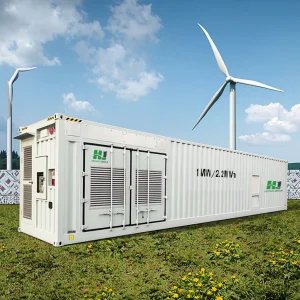
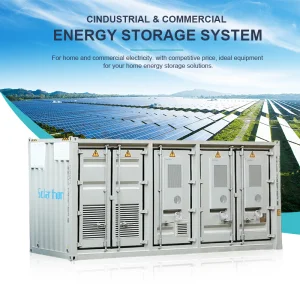
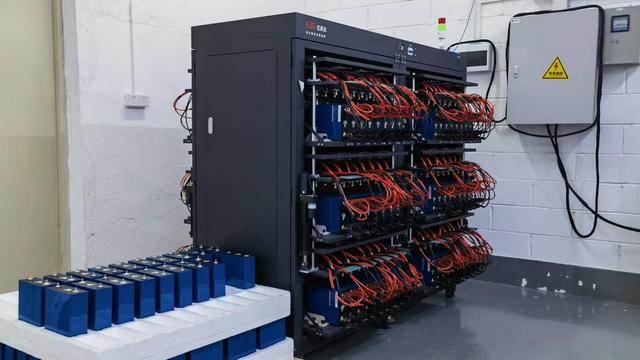
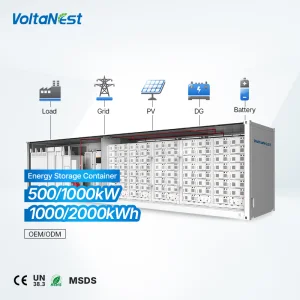
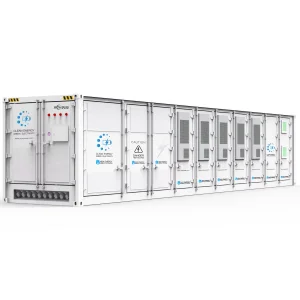
Containerized BESS solutions (like 2MW/2.4MW systems) use liquid cooling or zoned air conditioning systems. Maintaining cell temperatures within narrow limits prevents local hot spots and reduces thermal runaway risk, ensuring safety across megawatt-scale arrays.
Critical international certifications include IEC 62619 (safety for industrial batteries), UL 1973 (stationary batteries), UL 9540A (fire propagation testing), CE, and UN38.3 (transportation safety). These certifications are required for grid connection approval in Europe and North America.
The EMS monitors system health, manages state-of-charge (SoC), and processes data from external systems. It communicates with SCADA systems to dispatch energy based on utility commands or local dynamic pricing tariffs.
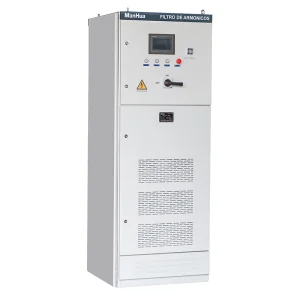
Active Filter Cabinets mitigate harmonics in commercial and industrial settings, reducing electrical noise and improving power quality. This protects sensitive electronics and lowers energy costs associated with reactive power charges.
 CCSC Energy