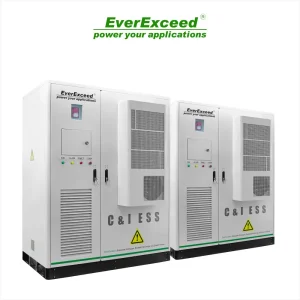
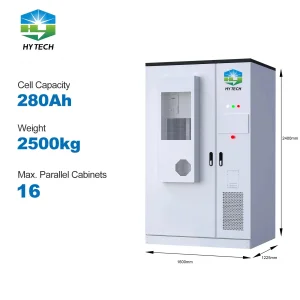
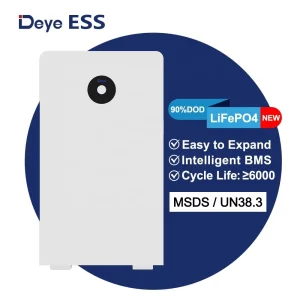
Explore our foundational energy storage product line, engineered for seamless photovoltaic integration, smart microgrid management, and robust peak load shaving.
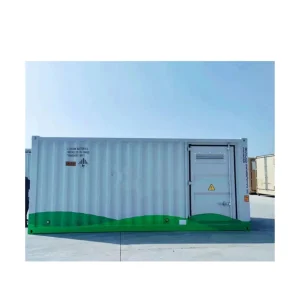
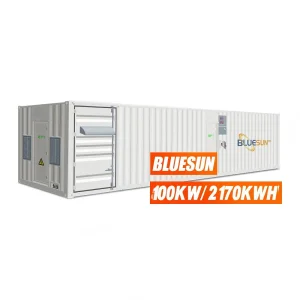
A comprehensive blueprint exploring energy density transitions, electrochemical safety structures, and microgrid scalability protocols.
The shift toward containerized Battery Energy Storage Systems (BESS) and portable energy enclosures is accelerating across utility, commercial, and industrial (C&I) installations globally. Procurement teams within Fortune 500 enterprises, Engineering, Procurement, and Construction (EPC) firms, and sovereign utility operators are navigating complex requirements. No longer are buying choices driven solely by upfront capital expenditure per kilowatt-hour (CapEx/kWh). Instead, modern procurement focuses on the Levelized Cost of Storage (LCOS), cycle lifespan guarantees, supply chain stability, and fire suppression ratings.
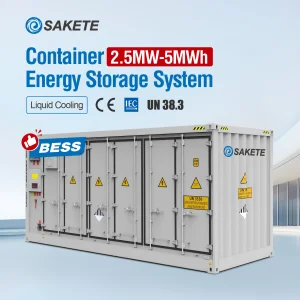
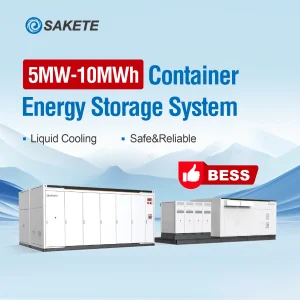
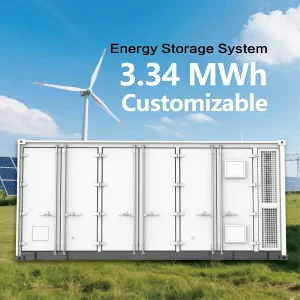
Industrial buyers are faced with the transition from conventional 280Ah cells to the next-generation 314Ah lithium iron phosphate (LiFePO4) variants. The primary driver is spatial efficiency: a 314Ah cell format allows manufacturers to configure standard 20-foot shipping containers to hold 5 MWh of capacity, compared to the previous standard of 3.44 MWh. This represents a significant density increase, reducing the physical footprint, civil engineering layout requirements, and interconnecting balance of system (BOS) cabling.
Procurement Insight: When sourcing containerized lithium BESS, demand detailed data sheets showing cell-to-cell thermal management systems, mechanical structural integrity tests, and compliance documentation. These documents verify the system's longevity over its nominal service life (typically 10 to 15 years).
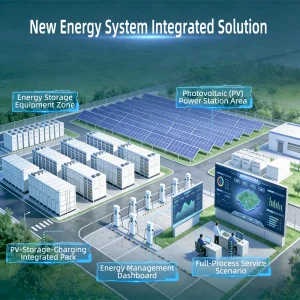
Dynamic power management integrating distributed photovoltaic arrays and variable loads to maintain stable grid frequency and voltage regulation.
Liquid cooling topologies designed to restrict localized cell temperature variance to less than 3°C, extending functional cycle life to over 6,000 counts.
Integrating battery management systems (BMS) with multi-level fuse coordination, active gas venting detection, and automated fire suppression.
Industrial scale energy storage projects require system architectures customized to their specific operational profiles. We can categorize the main deployment environments as follows:
| Application Scenario | Primary Technical Challenges | System Architecture Standard |
|---|---|---|
| Utility-Scale PV/Wind Smoothing | Extreme rapid charge/discharge fluctuations, high voltage grid connection step-up. | Liquid-Cooled 20ft Containerized BESS (5MWh capacity), multi-inverter parallel configurations. |
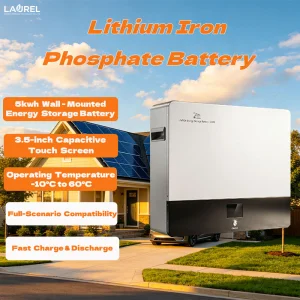
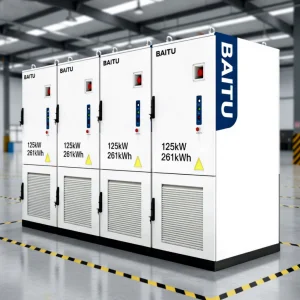
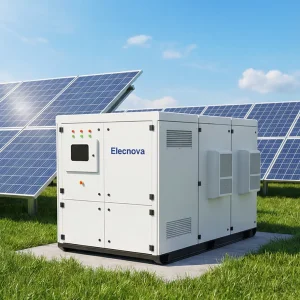
| Commercial Peak Shaving | Space constraints, strict municipal fire safety codes, dynamic load tracking. | Modular outdoor battery cabinets (100kW to 300kW) paired with smart local energy management software. |
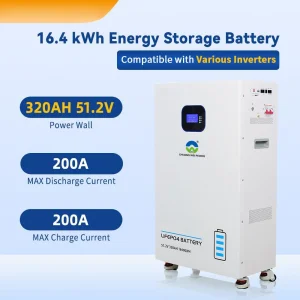
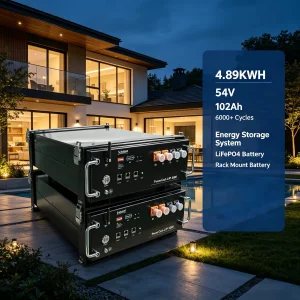
| Data Center UPS Systems | Milisecond-level response times, zero toleration for grid disconnects. | Rack-mounted high-discharge LFP cabinets integrated with static transfer switches (STS). |
| Remote Microgrid Power Supply | Extreme environments, dust, salt mist, lack of local maintenance technicians. | Heavy-duty IP65 rated container enclosures featuring built-in remote telemetry. |
For instance, in utility-scale solar generation, peak production occurs mid-day, often leading to curtailment if grid capacity is exceeded. Containerized BESS installations store this excess energy and discharge it during evening peak load times. Similarly, in high-demand industrial areas, Peak Shaving systems reduce electricity costs by drawing power from the batteries when grid tariffs peak, ensuring a stable localized microgrid and avoiding high demand charges.
The engineering roadmap for modern energy systems focuses on two main areas: thermal management and telemetry-based monitoring.
Thermal Management: Traditional air-cooled BESS containers are prone to localized hot spots, which can cause uneven cell aging and increase the risk of thermal runaway. Modern liquid cooling uses a mixture of water and ethylene glycol, pumped through cooling plates inside the battery modules. This design maintains internal temperature variance within ±3°C, ensuring uniform cell degradation. As a result, the project's lifespan is extended, and maintenance requirements are reduced.
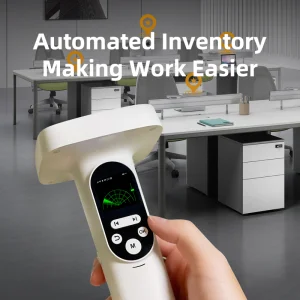
Intelligent EMS & IoT Asset Management: Modern systems use remote monitoring platforms alongside edge-computed Energy Management Systems (EMS). These platforms track cell voltage, temperature, internal resistance, and state of charge (SoC) in real time. They often incorporate UHF RFID tags and asset management systems to track modules throughout their lifecycle, from assembly through deployment to recycling.
A professional Energy Storage System Manufacturer specializing in battery energy storage, renewable power integration, and smart energy solutions for residential, commercial, industrial, and utility-scale applications.
Based in Hangzhou, China, the company focuses on developing advanced energy storage technologies that help customers improve energy efficiency, enhance power reliability, and support the transition toward sustainable energy systems.
With expertise in energy storage engineering and system integration, CCSC Energy provides comprehensive solutions covering battery energy storage systems (BESS), renewable energy storage integration, commercial and industrial energy storage, backup power systems, microgrid applications, distributed energy infrastructure, and intelligent energy management platforms. Its solutions are designed to support a wide range of applications, including solar energy utilization, peak demand management, grid stabilization, emergency power supply, and energy cost optimization.
The company is committed to delivering safe, efficient, and scalable energy storage solutions tailored to the needs of modern energy users. Its engineering team works closely with customers, project developers, EPC contractors, and energy service providers to design systems that align with specific operational requirements, performance objectives, and regulatory standards. From project planning and system design to manufacturing and technical support, CCSC Energy offers comprehensive services throughout the project lifecycle.
Equipped with advanced manufacturing facilities and stringent quality management processes, the company emphasizes product reliability, operational safety, and long-term performance. Continuous investment in research and development enables CCSC Energy to integrate intelligent monitoring technologies, advanced battery management systems, and smart energy control platforms into its solutions.
Serving customers across Asia, Europe, North America, South America, the Middle East, and other global markets, Hangzhou CCSC Energy Co., Ltd. is dedicated to providing innovative energy storage solutions that support renewable energy adoption, strengthen power resilience, and contribute to a more efficient and sustainable energy future.
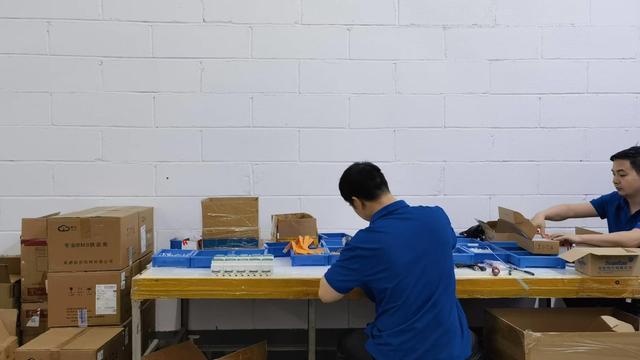
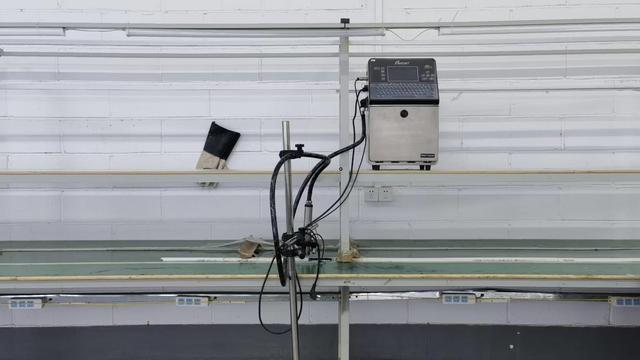
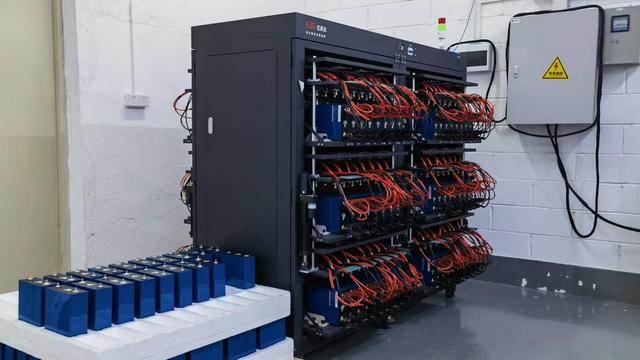
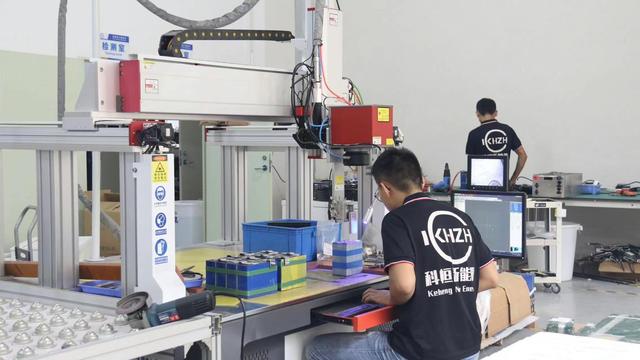
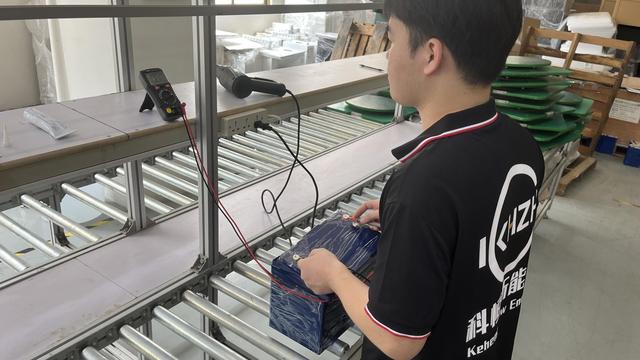
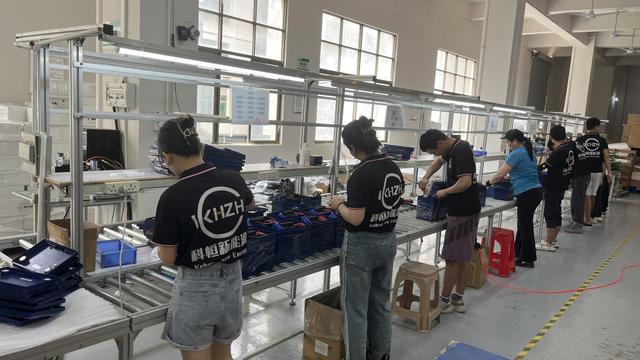
A visual walkthrough of our ISO-certified production lines, automatic laser welding machinery, temperature testing chambers, and global export shipping bays.
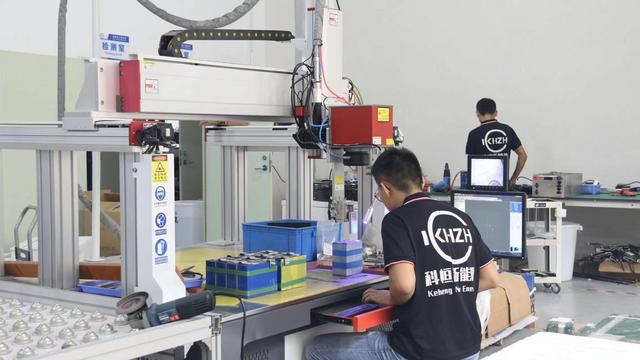
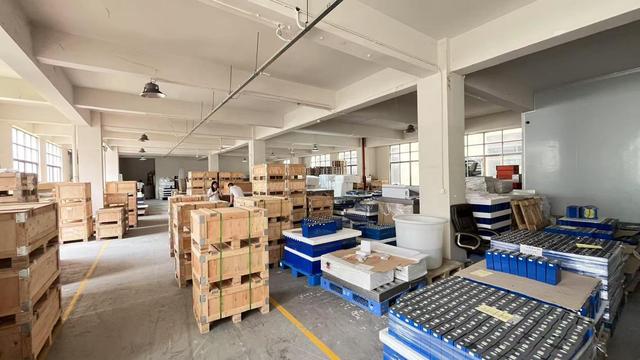
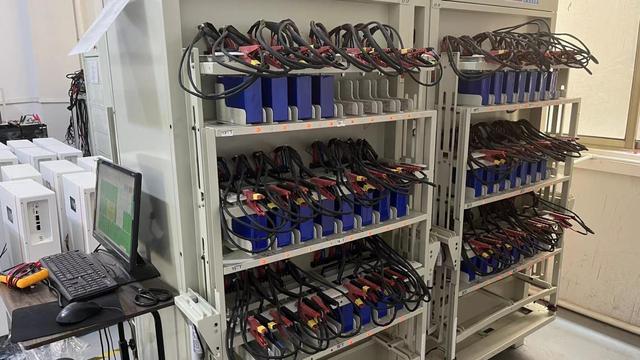
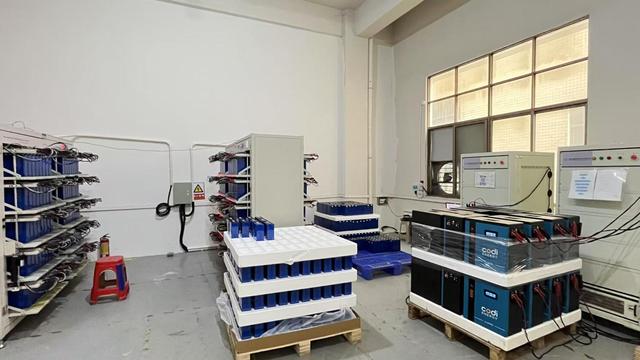
Detailed technical answers addressing standard integration parameters, performance criteria, safety regulations, and import procedures for global grid-scale projects.
Liquid cooling utilizes a fluid circuit containing glycol and water to absorb heat directly from the battery cells, which provides a heat transfer coefficient up to 25 times higher than air cooling. This design keeps the temperature difference between cells within 3°C, compared to 8–10°C in air-cooled systems. The improved temperature consistency reduces uneven cell aging, lowers auxiliary power consumption by up to 30%, and extends the overall cycle life of the batteries.
The 314Ah cell has the same structural footprint as the traditional 280Ah cell, but offers a higher energy density. This allows a standard 20-foot shipping container BESS to reach a capacity of 5.01 MWh, up from the typical 3.72 MWh or 3.44 MWh of previous systems. This density increase reduces the total number of containers, balance of system (BOS) cabling, civil foundation costs, and installation labor for utility-scale utility projects.
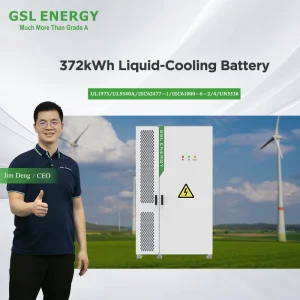
To comply with safety standards in North America, systems must be certified under UL 1973 (for battery packs) and UL 9540 (for the complete integrated BESS), with thermal runaway propagation tested under UL 9540A. For European installations, compliance with IEC 62619, IEC 62477, and CE directives is required. Additionally, all battery assemblies must have UN38.3 certification to meet hazardous materials transport regulations.
The EMS functions as the central controller for microgrids. It communicates with inverters, BMS, and local weather stations using protocols like Modbus TCP and CAN bus. By analyzing real-time generation patterns, power tariffs, and critical building loads, it decides when to store energy, when to support the grid, and when to isolate for islanded backup operation during main grid disruptions.
Select specialized equipment, heavy duty container systems, liquid cooling microgrids, and RFID asset tracking tools for industrial operations.
 CCSC Energy