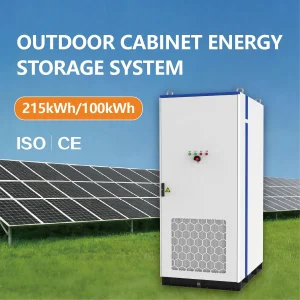
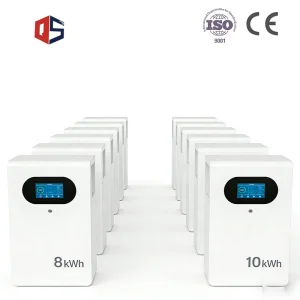
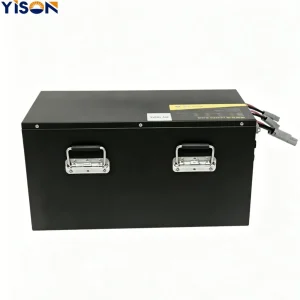
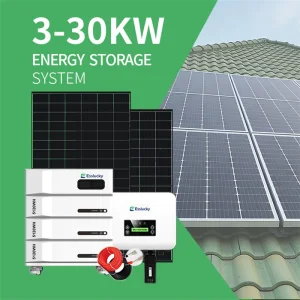
Explore our core engineering catalog designed for residential, commercial, industrial, and fast-response mobility applications.
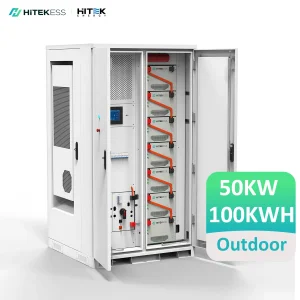
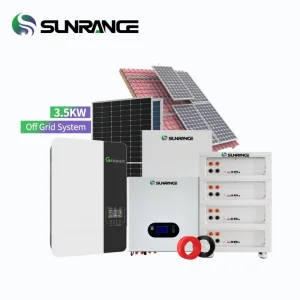
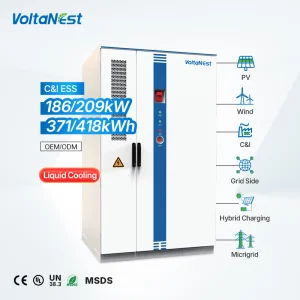
As grid instability, rising electricity tariffs, and strict carbon regulations reshape global manufacturing, Microgrid Solutions have transitioned from optional backup infrastructures to primary strategic assets for Commercial and Industrial (C&I) sectors. Across North America, Europe, and Asia-Pacific, energy-intensive businesses are facing unprecedented challenges: infrastructure aging, geopolitical energy volatility, and extreme weather occurrences that prompt devastating grid outages.
For commercial hypermarkets, logistics hubs, and advanced manufacturing sites, a microgrid does not merely prevent production downtime; it acts as a dynamic source of revenue. By implementing smart battery systems that charge during low-tariff hours and discharge during demand peaks, operators can lower their electricity bills through peak shaving and load shifting.
Furthermore, the rise of Virtual Power Plants (VPPs) allows enterprises to aggregate distributed energy resources (DERs) and feed electricity back into the utility grid during supply crunches, converting utility bills into a stream of operational revenue.
A reliable microgrid integrates physical energy storage with digital energy intelligence.
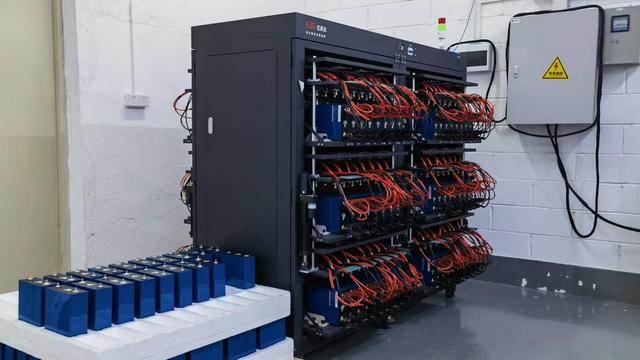
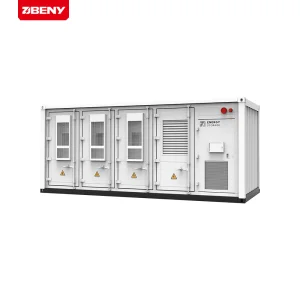
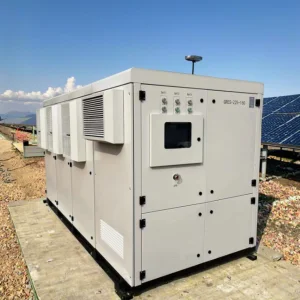
Utilizing both advanced air-cooling and next-gen liquid cooling options. Liquid-cooled ESS cabinets maintain cell temperature variance within ≤3°C, extending battery lifespan and ensuring thermal runaways are prevented under continuous high-rate operation.
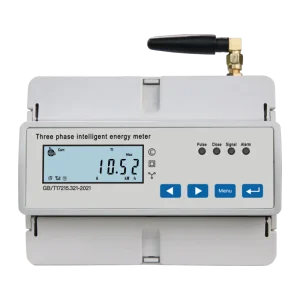
Equipped with 4G/WiFi enabled three-phase power monitoring meters yielding 0.5-class accuracy. Algorithms control charging protocols, monitor cell-level State of Health (SoH), and communicate seamlessly with grid management platforms via CAN protocol.
Exclusively deploying Lithium Iron Phosphate (LiFePO4) cell chemistry. Highly stable, with over 6,000 charge cycles at 80% Depth of Discharge (DoD), ensuring over 10-15 years of active, maintenance-free operational life in harsh environment configurations.
Why Tier-1 Chinese manufacturing represents the peak of quality-controlled, cost-optimized energy storage deployment.
China's dominance in the global battery energy storage and microgrid export market is built on robust supply chain integration, raw material refinement verticality, and high-efficiency manufacturing systems. By locating advanced production hubs in strategic regions like Hangzhou, manufacturers can directly tap into global logistics networks, elite power electronic engineering talent pools, and comprehensive component testing facilities.
This integrated ecosystem yields multiple operational advantages for global B2B procurement:
A Professional Energy Storage System Manufacturer & Technical Integrator.
Hangzhou CCSC Energy Co., Ltd. is a professional Energy Storage System Manufacturer specializing in battery energy storage, renewable power integration, and smart energy solutions for residential, commercial, industrial, and utility-scale applications. Based in Hangzhou, China, the company focuses on developing advanced energy storage technologies that help customers improve energy efficiency, enhance power reliability, and support the transition toward sustainable energy systems.
With expertise in energy storage engineering and system integration, CCSC Energy provides comprehensive solutions covering battery energy storage systems (BESS), renewable energy storage integration, commercial and industrial energy storage, backup power systems, microgrid applications, distributed energy infrastructure, and intelligent energy management platforms. Its solutions are designed to support a wide range of applications, including solar energy utilization, peak demand management, grid stabilization, emergency power supply, and energy cost optimization.
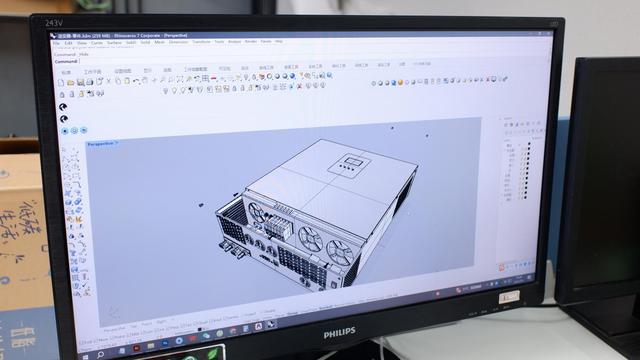
The company is committed to delivering safe, efficient, and scalable energy storage solutions tailored to the needs of modern energy users. Its engineering team works closely with customers, project developers, EPC contractors, and energy service providers to design systems that align with specific operational requirements, performance objectives, and regulatory standards. From project planning and system design to manufacturing and technical support, CCSC Energy offers comprehensive services throughout the project lifecycle.
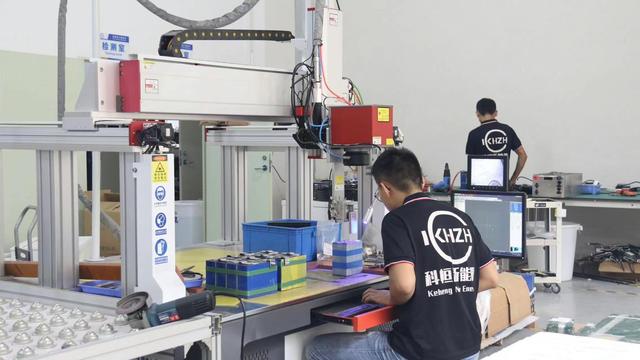
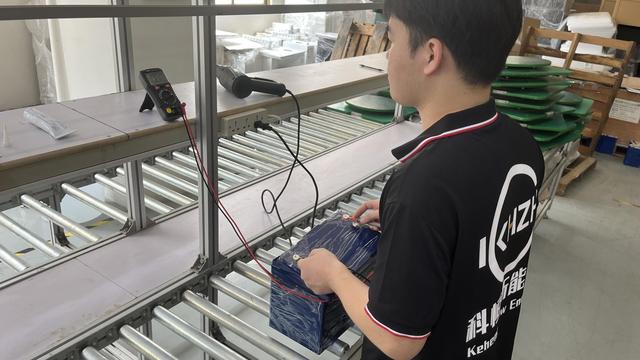
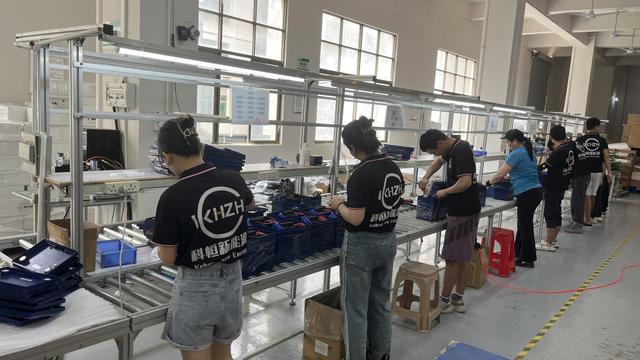
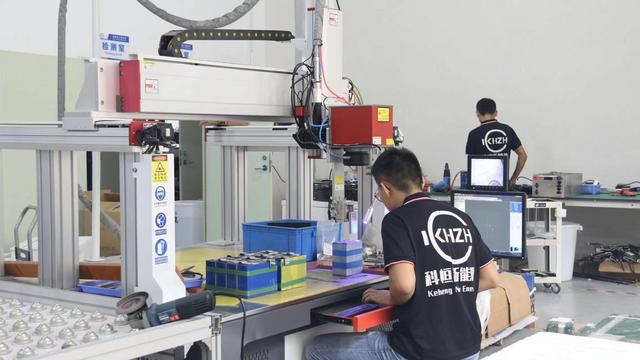
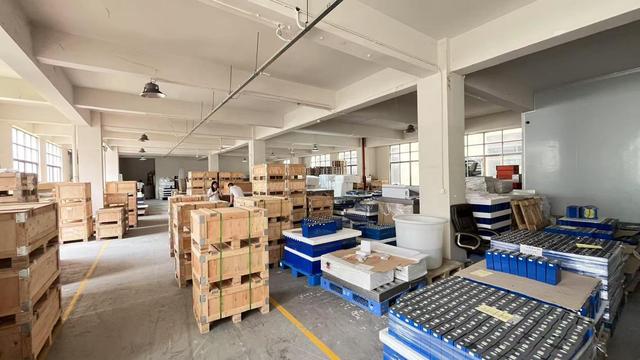
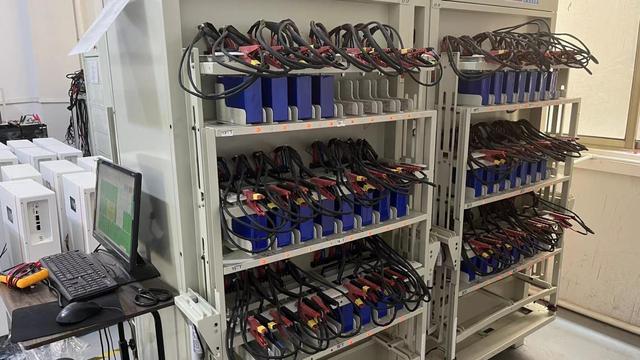
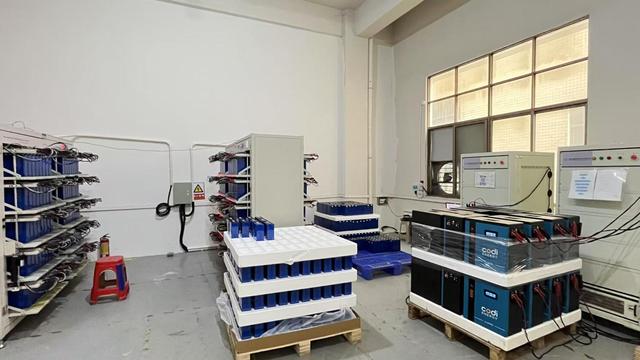
Equipped with advanced manufacturing facilities and stringent quality management processes, the company emphasizes product reliability, operational safety, and long-term performance. Continuous investment in research and development enables CCSC Energy to integrate intelligent monitoring technologies, advanced battery management systems, and smart energy control platforms into its solutions.
Serving customers across Asia, Europe, North America, South America, the Middle East, and other global markets, Hangzhou CCSC Energy Co., Ltd. is dedicated to providing innovative energy storage solutions that support renewable energy adoption, strengthen power resilience, and contribute to a more efficient and sustainable energy future.
Engineered to adapt to distinct geographic environments, regulatory frames, and energy demands.
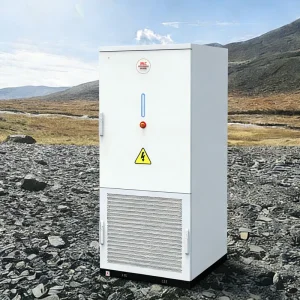
Large retail settings face high power demand during peak shopping hours when utility rates are at their highest. By utilizing localized BESS containers (ranging from 233kWh to 5MW+), these establishments store energy during off-peak night cycles and feed it back during peak billing periods. This method reduces demand charges and acts as a grid safeguard during utility voltage sags.
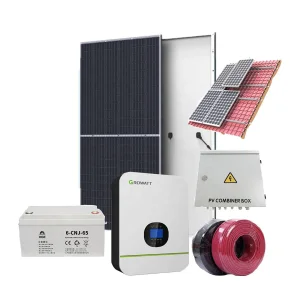
Off-grid communities, mining stations, and remote islands require stable power generation without relying on diesel transportation. Integrating a solar PV field with LiFePO4 split battery banks allows clean energy production to continue 24/7. Hybrid energy storage configurations ensure stable, zero-carbon, long-term electricity access.
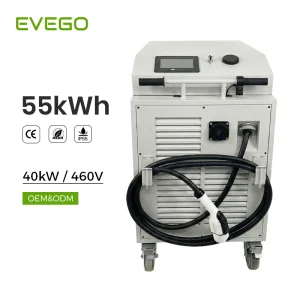
As EV adoption grows, existing grids face demand strain during holiday traffic or at remote depots. Portable DC fast-charging rescue units (such as mobile 55kWh units on wheels) enable fleet operators to deploy emergency fast-charging points immediately without committing to expensive grid infrastructure updates.
In densely populated urban environments, plug-and-play balcony systems allow apartment owners to capture solar power. These modular systems combine storage batteries and microinverters to generate clean household power while optimizing energy bills.
Detailed technical specifications and design considerations for microgrid projects.
Explore our high-capacity battery packs, containerized storage installations, and smart power monitoring solutions.
 CCSC Energy