Explore state-of-the-art battery modules, containerized storage solutions, and precision integration lines engineered for maximum efficiency and grid compliance.
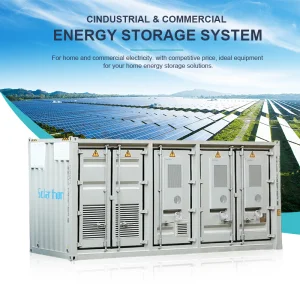
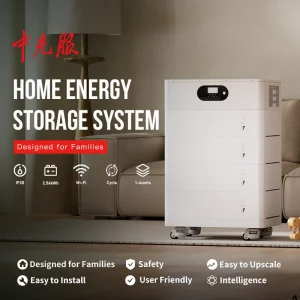
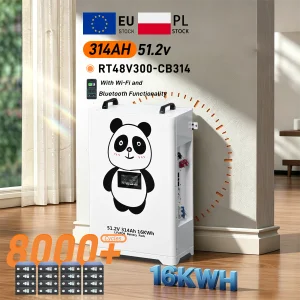
The global transition to a low-carbon economy relies on the availability of highly stable, cost-efficient, and long-life Battery Energy Storage Systems (BESS). Energy storage research has moved beyond basic lab experiments into advanced chemistry engineering, thermal dynamics, and intelligent digital management. As intermittent renewable energy sources—such as wind and photovoltaic (PV) generation—experience rapid growth, grid operators and commercial enterprise buyers are facing power quality and frequency regulation challenges.
In this context, finding the top research-driven manufacturers and suppliers is crucial. Top suppliers are investing heavily in solid-state technologies, high-density Lithium Iron Phosphate (LiFePO4) chemistries, and advanced Battery Management Systems (BMS) that leverage artificial intelligence to extend cell cycle life and prevent thermal runaway. This whitepaper analyzes these market-leading engineering criteria to guide global procurement managers through complex technical landscapes.
Large-scale commercial users, utility developers, and Engineering, Procurement, and Construction (EPC) contractors require more than just battery modules. They need complete, integrated solutions that fit within existing substation and grid networks. Here is how modern manufacturers address procurement demands across different industry verticals:
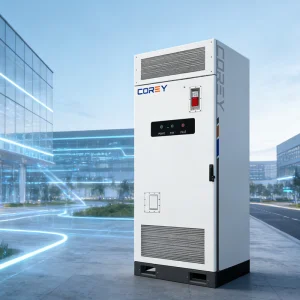
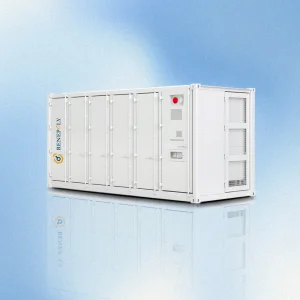
Requires containerized systems (e.g., 20ft or 40ft dynamic liquid-cooled systems) designed for frequency regulation, capacity firming, and integration with high-voltage AC networks. Key focuses: safety and operational longevity.
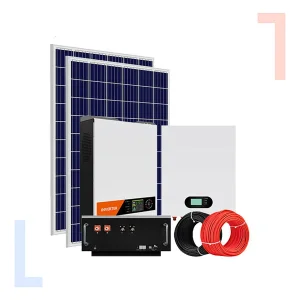
Focused on reducing electricity tariffs through peak-shaving, load-shifting, and emergency backup power. Scalable cabinet architectures with built-in hybrid inverters and cloud-based mobile monitoring platforms are popular here.
Requires robust, weather-resistant outdoor enclosures with hybrid power control strategies. These systems combine diesel generators, solar arrays, and batteries to ensure stable microgrids in areas with weak utility networks.
Hangzhou CCSC Energy Co., Ltd. is a leading Energy Storage System Manufacturer specializing in battery energy storage, renewable power integration, and smart energy solutions for residential, commercial, industrial, and utility-scale applications. Based in Hangzhou, China, the company focuses on developing advanced energy storage technologies that help customers improve energy efficiency, enhance power reliability, and support the transition toward sustainable energy systems.
With deep expertise in energy storage engineering and system integration, CCSC Energy provides comprehensive solutions covering battery energy storage systems (BESS), renewable energy storage integration, commercial and industrial energy storage, backup power systems, microgrid applications, distributed energy infrastructure, and intelligent energy management platforms. Its solutions are designed to support a wide range of applications, including solar energy utilization, peak demand management, grid stabilization, emergency power supply, and energy cost optimization.
The company is committed to delivering safe, efficient, and scalable energy storage solutions tailored to the needs of modern energy users. Its engineering team works closely with customers, project developers, EPC contractors, and energy service providers to design systems that align with specific operational requirements, performance objectives, and regulatory standards. From project planning and system design to manufacturing and technical support, CCSC Energy offers comprehensive services throughout the project lifecycle.
Equipped with advanced manufacturing facilities and stringent quality management processes, CCSC Energy emphasizes product reliability, operational safety, and long-term performance. Continuous investment in research and development enables CCSC Energy to integrate intelligent monitoring technologies, advanced battery management systems, and smart energy control platforms into its solutions.
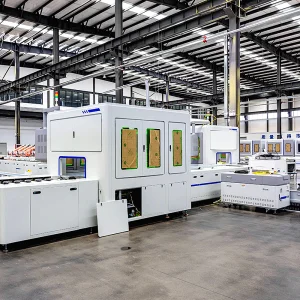
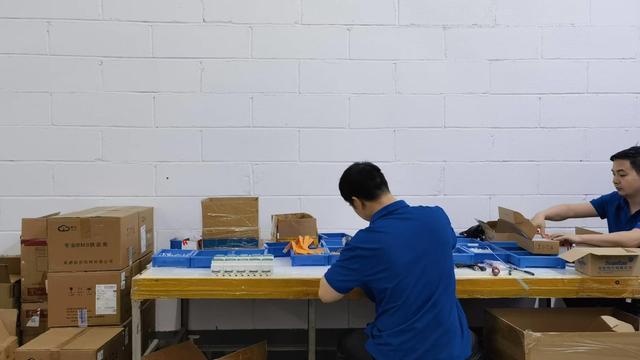
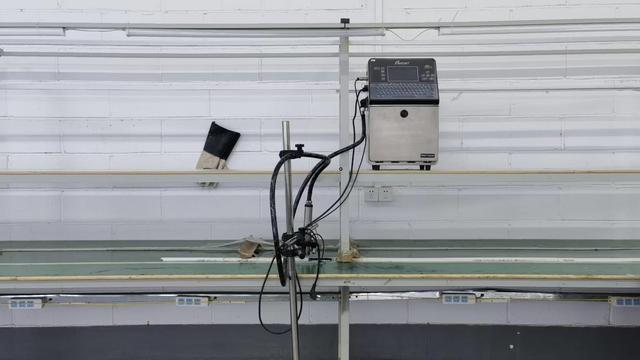
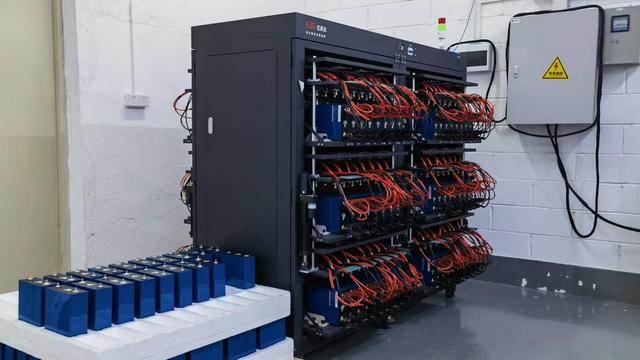
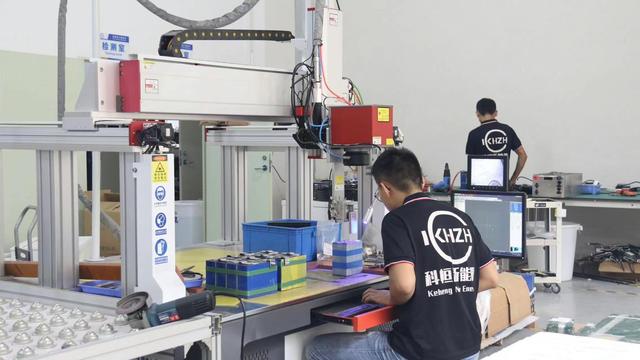
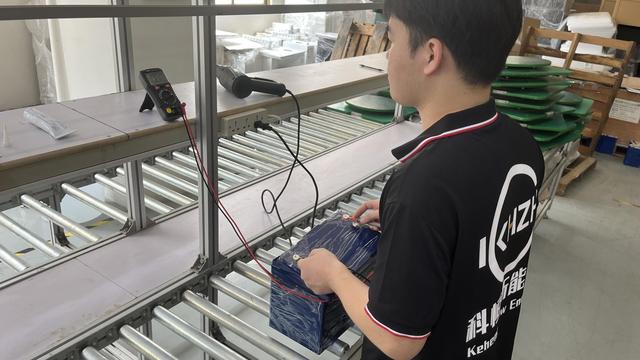
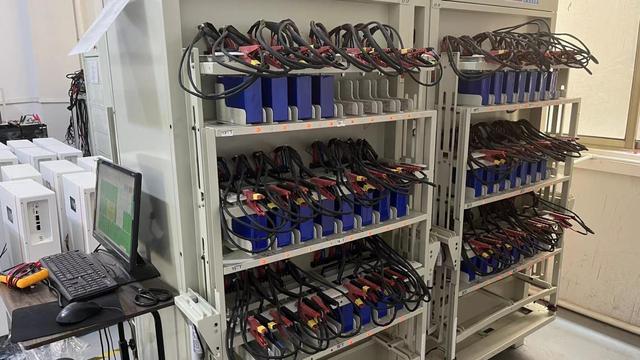
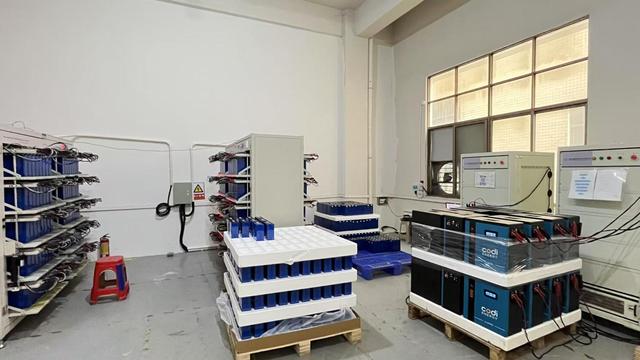
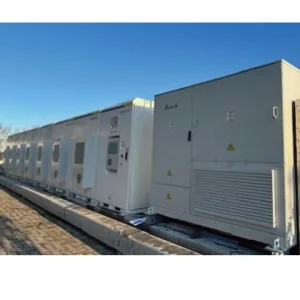
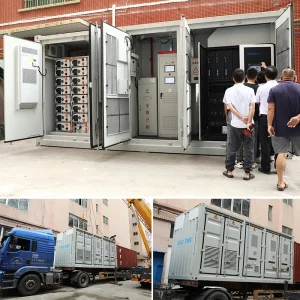
Take a look inside the engineering facilities of Hangzhou CCSC Energy. These images show the production lines, automated assembly testing, system integrations, and container shipments that supply reliable energy storage hardware worldwide.
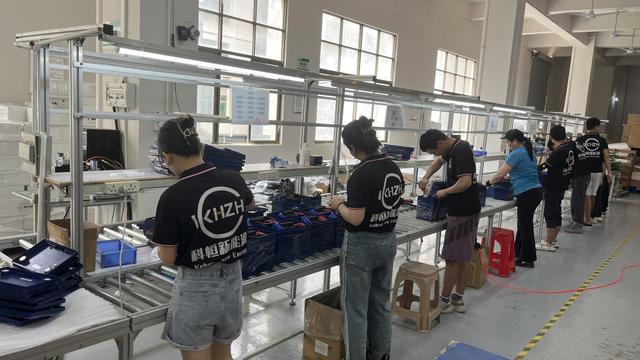
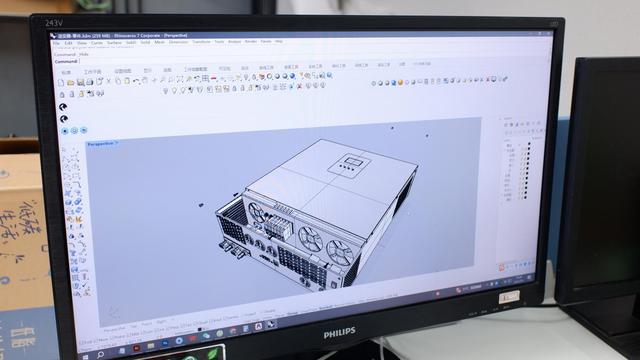
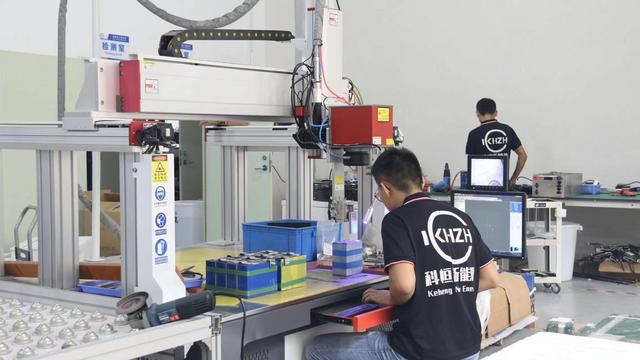
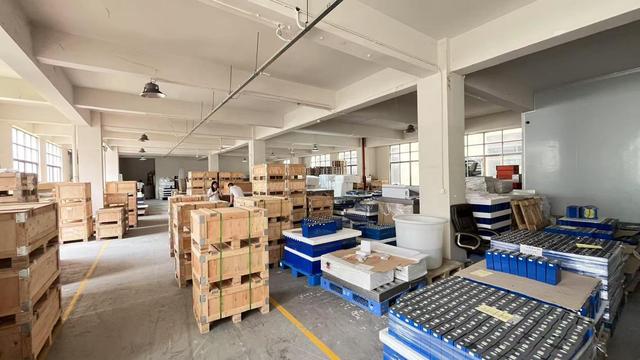
The energy storage industry is rapidly evolving, driven by innovations in cell chemistry, thermal management, and power electronics. To help buyers understand these technology trends, here is an overview of key technical milestones in energy storage systems:
| Technological Metric | Lithium Iron Phosphate (LFP) | Sodium-Ion (Na-Ion) | Solid-State Lithium |
|---|---|---|---|
| Volumetric Energy Density | Medium (160–220 Wh/kg) | Low-Medium (100–160 Wh/kg) | High (350–500 Wh/kg) |
| Cycle Life (80% DoD) | Excellent (6,000 – 8,000 cycles) | Good (3,000 – 5,000 cycles) | Outstanding (10,000+ cycles) |
| Thermal Stability Temperature | Up to 270°C (High Safety) | Up to 350°C (Very High Safety) | > 400°C (Non-flammable electrolyte) |
| Raw Material Availability | Abundant (Iron/Phosphate base) | Extremely Abundant (Sodium base) | Moderate (Lithium/Solid elements) |
| Main Target Use Cases | Utility BESS, C&I, Residential ESS | Telecom, Daily peak power grids | EVs, Space exploration, Future BESS |
Most global projects currently use **Lithium Iron Phosphate (LiFePO4)** chemistry because of its balance between cost, performance, and thermal safety. However, companies like Hangzhou CCSC Energy are also researching hybrid systems and next-generation solid-state options. This research aims to address safety challenges under extreme environmental conditions, such as operations in desert solar plants or sub-zero arctic wind installations.
Regulatory compliance is a critical factor for successful project execution in energy storage installations. Navigating different safety and interconnection standards requires experienced manufacturing partners who understand regional codes:
Deployments in the United States and Canada require compliance with UL 1973 (for battery packs) and UL 9540 (for integrated BESS). Additionally, undergoing UL 9540A testing is essential to demonstrate that thermal runaway does not spread between adjacent cabinets. Hardware must also conform to IEEE 1547 standards for grid interconnection.
European installations require compliance with CE markings and standards like IEC 62619 and IEC 62477-1. Grid-code compliance often requires support for specific local grid requirements, such as VDE-AR-N 4110 in Germany or G99 in the United Kingdom. These standards ensure the storage system can provide fast active power frequency response during grid disturbances.
To ensure project success, Hangzhou CCSC Energy and other top-tier suppliers set up localized support channels. These services include commissioning engineers, spare parts warehouses, and remote monitoring teams. This local support helps ensure that any hardware issues can be quickly addressed, minimizing down-time.
Get answers to technical and operational questions about large-scale Energy Storage Systems (BESS).
Liquid cooling systems circulate a cooling fluid (such as water-glycol) directly through cooling plates inside the battery modules. This provides higher thermal conductivity, maintaining cell-to-cell temperature variations within 2-3°C. In contrast, air cooling relies on forced ventilation, which can lead to larger temperature differences in warm climates. Liquid cooling systems help extend overall battery cycle life and allow for higher energy density configurations.
A high-quality BMS monitors cell voltages, currents, and temperatures in real-time. If it detects anomalies—such as overcharging, over-discharging, or rapid temperature spikes—the system automatically disconnects the affected module or rack. Advanced systems also include multi-stage safety alarms, gas detection (monitoring for venting gases like CO or H2), and automatic aerosol fire-suppression systems to extinguish issues before they spread.
Round-Trip Efficiency (RTE) measures the ratio of energy retrieved from the battery system to the energy used to charge it, expressed as a percentage. It factors in losses from the battery cells, inverters, transformers, and auxiliary loads (like cooling systems). A high system-level RTE (typically 86% to 92% for modern LFP BESS) helps minimize energy losses, directly improving the return on investment (ROI) for applications like peak shaving and arbitrage.
Hangzhou CCSC Energy employs strict quality control processes throughout the manufacturing lifecycle. This includes incoming quality control (IQC) for lithium cells, automated weld inspections, module-level thermal cycling, and comprehensive final testing of complete containerized systems before shipment. Their systems integrate smart BMS and EMS tools to track operating metrics and detect potential maintenance needs early.
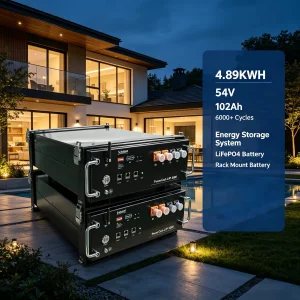
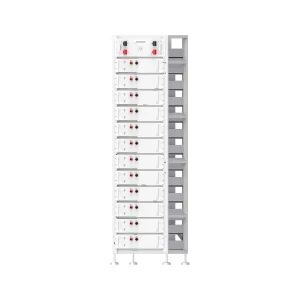
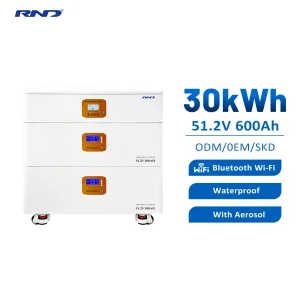
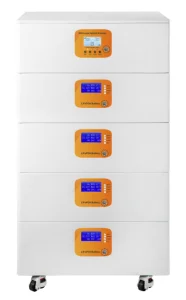
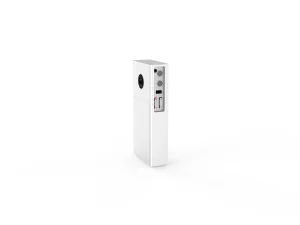
Compare technical features of our containerized systems, stackable residential setups, and hybrid integration systems designed for commercial and utility deployments.
 CCSC Energy