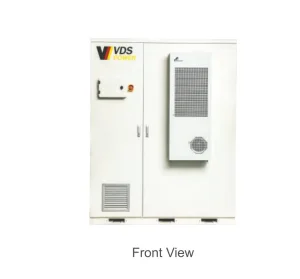
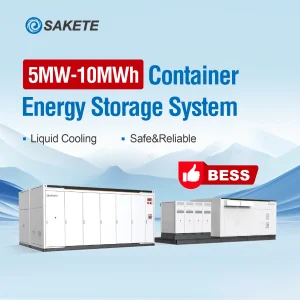
Explore our premium selection of integrated containerized energy storage units, hybrid cabinets, and high-voltage backup configurations designed for dynamic grid stabilization.
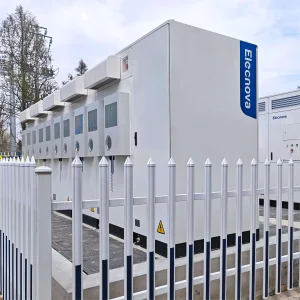
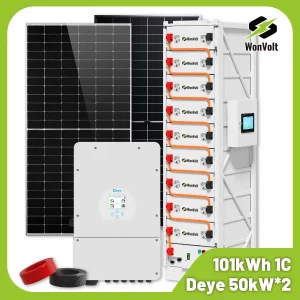
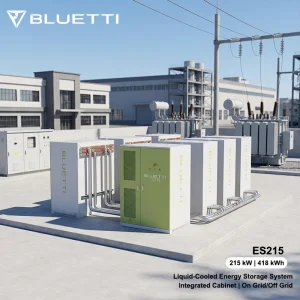
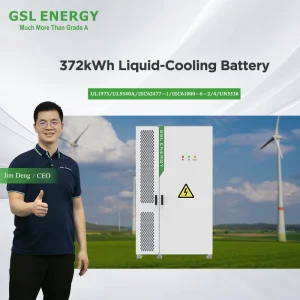
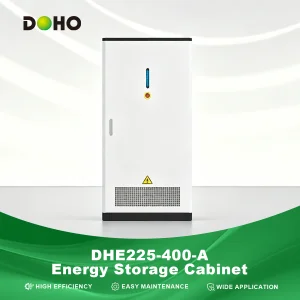
As the world transitions from centralized fossil-fuel generation to highly distributed renewable assets, structural vulnerabilities within regional grids have become apparent. Containerized Power Solutions, utilizing advanced Battery Energy Storage Systems (BESS), represent the modern solution to balancing supply and demand variability.
Globally, commercial and industrial (C&I) sectors face double pressures: escalating peak-demand tariffs and strict regulatory demands for carbon reduction. Modern containerized utility cabinets allow facilities to engage in peak-shaving, load-shifting, and emergency backup power. By packaging battery modules, liquid cooling systems, fire suppression, and bidirectional inverters into standard ISO containers (typically 20ft or 40ft), factories dramatically reduce site-commissioning times and infrastructure complexity.
For utilities and grid operators, large-scale BESS configurations provide essential ancillary services, including fast frequency response (FFR), dynamic voltage regulation, and black-start capabilities. By serving as virtual power plants (VPPs), distributed containerized battery units can act in concert to absorb excess solar and wind energy during peak production hours and inject it back during high-demand intervals, establishing a more resilient regional network.
Standardized off-the-shelf storage systems rarely fit the exact requirements of complex enterprise grids. A customized BESS relies on precision mechanical, thermal, electrical, and control engineering.
The choice between liquid cooling and forced air cooling is fundamental. Advanced utility containers integrate liquid cooling systems utilizing food-grade glycol-water mixtures. This maintains cell-to-cell temperature variations within ≤2°C, which extends battery cycle life by up to 20% compared to conventional air-cooled containers.
Our proprietary Smart Battery Management System (BMS) operates on three structural layers: a Local BMU (Battery Management Unit) for cell-level scanning; a Master SBMS (System BMS) to aggregate rack data; and a centralized Container Management System interfacing directly with the SCADA via Modbus TCP or CAN protocols.
Safety is paramount. Standard configurations incorporate early off-gas detection (carbon monoxide and hydrogen sensors), automated compartment-level aerosol or Novec 1230 gas fire suppression agents, and integrated structural fire barriers compliant with global NFPA 855 regulations.
Hangzhou CCSC Energy Co., Ltd. is a professional Energy Storage System Manufacturer specializing in battery energy storage, renewable power integration, and smart energy solutions for residential, commercial, industrial, and utility-scale applications. Based in Hangzhou, China, the company focuses on developing advanced energy storage technologies that help customers improve energy efficiency, enhance power reliability, and support the transition toward sustainable energy systems.
With expertise in energy storage engineering and system integration, CCSC Energy provides comprehensive solutions covering battery energy storage systems (BESS), renewable energy storage integration, commercial and industrial energy storage, backup power systems, microgrid applications, distributed energy infrastructure, and intelligent energy management platforms. Its solutions are designed to support a wide range of applications, including solar energy utilization, peak demand management, grid stabilization, emergency power supply, and energy cost optimization.
The company is committed to delivering safe, efficient, and scalable energy storage solutions tailored to the needs of modern energy users. Its engineering team works closely with customers, project developers, EPC contractors, and energy service providers to design systems that align with specific operational requirements, performance objectives, and regulatory standards. From project planning and system design to manufacturing and technical support, CCSC Energy offers comprehensive services throughout the project lifecycle.
Equipped with advanced manufacturing facilities and stringent quality management processes, the company emphasizes product reliability, operational safety, and long-term performance. Continuous investment in research and development enables CCSC Energy to integrate intelligent monitoring technologies, advanced battery management systems, and smart energy control platforms into its solutions.
Serving customers across Asia, Europe, North America, South America, the Middle East, and other global markets, Hangzhou CCSC Energy Co., Ltd. is dedicated to providing innovative energy storage solutions that support renewable energy adoption, strengthen power resilience, and contribute to a more efficient and sustainable energy future.
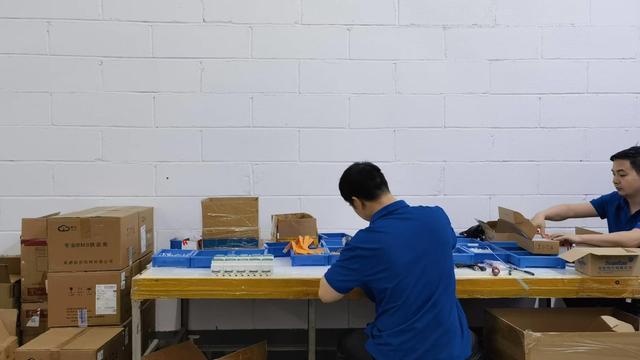
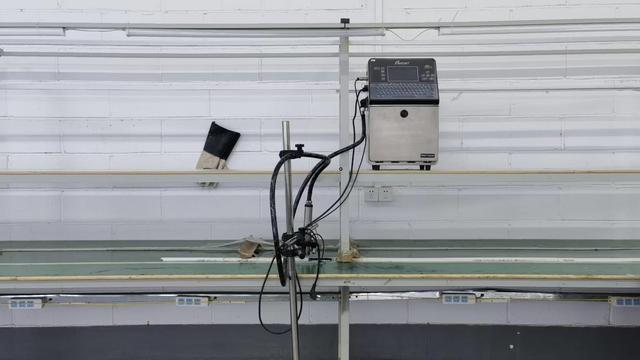
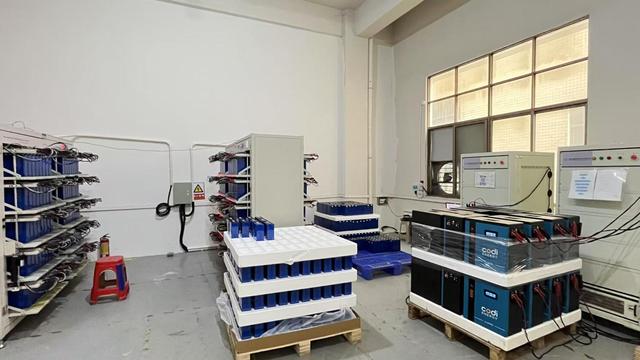
Our state-of-the-art facilities leverage automated cell grading, module sorting, automatic laser welding, and rigorous performance cycle testing. All containerized configurations undergo exhaustive Factory Acceptance Testing (FAT) under full load simulation conditions before container sealing and shipment.
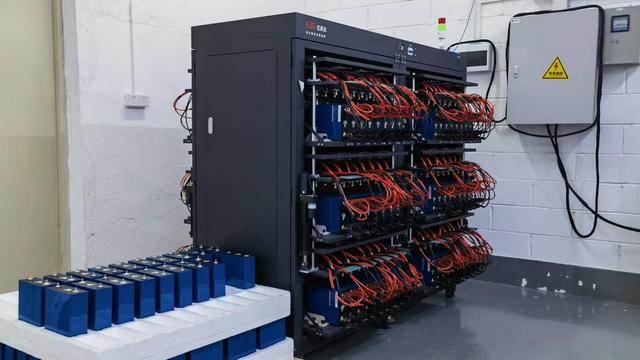
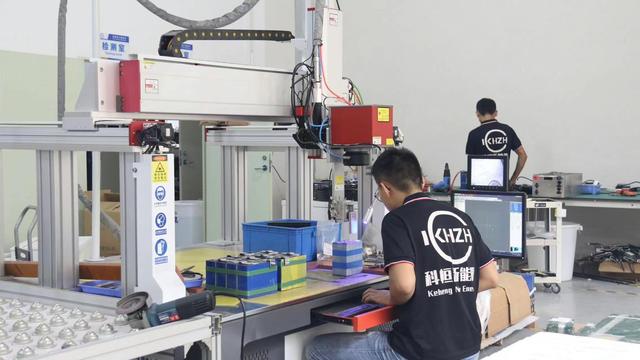
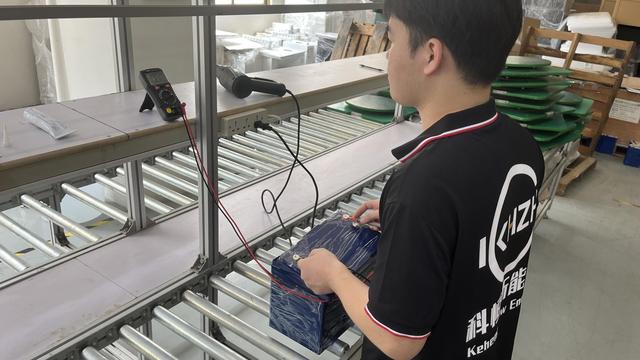
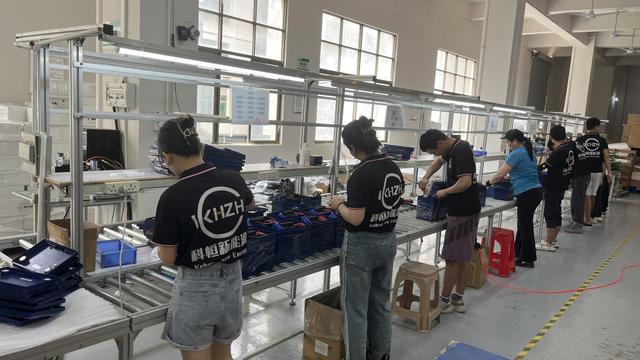
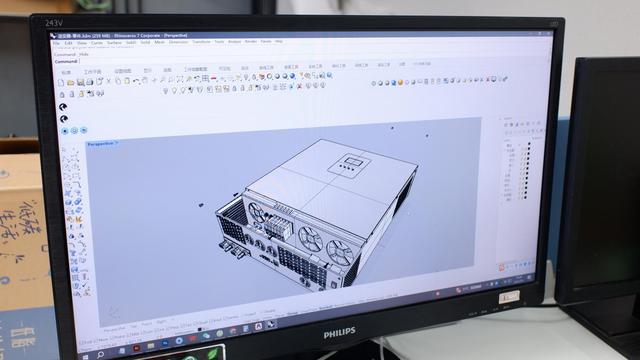
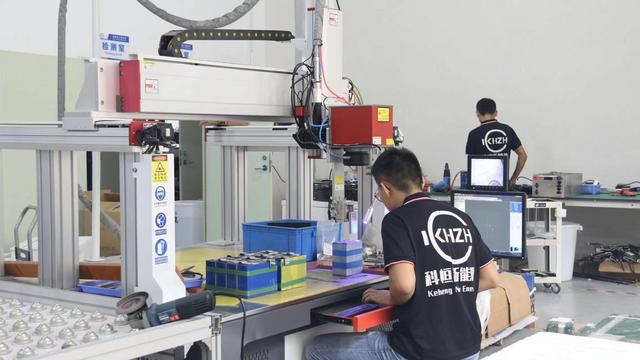
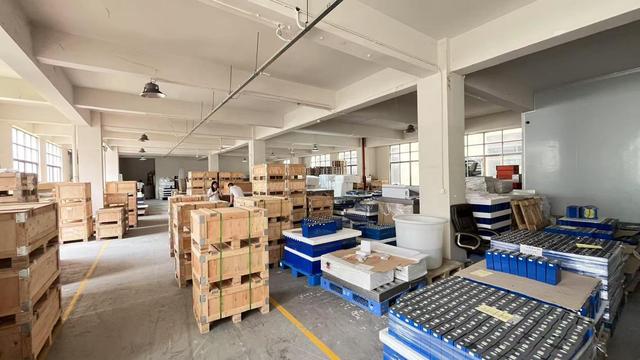
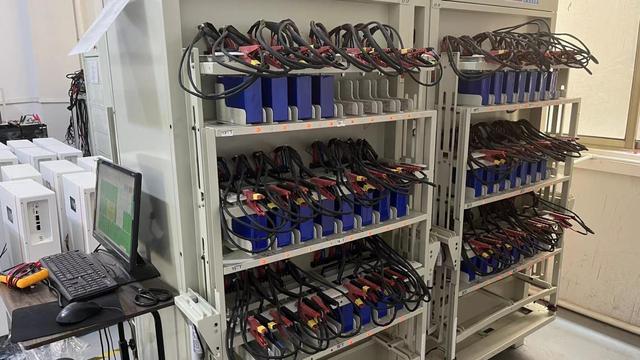
Containerized power units are engineered for diverse environments, providing specialized configurations for critical operational settings.
In high-density industrial zones, localized grid transformers frequently operate at peak design thermal capacity. Deploying containerized storage adjacent to substations relieves grid stress during maximum loading hours. The system charges during off-peak windows and injects power dynamically, eliminating the need for expensive substation upgrades.
Modern hyper-scale facilities require instantaneous power transfer. Standard containerized lithium-ion configurations deliver megawatts of backup power with microsecond transitions. These systems act as a high-density, reliable replacement for conventional diesel generator fleets.
Remote extraction operations off the central grid rely heavily on diesel generation. Integrating containerized solar PV and wind BESS units allows operators to run on green energy, reducing fuel consumption by up to 40% and offering an excellent return on investment (ROI).
As safety expectations and density targets rise, containerized energy solutions are shifting toward cleaner chemistries, advanced firmware, and AI-driven optimizations.
Although Lithium Iron Phosphate (LiFePO4) remains the industry standard due to its safety and cycle life, Sodium-ion (Na-ion) architectures are emerging as a cost-effective alternative for cold-weather climates. With superior low-temperature performance (-20°C retention at >80%) and stable raw material costs, Na-ion containers are transitioning from pilot projects to commercial deployment. Additionally, solid-state batteries promise to double container density within the next decade, eliminating thermal runaway risks.
Modern containerized setups do not operate in isolation. Using cloud-based EMS (Energy Management Systems), container nodes are linked to local energy markets. Machine learning algorithms predict grid demand, weather patterns, and local energy generation curves. This allows the system to autonomously determine the most profitable dispatch times, turning passive backup storage into an active revenue-generating asset.
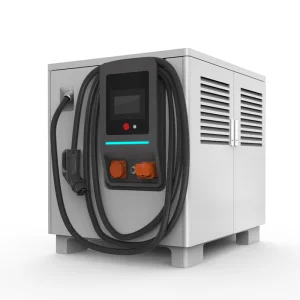
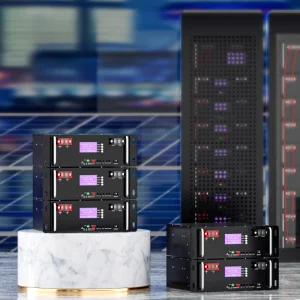
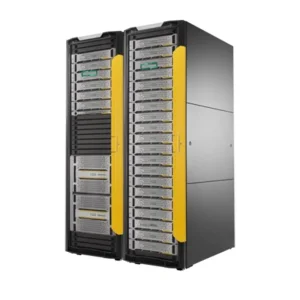
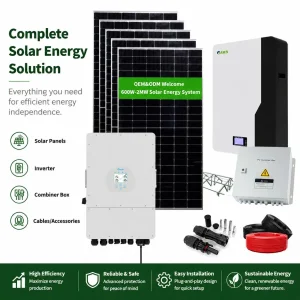
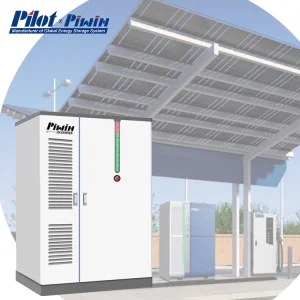
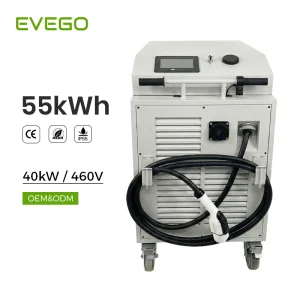
Explore additional products from our selection of PV modules, fast DC chargers, and scalable enterprise storage cabinets.
 CCSC Energy