High-capacity LiFePO4 cells, advanced thermal management systems, and smart integration controllers engineered for ultimate grid and commercial resilience.
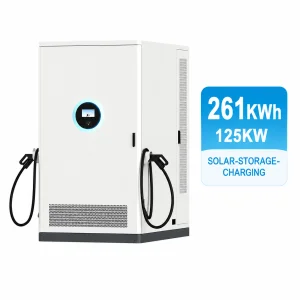
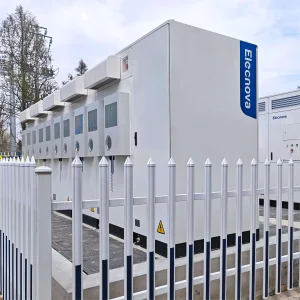
The global transition towards decarbonized infrastructure is no longer simply a mandate for environmental stewardship; it has evolved into a strategic imperative for operational continuity, cost mitigation, and regulatory compliance. Across key markets in Europe, North America, and the Asia-Pacific region, volatile energy pricing markets and grid instability are forcing industrial enterprises to migrate from centralized, fossil-fuel-reliant grids to decentralized, smart-energy nodes. This paradigm shift requires highly sophisticated Battery Energy Storage Systems (BESS) capable of performing complex load-shifting, frequency response, dynamic peak shaving, and seamless UPS transitions.
At the center of this transformation lies the integration of renewable assets. Wind and solar resources, while increasingly cost-competitive, suffer from inherent intermittency. Without robust storage capabilities, industrial operations face critical exposure to voltage sags, power outages, and high demand charges. By implementing megawatt-scale lithium iron phosphate (LFP) containers, corporations can capture surplus energy during periods of high generation and low tariff pricing, discharging it when demand peaks or during grid failure incidents. Consequently, industrial battery storage systems have become the fundamental stabilizing layer of modern power distribution networks.
Mitigate the severe impact of Demand Charge Tariffs by automatically discharging battery reserves during spike periods, significantly flattening the billing profile.
Participate in ancillary grid services, including frequency response and voltage support, converting static storage hardware into active revenue-generating assets.
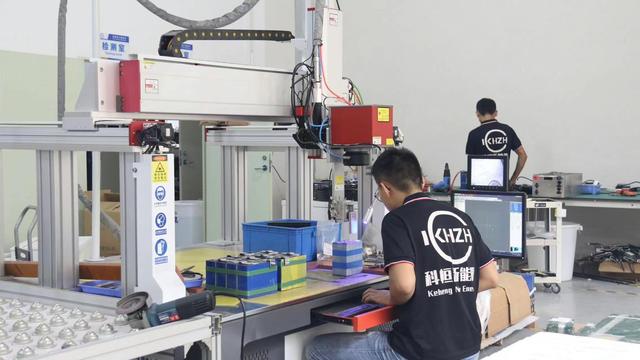
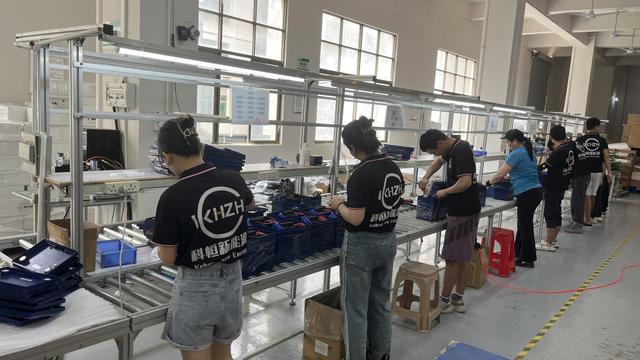
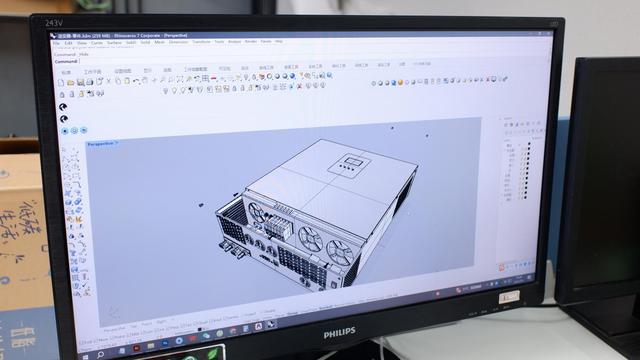
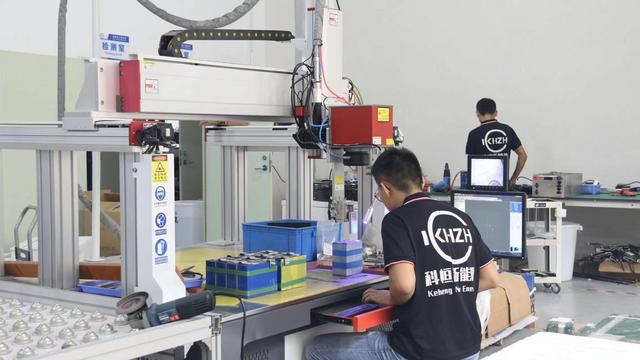
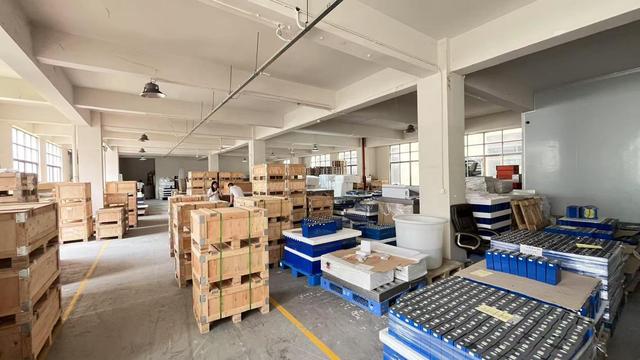
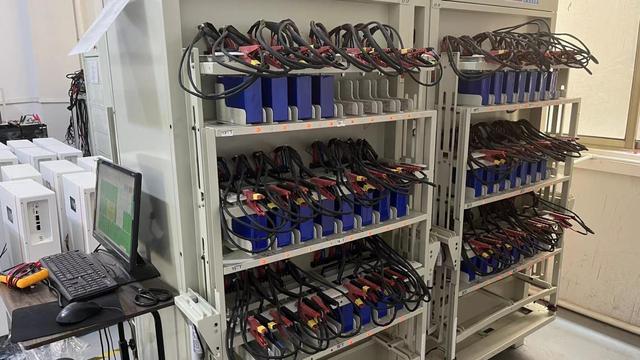
Why systemic cluster advantages, vertical raw material integration, and high-precision automation deliver superior return on investment for international procurement networks.
Immediate localization of active material refinement, cell fabrication, structural racking, and electronic sub-assemblies removes supply-chain latency, stabilizing costs against geopolitical fluctuations.
Strict adherence to rigorous manufacturing protocols ensures our exported energy platforms hold ISO, CE, UL, and UN38.3 certifications, guaranteeing seamless regulatory approval globally.
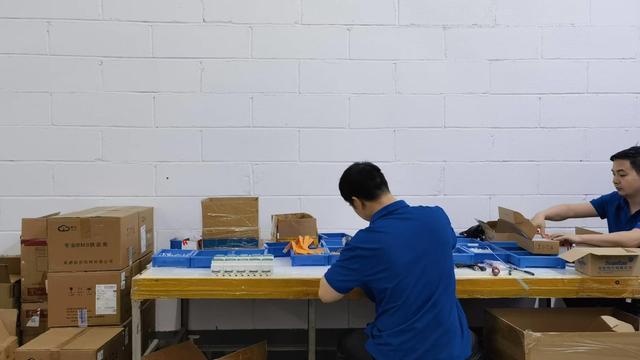
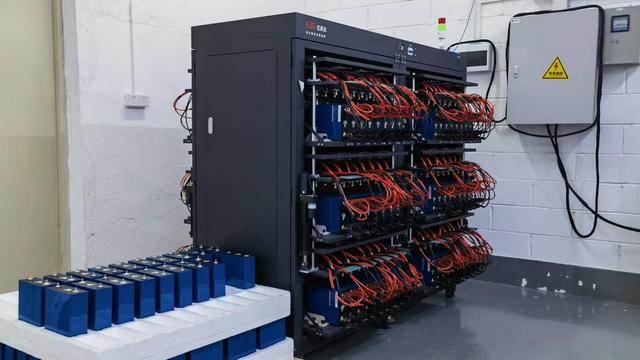
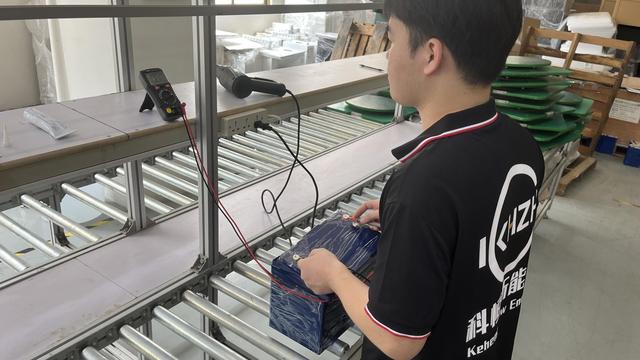
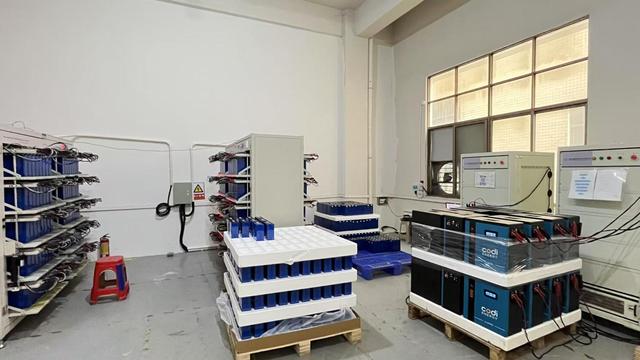
Every containerized system undergoes rigorous full-load thermal testing, insulation checks, and cycle-run validations in advanced testing laboratories prior to dispatch.
| Performance Standard metric | CCSC Energy LFP Technology | Conventional Industrial Systems | Operational Impact |
|---|---|---|---|
| Cell Lifespan (80% EoL @ 0.5C) | > 6,000 cycles | 3,500 - 4,000 cycles | Extends facility system amortization period by over 6 years. |
| Thermal Dissipation Scheme | Active Liquid Cooling (Indirect Glycol) | Forced Air Cooling Ventilation | Reduces cell-to-cell thermal variance to < 2.5°C, limiting degradation. |
| Smart BMS Sampling Rate | Real-time tracking down to milliseconds | Static 5-second interval reporting | Enables microsecond fault interruption, preventing thermal runaways. |
| Total Round-Trip Efficiency (RTE) | > 88% - 92% (System-level) | 80% - 84% | Lowers internal auxiliary energy loss during active operations. |
Hangzhou CCSC Energy Co., Ltd. is a professional Energy Storage System Manufacturer specializing in battery energy storage, renewable power integration, and smart energy solutions for residential, commercial, industrial, and utility-scale applications. Based in Hangzhou, China, the company focuses on developing advanced energy storage technologies that help customers improve energy efficiency, enhance power reliability, and support the transition toward sustainable energy systems.
With expertise in energy storage engineering and system integration, CCSC Energy provides comprehensive solutions covering battery energy storage systems (BESS), renewable energy storage integration, commercial and industrial energy storage, backup power systems, microgrid applications, distributed energy infrastructure, and intelligent energy management platforms. Its solutions are designed to support a wide range of applications, including solar energy utilization, peak demand management, grid stabilization, emergency power supply, and energy cost optimization.
The company is committed to delivering safe, efficient, and scalable energy storage solutions tailored to the needs of modern energy users. Its engineering team works closely with customers, project developers, EPC contractors, and energy service providers to design systems that align with specific operational requirements, performance objectives, and regulatory standards. From project planning and system design to manufacturing and technical support, CCSC Energy offers comprehensive services throughout the project lifecycle.
Equipped with advanced manufacturing facilities and stringent quality management processes, the company emphasizes product reliability, operational safety, and long-term performance. Continuous investment in research and development enables CCSC Energy to integrate intelligent monitoring technologies, advanced battery management systems, and smart energy control platforms into its solutions.
Serving customers across Asia, Europe, North America, South America, the Middle East, and other global markets, Hangzhou CCSC Energy Co., Ltd. is dedicated to providing innovative energy storage solutions that support renewable energy adoption, strengthen power resilience, and contribute to a more efficient and sustainable energy future.
A comparative technical analysis mapping optimal heat transfer mechanism, system degradation parameters, and cost metrics for high-density storage modules.
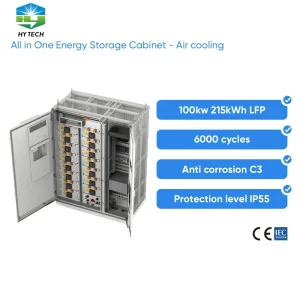
As pack density pushes beyond 100kW/200kWh inside standard cabinets, managing internal temperature distributions becomes critical. The choice between air-cooled mechanisms and liquid-glycol cooling loops dictates the long-term reliability and degradation patterns of LFP modules. In traditional air-cooled modules, internal cooling channels rely on forced air movement. This structure often results in hot spots inside packed cells due to uneven airflow, causing localized cell imbalances, accelerated SEI growth, and shortened lifetimes.
Conversely, liquid-cooled models utilize active circulation plates that run directly along module walls. By keeping the thermal gradient under 2.5°C across the system, liquid cooling maintains uniform charging conditions. This uniform temperature profile minimizes internal resistance variances, prevents runaway triggers, and sustains capacity retention over thousands of deep discharge cycles. While liquid cooling requires a higher upfront investment, it significantly reduces cooling energy requirements and extends product life, delivering a lower Levelized Cost of Storage (LCOS).
Additionally, modern BMS architectures leverage advanced algorithms to process real-time sensor inputs. By collecting cell-level voltage and temperature data, the BMS dynamically adjusts cooling flow rates, prevents localized overcharging, and mitigates isolation faults. Combining a robust liquid-cooled system with a smart BMS provides key structural safety layers, meeting strict fire and safety standards like UL9540A.
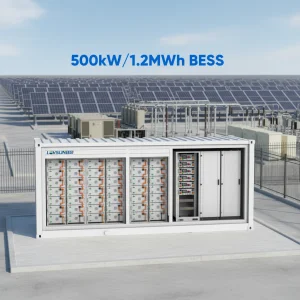
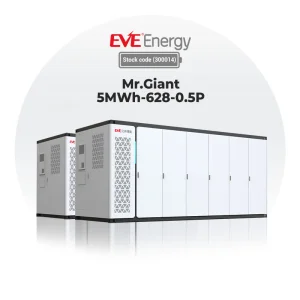
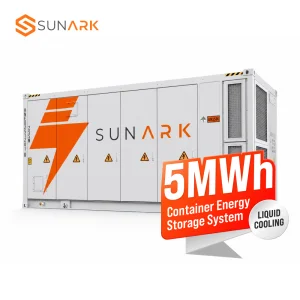
For operations with high cycling demands, such as peak shaving and solar load shifting, investing in liquid-cooled containerized systems (such as the 5MWh LFP configurations) ensures optimal thermal stability, safety, and long-term ROI.
Custom engineering solutions designed to address complex operational conditions and power quality requirements around the globe.
Configured for factories in high-tariff urban industrial zones. Automatically charges during low-cost night periods and discharges to offset utility spikes, delivering significant cost savings.
Integrates solar arrays and wind power with containerized batteries to provide steady, grid-independent electricity for isolated mines, remote islands, and agricultural hubs.
Delivers fast 10ms UPS backup capabilities for data centers, processing plants, and cold storage units, preventing data loss and physical inventory damage during outages.
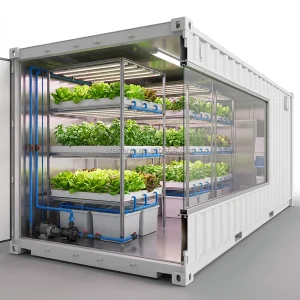
Supplies reliable power for vertical farming systems, powering grow lights, ventilation, and water pumps to maintain steady crop production conditions.
Key design parameters, system configuration insights, and export logistics answers compiled by our senior engineering division.
Liquid cooling systems use glycol-water mixtures to distribute heat evenly, limiting cell-to-cell differences to under 2.5°C. Air cooling uses internal fans and duct structures, which can create hot spots in larger systems. Liquid systems are highly recommended for high-duty cycles and systems over 200kWh to prevent thermal degradation.
We protect our systems through three key levels: high-stability LFP chemistry, cell-level sensors connected to a smart BMS, and active fire suppression systems (including aerosol or Novec 1230 gas and dry-pipe sprinklers), all meeting UL9540A safety standards.
Yes, our systems support both DC-coupled configurations (for high efficiency in new installations) and AC-coupled configurations (allowing simple connection to existing commercial solar setups via standard inverters).
Our storage systems are built using premium LFP chemistry, offering over 6,000 charge/discharge cycles at 80% Depth of Discharge (DoD) under nominal temperatures, equivalent to 15 years of daily operation.
We pre-assemble and test our storage systems in 20ft or 40ft containers at our factory before shipping. On-site setup involves positioning the container, connecting the AC power lines, and linking control communications to your local management system.
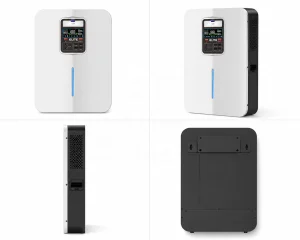
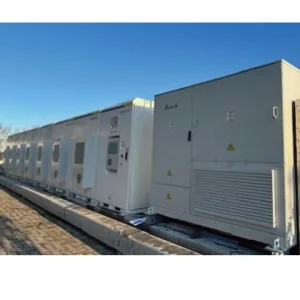
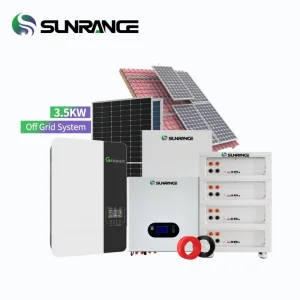
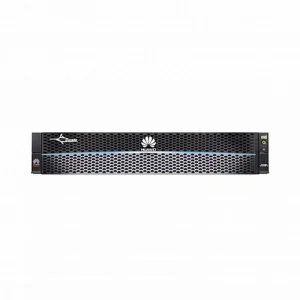
From modular, commercial hybrid setups to megawatt-scale utility battery containers, explore our highly configurable hardware designs.
 CCSC Energy