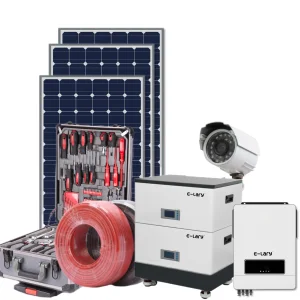
Hangzhou CCSC Energy Co., Ltd. is a globally recognized, professional Energy Storage System Manufacturer specializing in state-of-the-art battery energy storage systems (BESS), utility-scale renewable power integration, and smart energy solutions. Serving the residential, commercial, industrial, and utility-scale sectors, CCSC Energy represents the vanguard of Chinese engineering excellence.
Operating from our headquarters in Hangzhou, China, we focus heavily on the research, development, and high-precision manufacture of advanced energy technologies. Our systems are specifically engineered to assist global clients in enhancing power reliability, maximizing efficiency, reducing carbon footprints, and ensuring a seamless, resilient transition toward sustainable, decentralized energy frameworks.
With years of experience in system integration, our engineering and execution divisions work alongside grid administrators, commercial enterprises, project developers, EPC contractors, and global power utilities. We provide custom-tailored answers to mitigate peak demand spikes, stabilize volatile grids, secure emergency backup power, and optimize overall operational expenditures.
Across modern international markets, commercial and industrial (C&I) enterprises, infrastructure operators, and utility managers are grappling with unprecedented grid vulnerability. Severe weather incidents fueled by climate instability, aging national transmission grids, escalating peak tariffs, and strict corporate ESG (Environmental, Social, and Governance) targets have transformed energy security from a minor utility cost into a central operational risk.
As a result, global procurement demands for Resilient Power Solutions have shifted from simple standby generator sets to advanced, integrated energy storage systems. Companies in North America, Europe, the Asia-Pacific region, and the Middle East now prioritize long-duration storage systems, high-rate discharge capabilities, and smart automated control options. To satisfy these demands, systems must offer flawless efficiency, cost-competitiveness, and absolute reliability.
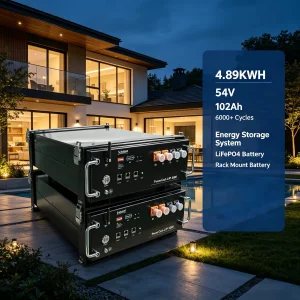
Global procurement teams mandate systems that strictly prevent thermal runaway. The use of intrinsically stable battery cells (such as Lithium Iron Phosphate or LiFePO4), combined with advanced liquid cooling and multi-layered safety mechanisms, has become the industry standard for commercial and municipal contracts.
In regions with high demand charges, factories leverage energy storage to draw from the grid during low-tariff hours and discharge during peak demand periods. This capability significantly reduces monthly electricity expenditures while shielding the facility from voltage drops and micro-outages.
For remote operations, critical data centers, mines, and isolated agricultural hubs, resilient energy systems enable a stable, localized microgrid. This integration combines local solar generation with storage to maintain uninterrupted uptime, independent of centralized grid connections.
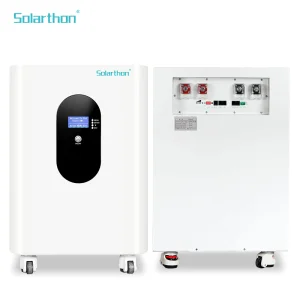
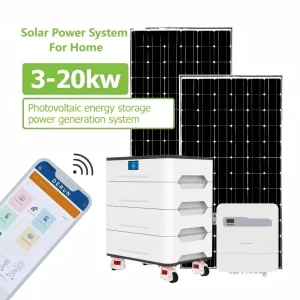
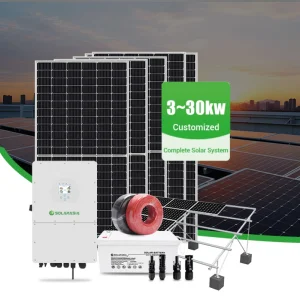
CCSC Energy develops and integrates modular, high-capacity hardware and software platforms that address the complete lifecycle of modern power distribution. From domestic backup units to multi-megawatt grid stabilization containers, our portfolio delivers targeted, reliable solutions:
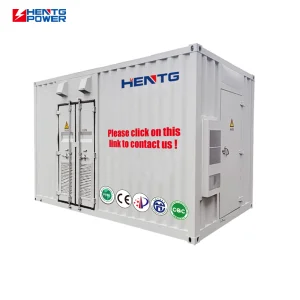
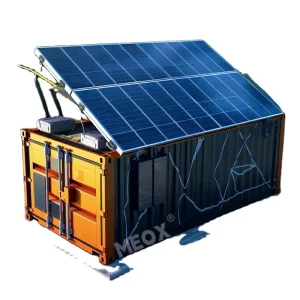
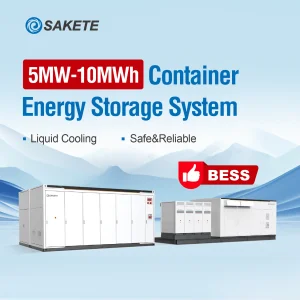
Large-scale photovoltaic plants and wind farms face significant output instability due to changing weather conditions. CCSC Energy supplies high-capacity battery containers (such as our 500kW to 10MWh BESS options) and solar inverter integrated cabins to resolve this. By absorbing excess energy and releasing it as needed, these systems smooth out output fluctuations, manage ramp rates, and enable solar and wind power to serve as predictable, dispatchable resources.
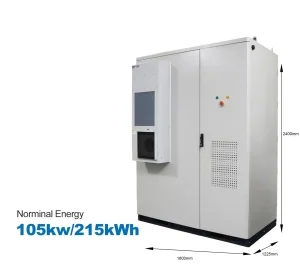
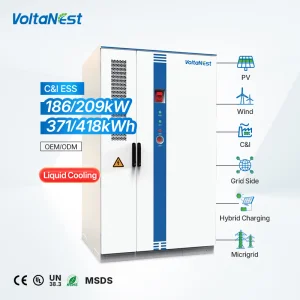
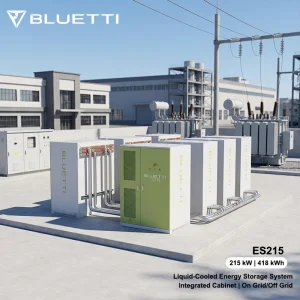
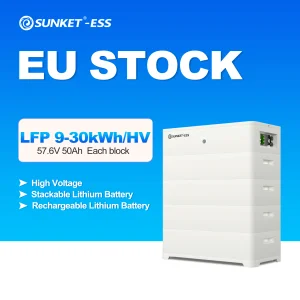
Manufacturing plants, assembly factories, chemical processors, and server farms require zero-tolerance backup power. Our C&I energy storage cabinets utilize advanced liquid cooling technology to maintain uniform cell temperatures. This setup delivers fast-acting backup power during sudden outages, keeping assembly lines online and preventing expensive process interruptions.
For islands, remote mining areas, and off-grid settlements, constructing physical transmission lines is often economically impractical. CCSC Energy designs customized, self-sustaining microgrid architectures. These systems integrate local PV arrays, wind turbines, and diesel generators with a central battery storage system, providing continuous, stable power while reducing fuel consumption and maintenance costs.
At Hangzhou CCSC Energy Co., Ltd., our engineering vision centers on long-term safety, elevated efficiency, and smart, system-wide management. The future of energy storage is driven by key technological shifts, and our development roadmap is aligned to lead this evolution:
High-density battery systems generate substantial heat during rapid charge and discharge cycles. While air cooling is simple, it often results in uneven temperature distribution, which accelerates cell degradation. CCSC Energy’s advanced liquid cooling solutions use a closed-loop design to circulate coolant directly through the battery modules. This keeps internal cell temperature variations within a narrow ±2°C range, which extends battery life by up to 20% and significantly reduces the risk of thermal runaway.
Modern energy systems must operate dynamically rather than passively. Our control architecture features a multi-tiered Battery Management System (BMS) integrated with cloud-based Energy Management Software (EMS). This setup monitors cell parameters, state of charge (SoC), and state of health (SoH) in real time. Incorporating AI-driven predictive modeling, our systems forecast load demands, schedule battery usage based on real-time power rates, and alert operators to potential maintenance needs before they affect performance.
Looking ahead, we are actively researching semi-solid and solid-state chemistries to further improve energy density and safety. Additionally, we focus on engineering robust cabinets rated IP54 and IP65. These systems are designed to operate reliably in extreme environments, from hot desert project sites to sub-zero high-altitude installations.
Deploying high-voltage energy storage systems worldwide requires strict adherence to regional safety standards and grid integration rules. As a global manufacturer, CCSC Energy design processes conform to international benchmarks, ensuring seamless installation, fast permitting, and long-term bankability:
Our solar inverters and energy storage containers are engineered to meet strict utility requirements, including IEEE 1547, UL 1741, and European grid codes. This compliance supports rapid, hassle-free grid connection and ensures safe co-operation with local utilities.
CCSC Energy products undergo rigorous testing to secure vital safety certifications, including UL 9540, UL 9540A, CE, and UN 38.3. These credentials verify that our systems can safely manage thermal runaway risks and are approved for sea and land transit.
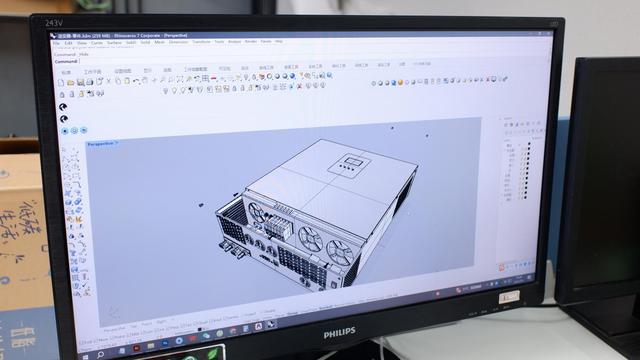
We provide comprehensive lifecycle support for every project. From preliminary design and simulation to installation oversight, commissioning, and remote maintenance, our support teams ensure your system operates at peak performance.
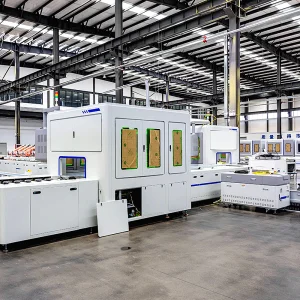
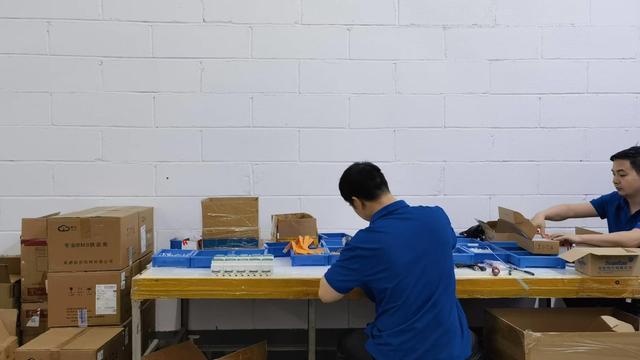
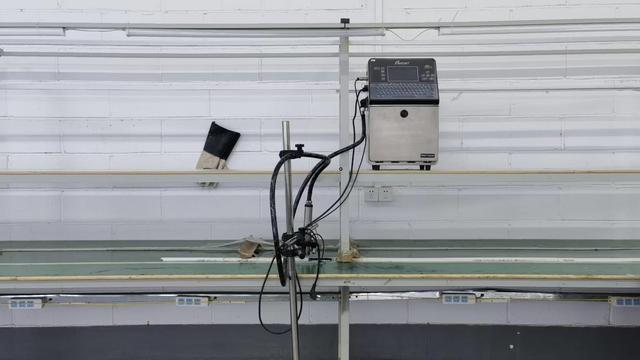
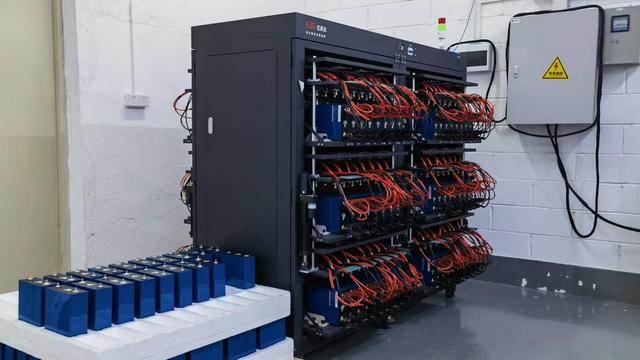
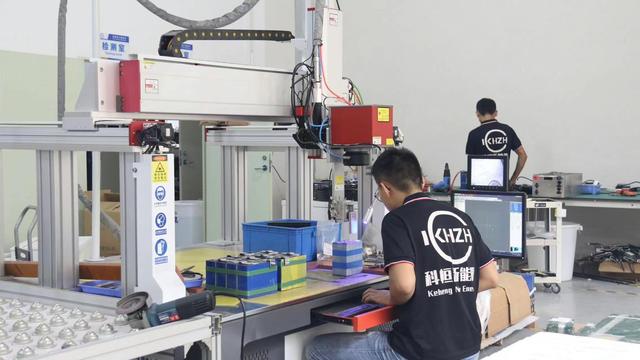
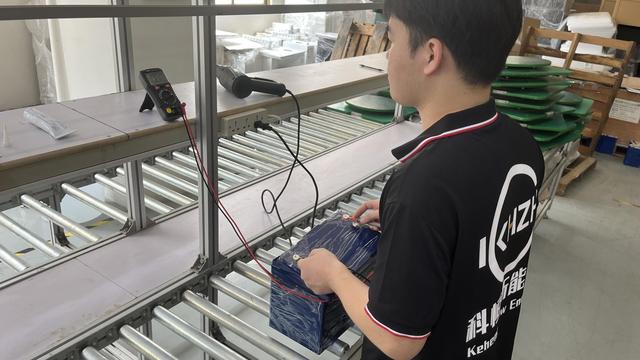
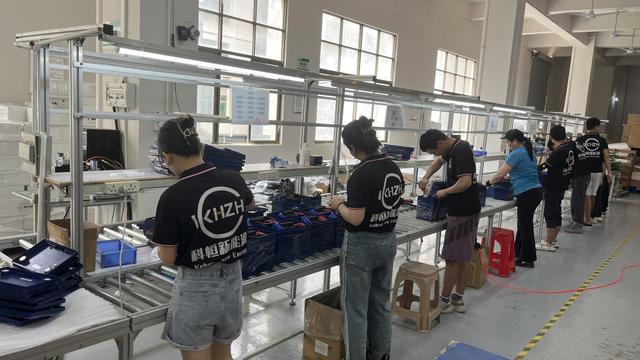
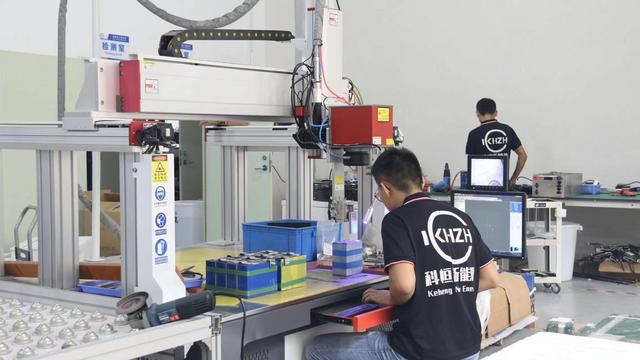
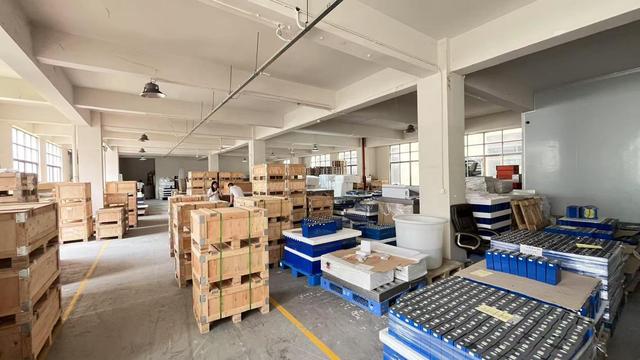
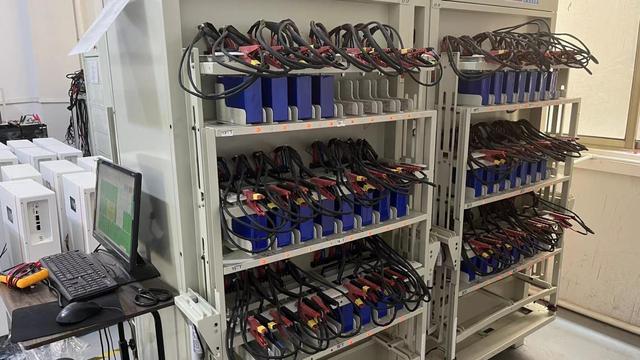
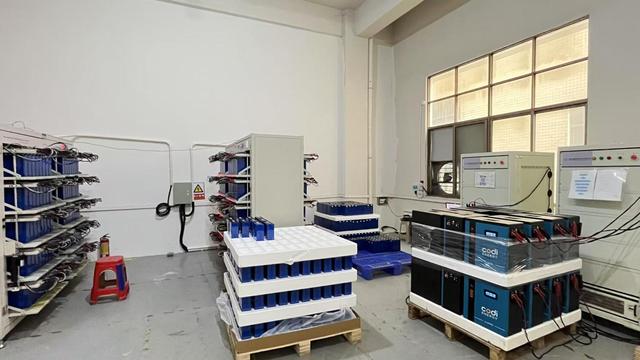
Our manufacturing facility in Hangzhou employs strict quality management workflows, precision assembly systems, and comprehensive automated testing. Below is an inside look at our assembly lines, component integration bays, container fabrication yards, and testing centers.
 CCSC Energy