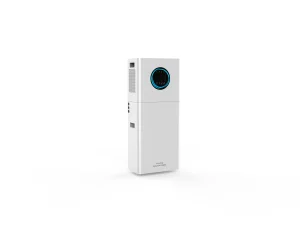
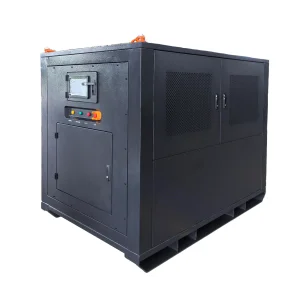
Engineered for high performance, thermal stability, and seamless grid synchronization to withstand Malaysia’s unique environmental conditions.
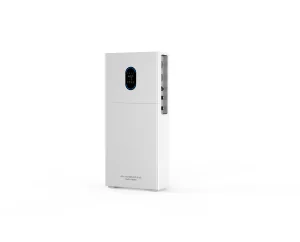
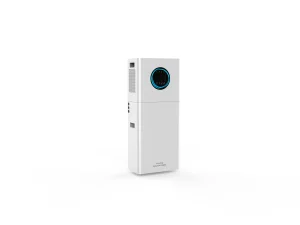
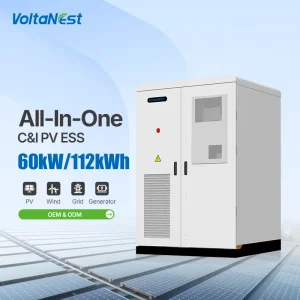
"As Malaysia moves aggressively toward its National Energy Transition Roadmap (NETR), aiming for 70% renewable capacity by 2050, distributed energy storage systems (BESS) represent the missing link in stabilizing the regional grid network."
Malaysia is currently experiencing a rapid industrial and commercial transformation. The rise of heavy industries in regions such as Selangor, Johor, and Penang, combined with the explosive growth of high-density data centers, has strained existing transmission networks. Tenaga Nasional Berhad (TNB) and Sabah Electricity Sdn. Bhd. (SESB) face the difficult task of balancing the intermittent supply from solar installations with stable grid demand.
Under the Net Energy Metering (NEM 3.0 Nova) program, commercial and industrial (C&I) organizations are finding that self-consumption paired with battery storage offers the highest economic return. By using Distributed Energy Storage Systems (BESS), industrial consumers can implement peak shaving—storing excess solar energy during mid-day and discharging it during peak hours—to optimize electricity bills under the Enhanced Time of Use (ETOU) tariff scheme.
Navigating the complexity of choosing international BESS equipment, local grid compliance, and hot-climate engineering requirements.
For multinational procurement directors, energy project developers, and Engineering, Procurement, and Construction (EPC) contractors in Southeast Asia, selecting the right energy storage partner is critical. Thermal runway risks in tropical climates represent a primary safety and operational concern. High humidity and high ambient temperatures place significant stress on battery cells, demanding robust, high-reliability enclosures and active climate-control cooling solutions.
Another major challenge lies in grid integration. TNB requires strict compliance with their grid guidelines before permitting grid connection. This calls for distributed energy storage systems that feature certified smart controllers and bidirectional Power Conversion Systems (PCS) designed to handle real-time active and reactive power control.
Our solutions tackle these procurement and operational hurdles directly. Every system is built using high-grade Lithium Iron Phosphate (LiFePO4) cell chemistry, widely recognized as the safest and most resilient battery technology for hot and humid climates. By pairing this with advanced liquid-cooling or forced-air cooling systems, we maintain stable operating temperatures, preventing cell degradation and ensuring a lifespan that exceeds 6,000 cycles at 80% Depth of Discharge (DoD).
When importing systems into Malaysia, ensure compliance across these parameters:
A comprehensive roadmap outlining how we transition commercial estates, factories, and remote facilities to zero-carbon reliance.
By configuring the onboard Energy Management System (EMS) to detect load spikes, the system automatically discharges power during high-rate periods, bypassing high utility rates. Conversely, it charges when grid rates drop or when solar output peaks, ensuring the lowest average cost of electricity.
In rural Sarawak and Sabah, where grid extension is expensive, our distributed containers integrate directly with solar arrays and backup diesel generators. The PCS maintains a stable virtual grid voltage and frequency, dramatically reducing diesel fuel consumption and maintenance costs.
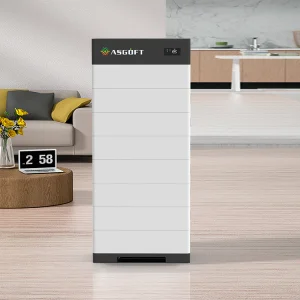
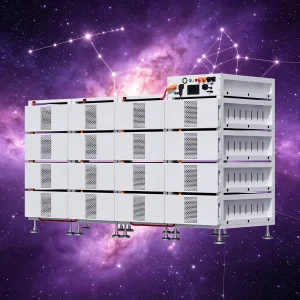
For medium-voltage grid connections, stackable high-voltage configurations reduce DC-side cabling losses and lower overall balance of system (BOS) costs. These scalable racks allow simple capacity expansions as facility operations scale, minimizing upfront capital investment.
Uncontrolled heat is the primary enemy of lithium battery systems. In regions like Malaysia, where ambient temperatures regularly hover around 30°C to 35°C, batteries can experience rapid thermal degradation if improperly managed. This challenge guides our product engineering and design choices.
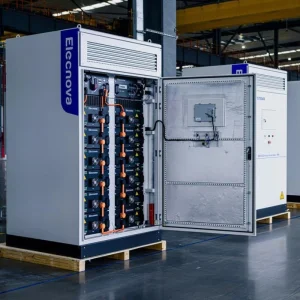
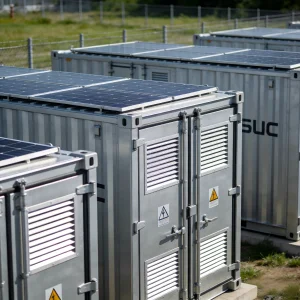
Our containerized battery cabinets employ high-efficiency liquid cooling plates or smart HVAC controls that circulate fluid directly across the module cells. This keeps cell-to-cell temperature variations under 2°C, preventing local hotspots and maintaining balanced, long-lasting performance across the entire battery pack.
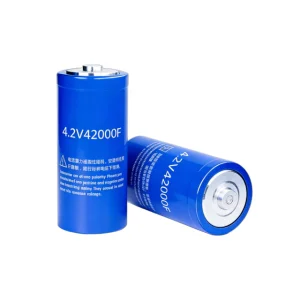
Looking ahead, we are incorporating cloud-based, AI-driven diagnostics into our EMS. This software continuously monitors cell voltage, impedance, and operating temperature to predict and isolate faulty cells before they can affect system operations. Our R&D efforts also focus on high-frequency supercapacitor integration, offering fast-charging, high-current backup systems designed to handle demanding industrial startups.
A pioneering global leader in battery energy storage, system integration, and smart energy optimization.
Hangzhou CCSC Energy Co., Ltd. is a professional Energy Storage System Manufacturer specializing in battery energy storage, renewable power integration, and smart energy solutions for residential, commercial, industrial, and utility-scale applications. Based in Hangzhou, China, the company focuses on developing advanced energy storage technologies that help customers improve energy efficiency, enhance power reliability, and support the transition toward sustainable energy systems.
With expertise in energy storage engineering and system integration, CCSC Energy provides comprehensive solutions covering battery energy storage systems (BESS), renewable energy storage integration, commercial and industrial energy storage, backup power systems, microgrid applications, distributed energy infrastructure, and intelligent energy management platforms. Its solutions are designed to support a wide range of applications, including solar energy utilization, peak demand management, grid stabilization, emergency power supply, and energy cost optimization.
The company is committed to delivering safe, efficient, and scalable energy storage solutions tailored to the needs of modern energy users. Its engineering team works closely with customers, project developers, EPC contractors, and energy service providers to design systems that align with specific operational requirements, performance objectives, and regulatory standards. From project planning and system design to manufacturing and technical support, CCSC Energy offers comprehensive services throughout the project lifecycle.
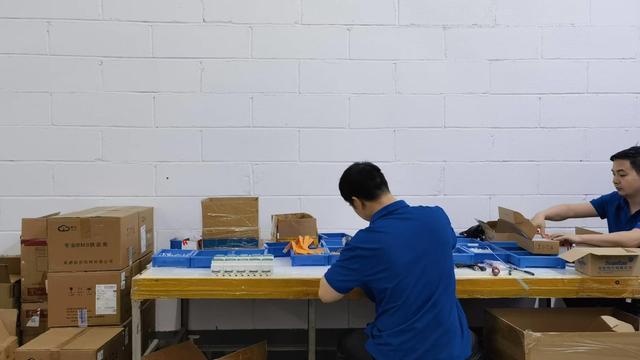
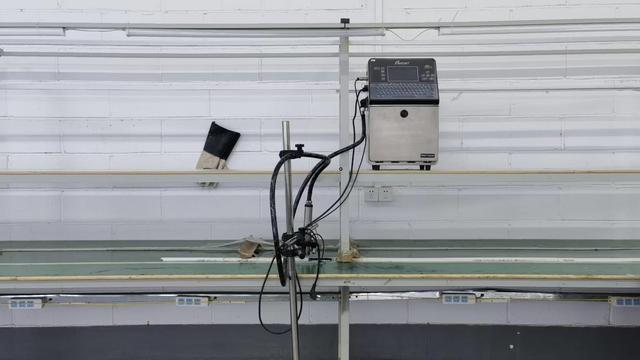
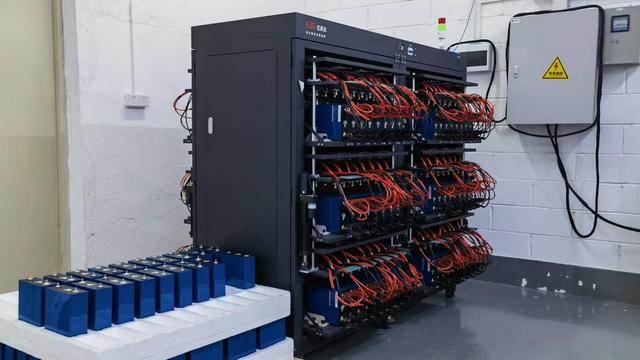
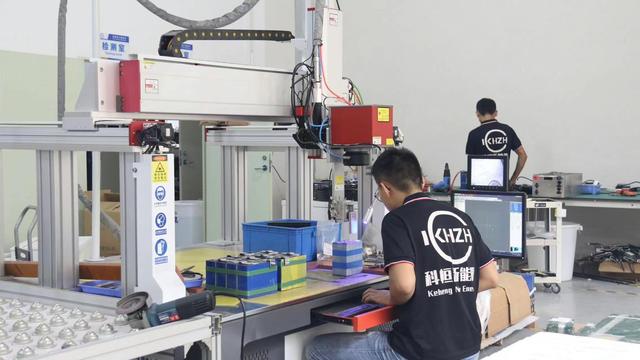
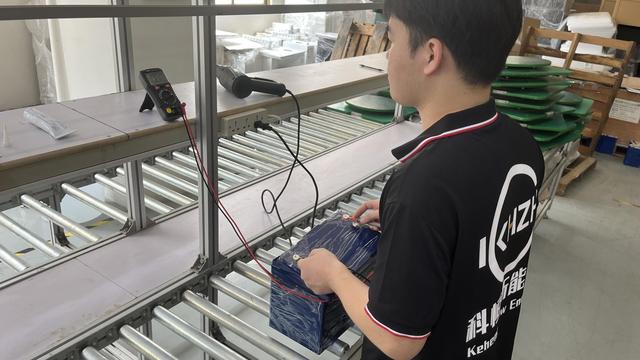
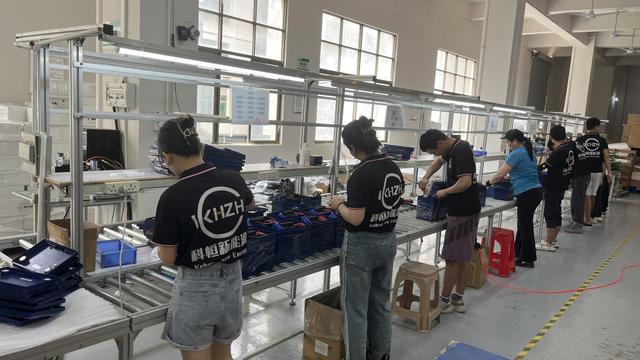
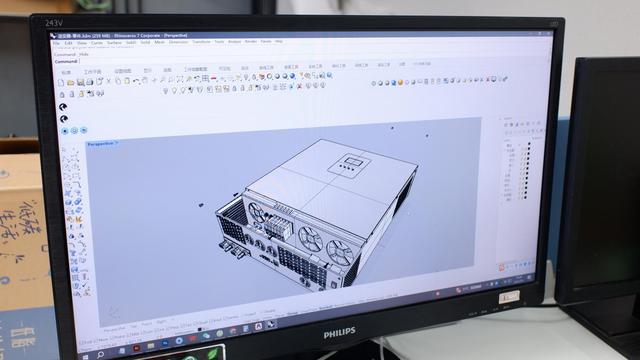
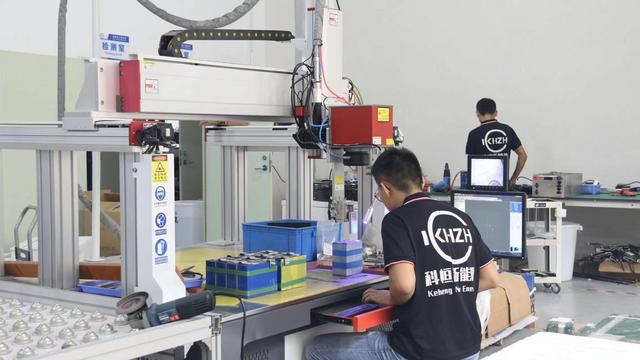
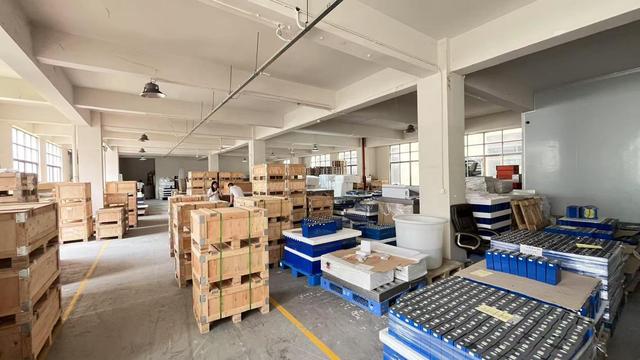
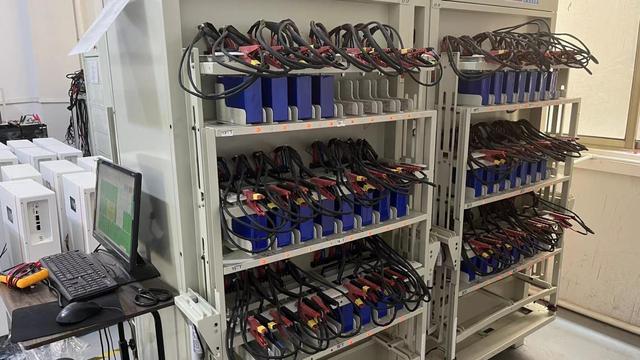
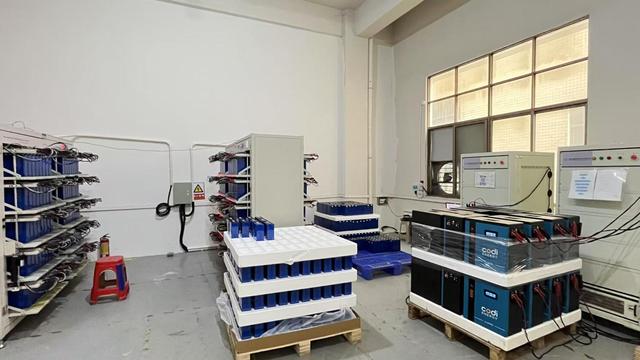
Equipped with advanced manufacturing facilities and stringent quality management processes, the company emphasizes product reliability, operational safety, and long-term performance. Continuous investment in research and development enables CCSC Energy to integrate intelligent monitoring technologies, advanced battery management systems, and smart energy control platforms into its solutions.
Serving customers across Asia, Europe, North America, South America, the Middle East, and other global markets, Hangzhou CCSC Energy Co., Ltd. is dedicated to providing innovative energy storage solutions that support renewable energy adoption, strengthen power resilience, and contribute to a more efficient and sustainable energy future.
In-depth technical answers addressing deployment, safety standards, and performance under Malaysian grid conditions.
Malaysia’s tropical climate features consistently high ambient temperatures and humidity, which can accelerate capacity loss if lithium-ion cells are left uncooled. Our BESS designs feature active thermal management (forced-air cooling for smaller footprints and closed-loop liquid cooling for utility-scale systems). Our systems maintain target cell temperatures of 20°C to 28°C, ensuring a cycle life exceeding 6,000 cycles and preventing thermal degradation.
Yes. Our distributed energy storage systems are certified to UN 38.3, IEC 62619, and CE standards, which are highly respected by Suruhanjaya Tenaga (ST). For larger installations, our containers are equipped with early-warning off-gas sensors, fire-rated insulation, and automated aerosol or clean-agent fire suppression systems. This design aligns with safety guidelines set by the Malaysian Fire and Rescue Department (Bomba).
Our intelligent EMS tracks real-time power consumption and grid fees. It is programmed with the exact time-windows of TNB’s Enhanced Time of Use (ETOU) tariff scheme. The system automatically charges the battery bank during low-tariff, off-peak hours (or via onsite solar output) and discharges it during high-rate peak hours. This peak shaving strategy minimizes maximum demand charges and lowers overall energy bills.
Yes. Our commercial systems feature bidirectional Power Conversion Systems (PCS) with grid-forming capability. In remote areas like Sarawak or Sabah, the system can sync with diesel generators, forming a stable local microgrid. The system prioritizes solar power and battery storage, running the generator only as a backup or to recharge batteries, which significantly reduces fuel consumption and wear on the generator.
We offer engineering support throughout the project lifecycle—from planning and sizing to commissioning and remote monitoring. Our hardware is backed by standard performance warranties, with options for extended service level agreements (SLAs). We work closely with local engineering partners to provide quick response times for onsite support and maintenance.
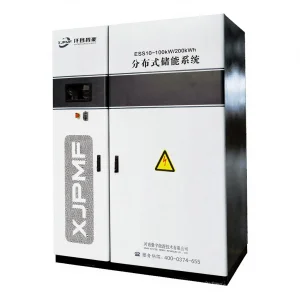
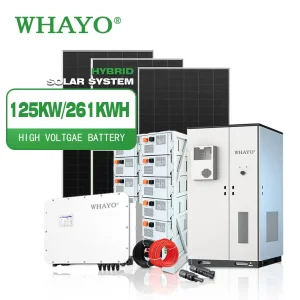
A diverse range of containerized, modular, and high-voltage energy storage systems designed for robust integration into Malaysia's electrical infrastructure.
 CCSC Energy