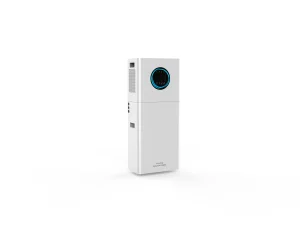
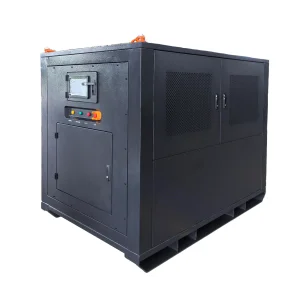
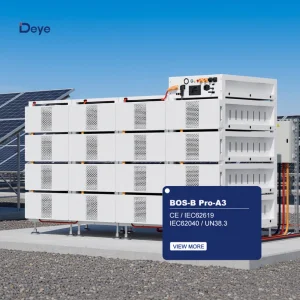
Engineered for high-humidity, high-temperature island climates, these systems deliver reliable grid-tied, hybrid, and off-grid performance.
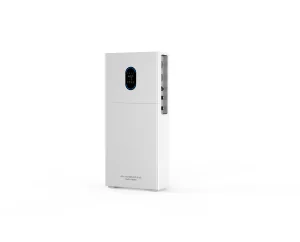
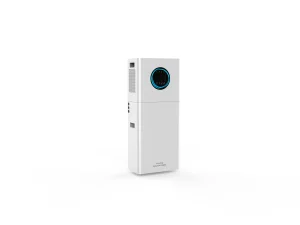
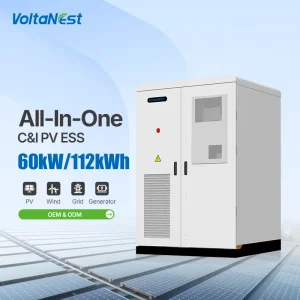
The Philippines presents one of the most unique and challenging energy profiles in the Asia-Pacific region. Boasting some of the highest retail electricity rates in Asia (often exceeding ₱10 to ₱13 per kWh in major grid zones like Meralco), the country's commercial and industrial (C&I) sectors operate under heavy operational margins. Grid instability, periodic brownouts, and vulnerability to extreme weather events (such as typhoons) further compound these challenges, making off-grid and distributed energy solutions a critical strategic imperative rather than a luxury.
Distributed Energy Storage Systems (BESS) are transforming how factories, manufacturing plants, malls, agricultural processors, and remote island microgrids manage power. By combining local solar PV generation with advanced energy storage, Philippine enterprises can perform peak shaving, load shifting, and seamless emergency backup, turning high electricity costs into a competitive advantage.
“According to the Philippine Department of Energy (DOE) PEP 2020-2040, the national energy mandate targets a 35% renewable energy share in the power generation mix by 2030, rising to 50% by 2040. Distributed energy storage is the cornerstone infrastructure required to achieve these targets without destabilizing the national grid.”
The rapid descent in localized battery production costs and the simultaneous rise of high-efficiency Lithium Iron Phosphate (LiFePO4) chemistries are shifting market dynamics. In the Philippines, this manifests in three key trends:
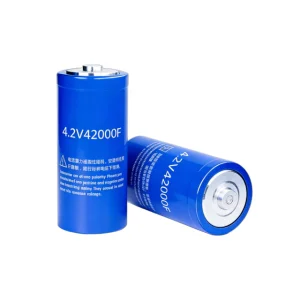
Modern energy storage requires chemistries that can withstand tropical environments. While standard lithium-ion formulations suffer accelerated degradation in ambient temperatures above 30°C, Hangzhou CCSC Energy designs systems featuring advanced liquid-cooling systems and fire suppression designs built around LFP (Lithium Iron Phosphate) cells. Furthermore, research in hybrid supercapacitors provides rapid charge-discharge capabilities suited for highly dynamic industrial operations with heavy starting currents.
Fully compatible with existing PV, Diesel Genset, and Utility Grid connections with automatic transfer capabilities.
Store cheap power during off-peak times and discharge during premium peak rate periods to maximize savings.
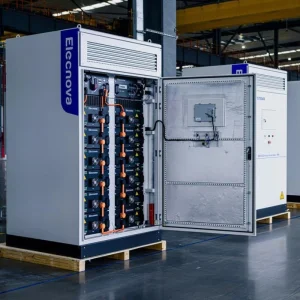
Advanced HVAC, multi-stage fire suppression systems, and anti-corrosive coatings designed for maritime salty air.
Achieving E-E-A-T class system reliability requires precision management down to the distribution unit and server cabinet level.
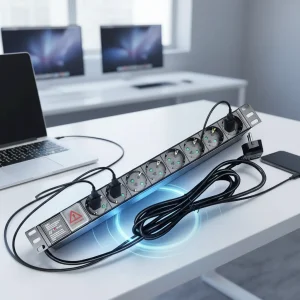
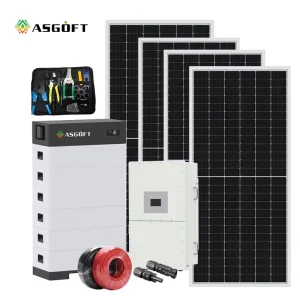
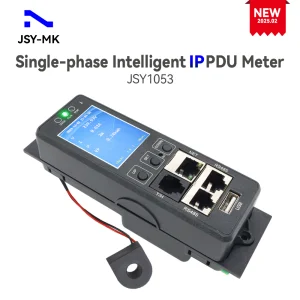
When procurement managers from the Philippines import large-scale BESS configurations, compliance with local utility regulations is paramount. The Energy Regulatory Commission (ERC) and the National Grid Corporation of the Philippines (NGCP) enforce stringent safety, harmonics, and safety trip thresholds. A non-compliant storage system risks rejection during final testing and commissioning.
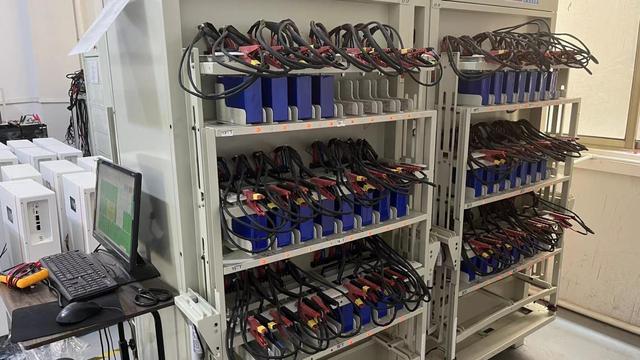
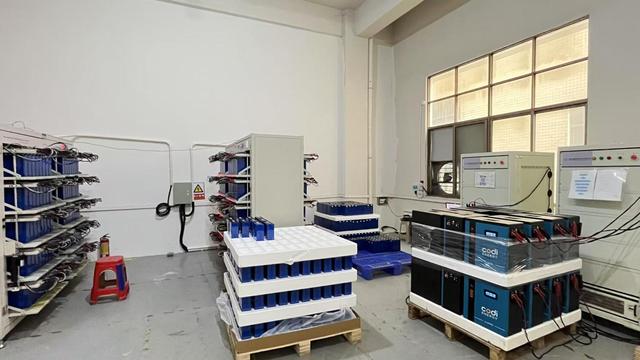
Hangzhou CCSC Energy works closely with local EPC contractors, electrical engineers, and project developers to deliver systems customized for Philippine standards. From providing full factory testing reports to helping configuration engineers write the Modbus/TCP or CAN register maps for local EMS integration, our support covers the entire project lifecycle.
Our utility-grade containerized systems utilize tier-1 components that are pre-approved under international standards (UN38.3, UL9540A, IEC62619, and CE). This ensures smoother customs clearance at major national ports such as the Port of Manila, Batangas, and Cebu, reducing import lead times and logistical delays.
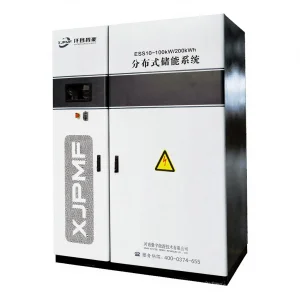
Heavy-duty, high-capacity distributed energy systems engineered to provide grid-scale backup, peak shaving, and microgrid stabilization.
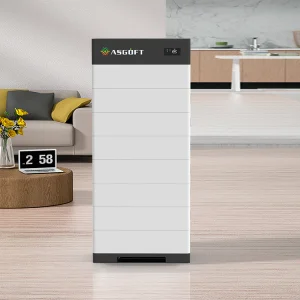
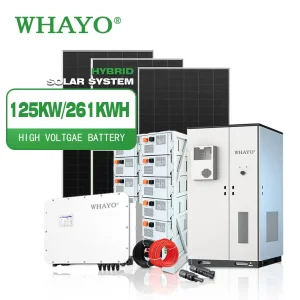
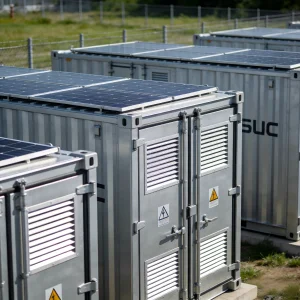
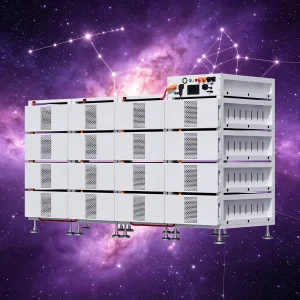
A global energy storage system manufacturer specializing in battery energy storage, renewable power integration, and smart energy solutions.
Hangzhou CCSC Energy Co., Ltd. is a professional Energy Storage System Manufacturer specializing in battery energy storage, renewable power integration, and smart energy solutions for residential, commercial, industrial, and utility-scale applications. Based in Hangzhou, China, the company focuses on developing advanced energy storage technologies that help customers improve energy efficiency, enhance power reliability, and support the transition toward sustainable energy systems.
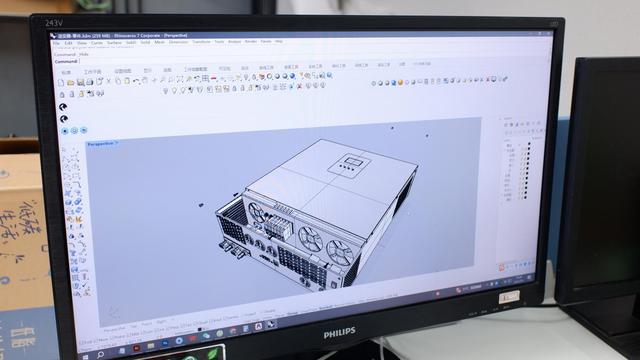
With expertise in energy storage engineering and system integration, CCSC Energy provides comprehensive solutions covering battery energy storage systems (BESS), renewable energy storage integration, commercial and industrial energy storage, backup power systems, microgrid applications, distributed energy infrastructure, and intelligent energy management platforms. Its solutions are designed to support a wide range of applications, including solar energy utilization, peak demand management, grid stabilization, emergency power supply, and energy cost optimization.
The company is committed to delivering safe, efficient, and scalable energy storage solutions tailored to the needs of modern energy users. Its engineering team works closely with customers, project developers, EPC contractors, and energy service providers to design systems that align with specific operational requirements, performance objectives, and regulatory standards. From project planning and system design to manufacturing and technical support, CCSC Energy offers comprehensive services throughout the project lifecycle.
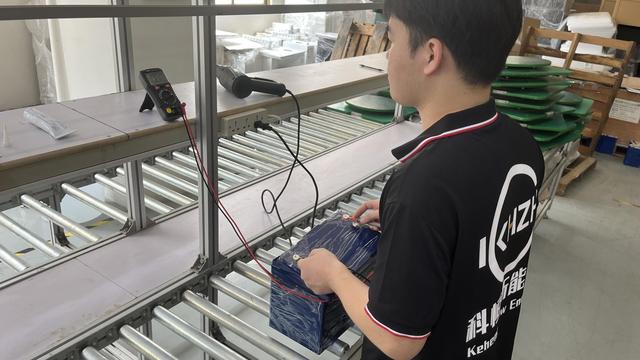
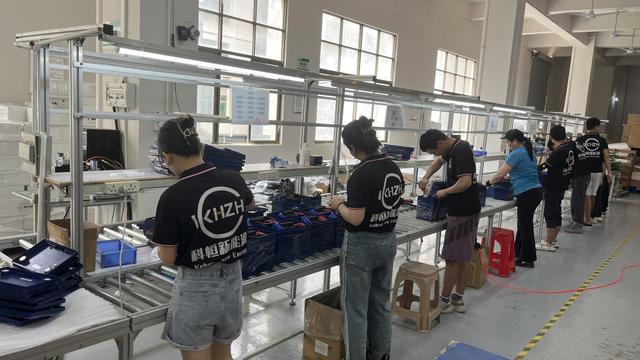
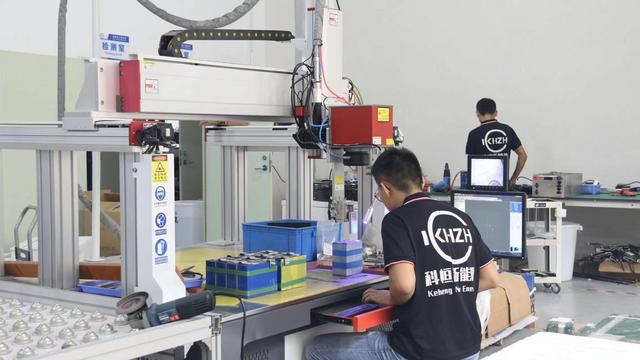
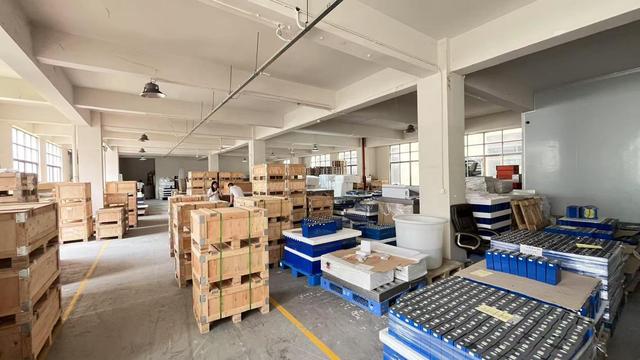
Equipped with advanced manufacturing facilities and stringent quality management processes, the company emphasizes product reliability, operational safety, and long-term performance. Continuous investment in research and development enables CCSC Energy to integrate intelligent monitoring technologies, advanced battery management systems, and smart energy control platforms into its solutions.
Serving customers across Asia, Europe, North America, South America, the Middle East, and other global markets, Hangzhou CCSC Energy Co., Ltd. is dedicated to providing innovative energy storage solutions that support renewable energy adoption, strengthen power resilience, and contribute to a more efficient and sustainable energy future.
Partner directly with Hangzhou CCSC Energy to design a custom BESS configuration for your factory, hotel, commercial building, or off-grid development.
Get Free Engineering ProposalDirect technical answers addressing system installation, ROI, grid compatibility, and safety.
 CCSC Energy